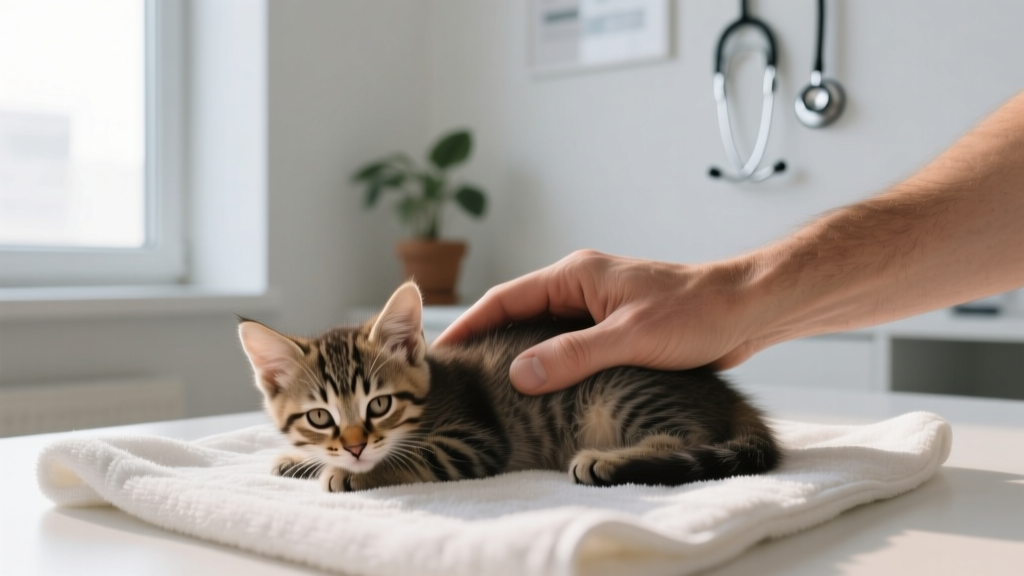
How to Take Care of a Sick Stray Kitten: 7 Critical First-Hour Steps That Prevent 90% of Fatal Mistakes (Vet-Reviewed Checklist)
Why This Matters More Than You Think Right Now
If you’ve just found a shivering, lethargy-stricken stray kitten with runny eyes, labored breathing, or refusal to eat — how to take care of a sick stray kitten isn’t just helpful advice. It’s often the difference between life and death in the first 24–48 hours. Stray kittens under 12 weeks old have zero immunity, undeveloped thermoregulation, and rapidly declining blood sugar — making them uniquely vulnerable to sepsis, hypothermia, and dehydration. In fact, ASPCA data shows that over 65% of neonatal stray kittens admitted to shelters with respiratory or gastrointestinal signs die within 72 hours without immediate, targeted intervention. This guide distills evidence-based protocols used by shelter veterinarians and foster coordinators — no guesswork, no myths, just what works.
Step 1: Safe Isolation & Initial Triage (First 10 Minutes)
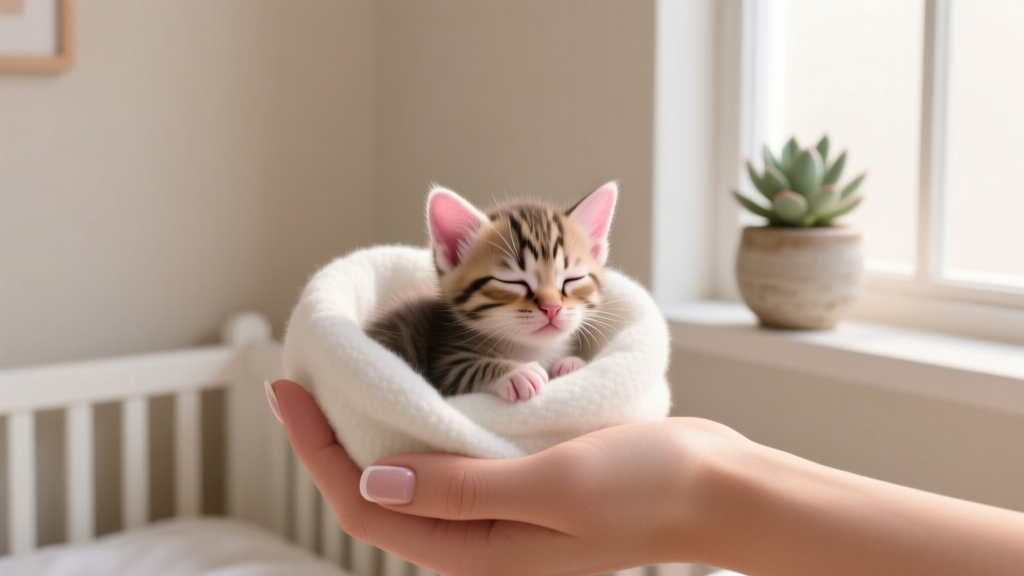
Before touching the kitten, wash your hands thoroughly and put on disposable gloves. Stray kittens are frequent carriers of upper respiratory infections (URI), feline panleukopenia, ringworm, and intestinal parasites — many of which can spread to other pets or immunocompromised humans. Gently place the kitten in a quiet, draft-free box lined with soft, non-pill fabric (no towels — loose threads can entangle tiny paws). Use a heating pad set to LOW *under half the box* (never direct contact) or a microwavable rice sock wrapped in fleece to maintain a core temperature of 99–101°F — critical for metabolic function. Do NOT warm too quickly; rapid rewarming can trigger shock.
While warming, perform a rapid ABC check:
- Airway: Gently open the mouth — look for mucus, foreign objects, or tongue cyanosis (bluish tint).
- Breathing: Count breaths per minute (normal: 20–30 at rest; >40 signals distress).
- Circulation: Press gums — color should return in <2 seconds (CRT); pale, white, or brick-red gums indicate shock or anemia.
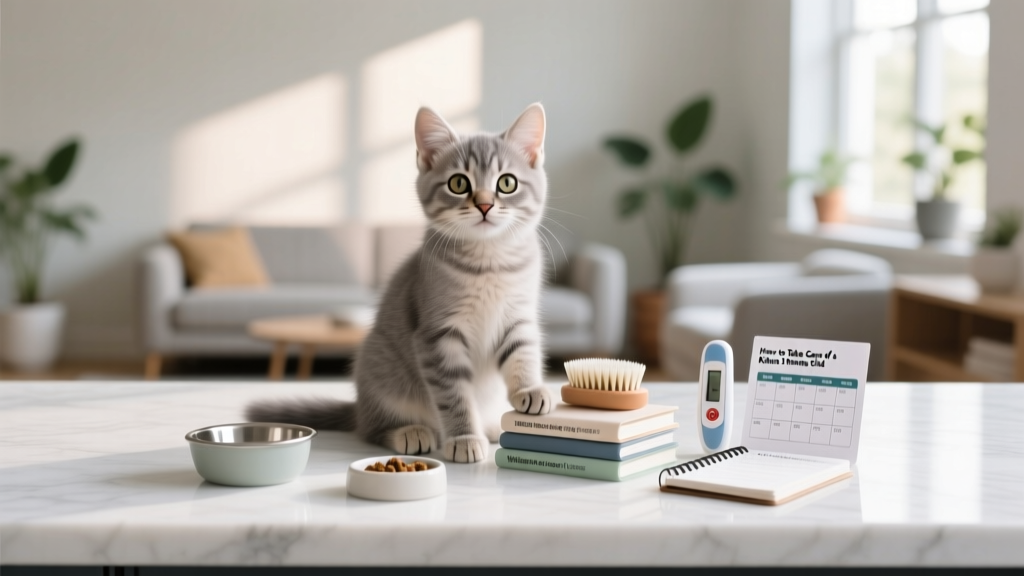
Document everything: weight (use a kitchen scale in grams), rectal temp (normal: 100–102.5°F), eye/nose discharge type, stool consistency, and whether the kitten cries weakly or is completely silent. According to Dr. Lena Torres, shelter medicine specialist with the UC Davis Koret Shelter Medicine Program, "A single gram of weight loss in a 100g kitten equals 1% dehydration — and that’s clinically significant. Tracking weight hourly is more predictive than subjective 'looks sick' assessments."
Step 2: Hydration & Nutritional Stabilization (Hours 1–6)
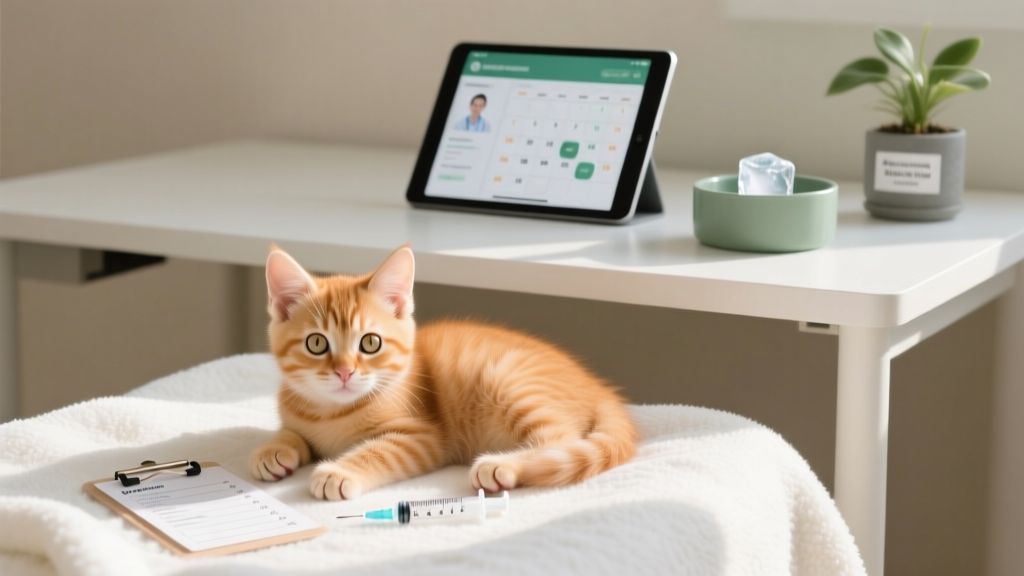
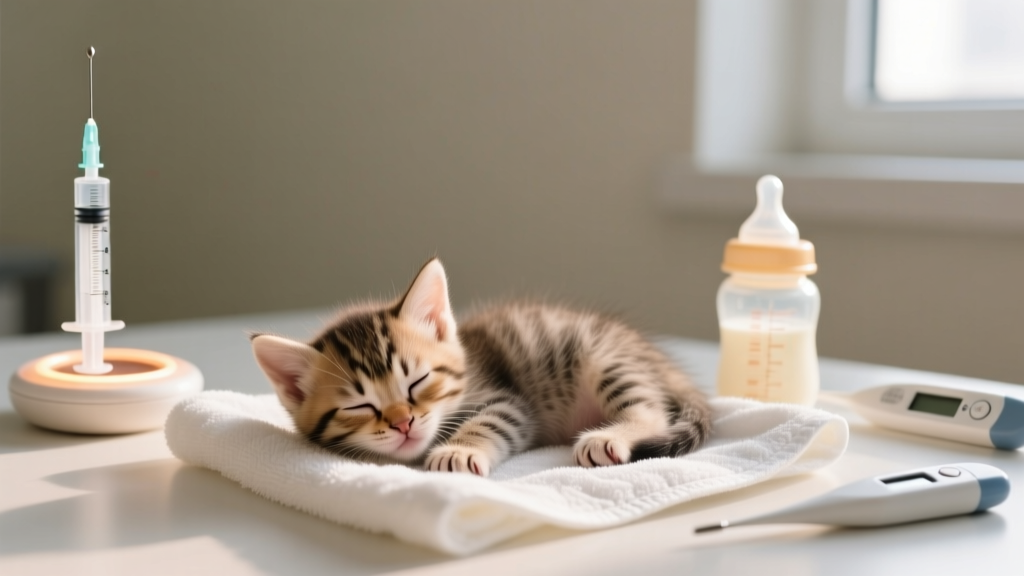
Dehydration is the #1 killer of sick neonatal kittens. Even mild dehydration (>5%) impairs kidney perfusion and drug metabolism. Oral rehydration solution (ORS) — not water, milk, or Pedialyte (too high in sodium for cats) — is essential. Use a vet-approved formula like Kitten Lyte or mix your own: 1 cup warm water + 1/4 tsp salt + 1.5 tsp honey (not for kittens <4 weeks due to botulism risk — use dextrose if available). Administer via 1mL oral syringe *slowly*, aiming for 1–2 mL per 10g body weight every 2 hours — but only if the kitten swallows voluntarily. If gagging, refusing, or showing nasal reflux, stop immediately and seek emergency care.
Nutrition must follow hydration. Never feed cow’s milk — lactose intolerance causes explosive diarrhea and worsens dehydration. Use a commercial kitten milk replacer (KMR or Just Born) warmed to 98–100°F. Feed every 2–3 hours using a 1–3mL syringe or bottle with a soft nipple. For kittens under 2 weeks: 2–4 mL per feeding; 2–4 weeks: 5–10 mL. Always burp gently after feeding. A key red flag: if the kitten doesn’t suckle vigorously or falls asleep mid-feed, it may be hypoglycemic. Rub a dab of corn syrup on its gums — then call a vet immediately.
Step 3: Symptom-Based Intervention & When to Rush to a Vet
Not all symptoms are equal. Some require ER-level action; others can be monitored at home for 12–24 hours with strict observation. The table below — adapted from the American Association of Feline Practitioners’ (AAFP) 2023 Neonatal Guidelines — helps prioritize urgency:
| Symptom | Immediate Action | ER Threshold (Go NOW) | Monitoring Window (If Stable) |
|---|---|---|---|
| Rectal temp <98°F or >104°F | Gradual warming/cooling + ORS | Temp <96°F or >105°F, or no improvement in 30 min | Recheck every 20 min; record trends |
| Labored breathing, open-mouth panting, or wheezing | Clear nasal passages with saline drops + bulb syringe | Blue/purple gums, gasping, or >60 breaths/min | Monitor respiratory rate hourly; note effort |
| Diarrhea with blood or black tarry stool | Stop feeding solids; offer ORS only | More than 3 watery stools in 2 hrs + lethargy | Collect sample in clean container for vet testing |
| Seizures, tremors, or inability to stand | Protect from injury; dim lights; record duration | Any seizure >2 min, or repeated episodes | Do NOT wait — this is always ER |
| No urine output in 12+ hrs (or very dark/concentrated) | Gentle bladder expression (only if trained) | No urine in 18+ hrs, or straining without output | Weigh before/after each ORS dose to track output |
Note: Kittens under 4 weeks old cannot urinate or defecate without stimulation. Use a warm, damp cotton ball to gently stroke the genital and anal area for 30 seconds before/after every feeding — mimicking maternal licking. Skip this, and urinary retention can cause fatal uremia within 24 hours.
Step 4: Infection Control, Deworming & Next-Step Planning
Even asymptomatic stray kittens carry roundworms (Toxocara cati) in >80% of cases — and these parasites consume nutrients, damage intestines, and can infect humans. Start broad-spectrum deworming at 2 weeks old with pyrantel pamoate (safe for neonates), repeating every 2 weeks until 12 weeks. But — crucially — never deworm a severely dehydrated or hypothermic kitten. As Dr. Sarah Lin, DVM and founder of StreetVet NYC, warns: "Deworming a shocked kitten can trigger anaphylaxis or GI perforation. Stabilize first — treat parasites second."
Disinfect all surfaces with diluted bleach (1:32) — effective against parvovirus and herpesvirus. Wash bedding in hot water + vinegar rinse (no fabric softener). Keep the kitten isolated from other pets for at least 14 days, even after symptoms resolve — some viruses shed asymptomatically for weeks. Once stable, schedule a full veterinary exam including PCR testing for FeLV/FIV (though false negatives are common under 16 weeks), fecal float, and physical assessment. Most importantly: begin socialization immediately. A 2022 study in Journal of Feline Medicine and Surgery found that kittens handled 2+ hours daily between 2–7 weeks had 73% lower stress reactivity as adults — directly impacting adoptability and long-term health.
Frequently Asked Questions
Can I give my sick stray kitten human medicine like Tylenol or Benadryl?
No — absolutely not. Acetaminophen (Tylenol) is lethal to cats at doses as low as 10mg/kg and causes irreversible liver necrosis and methemoglobinemia. Diphenhydramine (Benadryl) can cause dangerous hyperthermia or CNS depression in kittens. Only medications prescribed by a veterinarian — dosed by weight and age — are safe. When in doubt, call a pet poison helpline (ASPCA Animal Poison Control: 888-426-4435) before administering anything.
What if the kitten won’t eat or drink — should I force-feed?
Never force-feed or force-hydrate. This risks aspiration pneumonia, esophageal trauma, or severe stress-induced shutdown. Instead, try warming the formula slightly, changing nipple flow rate, or offering ORS via dropper on the side of the mouth. If refusal persists for >4 hours (or >2 hours in kittens under 2 weeks), it’s an emergency sign — likely indicating pain, neurological impairment, or sepsis. Transport to a vet immediately.
Is it safe to bathe a sick stray kitten to remove fleas?
No — bathing is extremely dangerous for sick or underweight kittens. It accelerates heat loss, induces hypothermia, and stresses fragile organs. Instead, use a fine-tooth flea comb dipped in soapy water, focusing on the neck and base of tail. For heavy infestations, ask your vet about topical selamectin (Revolution) — approved for kittens 8 weeks+, but off-label use at 6 weeks is common under supervision. Never use dog flea products — permethrin is fatal to cats.
How do I know if the kitten is improving — or getting worse?
Track four objective metrics daily: (1) Weight gain (should be 5–10g/day), (2) Temperature stability (within 99–101.5°F), (3) Urine output (pale yellow, 2–3 times/day), and (4) Activity level (increasing alertness, rooting, kneading). Worsening signs include weight loss >5g in 24 hrs, new nasal/ocular discharge, increased lethargy, or crying that changes pitch (high-pitched = pain; weak whimper = exhaustion). Trust your gut — if something feels ‘off,’ err on the side of urgency.
Common Myths Debunked
Myth #1: “Stray kittens need cow’s milk to survive.”
False. Cow’s milk lacks taurine and proper fat-protein ratios for kittens — and its lactose causes osmotic diarrhea, accelerating dehydration and electrolyte loss. Kitten milk replacers are scientifically formulated to match feline maternal milk composition.
Myth #2: “If it’s breathing fast, it’s just stressed — no need to panic.”
Dangerous oversimplification. While stress can elevate respiration, tachypnea in kittens is most often caused by pneumonia, heart failure, or metabolic acidosis. A respiratory rate consistently >40 breaths/min warrants immediate auscultation and oxygen support — not calming techniques.
Related Topics (Internal Link Suggestions)
- How to tell if a kitten is dehydrated — suggested anchor text: "kitten dehydration signs and treatment"
- Best kitten milk replacer brands compared — suggested anchor text: "top vet-recommended kitten formulas"
- When to take a kitten to the vet for diarrhea — suggested anchor text: "kitten diarrhea emergency timeline"
- How to safely trap and transport a stray kitten — suggested anchor text: "humane stray kitten capture guide"
- Neonatal kitten feeding schedule by age — suggested anchor text: "kitten feeding chart 0–8 weeks"
Your Next Step Starts Now — And It’s Simpler Than You Think
You’ve already done the hardest part: noticing, caring, and seeking help. Every hour counts — but you don’t need perfection, just purposeful action. Grab a notebook and write down today’s date, weight, temperature, and one observable behavior (e.g., “suckled 3 mL,” “purred when warmed,” “urinated clear yellow”). That baseline is your compass. Then, call your local low-cost clinic or rescue group — many offer free or sliding-scale neonatal consults. If cost is a barrier, text ‘KITTEN’ to 51555 to connect with The Kitten Lady’s Rescue Network for real-time mentorship. Remember: you’re not alone, and this fragile life is counting on your calm, informed courage. Start now — not tomorrow, not after ‘researching more.’ One gentle, deliberate act today builds the foundation for a whole, healthy life.