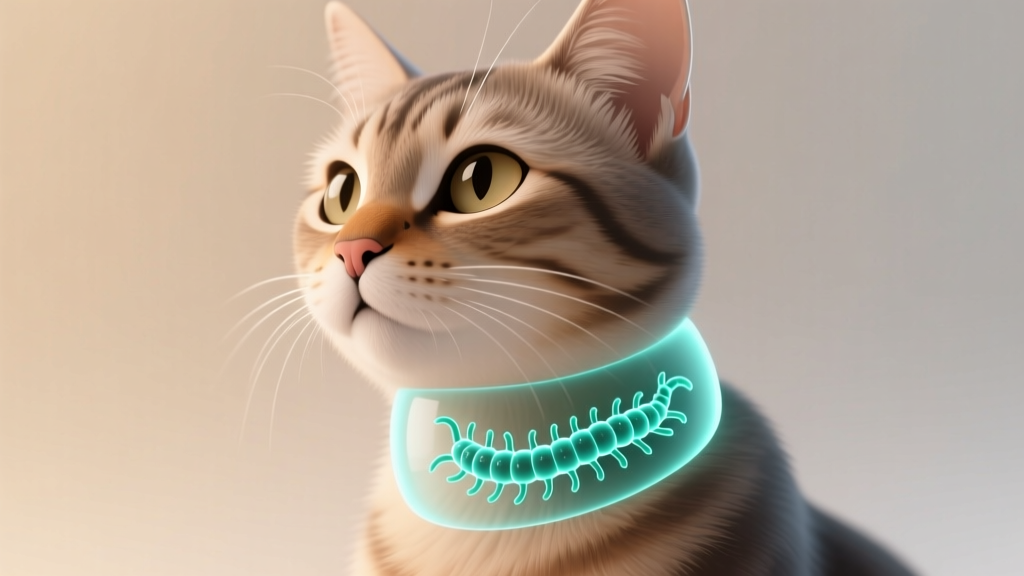
Cat Onchocerca: Subcutaneous Filarial Worm
1. Introduction: Why This Topic Matters to Cat Owners
Finding a new lump under your cat’s skin can be unsettling. Most cat owners immediately worry about abscesses, cysts, or even cancer—and those concerns are valid. But there’s another, less common cause that’s easy to miss: a subcutaneous (under-the-skin) filarial worm called Onchocerca. While Onchocerca infections in cats aren’t as widely discussed as fleas, heartworm, or intestinal parasites, they can cause persistent skin nodules and discomfort. The good news is that many cats do very well once properly diagnosed and treated.
This article will help you understand what feline Onchocerca is, what signs to watch for, what your veterinarian may recommend, and how to reduce your cat’s risk.
2. Overview: What Is Feline Onchocerca?
Onchocerca are filarial nematodes (thin, thread-like worms) that live in body tissues. In cats, these worms are most often associated with firm nodules under the skin. The adult worms may live inside these nodules, while immature stages (microfilariae) can be present in surrounding skin and tissues.
In plain language: this is a parasitic worm infection that tends to set up shop under the skin, sometimes forming noticeable lumps.
How it’s different from heartworm: Heartworm (Dirofilaria immitis) primarily affects the heart and lungs. Onchocerca is typically a “skin and connective tissue” parasite. The transmission method also differs: heartworm is mosquito-borne, while Onchocerca is generally linked to biting flies or other insect vectors depending on the species and region.
Is it common? It’s considered uncommon in many areas, but cases do occur. Because it can mimic other skin conditions, it may be underdiagnosed.
3. Symptoms and Warning Signs to Watch For
Many cats with Onchocerca don’t act very sick overall. The most noticeable changes are often on the skin.
Common signs include:
- Firm subcutaneous nodules (small to moderate lumps under the skin), sometimes near the head, neck, or limbs
- Tenderness if the nodule is inflamed or irritated
- Itching or overgrooming over a specific spot
- Localized hair loss or thinning hair near a lump
- Redness or mild swelling around the area
Less common or indirect signs:
- Recurring “mystery” skin bumps that come and go
- Secondary skin infection from scratching or self-trauma
- Behavior changes such as being less tolerant of petting in one area
Important reminder: Lumps in cats always deserve veterinary attention. Many conditions—from benign cysts to abscesses to tumors—can look similar at home. Early evaluation is the safest path.
4. Causes and Risk Factors
Cats become infected when an insect vector transmits larval stages of the parasite during feeding. The larvae develop over time and may form nodules in subcutaneous tissues.
Risk factors that may increase exposure include:
- Outdoor access (especially at dawn/dusk when biting insects are active)
- Living in or traveling to areas with heavy biting fly populations
- Warm, humid climates that support insect breeding
- Lack of parasite prevention that covers relevant vectors (your vet can advise based on region)
Does indoor-only mean zero risk? Not always. Insects can get indoors, and some cats have “mostly indoor” lifestyles with screened porch time. Risk is lower indoors, but not impossible.
5. Diagnosis: Methods and What to Expect at the Vet
Because subcutaneous nodules can have many causes, diagnosis is usually step-by-step. Your veterinarian will aim to identify whether a lump is inflammatory, infectious, parasitic, or cancerous.
At the appointment, expect:
- Physical exam (size, location, firmness, number of nodules, pain level)
- History questions (outdoor exposure, travel, insect exposure, timeline)
Common diagnostic tests include:
- Fine needle aspirate (FNA): A small needle collects cells from the lump. This is quick and minimally invasive. It may show inflammation, infection, or occasionally parasite-related changes.
- Skin snips or skin scrapings: In selected cases, a tiny sample from the skin may be examined microscopically to look for microfilariae.
- Biopsy or surgical removal: If FNA isn’t definitive or the lump is suspicious, your vet may recommend removing part or all of the nodule for lab analysis. Histopathology can identify adult worms within tissues.
- Bloodwork: Not always diagnostic for Onchocerca itself, but useful to assess overall health before sedation/anesthesia and to rule out other issues.
Why a biopsy matters: In cats, we take lumps seriously. Getting a precise diagnosis helps ensure your cat receives the right treatment and that more serious causes aren’t overlooked.
6. Treatment Options (Medical, Surgical, Home Care)
Treatment depends on where the parasite is located, how many nodules are present, and whether your cat has secondary skin problems. Your veterinarian will tailor the plan to your cat’s health status and local parasite patterns.
Surgical treatment
- Nodule removal may be recommended if there’s a single accessible lump, if it’s bothering your cat, or if diagnosis is uncertain.
- Removal can be both diagnostic and therapeutic (confirming the cause while eliminating the local problem).
Medical treatment
Your veterinarian may prescribe antiparasitic medications used for filarial infections. Because filarial parasites can respond differently to various drugs, and because cats can be sensitive to some medications, do not attempt home deworming without veterinary guidance.
- Antiparasitics: Your vet may recommend specific agents and dosing schedules to target adult worms and/or microfilariae.
- Anti-inflammatory medications: These may be used to reduce inflammation, itching, or discomfort.
- Antibiotics: Only if there is a secondary bacterial skin infection or an infected nodule.
Home care and comfort
Simple steps at home can make a real difference while your cat is being treated:
- Prevent licking and scratching: Use an e-collar or recovery collar if your cat is traumatizing the area.
- Follow medication instructions exactly: Some antiparasitics require careful timing and monitoring.
- Check the skin daily: Look for new lumps, redness, drainage, or increased swelling.
- Keep your cat indoors during treatment when possible to reduce additional insect exposure and to monitor healing.
Action you can take today: If you’ve found a lump, take a clear photo, note its size (use a coin for scale), and schedule a vet appointment. Tracking changes helps your veterinarian and reduces guesswork.
7. Prevention Strategies and Early Detection Tips
Prevention focuses on reducing insect bites and keeping your cat on an appropriate parasite control plan.
Practical prevention steps:
- Use veterinarian-recommended parasite prevention year-round (or seasonally if your vet advises). Ask specifically about products that help reduce biting insect exposure risk in your region.
- Limit outdoor time during peak insect activity (often dawn and dusk).
- Reduce insect habitats around your home:
- Eliminate standing water
- Maintain screens and seal gaps
- Keep yard vegetation trimmed
- Avoid using dog-only parasite products on cats. Some are toxic to cats. Always confirm species-appropriate products.
Early detection tips:
- Monthly “hands-on” check: Gently feel your cat’s neck, shoulders, trunk, and legs for small lumps.
- Watch grooming behavior: Persistent licking of one area can be an early sign of discomfort or itching.
- Don’t wait on a lump: If it’s new, growing, painful, or firm, book a veterinary visit promptly.
8. Prognosis and Quality of Life Considerations
With appropriate veterinary care, many cats maintain an excellent quality of life. Prognosis varies depending on:
- The number and location of nodules
- How quickly the condition is diagnosed
- Whether secondary infection or significant inflammation is present
- Your cat’s overall health and tolerance of treatment
What improvement may look like:
- Lumps reduce after removal or treatment
- Less scratching/overgrooming
- Skin heals and hair begins to regrow
Follow-up matters: Your veterinarian may recommend rechecks to confirm the nodules are resolving and to catch any recurrence early.
9. When to Seek Emergency Veterinary Care
Onchocerca nodules themselves are not usually an immediate emergency, but certain situations should be treated urgently.
Seek emergency or urgent veterinary care if your cat has:
- A rapidly enlarging lump, especially if painful or hot
- Open wound, drainage, or bleeding from a nodule
- Severe swelling of the face or limbs
- Difficulty breathing, collapse, or extreme lethargy
- Not eating for 24 hours (or less if your cat is young, senior, or has other illnesses)
- Signs of an allergic reaction after a medication (facial swelling, hives, vomiting, trouble breathing)
If you’re unsure, call your veterinary clinic or an emergency hospital. It’s always appropriate to ask whether your cat should be seen right away.
10. FAQ: Common Questions Cat Owners Ask
Can humans catch Onchocerca from a cat?
The species of Onchocerca associated with cats are typically adapted to specific hosts and insect vectors. Direct transmission from cat to person is not considered likely in typical household settings. Even so, any time parasites are discussed, it’s wise to practice good hygiene and keep your cat on vet-approved parasite prevention. If you have concerns about zoonotic risk in your area, ask your veterinarian.
Is every lump on a cat caused by parasites?
No. Cat lumps can be caused by abscesses (often from bites), cysts, benign fatty growths, allergic reactions, foreign bodies, or tumors. That’s why a veterinary exam and sampling (FNA/biopsy) is so important—appearance alone isn’t enough to diagnose the cause.
Will the lump go away on its own?
Some inflammatory lumps can shrink, but waiting it out is risky in cats because lumps can also be cancerous or infected. If a lump persists more than a week or two, grows, or bothers your cat, schedule an exam. Early evaluation usually means simpler treatment.
What should I do if I find a new nodule tonight?
- Gently feel the area once (don’t repeatedly poke it).
- Take a photo and measure it (estimate in millimeters or compare to a coin).
- Prevent licking/chewing if the skin looks irritated.
- Book a veterinary visit soon—urgent if it’s painful, rapidly growing, or draining.
Can I use over-the-counter dewormers to treat this?
Not safely without guidance. Many over-the-counter products target intestinal worms, not tissue-dwelling filarial parasites, and cats can be sensitive to incorrect dosing or inappropriate medications. Treatment decisions should be made by a veterinarian after diagnosis.
How can I reduce my cat’s risk long-term?
Keep your cat on a veterinarian-recommended parasite prevention plan, reduce insect exposure, and do monthly at-home “lump checks.” If your cat goes outdoors, talk with your veterinarian about the most effective prevention strategy for your region and lifestyle.
If you suspect your cat has a subcutaneous lump or recurring skin nodules, your veterinarian is your best partner for answers and a safe treatment plan. For more trustworthy cat health guidance, visit catloversbase.com for additional resources and articles tailored to caring cat owners.