Feline Renal Amyloidosis: Protein Deposit Kidney Failure
1. Why This Topic Matters to Cat Owners
Kidney disease is one of the most common serious health problems in cats, especially as they age. Most cat owners have heard of “chronic kidney disease,” but fewer know about a specific cause called renal amyloidosis. This condition can lead to kidney failure earlier than expected, sometimes in cats that otherwise seem healthy.
Understanding renal amyloidosis helps you recognize subtle warning signs, seek veterinary care sooner, and make informed choices about treatment and quality of life. If your cat has a family history of kidney issues, recurring inflammation/infections, or is a breed with higher risk, being proactive can make a real difference.
2. Overview: What Is Feline Renal Amyloidosis?
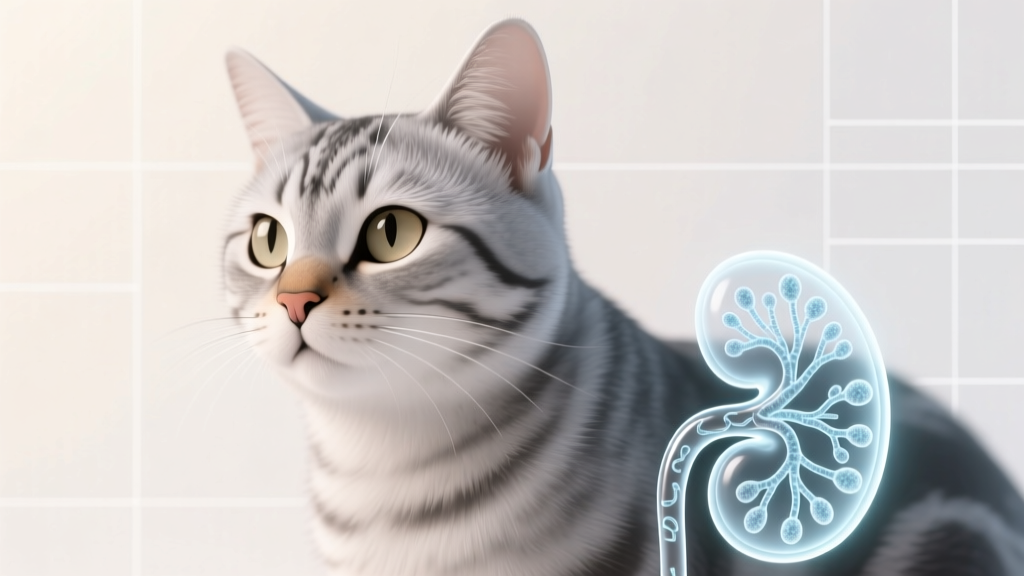
Renal amyloidosis happens when an abnormal protein called amyloid builds up in the kidneys. Think of amyloid like sticky protein deposits that the body can’t clear properly. Over time, these deposits disrupt the kidney’s structure and interfere with its ability to:
- Filter waste products from the blood
- Maintain hydration and electrolyte balance
- Keep needed proteins in the bloodstream
In many cats, amyloid builds up in the glomeruli (the kidney’s tiny filtration units). When glomeruli are damaged, protein leaks into the urine. This is called proteinuria, and it can be severe. Protein loss can lead to fluid imbalances, weight loss, weakness, and a faster decline in kidney function.
Renal amyloidosis may appear as:
- Gradual kidney decline (similar to chronic kidney disease)
- Sudden worsening with rapid kidney failure in some cases
Because signs can overlap with other kidney problems, diagnosis typically requires a veterinarian to combine lab testing, imaging, and sometimes specialized testing.
3. Symptoms and Warning Signs to Watch For
Cats are experts at hiding illness. Early signs of kidney trouble can be subtle, and renal amyloidosis may progress quietly until kidney function is significantly affected. Contact your veterinarian if you notice any of the following:
Common at-home signs
- Increased thirst (visiting the water bowl more often)
- Increased urination (larger clumps in the litter box or more frequent trips)
- Weight loss despite eating the same amount (or eating less)
- Decreased appetite or becoming picky with food
- Vomiting (occasional or frequent)
- Lethargy, hiding, or reduced interest in play
- Poor coat quality (dull fur, less grooming)
- Bad breath (sometimes ammonia-like) or mouth ulcers in advanced kidney disease
Signs that may be linked to heavy protein loss
- Swelling of the legs, paws, or belly (fluid accumulation can occur when blood protein drops)
- Sudden weakness or collapse (less common, but urgent)
Practical tip you can do today
- Spend 30 seconds daily checking: appetite, energy, water intake, and litter box output. Small changes over 1–2 weeks are often the first clue.
4. Causes and Risk Factors
Amyloidosis can occur due to genetic predisposition, chronic inflammation, or immune system triggers. Sometimes the exact cause is never identified.
Risk factors veterinarians consider
- Breed predisposition: Renal amyloidosis has been reported more often in certain breeds (such as Abyssinians, Siamese, and related lines), though it can occur in any cat.
- Family history: Cats related to affected cats may be at higher risk.
- Chronic inflammatory disease: Long-standing inflammation can stimulate amyloid production in some animals. Examples include chronic infections or inflammatory conditions.
- Age: Many cats develop kidney disease with age, but amyloidosis may show up earlier than typical chronic kidney disease in predisposed cats.
What this means for cat owners
If your cat is a higher-risk breed or has recurring inflammatory issues (skin, dental disease, chronic respiratory problems, GI disease), routine wellness screening becomes even more valuable. Always discuss your cat’s history with your veterinarian so they can tailor monitoring.
5. Diagnosis: Methods and What to Expect at the Vet
Diagnosis starts with a full history and exam. Your vet may ask about changes in thirst, urination, appetite, weight, vomiting, and any chronic health problems.
Common diagnostic tests
- Bloodwork (chemistry panel): Looks at kidney values (such as creatinine and BUN), electrolytes, and protein levels.
- SDMA test: A blood marker that may detect reduced kidney function earlier in some cats.
- Urinalysis: Measures urine concentration and checks for protein, blood, inflammation, and infection.
- Urine protein-to-creatinine ratio (UPC): Helps quantify how much protein is being lost through the kidneys.
- Blood pressure measurement: High blood pressure is common with kidney disease and can cause eye, brain, and heart complications.
- Urine culture: If infection is suspected, culture identifies bacteria and guides antibiotic choice.
- Ultrasound imaging: Evaluates kidney size, shape, texture, and helps rule out other problems (stones, tumors, obstruction).
Confirming amyloidosis
A definitive diagnosis may require specialized testing. In some cases, a kidney biopsy is needed to identify amyloid deposits. Because biopsy has risks (especially bleeding, and cats with kidney disease can be fragile), many veterinarians weigh the benefits carefully. Sometimes the diagnosis is considered “presumptive” based on breed risk plus heavy proteinuria and supportive findings.
How to prepare for the appointment
- Bring notes: appetite changes, weekly weights (if possible), vomiting frequency, and water intake estimates.
- Bring a fresh urine sample if your clinic requests it (follow their collection instructions).
- Ask which follow-up numbers matter most for your cat (UPC, creatinine, SDMA, blood pressure).
6. Treatment Options (Medical, Surgical, Home Care)
There is no simple “cure” that removes amyloid already deposited in the kidneys. Treatment focuses on slowing progression, reducing protein loss, managing symptoms, and supporting quality of life. Your veterinarian may recommend a combination of therapies based on lab results and how your cat is feeling.
Medical management
- Kidney-supportive diet: Therapeutic renal diets can reduce kidney workload and help stabilize electrolytes. If your cat refuses prescription food, ask your vet for transition tips or alternatives—calories in are better than a food strike.
- Proteinuria control medications: Drugs that reduce pressure inside the kidney’s filtration units can help decrease protein leakage. These may include medications in the ACE-inhibitor or ARB categories, depending on your vet’s preference and your cat’s needs.
- Blood pressure control: If hypertension is present, medication is often needed to protect the eyes, brain, and kidneys.
- Anti-nausea and appetite support: Medications can reduce vomiting and help cats eat more comfortably.
- Phosphate binders: If blood phosphorus is high, binders added to food can help.
- Fluid therapy: Some cats benefit from subcutaneous fluids at home, especially if dehydration contributes to poor appetite and lethargy. Your vet team can teach you how to do this safely.
- Addressing underlying inflammation/infection: If chronic inflammatory disease is suspected, treating it may reduce ongoing triggers.
Surgical options
Surgery is not a typical treatment for renal amyloidosis. Procedures might be considered only if another correctable issue is found (for example, an obstruction or certain types of stones). Most care is medical and supportive.
Home care that helps immediately
- Boost hydration: Add water to wet food, offer multiple water stations, consider a pet fountain, and feed more canned food if tolerated.
- Track trends: Weekly weights (a baby scale works well), appetite, and litter box output help your vet adjust treatment early.
- Reduce stress: Stress can worsen appetite. Keep routines predictable and provide a quiet resting area.
- Medication routine: Use a chart or phone reminders. Kidney cats often do best with consistent dosing.
Always consult your veterinarian before starting supplements or changing diets. Some “kidney supplements” can interfere with medications or worsen electrolyte problems.
7. Prevention Strategies and Early Detection Tips
Because amyloidosis can have a genetic component and may be linked to chronic inflammation, prevention isn’t always possible. Early detection, though, is very achievable—and it’s one of the best ways to protect your cat’s comfort and lifespan.
Actionable prevention and monitoring
- Schedule routine wellness testing: Annual labs for adult cats; every 6 months for seniors or high-risk breeds (your vet may recommend earlier screening).
- Include urine testing: Kidney disease can be missed if only bloodwork is checked. Protein in urine can be an early clue.
- Ask about blood pressure checks: Many cats with kidney disease develop hypertension, which is treatable.
- Manage dental disease: Chronic oral inflammation is common and can affect overall health. Regular dental care (including professional cleanings when recommended) can reduce chronic inflammatory burden.
- Address chronic infections promptly: Don’t “wait and see” on ongoing diarrhea, sneezing, skin infections, or urinary issues.
8. Prognosis and Quality of Life Considerations
The prognosis for renal amyloidosis varies widely. Some cats respond well to supportive care for a meaningful period of time. Others progress more quickly, especially if protein loss is severe or kidney function is already significantly reduced at diagnosis.
Factors that influence outlook
- Degree of kidney impairment at diagnosis (creatinine/SDMA trends)
- Severity of proteinuria (UPC results)
- Blood pressure control
- Appetite, hydration, and body weight maintenance
- Presence of complications (anemia, electrolyte imbalances, fluid accumulation)
Quality of life goals
- Comfort: minimal nausea, good hydration, manageable pain (if present)
- Nutrition: steady calorie intake and stable weight
- Normal behaviors: grooming, social interaction, interest in favorite spots and activities
Ask your veterinarian about a practical quality-of-life plan, including what changes should prompt a medication adjustment, recheck labs, or a discussion about next steps.
9. When to Seek Emergency Veterinary Care
Kidney conditions can shift from stable to urgent quickly. Seek emergency care (or same-day urgent veterinary evaluation) if you notice:
- Not eating for 24 hours (or significantly reduced intake for more than a day)
- Repeated vomiting or vomiting with inability to keep water down
- Extreme lethargy, collapse, or severe weakness
- Labored breathing or open-mouth breathing
- Sudden swelling of the belly or limbs
- Little to no urine output, straining, or crying in the litter box
- Signs of sudden vision loss (bumping into objects, dilated pupils), which can occur with high blood pressure
- Seizures or severe disorientation
If you’re unsure whether it’s an emergency, call your veterinary clinic or an emergency hospital and describe what you’re seeing. It’s always appropriate to ask for guidance.
10. FAQ: Common Questions Cat Owners Ask
Can renal amyloidosis be cured?
Amyloid deposits already in the kidneys generally can’t be removed. Treatment focuses on slowing progression, reducing protein loss, controlling blood pressure, and improving comfort. Many cats feel better with the right supportive plan.
Is renal amyloidosis the same as chronic kidney disease (CKD)?
Renal amyloidosis is a cause of kidney disease. CKD describes the long-term loss of kidney function, regardless of the underlying cause. Amyloidosis often involves heavy protein loss in urine, which can change treatment priorities.
What test is most helpful for catching it early?
Routine screening that includes a urinalysis and UPC (urine protein-to-creatinine ratio) can detect abnormal protein loss before severe symptoms appear. Pairing this with bloodwork (including SDMA) and blood pressure checks gives the clearest picture.
My cat seems fine—should I still worry?
It’s reasonable to stay calm and proactive. Kidney problems can develop quietly, so routine monitoring is valuable, especially for seniors and higher-risk breeds. If your cat is drinking more, losing weight, or vomiting more than usual, schedule a veterinary visit.
What can I do at home to support my cat right now?
- Encourage hydration with wet food and extra water sources
- Track weekly weight and daily appetite
- Keep the litter box clean and monitor urine clump size
- Give medications exactly as prescribed and keep recheck appointments
How often will my cat need rechecks?
This depends on how advanced the disease is and how stable your cat’s numbers are. Many cats need repeat bloodwork/urine testing and blood pressure checks every 4–12 weeks at first, then less often once stable. Your veterinarian will tailor the schedule to your cat.
If your cat is showing signs of increased thirst/urination, weight loss, vomiting, or reduced appetite, schedule a veterinary appointment promptly. Early care is one of the kindest things you can do, and many cats feel noticeably better once nausea, dehydration, and blood pressure are addressed.
For more practical cat health guides, wellness tips, and condition explainers written for real-life cat owners, visit catloversbase.com.