How to Care a Kitten at Home: The First 30 Days (No Vet Bills, No Panic—Just a Step-by-Step Survival Guide for New Cat Parents)
Why Getting Kitten Care Right the First Week Changes Everything
If you’re searching for how to care a kitten at home, you’re likely holding a tiny, wide-eyed bundle of fluff—and feeling equal parts joy and quiet dread. That’s normal. But here’s what most new caregivers don’t realize: the first 30 days shape your kitten’s lifelong immunity, social confidence, and even their willingness to trust humans. A single missed vaccination window, an unsafe climbing surface, or inconsistent feeding can trigger stress-induced upper respiratory infections—or worse, irreversible developmental setbacks. This isn’t just about ‘keeping them alive.’ It’s about laying neural, immunological, and emotional foundations that last 15+ years.
Your Kitten’s First 72 Hours: The Critical Window
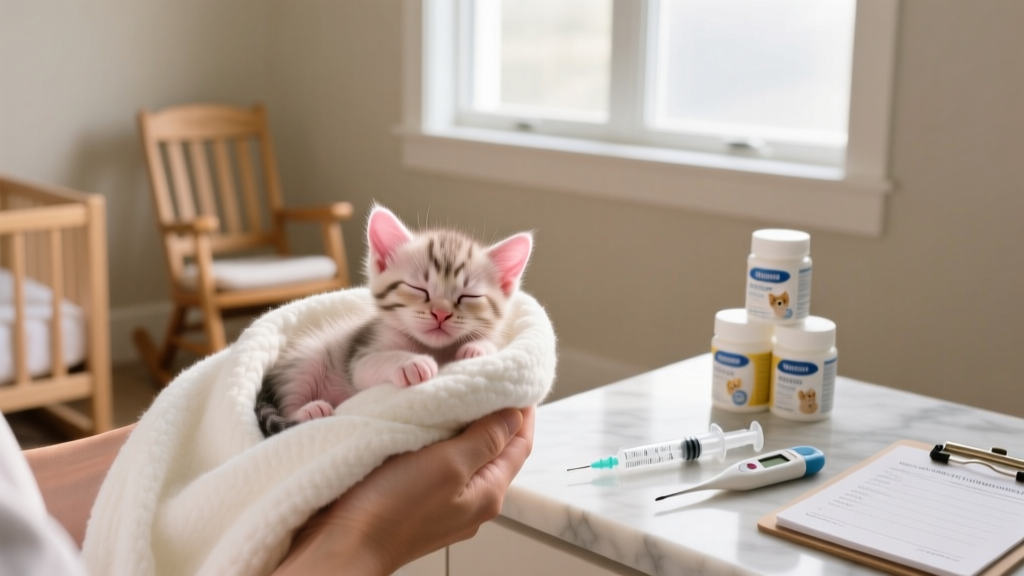
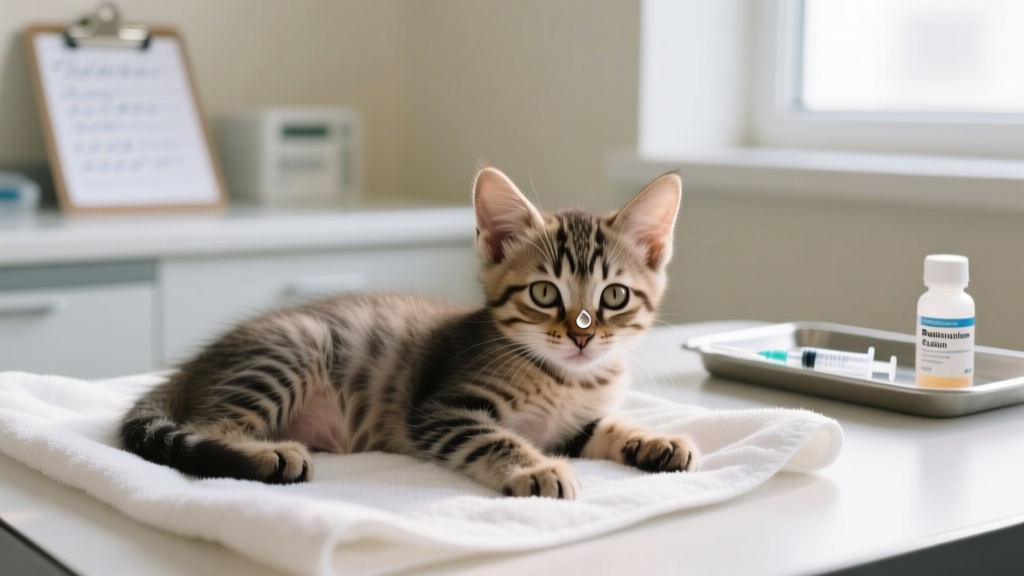
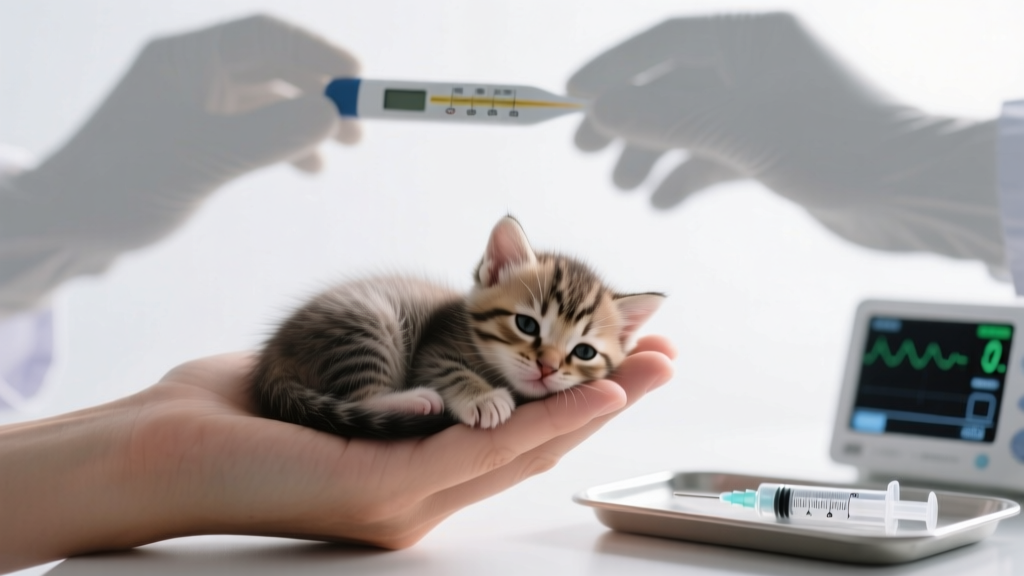
Think of the first three days as neonatal triage. Kittens under 8 weeks old lack full temperature regulation, robust gut flora, and mature immune responses. According to Dr. Lena Torres, DVM and feline specialist at Cornell Feline Health Center, “A kitten’s core body temperature must stay between 97–100°F (36–37.8°C) for proper digestion and antibody absorption—if it drops below 96°F, lethargy and hypoglycemia can set in within hours.”
Here’s your immediate action plan:
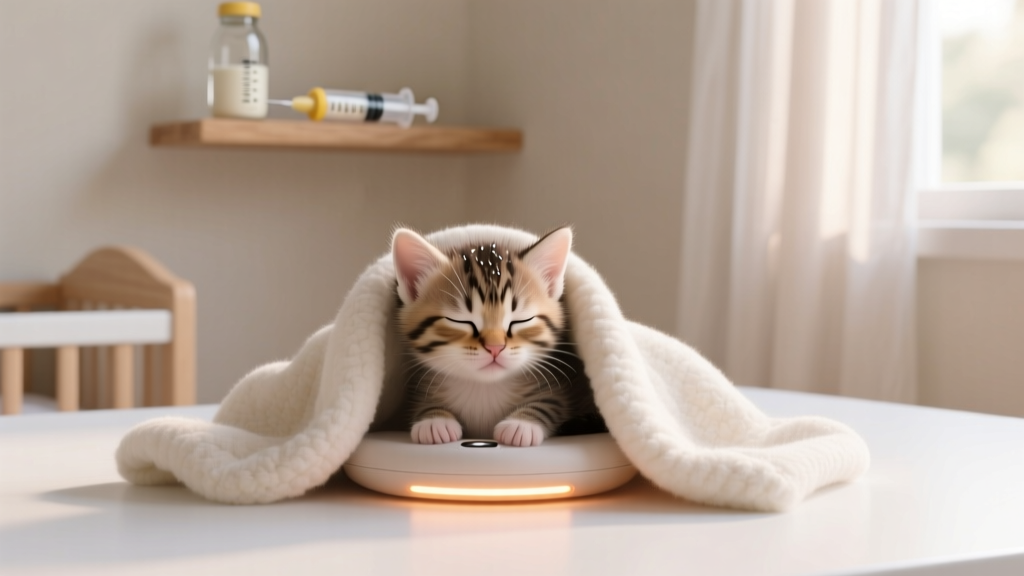
- Warmth first, food second: Place a microwavable heat pad (wrapped in two layers of fleece) in one corner of the carrier or crate—not directly under them. Never use heating lamps or hot water bottles (burn risk).
- Hydration check: Gently pinch the skin between their shoulder blades. If it snaps back instantly → hydrated. If it tents for >2 seconds → mild dehydration; contact your vet immediately.
- Feeding protocol: For kittens under 4 weeks: Use kitten milk replacer (KMR), not cow’s milk or human baby formula. Warm to 98–100°F. Feed every 2–3 hours—including overnight—for the first week. Use a 1–3 mL syringe (without needle) or bottle with ultra-fine nipple. Never force-feed; tilt head slightly downward to prevent aspiration.
- Stimulate elimination: After each feeding, gently rub their genital and anal area with warm, damp cotton ball for 30–45 seconds until they urinate/defecate. Stop once they consistently eliminate post-feeding (usually by Day 5–7).
Pro tip: Keep a log—time, amount fed, stool color/consistency, and any coughing or sneezing. This data is gold for your vet during the first wellness visit.
Weeks 2–4: Building Immunity & Trust Safely
This is when your kitten transitions from passive recipient to curious explorer—and where most preventable illnesses take root. Over 68% of shelter kittens admitted with feline herpesvirus (FHV-1) or calicivirus show symptoms between days 10–21, often triggered by environmental stress or exposure to unvaccinated cats (AVMA, 2023). Your home must be both sanctuary and vaccine incubator.
Key actions:
- Vaccination timing matters: Core vaccines (FVRCP) begin at 6–8 weeks, then boosters every 3–4 weeks until 16 weeks. Skipping a dose doesn’t reset the clock—but delays leave dangerous gaps. Ask your vet for a printed schedule aligned with your kitten’s birth date.
- Safe exploration zone: Block off stairs, close toilet lids, secure cords, remove toxic plants (lilies, pothos, sago palm), and cover floor vents. Use baby gates—not decorative ones—to restrict access to high-risk rooms (laundry, garage, basement).
- Socialization science: The prime window is 2–7 weeks. Expose your kitten to 1–2 new people daily (calm, seated, offering treats), different floor textures (carpet, tile, grass), and gentle sounds (vacuum on low, doorbell chime). But never force interaction—let them approach at their pace. A 2022 study in Journal of Feline Medicine and Surgery found kittens with ≥10 positive human interactions before Week 5 were 3.2× less likely to develop fear-based aggression later.
Real-world example: Maya, a foster volunteer in Portland, noticed her 3-week-old rescue, Pip, hiding behind the couch after guests arrived. Instead of pulling him out, she placed treats along the baseboard near the couch edge and sat quietly nearby. Within 4 days, Pip was taking treats from her hand—and by Week 5, he’d greet visitors with chirps.
The Litter Box, Diet & Dental Foundation (Weeks 4–12)
By Week 4, your kitten should be eating moistened kibble and using a low-entry litter box. But this phase is riddled with silent pitfalls—from urinary crystals to dental plaque buildup that starts before teeth are fully erupted.
Food choices: Choose a food labeled “for growth” or “kitten”—not “all life stages.” Look for AAFCO certification and at least 35% protein (dry matter basis). Avoid grain-free diets unless prescribed: a 2021 FDA investigation linked certain grain-free formulas to dilated cardiomyopathy (DCM) in young cats due to taurine deficiency.
Litter logic: Use unscented, non-clumping clay or paper-based litter for kittens under 12 weeks. Clumping litters pose ingestion and intestinal blockage risks if licked off paws. Place the box in a quiet, low-traffic area—not next to the food/water bowls. Have one box per cat + one extra (so for one kitten: two boxes minimum).
Dental prep: Yes—even at 8 weeks. Rub a soft finger brush or gauze wrapped around your finger with pet-safe enzymatic toothpaste (never human toothpaste!) along gums 2–3x/week. Make it a positive ritual: reward with play or treats immediately after.
And one non-negotiable: never bathe a kitten under 12 weeks. Their thermoregulation is still immature, and stress from bathing can suppress immune function. Spot-clean with a warm, damp microfiber cloth instead.
Kitten Care Timeline Table: What to Do, When, and Why
| Age | Key Action | Why It Matters | Vet Involvement? |
|---|---|---|---|
| 0–3 days | Temperature stabilization, hydration check, KMR feeding every 2–3 hrs | Prevents fatal hypothermia & hypoglycemia; supports passive immunity transfer | Yes — emergency consult if temp <96°F or no stool in 24 hrs |
| 4–7 days | Begin gentle handling; introduce soft toys; monitor weight gain (should gain 10–15g/day) | Stimulates neural development; tracks growth trajectory | No — but weigh daily with kitchen scale |
| 2–4 weeks | Introduce shallow litter box; start socialization with calm people/pets; begin deworming (fenbendazole) | Litter habits form now; deworming prevents stunted growth & anemia | Yes — deworming protocol & first exam |
| 6–8 weeks | First FVRCP vaccine; introduce scratching post; switch to kitten food (moistened) | Builds adaptive immunity; redirects natural clawing behavior | Yes — vaccine + fecal test |
| 10–12 weeks | Second FVRCP; spay/neuter discussion; introduce toothbrushing & nail trims | Boosts antibody titers; early neutering reduces roaming & spraying risk | Yes — surgical consult & wellness review |
| 14–16 weeks | Final FVRCP; rabies vaccine (if required); full transition to dry/wet kitten food | Closes immunity gap; meets legal & boarding requirements | Yes — final core vaccines & parasite screen |
Frequently Asked Questions
Can I give my kitten cow’s milk or human baby formula?
No—absolutely not. Kittens lack sufficient lactase to digest cow’s milk, causing severe diarrhea, dehydration, and electrolyte imbalance. Human baby formula contains iron levels toxic to kittens and lacks essential amino acids like taurine. Always use a veterinary-approved kitten milk replacer (KMR or Just Born). If unavailable temporarily, contact your vet for an emergency rehydration solution recipe.
My kitten is sneezing and has watery eyes—is it just a cold?
Not necessarily—but it could become serious fast. Upper respiratory infections (URIs) in kittens are commonly caused by feline herpesvirus or calicivirus and spread easily through shared air, bedding, or hands. Symptoms include sneezing, nasal/ocular discharge, lethargy, and decreased appetite. Left untreated, URIs can lead to pneumonia or permanent eye damage. Contact your vet within 24 hours if symptoms persist beyond 24 hours or worsen. Isolate the kitten from other pets and wash hands thoroughly after handling.
When should I start training my kitten to use the litter box?
Begin at 3–4 weeks—right when they start walking steadily and showing interest in digging. Use a shallow, low-sided box filled with unscented, non-clumping litter. Place them in it after every meal and nap. Reward with gentle praise (not treats—too young for digestion stress). Most kittens learn within 5–7 days. If your kitten consistently eliminates outside the box after Week 5, rule out medical causes (UTI, constipation) before assuming behavioral issues.
Do I need to clip my kitten’s nails? How often?
Yes—starting at 6 weeks. Trimming prevents painful overgrowth, household damage, and accidental scratches. Use sharp, scissor-style cat nail clippers (not human ones). Only cut the clear, pinkish tip—the “quick”—avoiding the vein-rich pink part. Trim 1–2 nails per session, 1–2x/week, rewarding with treats or play. If you accidentally nick the quick, apply styptic powder or cornstarch to stop bleeding. Never sedate or restrain harshly—build trust first.
Is it safe to let my kitten sleep in bed with me?
It’s safe *after* 12 weeks—and only if your kitten is fully vaccinated, parasite-free, and shows no signs of aggression or anxiety. However, avoid co-sleeping before Week 12: kittens can’t regulate body temperature well, and adult beds pose suffocation or entrapment risks (e.g., pillows, blankets, gaps in bed frames). Instead, place a cozy, heated cat bed beside your bed for bonding without risk.
Common Myths About Kitten Care
- Myth #1: “Kittens will naturally learn to use the litter box without guidance.” Reality: While instinct drives digging behavior, location, substrate, and consistency must be taught. Unsupervised kittens often associate carpet or laundry piles with elimination—habits that require months of retraining.
- Myth #2: “If my kitten seems playful and eats well, they’re definitely healthy.” Reality: Kittens mask illness brilliantly. Early signs of infection (slight fever, reduced grooming, subtle eye squinting) are easily missed. A 2020 study in Veterinary Record found 41% of kittens hospitalized for sepsis showed no outward symptoms for >36 hours before collapse. Daily weight checks and temperature monitoring are non-negotiable.
Related Topics (Internal Link Suggestions)
- Signs of Illness in Kittens — suggested anchor text: "early warning signs your kitten is sick"
- Best Kitten Food Brands (Vet-Approved) — suggested anchor text: "top-rated kitten foods for healthy growth"
- How to Introduce a Kitten to Other Pets — suggested anchor text: "safe introduction guide for cats and dogs"
- Kitten Vaccination Schedule Explained — suggested anchor text: "what vaccines does my kitten really need?"
- DIY Kitten Toys That Are Safe & Stimulating — suggested anchor text: "homemade kitten toys that build confidence"
Your Next Step Starts Today—Not Tomorrow
You now hold a field-tested, veterinarian-aligned framework for how to care a kitten at home—not just surviving the first month, but thriving across their entire lifespan. But knowledge alone won’t protect your kitten from a sudden fever spike at midnight or a hidden toxin in your hallway plant. So here’s your immediate next step: download our free, printable Kitten Care Tracker—a 30-day checklist with feeding logs, weight charts, vaccine reminders, and symptom red-flag prompts. It takes 90 seconds to print and fits on your fridge. Because the best care isn’t perfect—it’s prepared, consistent, and grounded in science. You’ve got this. And your kitten? They’re already falling in love—with you, their safe harbor, their forever person.