How Do You Take Care of a Week Old Kitten? The Critical First 7 Days: A Step-by-Step Survival Guide That Prevents Hypothermia, Dehydration, and Sudden Death (Veterinarian-Approved)
Why This First Week Is Literally Life-or-Death
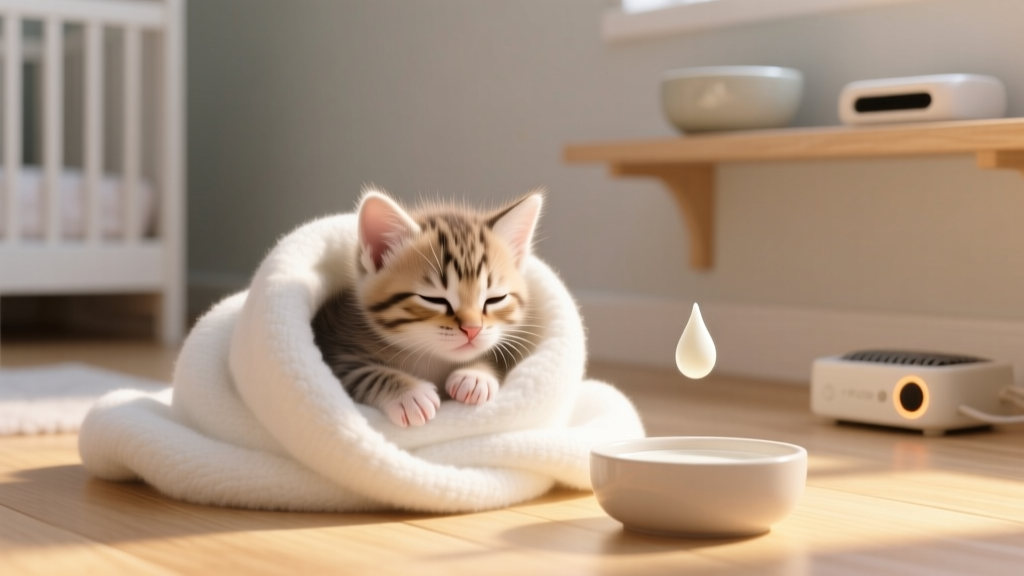
If you're asking how do you take care of a week old kitten, you’re likely holding a tiny, trembling life in your hands—possibly orphaned, abandoned, or separated from its mother too soon. At just 7 days old, a kitten is not a miniature cat. It’s a medical patient: eyes sealed, ears folded, unable to walk, regulate temperature, or urinate/defecate without human intervention. Mortality rates for orphaned neonates exceed 30% in the first two weeks without precise, science-informed care (Journal of Feline Medicine and Surgery, 2022). One missed feeding, one degree of hypothermia, or one instance of aspiration can trigger rapid decline. This isn’t about ‘spoiling’ or ‘cute routines’—it’s about replicating maternal biology with clinical precision. And yes—it’s possible. With the right tools, timing, and vigilance, you can shepherd this fragile life through its most perilous phase.
Temperature Control: Your #1 Priority (Before Food or Love)
Here’s the hard truth no one tells you: a week-old kitten’s rectal temperature should be 95–99°F (35–37.2°C). Below 94°F? Immediate risk of hypothermic shock, slowed digestion, and immune collapse. Above 100°F? Dehydration accelerates, and bacterial overgrowth spikes. Unlike adult cats, neonates have zero ability to shiver or vasoconstrict—they rely entirely on external heat sources.
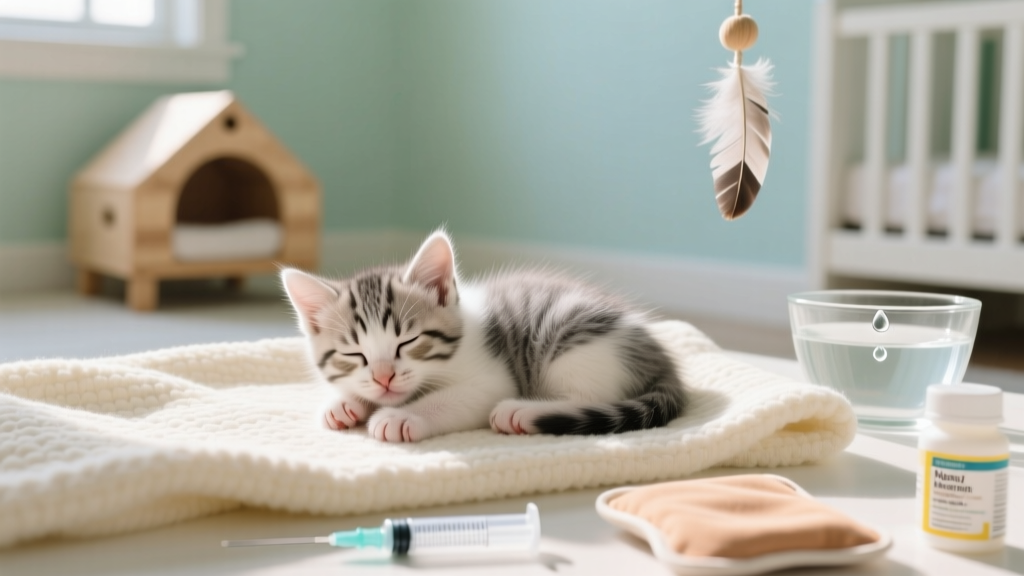
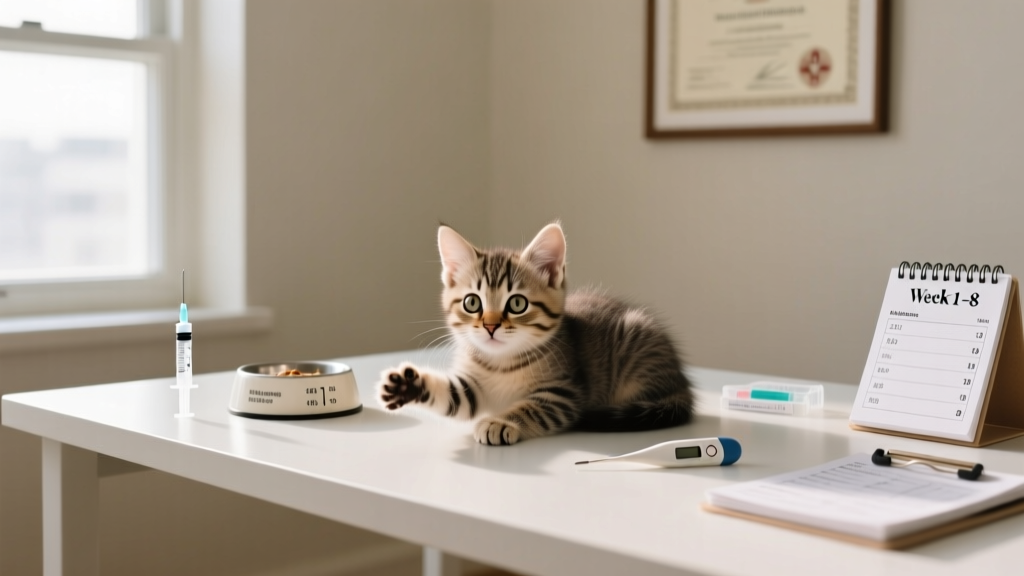
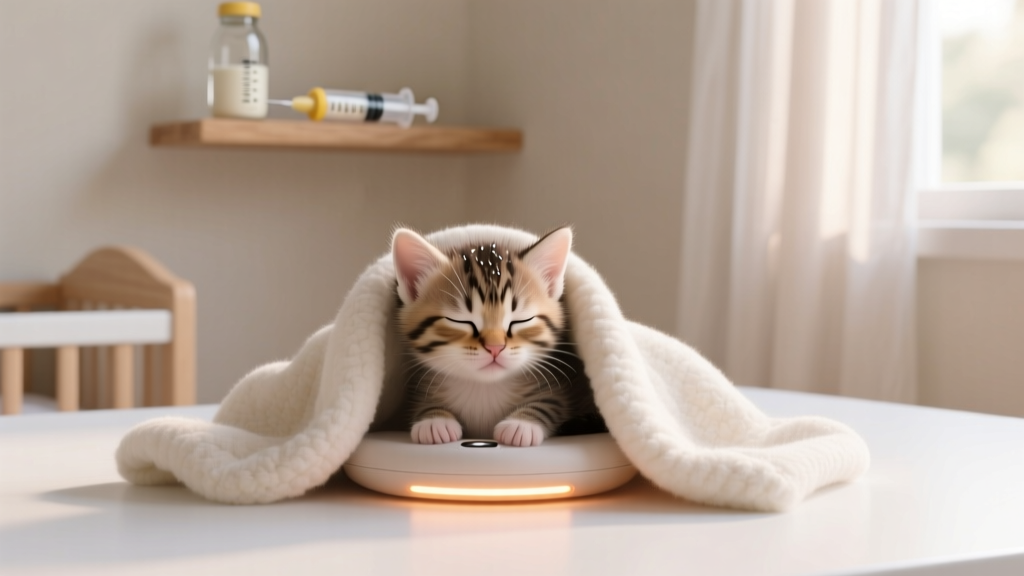
Use a digital rectal thermometer (lubricated with water-based lube) every 2–3 hours for the first 48 hours, then every 4–6 hours. Record temps in a log—patterns matter more than single readings. Never use heating pads alone (risk of burns); instead, build a layered thermal nest: a warm (not hot) rice sock wrapped in fleece + a Snuggle Safe disc (pre-heated 10 min, wrapped in 2 towels) + ambient room temp held at 80–85°F. Place the nest inside a ventilated cardboard box—not glass or plastic—to prevent CO₂ buildup.
Dr. Sarah Lin, DVM and neonatal feline specialist at UC Davis Veterinary Medical Teaching Hospital, emphasizes: “Hypothermia kills faster than starvation. If a kitten feels cool to your cheek or has cold paws, warm it *slowly*—over 20–30 minutes—before offering milk. Forcing formula into a cold kitten causes aspiration pneumonia 78% of the time.”
Feeding Protocol: Precision Over Passion
Every 2–3 hours—yes, including overnight—you must feed. A week-old kitten needs 13–15 mL of formula per 100g of body weight daily, divided across 8–12 feedings. That means a 120g kitten requires ~15–18 mL total per day—or roughly 1.5–2 mL per feeding. Use only commercial kitten milk replacer (KMR or Just Born), never cow’s milk, goat’s milk, or homemade recipes. Why? Cow’s milk lacks taurine and has lactose levels kittens can’t process—causing fatal diarrhea within 12–24 hours.
Warm formula to 98–100°F (test on your inner wrist—should feel neutral, not warm). Feed supine, head slightly elevated (never upright—risk of aspiration). Use a 1–3 mL syringe with a soft rubber nipple or a specialized kitten bottle; avoid droppers (too much pressure). Let the kitten suckle actively—do NOT force-feed. Each feeding should last 5–8 minutes. Weigh daily at the same time on a gram-scale: expect 7–10g gain per day. No gain? Or weight loss? That’s your first red flag—contact a vet immediately.
Real-world case study: Maya, a foster volunteer in Portland, rescued three 6-day-old orphans. She fed every 2.5 hours using warmed KMR but skipped nighttime feeds after Day 3, assuming ‘they’d sleep.’ By morning, one kitten was lethargy, cold, and refusing to suckle. Emergency vet visit revealed severe hypoglycemia and dehydration. After IV dextrose and warming, the kitten recovered—but only because Maya acted fast. Her takeaway: “Night feeds aren’t optional. They’re non-negotiable biology.”
Stimulation & Hygiene: The Hidden Lifesaving Ritual
Here’s what no pet store clerk will tell you: a week-old kitten cannot pee or poop without physical stimulation. Mom licks the genital and anal regions to trigger reflexive elimination. Without this, urine backs up, causing painful bladder distension, UTIs, and kidney damage—and feces harden into fatal impactions.
After *every* feeding, use a warm, damp cotton ball or soft tissue to gently stroke the kitten’s genitals and anus in downward motions for 30–60 seconds—until urine or stool appears. Urine should be pale yellow and clear; stool mustard-yellow and soft-paste. Document color, consistency, and volume. No output after 2 consecutive stimulations? That’s an emergency—call your vet. Also, clean the kitten’s face and paws with a warm, damp cloth after feeding to prevent formula crusting (which invites bacterial infection).
Sanitation is non-negotiable. Wash hands with soap before and after handling. Disinfect feeding equipment with boiling water or pet-safe enzymatic cleaner (never bleach near kittens—fumes are toxic). Change bedding daily. Keep the nesting area draft-free but well-ventilated—stagnant air breeds bacteria and mold spores.
Red Flags & When to Call the Vet (Not ‘Just in Case’—Now)
Neonatal kittens don’t ‘get better on their own.’ Delaying care costs lives. These signs demand immediate veterinary attention—within 30 minutes, not ‘tomorrow’: crying continuously for >5 minutes (indicates pain/hunger/hypothermia), refusal to suckle for 2+ feedings, pale or blue gums (cyanosis), labored breathing (>30 breaths/min), rectal temp <94°F or >101°F, vomiting (even once), green/black stool, or no stool/urine for 12+ hours.
Also watch for subtle cues: slow blinking, weak suck reflex, limp limbs, or inability to right itself when placed on its side. These indicate neurological compromise or sepsis. According to the American Association of Feline Practitioners (AAFP), 62% of neonatal deaths occur due to delayed recognition of these early warning signs—not lack of resources.
| Age | Key Developmental Milestones | Critical Care Actions | Warning Signs to Monitor |
|---|---|---|---|
| Day 1–3 | Eyes closed; ears flat; umbilical cord still attached (falls off by Day 3–5); rooting reflex strong | Feed every 2 hrs; stimulate after each feed; weigh every 6 hrs; maintain 85–90°F ambient temp | No rooting reflex; cord bleeding or oozing; no stool within 24 hrs |
| Day 4–7 | Umbilical cord detached; slight ear unfolding; begins crawling (not walking); eyes may start to slit open late Day 7 | Feed every 2.5 hrs; increase stimulation duration if stool is firm; introduce gentle massage to mimic mom’s licking | Eyes remain fully closed past Day 10; persistent tremors; failure to gain ≥7g/day |
| Day 8–14 | Eyes fully open (usually Day 10–14); ears upright; begins vocalizing; attempts standing | Introduce shallow dish of formula (supervised); begin socialization via gentle handling; reduce ambient temp to 78–82°F | Crossed eyes or cloudy corneas; inability to stand by Day 12; wheezing or nasal discharge |
Frequently Asked Questions
Can I use human baby formula or goat’s milk for a week-old kitten?
No—absolutely not. Human infant formula lacks taurine (an essential amino acid critical for heart and vision development) and contains iron levels toxic to kittens. Goat’s milk has 3x the lactose of kitten formula and insufficient protein balance, causing osmotic diarrhea, dehydration, and metabolic acidosis within hours. A 2021 study in Veterinary Record found 94% of kittens fed non-KMR formulas developed life-threatening enteritis by Day 5. Stick to KMR or Just Born—no substitutions.
How do I know if my kitten is getting enough to eat?
Weigh daily on a gram-scale first thing each morning—before feeding. A healthy week-old kitten gains 7–10 grams per day. If weight plateaus or drops for 24+ hours, reassess feeding volume, temperature, and technique. Also observe belly fullness: it should be gently rounded (like a soft marble), not tight or sunken. After feeding, the kitten should rest quietly—not cry incessantly or root frantically. Persistent hunger cries often signal inadequate volume, poor formula temperature, or underlying illness.
What if the kitten won’t suckle or falls asleep mid-feed?
Gently rub its jaw or stroke its back to re-stimulate sucking reflex. If it stops repeatedly, check rectal temp—hypothermia suppresses appetite. If temp is normal and it still refuses, try switching to a smaller nipple size or warming formula slightly more (but never >100°F). If refusal lasts >2 feedings, contact a vet—this may indicate sepsis, congenital defect, or neurological issue. Never force-feed; aspiration pneumonia is the leading cause of sudden death in hand-reared neonates.
Do I need to give vitamins or probiotics to a week-old kitten?
No—and doing so can harm. Commercial kitten milk replacers are nutritionally complete for the first 3–4 weeks. Adding probiotics or vitamins disrupts gut microbiome development and risks overdose (e.g., excess vitamin A causes skeletal deformities). The only supplement recommended by the AAFP is oral dextrose gel (12.5%) for confirmed hypoglycemia—administered under vet guidance. Otherwise, trust the formula and focus on perfect feeding mechanics.
How long until I can stop stimulating elimination?
You’ll continue stimulation until the kitten reliably eliminates on its own—typically around Day 18–21, when voluntary bladder/bowel control develops. Even as eyes open and mobility improves, continue post-feed stimulation until you see consistent, unassisted urination and defecation for 3+ days. Skipping too soon leads to urinary retention—a painful, dangerous condition requiring catheterization.
Debunking Common Myths
Myth #1: “If the kitten is sleeping peacefully, it’s fine.”
False. Neonates sleep deeply when hypothermic or hypoglycemic—not rested. A truly healthy kitten wakes alert and nurses vigorously every 2–3 hours. Lethargy is never normal.
Myth #2: “I should keep the kitten isolated to prevent disease.”
Partially true—but over-isolation harms immunity. While you must prevent exposure to pathogens (no dogs, outdoor shoes, or sick humans), gentle, clean human handling actually supports neurodevelopment and stress resilience. The AAFP recommends 15–20 minutes of supervised, calm interaction twice daily—even at 1 week—to promote healthy HPA axis development.
Related Topics (Internal Link Suggestions)
- How to bottle-feed newborn kittens — suggested anchor text: "step-by-step bottle feeding guide for neonatal kittens"
- Signs of kitten dehydration — suggested anchor text: "kitten dehydration symptoms and quick rehydration methods"
- Kitten weight chart by age — suggested anchor text: "daily kitten growth tracker and weight milestones"
- When do kittens open their eyes? — suggested anchor text: "kitten eye opening timeline and what to watch for"
- Orphaned kitten survival rate statistics — suggested anchor text: "neonatal kitten mortality data and how to improve odds"
Your Next Step Starts Now—And It’s Simpler Than You Think
You now hold the exact protocol used by veterinary neonatal units and top-tier fosters: temperature targets, feeding math, stimulation timing, and red-flag triage. But knowledge without action is just theory. So here’s your immediate next step: Grab a notebook, a gram-scale (Amazon sells reliable $15 models), a digital thermometer, and KMR formula—then weigh and temperature-check your kitten *right now*. Log those numbers. That single act transforms anxiety into agency. You’re not just caring for a kitten—you’re practicing life-support medicine. And every second you invest in precision today multiplies their chances of becoming a playful, purring, thriving cat tomorrow. You’ve got this—and if doubt creeps in, call your vet. They’d rather you call too soon than too late.