Feline Polycystic Kidney Disease: Genetic Testing Guide
1. Why this topic matters to cat owners
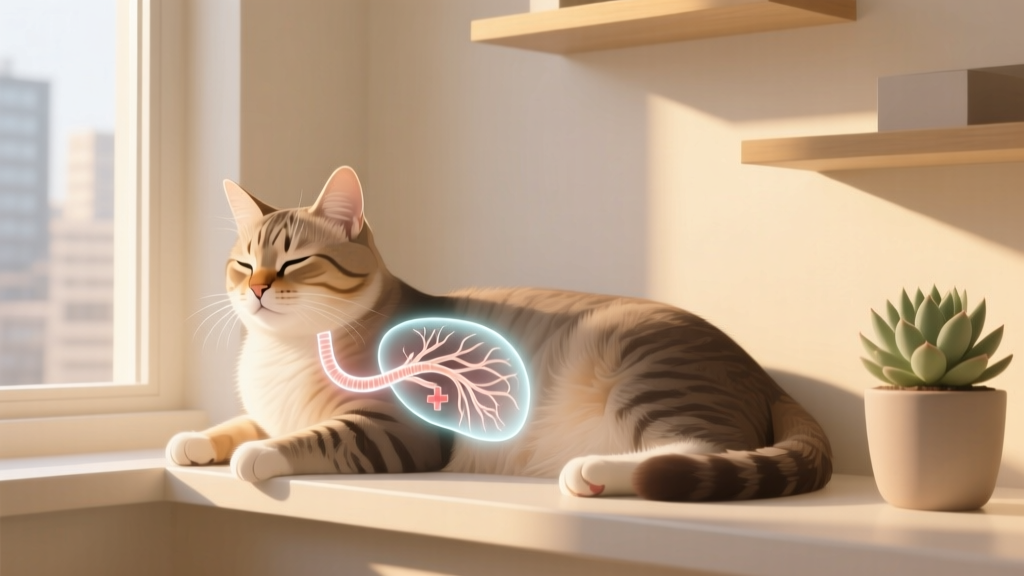
Kidney health affects nearly every part of a cat’s daily comfort—appetite, hydration, energy, coat quality, and even blood pressure. Polycystic Kidney Disease (PKD) is especially concerning because it can be inherited. That means a cat may be born with the condition long before any outward signs appear. The good news is that modern genetic testing can identify many at-risk cats early, helping you and your veterinarian plan smarter monitoring and care.
If you share your home with a Persian, Himalayan, Exotic Shorthair, or a cat with Persian ancestry, understanding PKD can help you make informed decisions about screening, breeding (if applicable), and long-term wellness.
2. Overview of PKD in plain language
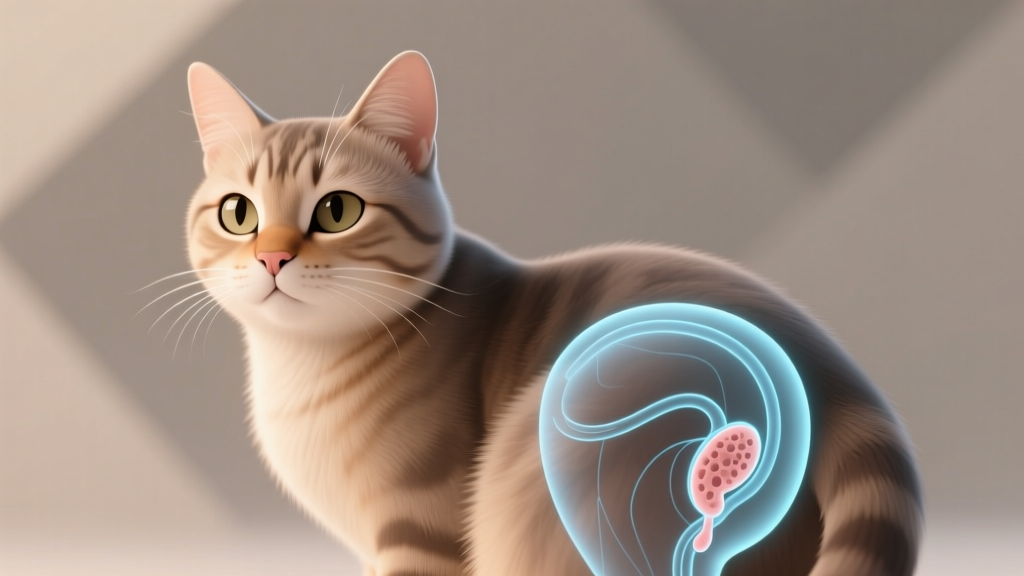
Feline Polycystic Kidney Disease is an inherited disorder where fluid-filled sacs called cysts develop inside the kidneys. Over time, cysts can:
- Increase in number and size
- Take up space that healthy kidney tissue needs
- Gradually reduce the kidney’s ability to filter waste and balance fluids
Cats with PKD are typically born with microscopic cysts. Many cats look and feel normal for years. As cysts grow, some cats develop chronic kidney disease (CKD) earlier than they otherwise would. PKD is not contagious, and you did not cause it—this is a genetic condition passed from parent to kitten.
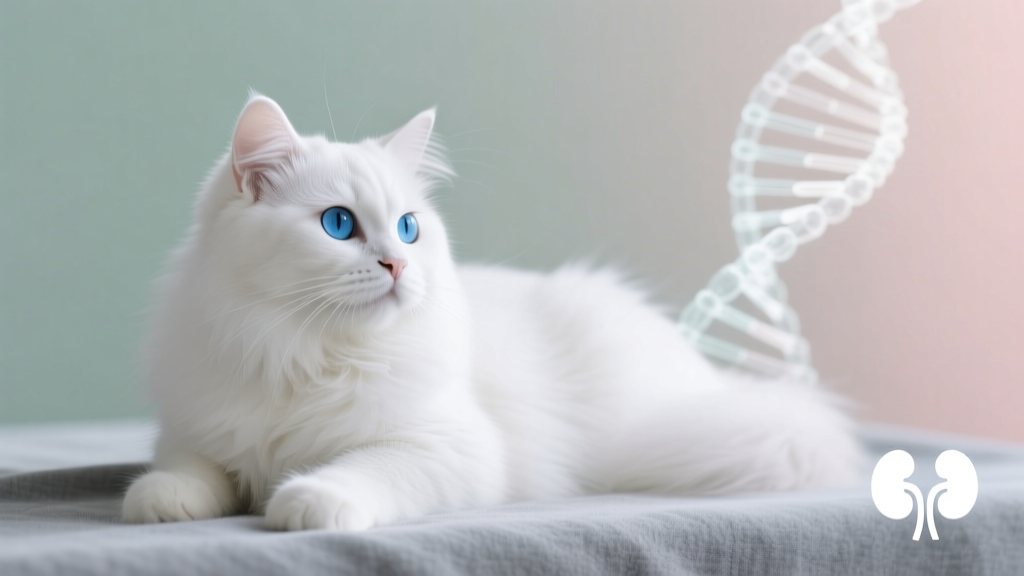
How genetics fits in: Most classic PKD in Persian-related breeds is linked to a known mutation (often called the PKD1 mutation). Genetic testing looks for that mutation using a cheek swab or blood sample. A positive result means a cat is very likely affected, even if they feel fine right now.
3. Symptoms and warning signs to watch for
Many cats with PKD have no symptoms until kidney function begins to decline. Signs can be subtle at first, so watching trends over time is helpful.
Common early warning signs:
- Drinking more water than usual
- Urination increases (bigger clumps in the litter box, more frequent trips)
- Gradual weight loss
- Reduced appetite or becoming “picky”
- Less energy, sleeping more
- Dull coat or reduced grooming
More advanced signs (often linked with kidney disease complications):
- Vomiting or nausea (lip-licking, drooling, turning away from food)
- Bad breath that smells chemical or “uremic”
- Dehydration
- Weakness, muscle loss
- Mouth ulcers
- High blood pressure signs (sudden vision issues, dilated pupils, bumping into things)
If you notice any of these changes, schedule a veterinary visit. Early evaluation often improves comfort and long-term outcomes.
4. Causes and risk factors
Cause: PKD is usually inherited as an autosomal dominant trait. In practical terms, a cat that inherits one copy of the mutation from either parent can be affected.
Higher-risk groups:
- Persian cats
- Himalayan cats
- Exotic Shorthair cats
- Mixed-breed cats with Persian ancestry (known or suspected)
- Any cat with a parent or sibling diagnosed with PKD
Other factors that influence how a cat does over time:
- Hydration habits (cats that drink poorly may show problems sooner)
- Diet quality and kidney workload
- Co-existing issues like dental disease, hyperthyroidism, or urinary tract infections
- High blood pressure
- Age (kidney function naturally declines with age, which can compound PKD)
5. Diagnosis methods and what to expect at the vet
Diagnosis typically involves a combination of history, physical exam, imaging, lab work, and (when appropriate) genetic testing. Your vet will tailor recommendations to your cat’s breed, age, and symptoms.
Genetic testing (PKD mutation test)
What it is: A DNA test that looks for the known PKD-associated mutation (commonly the PKD1 mutation in Persian-related lines).
How it’s done:
- Cheek swab (non-invasive) or blood sample
- Sent to a laboratory; results usually return within days to a couple of weeks
How to interpret results (general guidance):
- Positive: Your cat is very likely affected and may develop kidney changes over time. Your vet will recommend ongoing monitoring.
- Negative: Your cat is unlikely to have that specific mutation. Rarely, other cystic kidney conditions can still occur, so your vet may recommend ultrasound if signs suggest kidney disease.
Tip: Ask your veterinarian which lab they use and whether the test targets the mutation most relevant to your cat’s breed background.
Abdominal ultrasound
What it shows: Ultrasound can visualize kidney cysts directly. It’s a common way to confirm PKD and assess how advanced the cysts appear.
What to expect:
- Your cat may have a small patch of fur clipped on the belly
- Most cats tolerate ultrasound well; mild sedation may be offered for anxious cats
- The procedure is not painful
Blood and urine testing (kidney function and hydration status)
These tests don’t diagnose PKD by themselves, but they help determine whether the kidneys are still functioning well.
- Bloodwork: Creatinine, BUN, SDMA, phosphorus, electrolytes
- Urinalysis: Urine specific gravity, protein, evidence of infection
- Blood pressure: High blood pressure is common in kidney disease and needs active management
What you can do before the appointment
- Bring a list of symptoms and when you first noticed them
- Track water intake and litter box output if possible
- Bring the food brand/flavor information and any supplements
- Ask whether your cat should fast before bloodwork (many clinics prefer a short fast)
6. Treatment options (medical, surgical, home care)
There is no cure that removes the genetic cause of PKD. Treatment focuses on supporting kidney function, managing complications, and keeping your cat comfortable for as long as possible.
Medical management (vet-guided)
- Kidney-supportive diet: Prescription renal diets are formulated to reduce kidney workload (controlled phosphorus, adjusted protein, omega-3s). Your vet can help choose one your cat will actually eat.
- Phosphate binders: If blood phosphorus is high despite diet changes.
- Anti-nausea medications/appetite support: Helpful if appetite drops or vomiting occurs.
- Blood pressure medication: If hypertension is present.
- Subcutaneous fluids: Some cats benefit from fluids given under the skin at home to support hydration (your clinic can teach you).
- Treatment of infections: Urinary tract infections can worsen kidney stress and should be treated promptly.
Surgical or procedural options
Surgery is rarely a primary treatment for feline PKD. In specific cases, a specialist may discuss:
- Cyst drainage: Not commonly performed as a routine solution because cysts can refill and multiple cysts are often present.
- Management of severe complications: Referral to internal medicine or surgery if there are unusual findings (your vet will guide you).
Home care you can start right away
- Boost water intake: Use a water fountain, place multiple bowls, offer ice cubes, or flavor water with a small amount of tuna water (no onions/garlic, and avoid salty broths).
- Prioritize wet food: If your vet agrees, wet food increases moisture intake.
- Litter box monitoring: Notice changes in clump size, frequency, and urine odor.
- Keep stress low: Stress can reduce appetite and water intake. Maintain routine and provide quiet resting areas.
- Dental care: Oral inflammation can affect appetite and overall health. Ask about safe dental strategies for kidney patients.
Always consult your veterinarian before adding supplements, switching to a kidney diet, or starting fluids—individual needs vary based on lab results and stage of kidney function.
7. Prevention strategies and early detection tips
You can’t prevent a cat from inheriting PKD, but you can prevent a lot of suffering by catching problems early and planning proactive care.
For cat owners (non-breeding homes)
- Consider genetic testing if your cat is a high-risk breed or has unknown ancestry with Persian traits.
- Schedule baseline screening (bloodwork, urinalysis, blood pressure) as recommended by your vet—often annually for healthy adults, more often for seniors or known PKD-positive cats.
- Ask about ultrasound if your cat is at risk or if blood/urine trends are changing.
- Track at home: Monthly weights, appetite notes, and litter box patterns can catch changes early.
For breeders (or owners considering a breeder)
- Test breeding cats with a recognized PKD genetic test and/or ultrasound screening per breed recommendations.
- Avoid breeding PKD-positive cats to reduce passing the mutation to kittens.
- Request documentation of health screening from breeders before adopting a kitten.
8. Prognosis and quality of life considerations
PKD varies widely. Some cats remain stable for years with mild cysts and good kidney function. Others progress to chronic kidney disease earlier. A PKD diagnosis is not an immediate emergency by itself—it’s a reason to monitor thoughtfully and partner closely with your veterinarian.
Quality of life is the priority. Many cats with kidney disease still enjoy:
- Normal family routines
- Play sessions (at their pace)
- Comfortable naps and social time
- Good appetite with the right plan
Helpful markers to watch over time:
- Body weight and muscle condition
- Hydration and thirst patterns
- Blood pressure
- Kidney values (creatinine, SDMA, phosphorus) and urine concentration
- Interest in food, grooming, and interaction
If progression occurs, early intervention often makes cats feel better and can slow complications. Your vet may discuss staging (such as IRIS staging for kidney disease) to guide treatment decisions.
9. When to seek emergency veterinary care
Seek urgent or emergency veterinary help if your cat shows any of the following:
- Not eating for 24 hours (or significantly reduced eating for more than a day, especially in a cat with known kidney concerns)
- Repeated vomiting or inability to keep water down
- Extreme lethargy, collapse, or profound weakness
- Signs of severe dehydration (sticky gums, sunken eyes, very low urine output)
- Labored breathing
- Suspected toxin ingestion (lilies are especially dangerous to cat kidneys)
- Sudden blindness, disorientation, or stumbling (possible dangerously high blood pressure)
- Straining to urinate with little or no urine produced (could indicate urinary blockage, an emergency)
If you’re unsure, call your veterinarian or an emergency clinic. It’s always safer to ask early than to wait.
10. FAQ: Common questions about feline PKD genetic testing
1) Should every cat be tested for PKD?
Not necessarily. Testing is most useful for cats in higher-risk breeds (Persian, Himalayan, Exotic Shorthair) or cats with a known family history of PKD. If your cat is a mixed breed with no signs of kidney disease, your veterinarian may recommend routine senior screening instead of genetic testing.
2) What age should I test my cat?
Genetic testing can be done at almost any age because DNA doesn’t change. For at-risk breeds, many owners test when the cat is young so they can plan monitoring early. Your vet can advise timing based on your cat’s overall health and whether ultrasound or lab work should be done too.
3) If my cat tests positive, does that mean kidney failure is inevitable?
A positive genetic test means your cat is likely affected by PKD, but the speed of progression varies. Some cats develop significant kidney disease earlier, while others remain stable for years. Regular checkups, blood pressure monitoring, and kidney-friendly support can make a meaningful difference in comfort and longevity.
4) Is ultrasound better than a genetic test?
They answer different questions. Genetic testing identifies whether your cat carries the known mutation. Ultrasound shows whether cysts are present and can help assess their size and distribution. Many veterinarians use both—genetics for inherited risk, ultrasound for structural confirmation and staging.
5) Can diet or supplements prevent cysts from forming?
Diet and supplements cannot stop a genetically driven cyst from forming, but nutrition can support kidney function and reduce complications once kidney stress begins. Avoid starting supplements without veterinary guidance—some products can be unsafe for cats with kidney disease.
6) Can a PKD-negative cat still get kidney disease?
Yes. Cats can develop chronic kidney disease from aging, dental disease/inflammation, toxins, infections, or other medical conditions. A negative PKD genetic test reduces concern about inherited PKD, but routine wellness screening still matters, especially as cats reach middle age and beyond.
If you suspect your cat may be at risk for PKD—or you simply want a clear plan for kidney health—schedule a visit with your veterinarian. Bring questions, ask about genetic testing options, and request a monitoring schedule you can realistically follow at home.
For more caring, practical cat health guides and wellness tips, visit catloversbase.com.