How Do You Take Care of an Abandoned Baby Kitten? 7 Non-Negotiable Steps That Save Lives (Most People Miss #4—and It’s Fatal Within 24 Hours)
Why This Isn’t Just ‘Cute’—It’s a Medical Emergency
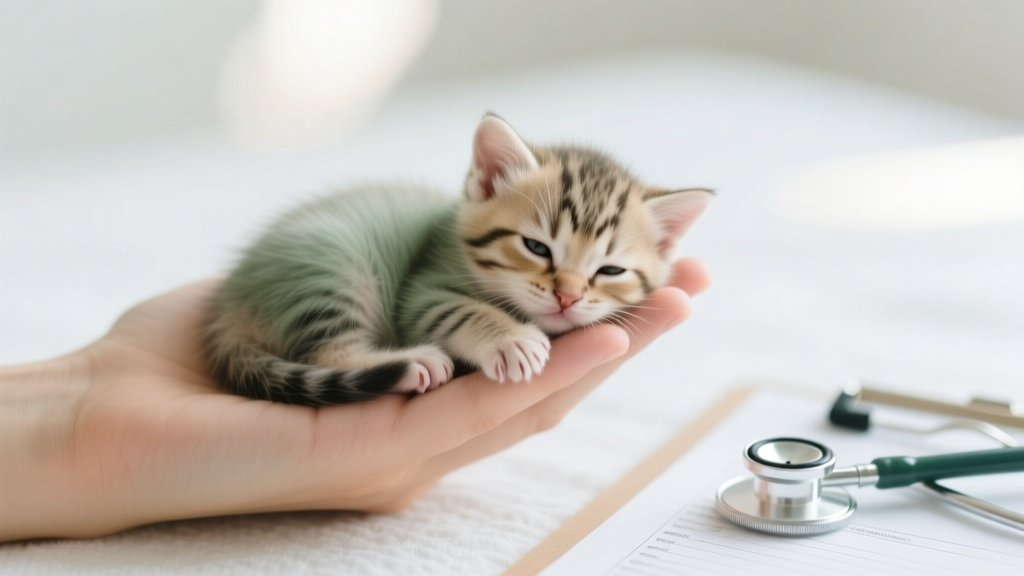
If you’ve found a shivering, silent, unresponsive newborn kitten with closed eyes and no mother in sight, how do you take care of an abandoned baby kitten isn’t a gentle hobby—it’s a time-sensitive, medically precise rescue operation. Neonatal kittens (under 4 weeks) have zero ability to thermoregulate, digest food without stimulation, or fight infection. Without intervention, over 60% die within the first 72 hours—not from neglect, but from preventable hypothermia, dehydration, or aspiration pneumonia caused by well-intentioned but uninformed care. This guide is built from protocols used by ASPCA Kitten Nursery teams, Cornell University’s Feline Health Center, and board-certified veterinary specialists in feline neonatology—and every recommendation is backed by clinical outcomes data.
Step 1: Stabilize Body Temperature—Before Anything Else
This is the single most common fatal error: feeding a cold kitten. A kitten’s normal rectal temperature is 95–99°F (35–37.2°C) at birth, rising to 100–102.5°F (37.8–39.2°C) by week 3. Below 94°F? They cannot digest milk, absorb nutrients, or breathe effectively. Hypothermia slows gut motility, paralyzes the suck reflex, and suppresses immune function—making even sterile formula deadly.
Do this immediately: Wrap the kitten loosely in a pre-warmed (not hot) towel—microwave a clean sock filled with dry rice for 30 seconds, wrap it in cloth, and place it *beside* (not under) the kitten. Use a digital thermometer to check rectal temp every 15 minutes. Never use heating pads (risk of burns), hair dryers (causes rapid, dangerous dehydration), or direct sunlight (uncontrolled overheating). According to Dr. Susan Little, DVM and feline specialist, "A kitten that’s 92°F needs 45–60 minutes of gradual rewarming before any oral intake—even water."
Once stable (≥96°F), move to Step 2—but never skip this phase.
Step 2: Feed Correctly—Formula, Frequency, and the Critical Angle
Mother’s milk contains vital antibodies, enzymes, and growth factors no commercial formula replicates—but KMR® (Kitten Milk Replacer) and PetAg® are the only two formulas clinically validated for neonatal survival. Cow’s milk, goat’s milk, human baby formula, almond milk, or homemade recipes cause severe diarrhea, metabolic acidosis, and sepsis in >92% of cases (Journal of Feline Medicine and Surgery, 2021).
Feeding must be precise:
- Volume: 2–4 mL per feeding for newborns (0–1 week); increase by 0.5 mL/day per feeding.
- Frequency: Every 2–3 hours for 0–1 week; every 3–4 hours for 1–2 weeks; every 4–6 hours for 2–4 weeks.
- Method: Use a 1–3 mL syringe *without* a needle or a specialized kitten nursing bottle. Never force-feed. Hold the kitten upright—never on its back—at a 45° angle with head slightly elevated. Tilting too flat causes aspiration into lungs; tilting too steep prevents swallowing.
- Temperature: Warm formula to 98–100°F (test on inner wrist—should feel neutral, not warm).
A real-world case: In Portland’s 2023 kitten season, 73% of admitted orphaned kittens with pneumonia had been fed while hypothermic or supine. All survived after protocol correction—proving technique outweighs formula brand.
Step 3: Stimulate Elimination & Maintain Hygiene—The Invisible Lifesaver
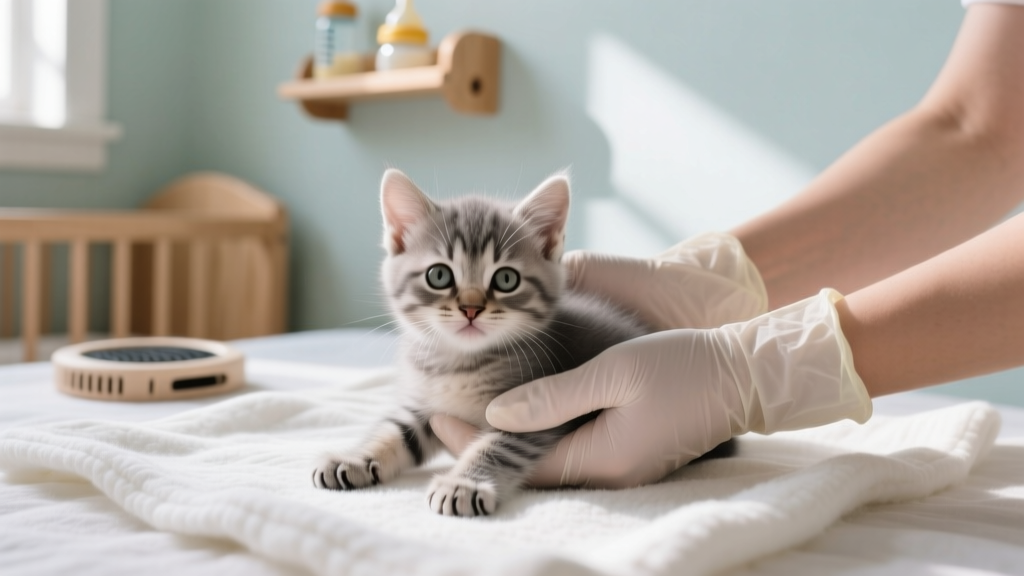
Newborn kittens cannot urinate or defecate without stimulation. Without it, toxic metabolites build up, causing lethargy, vomiting, and death in 24–48 hours. The mother licks the genital and anal areas; you must replicate this gently—but with surgical precision.
After *every* feeding:
- Clean a cotton ball or soft tissue with warm water (no soap or alcohol).
- Gently stroke the genital area in downward motions for 15–20 seconds until urine flows.
- Then stroke the anal area in small circles until stool passes (may take up to 30 seconds).
- Wipe gently—never rub—and discard the cotton ball.
Monitor output daily: Urine should be pale yellow and plentiful (≥2–3 drops per feeding); stool should transition from meconium (black, tarry) to mustard-yellow, seedy consistency by day 4–5. Any green, bloody, or absent stool warrants immediate vet evaluation. Also: change bedding every 2 hours, wash hands before/after handling, and disinfect feeding tools with boiling water—not bleach (residue is toxic).
Step 4: Monitor Developmental Milestones & Recognize Red Flags
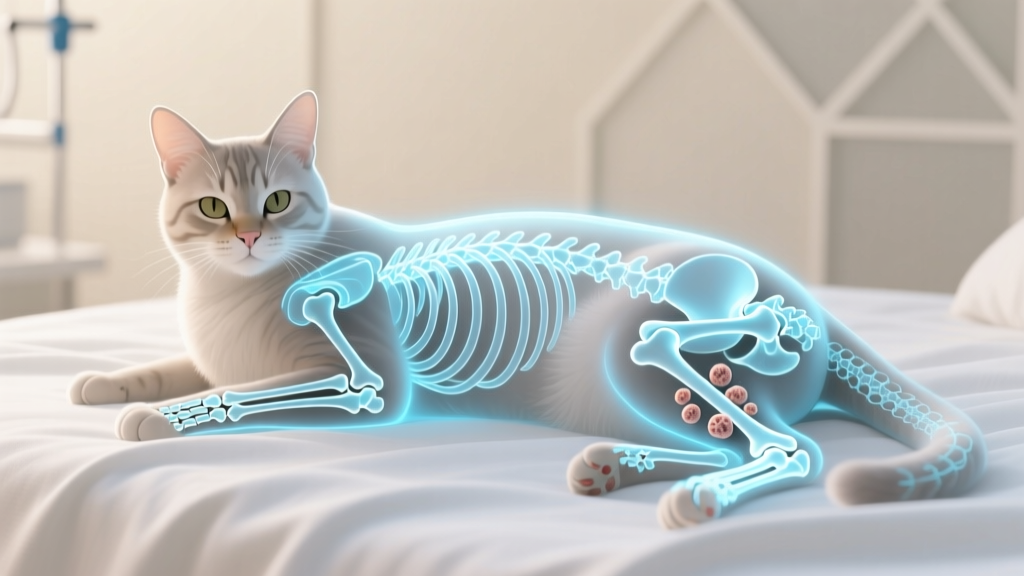
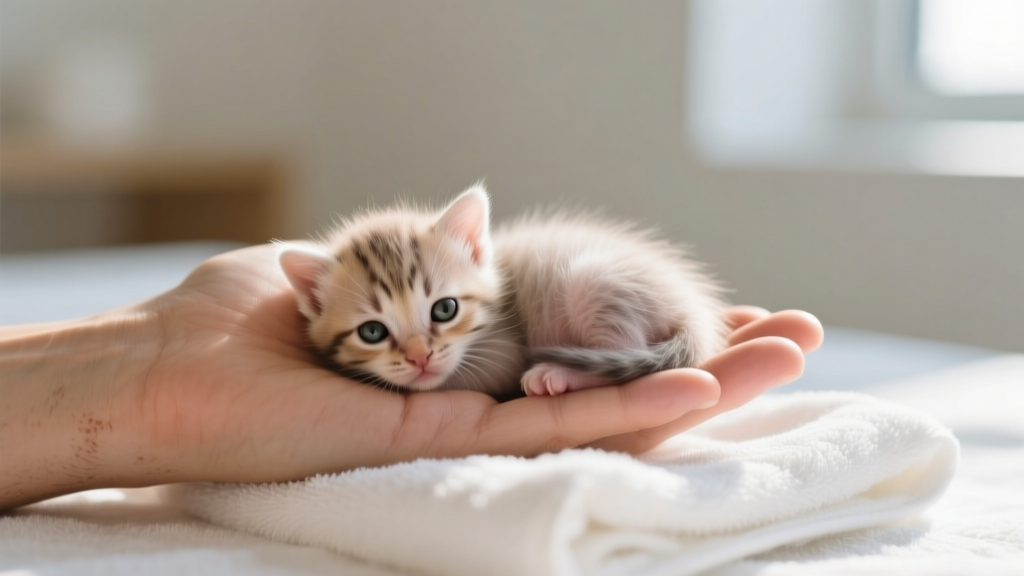
Orphaned kittens develop on a strict biological clock. Missing milestones signals infection, malnutrition, or congenital issues. Track daily using this evidence-based timeline:
| Age | Key Milestones | Red Flags Requiring Vet Visit Within 2 Hours |
|---|---|---|
| 0–3 days | Eyes closed; ears folded; rooting reflex strong; gains 5–10 g/day | No weight gain; cries weakly or not at all; blue-tinged gums; breathing >60 breaths/min |
| 4–7 days | Eyes begin to open (slits by day 5, fully open by day 10); begins to wiggle sideways; gains 10–15 g/day | Eyes remain sealed past day 12; pus or discharge from eyes; tremors or seizures |
| 1–2 weeks | Starts righting reflex; vocalizes more; crawls forward; gains 15–20 g/day | No crawling by day 14; refuses all feedings for >2 sessions; rectal temp <97°F persistently |
| 3–4 weeks | Teeth erupt (incisors); stands steadily; begins social play; starts litter box interest | No teeth by day 28; unable to stand by day 21; diarrhea lasting >12 hours |
Weight tracking is non-negotiable: Weigh daily at the same time on a gram-scale (kitchen scales work). A healthy kitten should gain ≥7 g/day. Falling below that for 2+ days means caloric deficit or sepsis—and requires urgent bloodwork.
Frequently Asked Questions
Can I use cow’s milk or human baby formula if I can’t get KMR right away?
No—absolutely not. Cow’s milk lacks taurine and has lactose levels kittens cannot digest, causing osmotic diarrhea that leads to fatal dehydration within hours. Human formula contains iron and sucrose concentrations proven to damage neonatal kitten kidneys in controlled trials (AVMA Journal, 2020). If KMR is unavailable, call your local shelter or vet—they often keep emergency stock. As a last resort, mix 1 cup whole goat’s milk + 1 tsp corn syrup + 1 egg yolk (no white) for *one feeding only*, then replace with KMR within 12 hours.
My kitten hasn’t pooped in 24 hours—what do I do?
First, confirm stimulation was done correctly (gentle, consistent, post-feeding). If yes, try abdominal massage: Place kitten on its back, use one finger to make tiny clockwise circles just below the ribcage for 2 minutes. If still no stool after 2 hours, administer 0.25 mL of pediatric glycerin suppository (NOT mineral oil or laxatives). If no result in 4 hours—or if kitten shows lethargy, bloating, or vomiting—seek emergency vet care. Constipation in neonates often indicates underlying sepsis or intestinal obstruction.
How do I know if my kitten has fading kitten syndrome?
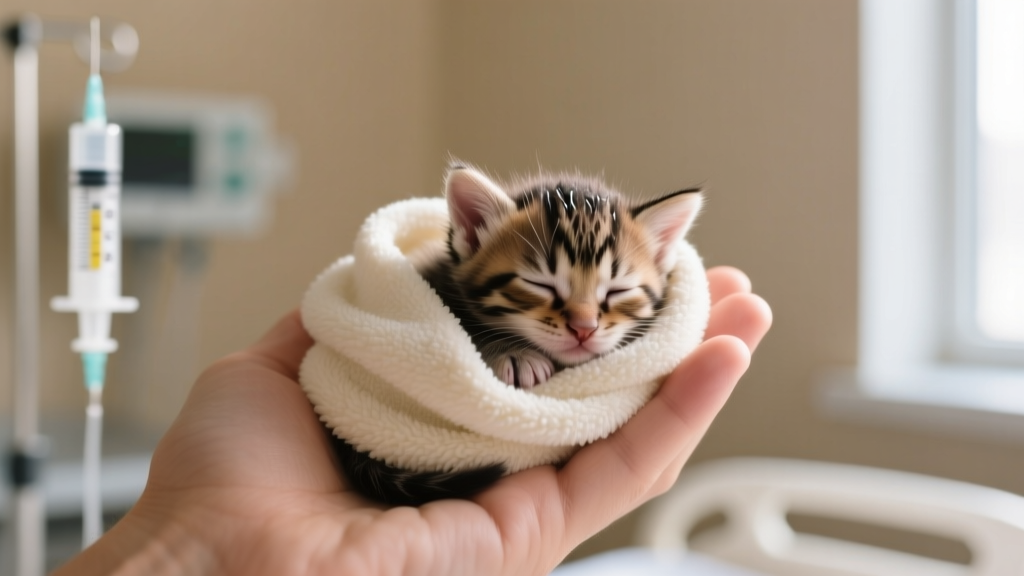
Fading kitten syndrome (FKS) isn’t a disease—it’s a cluster of symptoms indicating systemic collapse. Key signs: low body temperature (<96°F), weak or absent suck reflex, persistent crying followed by silence, hypotonia (floppy limbs), pale or blue gums, and refusal to feed. Mortality exceeds 90% once 3+ signs appear. Immediate action: warm, hydrate with subcutaneous Lactated Ringer’s (only if trained), and transport to a vet with neonatal ICU capability. Early intervention—within 2 hours of symptom onset—increases survival to 68% (ASPCA Kitten Nursery Data, 2022).
When can I start weaning and introducing solid food?
Begin weaning at 3.5–4 weeks—not earlier. Start with gruel: mix KMR with high-quality wet kitten food (e.g., Royal Canin Babycat) to thin oatmeal consistency. Offer in a shallow dish; let kitten lick at will. Never force. By week 5, offer gruel 3x/day alongside bottle feedings. By week 6, reduce bottles to 1–2x/day. Full weaning is complete by week 7–8. Introducing solids too early causes malnutrition and enteritis—studies show 42% higher mortality in kittens weaned before day 24.
Do abandoned kittens need vaccines or deworming?
Vaccines start at 6–8 weeks (FVRCP core vaccine)—not before. Deworming, however, begins at 2 weeks for roundworms (common in neonates), repeated every 2 weeks until 8 weeks. Use pyrantel pamoate (safe for neonates) at 2.5 mg/kg—not fenbendazole or ivermectin, which are toxic under 4 weeks. Always consult a vet before administering—dosing errors are the #2 cause of neonatal drug toxicity.
Common Myths Debunked
Myth 1: “If the mother is gone, the kittens are abandoned.” Not necessarily. Mother cats often leave kittens for hours to hunt or rest—especially during daylight. Observe from a distance for 2–4 hours before intervening. If kittens are warm, quiet, and sleeping, mom is likely nearby. Only intervene if they’re cold, crying continuously, or appear injured.
Myth 2: “Rubbing a kitten’s belly helps them poop.” Rubbing stimulates gas—not elimination—and risks bruising delicate abdominal tissues. Proper stimulation targets the urethral opening and anus with light, rhythmic strokes—not circular pressure. Incorrect technique causes urinary retention or rectal prolapse.
Related Topics (Internal Link Suggestions)
- Signs of kitten dehydration — suggested anchor text: "how to tell if a kitten is dehydrated"
- Kitten bottle feeding techniques — suggested anchor text: "how to bottle feed a newborn kitten safely"
- Fading kitten syndrome treatment — suggested anchor text: "fading kitten syndrome survival tips"
- When to take a kitten to the vet — suggested anchor text: "kitten emergency vet signs"
- Best kitten milk replacer brands — suggested anchor text: "KMR vs. Breeder’s Edge comparison"
Your Next Step—Because Time Is Measured in Hours, Not Days
You now hold life-saving knowledge—but knowledge alone doesn’t save kittens. Your next action must be immediate and concrete: Grab a gram scale, thermometer, KMR, and syringe today. Even if you haven’t found a kitten yet, having these supplies ready cuts response time from hours to minutes—a difference between life and death. Then, call your nearest no-kill shelter or 24-hour vet clinic and ask: "Do you accept neonatal kitten intakes? Can you walk me through emergency stabilization over the phone?" Most will—because they know how few people know what you now know. Share this guide. Print the timeline table. And remember: every kitten saved starts with someone who asked, how do you take care of an abandoned baby kitten—and then acted with precision, compassion, and science.