Cat Pyothorax: Pus in the Chest Cavity Emergency
1. Introduction: Why Pyothorax Matters to Cat Owners
Breathing problems in cats can change from “a little off” to life-threatening quickly. Pyothorax is one of the most serious causes because it involves infection and pus building up in the space around the lungs. When that space fills with fluid, the lungs can’t expand normally, and your cat has to work much harder just to breathe.
The good news is that many cats do recover with prompt veterinary care. Knowing the early warning signs and what to do next can make a major difference. This guide explains pyothorax in clear, practical terms—what it is, what causes it, what the vet will do, and how you can support your cat at home during recovery.
2. Overview: What Is Pyothorax (in Plain Language)?
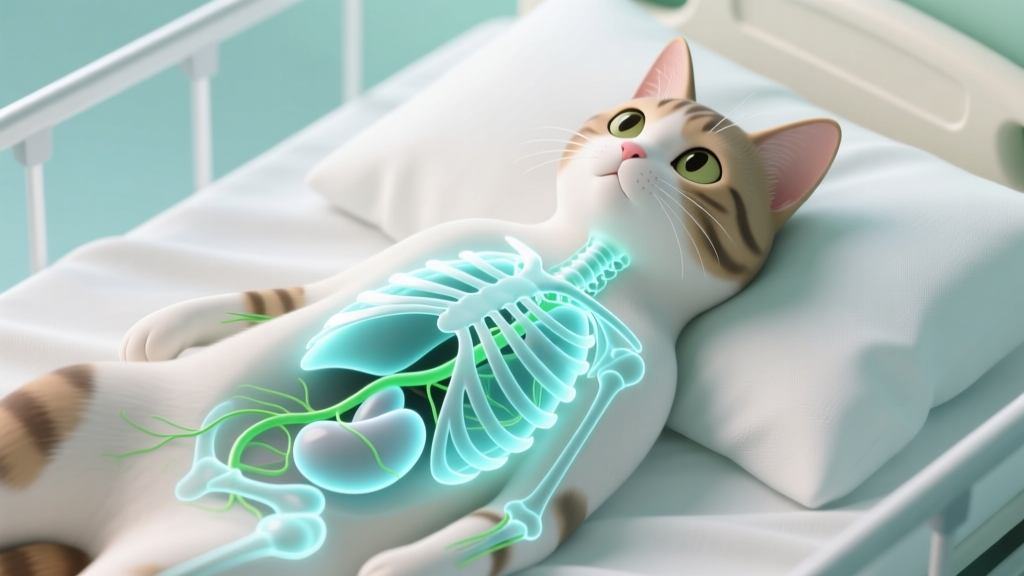
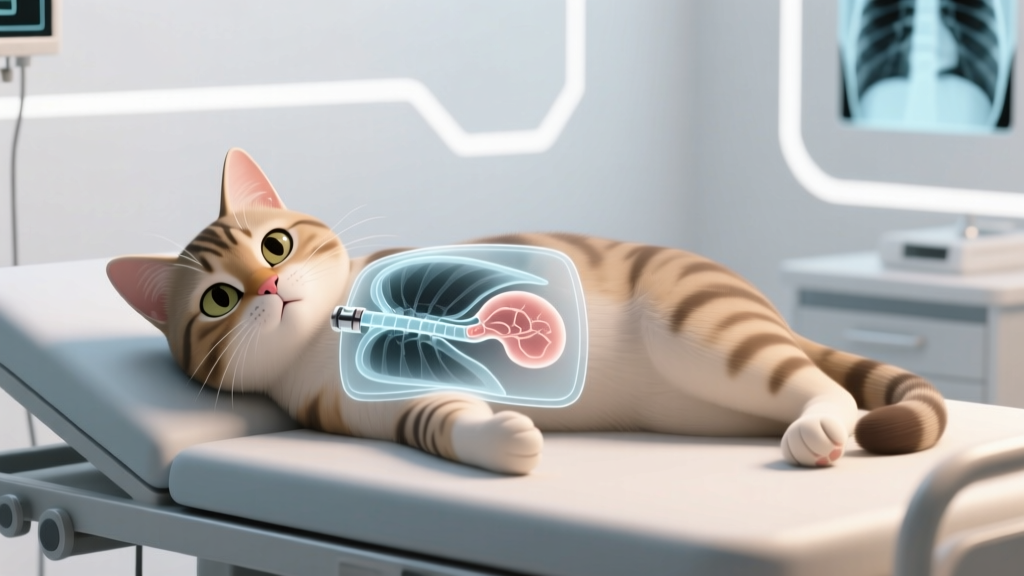
Pyothorax (also called septic pleural effusion or pleural empyema) means pus in the pleural space, the thin “potential space” between the lungs and the chest wall. Normally, this space contains only a tiny amount of lubricating fluid so the lungs can glide smoothly as your cat breathes.
In pyothorax, bacteria (and sometimes other organisms) infect that space. The body responds by sending immune cells, producing inflammatory fluid, and forming pus. As the infected fluid accumulates, it:
- Compresses the lungs so they can’t fully expand
- Reduces oxygen intake, causing weakness and rapid breathing
- Triggers fever and systemic illness as the infection spreads
Pyothorax is considered an emergency because cats have limited respiratory “reserve.” They can compensate for a while, then suddenly become unstable.
3. Symptoms and Warning Signs to Watch For
Cats tend to hide illness, so subtle changes matter. Pyothorax signs often relate to breathing and overall comfort.
Common signs
- Fast breathing (increased respiratory rate at rest)
- Increased effort to breathe (belly moving more, chest heaving)
- Open-mouth breathing (always abnormal in a resting cat)
- Lethargy or reluctance to move
- Decreased appetite or refusing food
- Fever (may feel warm; not always obvious)
- Coughing (less common in cats than dogs; may be absent)
- Weight loss if the condition has been developing for days to weeks
Red flags that should prompt urgent care
- Breathing rate over 40 breaths per minute at rest (many healthy cats are ~15–30)
- Breathing with neck stretched out or elbows held away from the body
- Blue/gray gums or tongue
- Collapse, extreme weakness, or inability to settle
A quick at-home check you can do today
When your cat is asleep or calmly resting, count breaths for 30 seconds (one breath = chest rises and falls once), then multiply by 2. Record the number. If your cat is consistently elevated or suddenly rising compared to their normal, call your veterinarian.
4. Causes and Risk Factors
Pyothorax happens when bacteria gain access to the pleural space. Sometimes the source is clear; other times it’s never definitively identified.
Common causes
- Bite wounds and penetrating injuries: Outdoor cats are at higher risk. A small puncture to the chest wall may seal over but introduce bacteria.
- Migrating foreign material: Grass awns or plant material can be inhaled or enter through the mouth/throat and migrate into tissues, carrying bacteria.
- Spread from pneumonia or lung infection: Infection may extend into the pleural space.
- Esophageal tears or perforations (less common): Can allow bacteria into the chest cavity.
- Blood-borne infection: Rarely, bacteria spread through the bloodstream and seed the pleura.
Risk factors
- Outdoor access (fights, hunting, puncture injuries)
- Multi-cat households with fighting or territorial behavior
- Recent respiratory illness or aspiration events (vomiting then inhaling material)
- Immunosuppression (certain medications or underlying disease)
5. Diagnosis: What to Expect at the Vet
Because breathing is the immediate concern, your veterinary team may focus on stabilizing your cat first, then completing diagnostics. This is normal and often lifesaving.
Initial assessment and stabilization
- Oxygen support (oxygen cage, mask, or nasal oxygen)
- Gentle handling to reduce stress and oxygen demand
- Quick physical exam: listening to chest sounds; muffled lung sounds can occur when fluid surrounds the lungs
Key diagnostic tests
- Chest imaging:
- X-rays can show pleural fluid and compressed lungs.
- Ultrasound helps confirm fluid and can guide safe sampling/drainage.
- Thoracocentesis (chest tap): A needle is used to remove fluid from the pleural space. This often improves breathing quickly and provides a sample for testing.
- Fluid analysis:
- Microscopic exam to confirm pus and bacteria
- Culture and sensitivity to identify the bacteria and choose the best antibiotic
- Bloodwork: checks hydration, organ function, inflammation, and infection indicators.
- Additional tests (case-dependent): CT scan, bronchoscopy, or testing for underlying diseases if the cause isn’t clear or if response to therapy is slow.
If your cat is struggling to breathe, your vet may recommend draining the chest before taking X-rays. Stabilization comes first.
6. Treatment Options (Medical, Surgical, and Home Care)
Pyothorax treatment usually involves three main goals: remove infected fluid, control infection, and support breathing and recovery. Many cats require hospitalization.
Medical treatment
- Chest drainage:
- Some cats improve with repeated thoracocentesis.
- Many do best with a thoracostomy tube (a soft chest tube) to allow ongoing drainage and sometimes gentle flushing of the pleural space.
- Antibiotics:
- Started promptly, often before culture results, then adjusted based on sensitivity testing.
- Usually continued for weeks, not days.
- Pain control: Breathing effort and chest procedures can be uncomfortable; appropriate pain relief helps recovery.
- IV fluids and supportive care: Correct dehydration, maintain blood pressure, and support organ function.
- Nutritional support: Appetite often drops; assisted feeding or appetite support may be recommended.
Surgical treatment
Surgery isn’t needed for every cat, but it can be life-saving when there is:
- A foreign body (such as plant material) suspected or identified
- A lung abscess, persistent pocketing of infected material, or severe adhesions
- Poor response to drainage and antibiotics
Surgical options may include exploratory surgery, removal of infected tissue, breaking down adhesions, and thorough lavage (washing) of the chest cavity. Your veterinarian may refer you to a specialty hospital for advanced imaging or surgery.
Home care after hospitalization
Once your cat is stable enough to go home, your role becomes very important. Practical steps:
- Give all medications exactly as prescribed, especially antibiotics. Stopping early is a common reason infections return.
- Create a calm recovery space: warm, quiet room; low dust; easy access to food/water/litter.
- Monitor breathing daily using a resting respiratory rate log.
- Encourage eating:
- Offer warmed canned food, strong-smelling foods, or vet-recommended recovery diets.
- Ask your vet before using appetite stimulants or supplements.
- Limit activity until cleared—no strenuous play or stairs if your vet advises restriction.
- Watch the incision/chest tube site (if applicable) for swelling, discharge, or odor, and report changes promptly.
7. Prevention Strategies and Early Detection Tips
Not all cases are preventable, but you can reduce risk and catch problems early.
Prevention
- Keep cats indoors or provide supervised outdoor time (catio, harness). This reduces fights, bite wounds, and penetrating injuries.
- Address cat-to-cat conflict in multi-cat homes: adequate resources (multiple litter boxes, feeding stations), behavior support, and safe separation when needed.
- Treat wounds promptly: any puncture wound, swelling, or pain after a scuffle warrants a veterinary check.
- Dental/oral care: while not a direct cause in most cases, reducing bacterial load and inflammation supports overall health.
Early detection habits
- Know your cat’s normal resting breathing rate and recheck if they seem “off.”
- Pay attention to subtle signs: hiding, decreased appetite, less grooming, or sitting in a hunched position.
- Schedule vet visits early when appetite or energy changes persist beyond 24 hours, especially with any breathing changes.
8. Prognosis and Quality of Life Considerations
Prognosis depends on how quickly treatment begins, how much fluid is present, the bacteria involved, and whether there is an underlying problem like a foreign body or lung disease. Many cats recover well when:
- They receive rapid drainage and appropriate antibiotics
- Owners can provide consistent medication and follow-up care
- Complications (adhesions, persistent infection, sepsis) are identified early
Recovery can take time. It’s common for follow-up visits to include repeat chest imaging and bloodwork to confirm the infection is truly resolved. Quality of life after recovery is often excellent, and many cats return to normal activity.
9. When to Seek Emergency Veterinary Care
Contact an emergency veterinarian immediately if you see:
- Open-mouth breathing or panting at rest
- Labored breathing (noticeable effort, belly breathing, flared nostrils)
- Blue/gray gums or tongue
- Collapse, severe weakness, or inability to stand
- Resting respiratory rate consistently over 40, especially if rising
Transport tip: Keep your cat calm and warm, use a secure carrier, and avoid forcing them to lie down if they prefer sitting upright. Call ahead so the clinic can be ready with oxygen support.
10. FAQ: Common Questions Cat Owners Ask
Can pyothorax go away on its own?
No. Pyothorax involves infection and pus in the chest cavity, which typically worsens without drainage and antibiotics. Delaying care can make treatment more complicated and risky. If you suspect breathing trouble, consult a veterinarian right away.
Is pyothorax contagious to other cats (or people)?
Pyothorax itself isn’t considered contagious in the household sense. It’s usually caused by bacteria introduced through a wound or spread from an individual cat’s infection. Basic hygiene is still wise—wash hands after handling medications, drainage sites, or soiled bedding.
How long will my cat need antibiotics?
Many cats need antibiotics for several weeks. The exact duration depends on culture results, response to therapy, and follow-up imaging. Give every dose as directed and don’t stop early unless your veterinarian instructs you to.
Will my cat need a chest tube?
Some cats improve with one-time or repeated needle drainage, but a chest tube is common when fluid re-accumulates quickly or when continuous drainage is needed. Your vet will recommend the safest option based on breathing status, imaging, and fluid volume.
What does recovery look like at home?
Expect a quieter, slower period. Your cat may nap more and have a gradually returning appetite. Daily breathing-rate checks, strict medication routines, and scheduled rechecks are the best ways to support healing. Call your vet if breathing worsens, appetite drops again, or energy suddenly declines.
Could this happen again?
Recurrence is possible, especially if the underlying cause wasn’t identified (like a hidden foreign body) or if antibiotics were stopped too soon. Keeping follow-up appointments and completing treatment greatly lowers the risk.
If your cat shows any signs of breathing difficulty, contact a veterinarian immediately—professional care is always the safest path with respiratory emergencies. For more cat health guides, prevention tips, and supportive care advice, visit catloversbase.com.