How to Take Care of a Kitten Without Its Mom: The Critical First 72 Hours (What Most People Get Wrong — And How to Save Its Life)
Why This Matters More Than You Think — Right Now
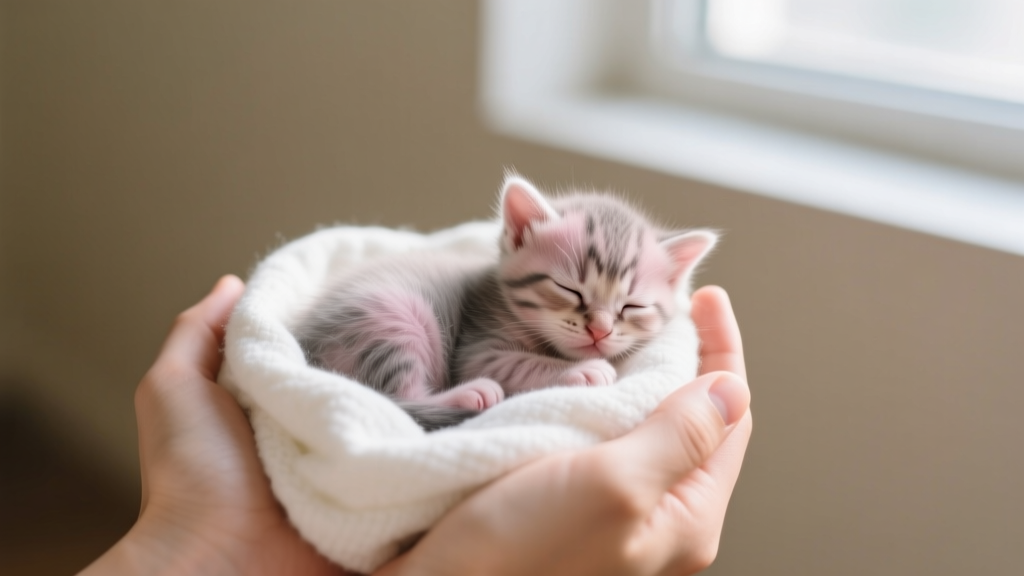
If you’ve just found or adopted a tiny, shivering, unresponsive kitten with no mother in sight, how to take care of a kitten without its mom isn’t just helpful advice — it’s an immediate, time-sensitive health intervention. Kittens under four weeks old lack the ability to regulate their own body temperature, digest food independently, or eliminate waste without stimulation — and without maternal care, mortality rates exceed 60% within the first 72 hours if critical needs aren’t met precisely. This isn’t exaggeration; it’s confirmed by the American Veterinary Medical Association (AVMA) and shelter medicine studies from UC Davis. In this guide, you’ll get not just steps — but the *why*, the *when*, and the *what-if* behind every action, grounded in neonatal feline physiology and real-world rescue experience.
1. The First 24 Hours: Stabilization Is Survival
Before feeding or cuddling, your priority is stabilization. A hypothermic kitten (body temp <99°F / 37.2°C) cannot digest formula — and attempting to feed it may cause aspiration pneumonia or fatal regurgitation. Dr. Sarah Wooten, DVM and clinical advisor for the Winn Feline Foundation, stresses: “Warming comes before everything else — even before milk. A cold kitten is a non-absorbing kitten.”
Here’s how to act:
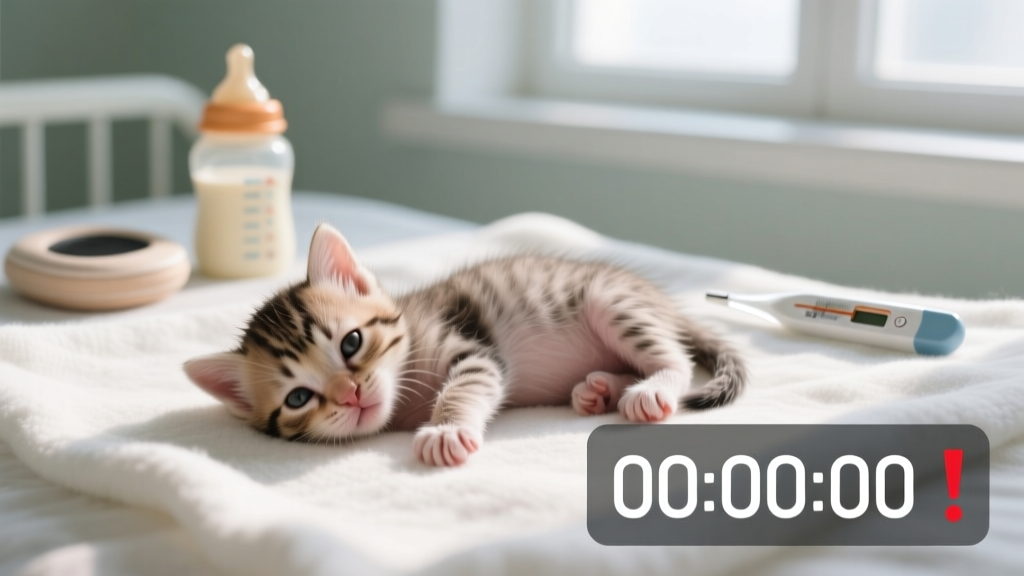
- Assess temperature safely: Use a digital rectal thermometer (lubricated with water-based lube) — never oral or ear. Normal range: 99–102°F (37.2–38.9°C). Below 97°F? Immediate warming required.
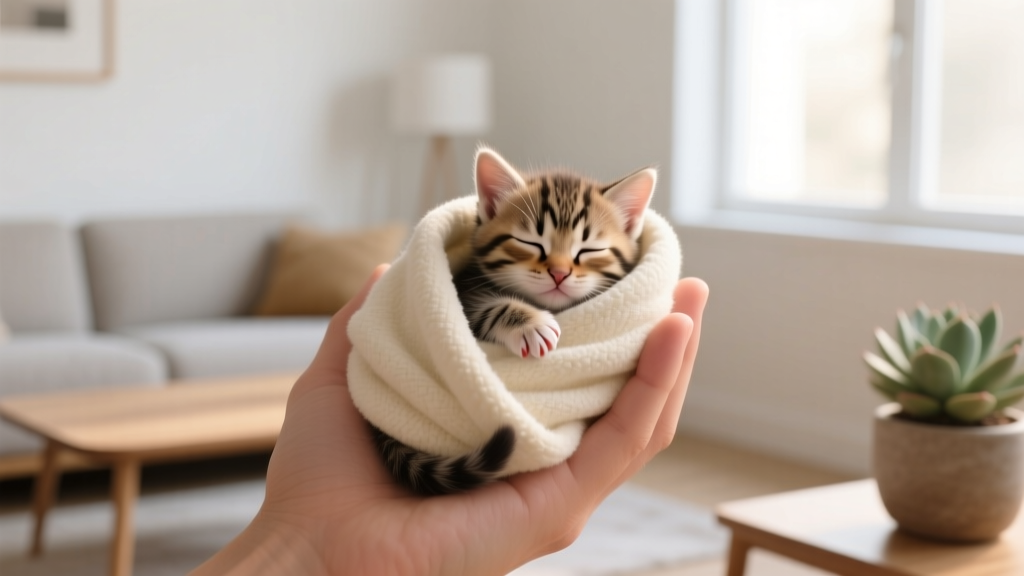
- Warm gradually: Never use heating pads (risk of burns) or hot water bottles (too intense). Instead, wrap a microwavable rice sock (heated 20 sec, tested on inner wrist) in two layers of thin towel, place it beside — not under — the kitten in a small box. Add a soft fleece blanket. Monitor every 10 minutes.
- Hydration check: Gently pinch the skin at the scruff. If it stays tented >2 seconds, dehydration is severe. Offer unflavored Pedialyte (diluted 50/50 with warm water) via syringe (0.25–0.5 mL every 15 min) — only after warming begins.
- Stimulation protocol: Every 2–3 hours (including overnight), gently rub the genital and anal area with warm, damp cotton ball or soft tissue for 60–90 seconds until urine/feces pass. This mimics the mother’s licking — and prevents toxic buildup. Miss one session? Risk of urinary retention rises sharply.
A real-world example: Luna, a 10-day-old orphaned tabby found in a garage, was brought to a foster home at 94.8°F. Her foster warmed her for 90 minutes before giving her first formula feeding — and she passed her first stool only after 3 rounds of stimulation. That delay nearly caused sepsis. Timing isn’t optional — it’s physiological necessity.
2. Feeding: Formula, Frequency, and the Fatal Mistakes
Human baby formula, cow’s milk, goat’s milk, or almond milk are all dangerous — they cause severe diarrhea, dehydration, and metabolic imbalances. Neonatal kittens require species-specific nutrition that matches their high protein (34–36%), moderate fat (45–50%), and low lactose profile. According to Dr. Linda Lord, epidemiologist at Ohio State’s College of Veterinary Medicine, “Kittens fed cow’s milk develop osmotic diarrhea within 12 hours — leading to rapid electrolyte loss and shock.”
Use only commercial kitten milk replacer (KMR) or similar veterinary-grade formulas (e.g., Breeder’s Edge, Just Born). Prepare fresh daily, refrigerate unused portions ≤24 hrs, and warm to 98–100°F (test on wrist — should feel neutral, not warm).
Feeding schedule by age (based on UC Davis Shelter Medicine guidelines):
| Age | Formula Amount per Feeding | Frequency | Key Developmental Notes |
|---|---|---|---|
| 0–1 week | 2–6 mL per feeding | Every 2–3 hours (10–12x/day) | Eyes closed; rely entirely on touch/taste; weight gain target: 7–10 g/day |
| 1–2 weeks | 5–10 mL per feeding | Every 3–4 hours (8–10x/day) | Eyes begin opening (days 7–14); start gentle handling to build neural pathways |
| 2–3 weeks | 8–15 mL per feeding | Every 4–5 hours (6–8x/day) | Ears fully open; begin righting reflex; introduce shallow dish for lapping practice |
| 3–4 weeks | 10–18 mL per feeding | Every 5–6 hours (5–6x/day) | Start weaning: mix formula with gruel (KMR + wet kitten food); introduce litter box with non-clumping sand |
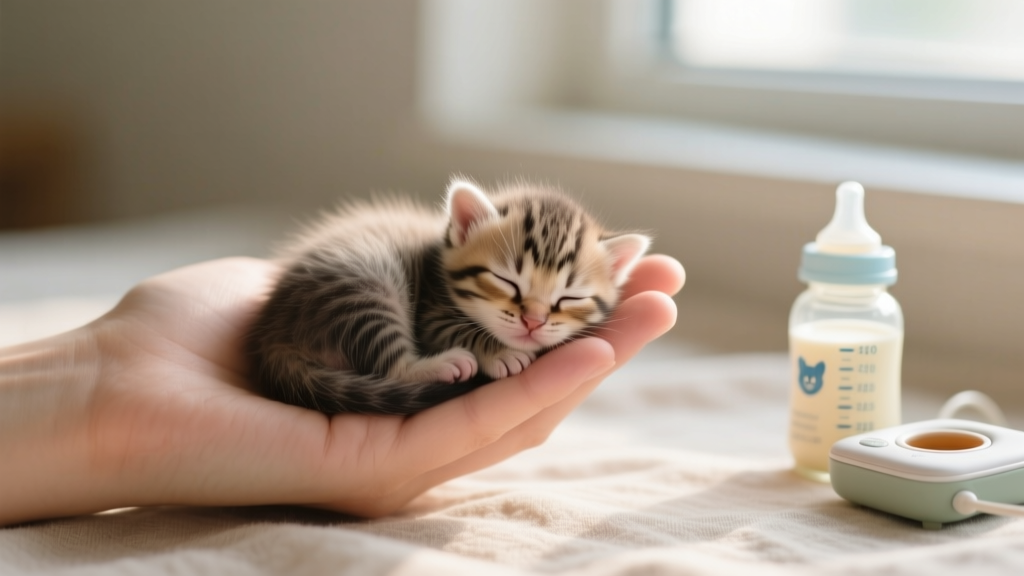
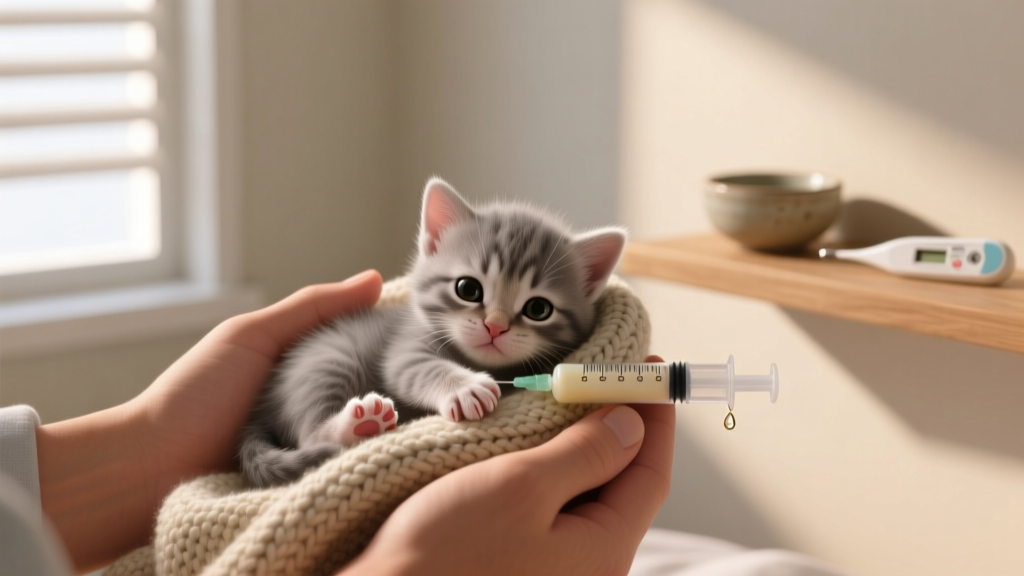
Feeding technique matters as much as volume. Hold kitten upright (never on back — risk of aspiration), use a 1–3 mL syringe or bottle with ultra-fine nipple (e.g., Miracle Nipple), and let them suckle at their pace. If formula drips from nose or mouth, stop immediately — you’re overfeeding or positioning incorrectly. Burp gently after each feeding by holding upright and patting softly.
3. Health Monitoring & When to Rush to the Vet
Orphaned kittens don’t show illness like adults — they decline silently and rapidly. What looks like “sleepiness” may be lethargy from sepsis. What seems like “refusing food” may be early signs of feline panleukopenia or congenital heart defects. Track these five vital signs daily (use a baby scale — accuracy to 1g matters):
- Weight: Must gain ≥7g/day. No gain for 24 hrs = red flag. Loss >10% body weight = ER visit.
- Stool consistency: Should be soft, mustard-yellow, and formed. Green, watery, or bloody stool signals infection or formula intolerance.
- Urine color: Pale yellow = hydrated. Dark yellow or orange = dehydration or liver stress.
- Respiratory rate: Normal: 20–30 breaths/min while resting. Open-mouth breathing, wheezing, or nasal discharge = urgent vet consult.
- Response to stimulation: By day 10, should root toward warmth/touch. No response = neurological concern.
According to the ASPCA’s Kitten Care Manual, 42% of neonatal kitten deaths in foster homes occur between days 3–7 — often due to undetected upper respiratory infections (URIs) or failure-to-thrive syndrome. If you notice any of these, contact a veterinarian *immediately* — do not wait: persistent crying, refusal to eat for >2 feedings, cold extremities despite warming, seizures, or inability to hold head up.
Pro tip: Keep a “kitten log” — simple notebook or spreadsheet tracking time, amount fed, stool/urine notes, weight, and temperature. It’s invaluable for vets — and helps you spot subtle trends before crisis hits.
4. Socialization, Environment & Long-Term Well-Being
Caring for a kitten without its mom extends far beyond physical survival — it’s about wiring its brain for lifelong trust and resilience. The critical socialization window closes at 7 weeks. Without maternal modeling and littermate interaction, orphaned kittens are at higher risk for fear-based aggression, inappropriate suckling (on blankets or fingers), and separation anxiety.
Here’s your evidence-backed plan:
- Days 1–14: Focus on bonding — hold 2–3x/day for 15 min (skin-to-skin contact boosts oxytocin and stabilizes heart rate). Introduce gentle sounds (soft music, vacuum at distance) and varied textures (fleece, crinkle paper, smooth tile).
- Days 14–21: Begin litter training with shallow tray filled with non-clumping, unscented litter. Place kitten in tray after every feeding and stimulation session. Reward with soft praise — never punishment.
- Days 21–28: Introduce safe play: feather wands, rolling balls, and supervised interaction with calm adult cats (if available). Avoid rough handling — kneading and biting are normal; redirect to toys, don’t scold.
- After 4 weeks: Start weaning onto high-quality wet kitten food mixed with formula. Transition fully by week 6–7. Schedule first vet visit (including fecal exam, deworming, and initial vaccines) at 6 weeks — earlier than standard protocols due to higher pathogen exposure risk.
Case study: Milo, a 3-week-old orphan, was initially fearful of hands. His foster used “hand targeting” — offering a finger for him to sniff and bat at, then rewarding with a lick of formula. Within 5 days, he’d nuzzle palms voluntarily. This kind of structured, positive reinforcement builds secure attachment — something no bottle can replace.
Frequently Asked Questions
Can I use regular cow’s milk or soy milk if I can’t find kitten formula?
No — absolutely not. Cow’s milk contains lactose and proteins (casein, whey) that kittens cannot digest, causing explosive diarrhea, dehydration, and metabolic acidosis within hours. Soy milk lacks taurine and has phytoestrogens that disrupt development. In emergencies, use unflavored Pedialyte (diluted 50/50) for hydration only — and source proper formula within 12 hours. Local rescues, vets, or Petco/Petsmart often stock KMR or can direct you to suppliers.
How do I know if my kitten is constipated — and what should I do?
Constipation is common in orphans. Signs include straining >2 minutes during stimulation, hard/dry stools, or no stool for >24 hours (after day 3). First, increase hydration: offer 0.2 mL Pedialyte before formula. Gently massage abdomen clockwise for 30 seconds before stimulation. If no relief in 12 hours, consult a vet — mineral oil or laxatives are unsafe without dosing guidance. Never use human laxatives.
Do orphaned kittens need vaccinations earlier than usual?
Yes. Because they lack maternal antibodies (which normally protect for 6–12 weeks), orphaned kittens are vulnerable from day one. The AAHA Feline Vaccination Guidelines recommend starting core vaccines (FVRCP) at 6 weeks — not 8 — and repeating every 3–4 weeks until 16 weeks. Your vet should also test for FeLV/FIV at 8 weeks (maternal antibodies won’t interfere by then) and deworm aggressively (every 2 weeks until 12 weeks old).
My kitten cries constantly — is that normal?
Some crying is expected — especially during hunger or stimulation. But constant, high-pitched, or weak mewling signals distress: hypothermia, pain, dehydration, or infection. Rule out physical causes first (temp, weight, stool, hydration). If all checks out, provide consistent warmth, rhythmic rocking, and white noise (like a heartbeat app) — mimicking uterine environment. Persistent crying beyond 48 hours warrants vet evaluation.
When can I start introducing solid food — and what kind?
Begin gruel (KMR + high-moisture kitten pate) at 3 weeks. Mix to oatmeal consistency. Offer in shallow dish; dip finger in gruel and let kitten lick. By 4 weeks, most will lap willingly. Transition fully to wet food by 6–7 weeks. Avoid dry kibble before 8 weeks — immature teeth and kidneys can’t handle it. Choose grain-free, high-protein formulas with added taurine and DHA.
Common Myths About Orphaned Kitten Care
Myth #1: “Just keep the kitten warm and feed it — it’ll be fine.”
Reality: Warming and feeding are necessary but insufficient. Without precise stimulation, hydration monitoring, weight tracking, and early socialization, even well-fed kittens fail to thrive. Studies show 30% of deaths in orphaned kittens stem from unrecognized dehydration or urinary retention — not starvation.
Myth #2: “If it’s sleeping a lot, it’s healthy.”
Reality: Neonates sleep deeply — but excessive lethargy (no rooting, limp posture, unresponsiveness to touch) is a late sign of sepsis or hypoglycemia. Healthy kittens stir, stretch, and root between sleeps. If it’s “too quiet,” check temperature and glucose — and call your vet.
Related Topics (Internal Link Suggestions)
- Kitten Weaning Timeline — suggested anchor text: "how to wean a kitten from bottle to solid food"
- Signs of Kitten Dehydration — suggested anchor text: "kitten dehydration symptoms and treatment"
- Best Kitten Milk Replacers — suggested anchor text: "top vet-recommended kitten formula brands"
- Kitten Vaccination Schedule — suggested anchor text: "orphaned kitten vaccine timeline"
- Introducing Kittens to Other Pets — suggested anchor text: "how to safely introduce a kitten to dogs or cats"
Your Next Step — And Why It Can’t Wait
You now hold the knowledge that separates survival from tragedy for a fragile life. But knowledge alone isn’t enough — action is. Print the feeding schedule table. Grab a digital scale and thermometer today. Call your local rescue or vet to confirm KMR availability. Every hour counts in those first three days — and your calm, informed presence is the single greatest predictor of success. If you’re fostering, reach out to organizations like Kitten Lady’s network or Alley Cat Allies for live support. If you’re a new owner, book that first vet visit *before* bringing the kitten home. This isn’t just care — it’s stewardship. And the kitten in your hands? It’s already trusting you with its life.