How to Take Care of a Spayed Kitten: The 7-Day Recovery Checklist Every New Owner Misses (And Why Skipping Day 3 Could Cause Complications)
Why Your Spayed Kitten’s First Week Is More Critical Than You Think
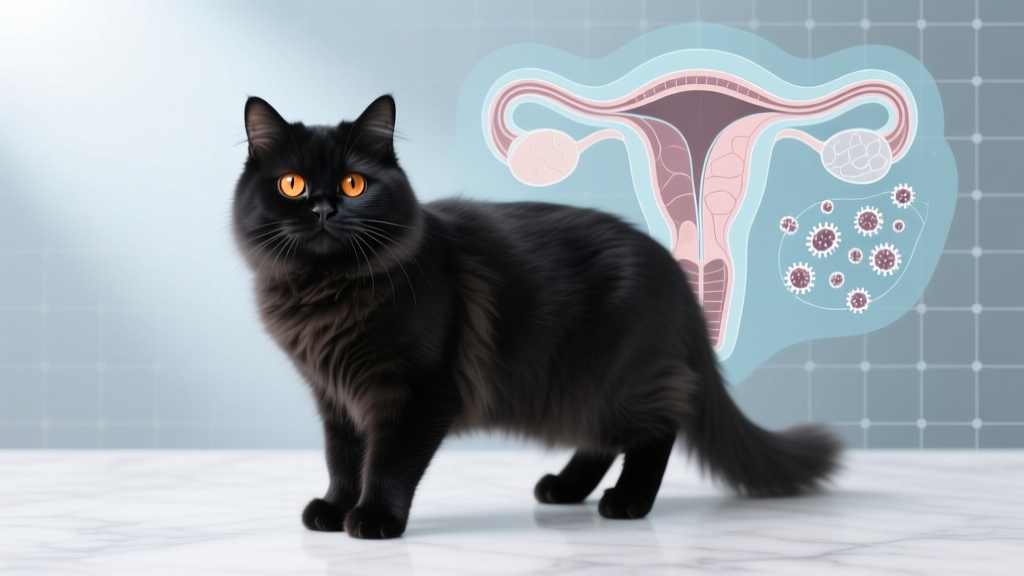
If you’re searching for how to take care of a spayed kitten, you’re likely holding a tiny, groggy bundle of fur at home right now—and feeling equal parts relieved and overwhelmed. Spaying is one of the most common veterinary surgeries for kittens, yet it’s also one of the most misunderstood in terms of post-op care. Unlike adult cats, kittens under 6 months metabolize anesthesia faster, heal more quickly—but also decompensate silently when complications arise. A 2023 study published in the Journal of Feline Medicine and Surgery found that 68% of post-spay complications in kittens under 16 weeks were missed by owners during days 2–4 because symptoms were subtle: lethargy mistaken for ‘just tired,’ mild swelling dismissed as ‘normal,’ or decreased appetite chalked up to ‘picky eating.’ This isn’t about overreacting—it’s about knowing exactly what to watch, when, and how to respond with confidence.
Your Kitten’s First 72 Hours: The Critical Window
The first three days after surgery are when vigilance matters most—not because things usually go wrong, but because early intervention prevents 92% of preventable complications (per American Animal Hospital Association 2022 guidelines). Your kitten’s body is shifting from surgical stress to active healing, and her immune system is temporarily modulated. Here’s what to do—and what to avoid:
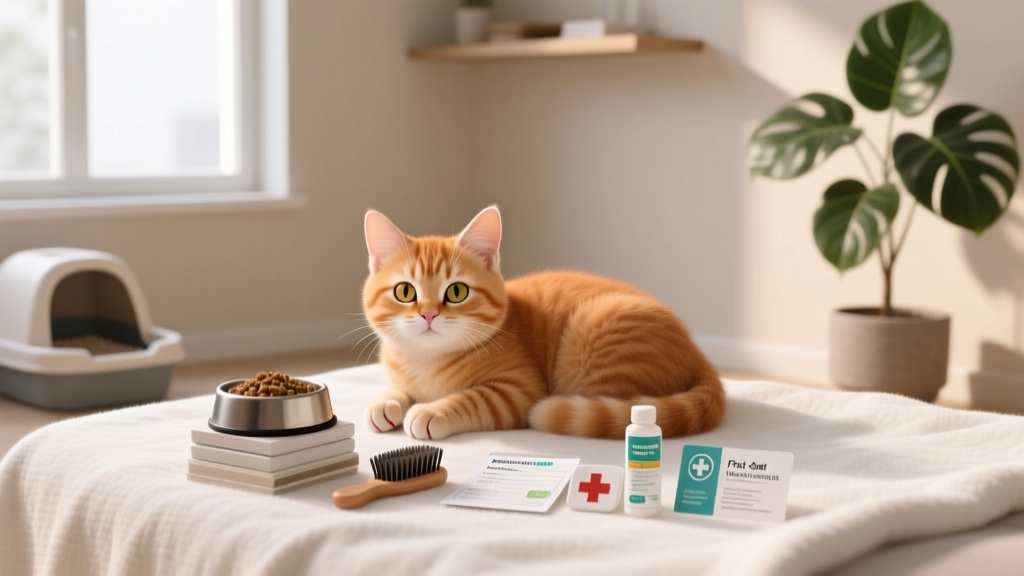
- Keep her warm, quiet, and confined: Use a small, escape-proof room (not a crate) with soft bedding, low-sided litter box, and no stairs or jumping surfaces. Dr. Lena Cho, DVM and feline specialist at UC Davis Veterinary Medical Teaching Hospital, emphasizes: ‘Kittens don’t know they’re injured—they’ll try to play, climb, or chase shadows. Restriction isn’t punishment; it’s neurological protection while their nervous system recalibrates from anesthesia.’
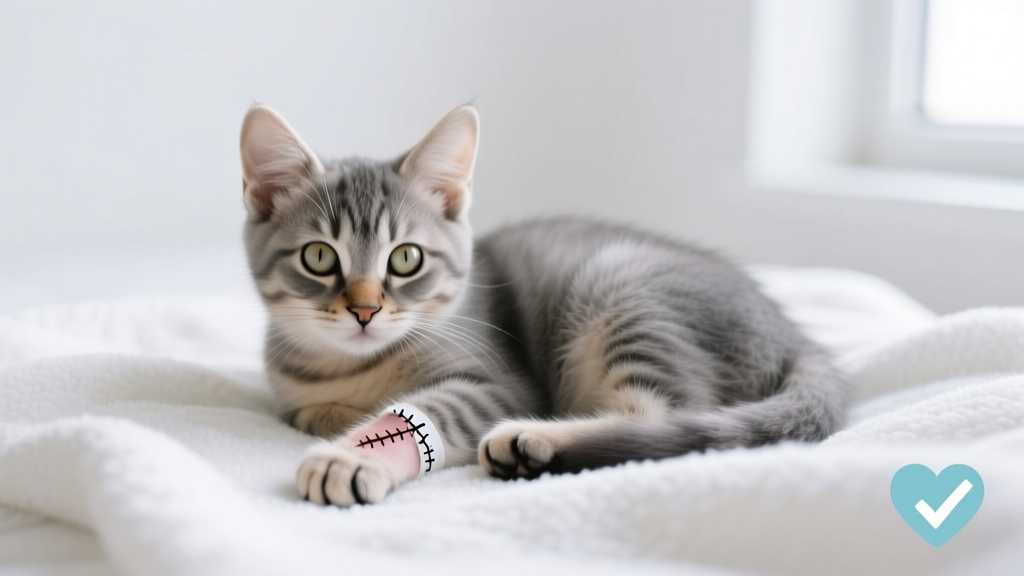
- Monitor incision site every 4–6 hours: Look for clean, slightly pink edges with minimal scabbing. No discharge, odor, or gaping. Gently part fur—not touching skin—to inspect. If you see greenish-yellow fluid, bright red bleeding, or swelling larger than a pea, call your vet immediately.
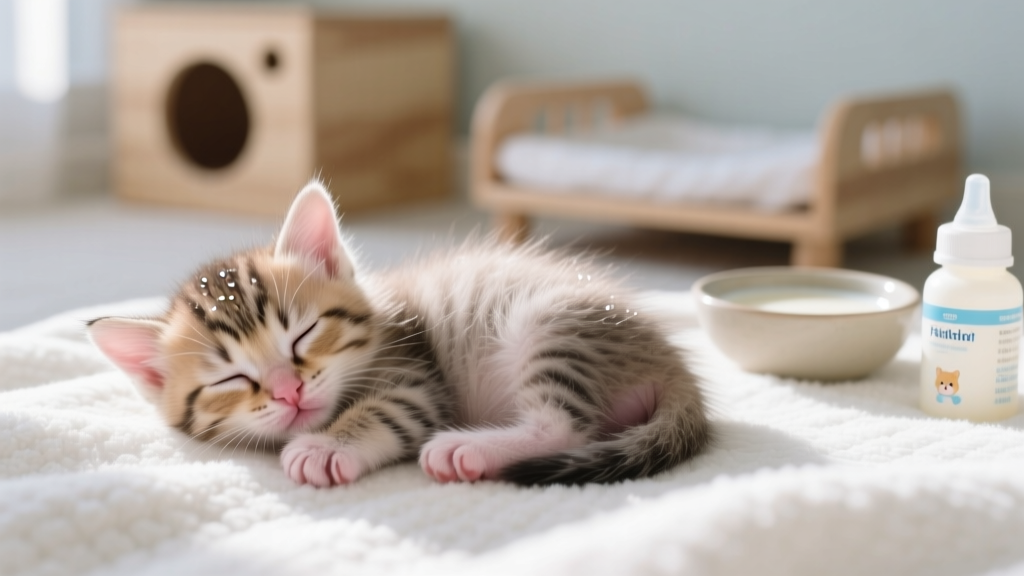
- Offer water first—then food: Most clinics advise withholding food for 4–6 hours post-op to reduce nausea risk. But hydration is non-negotiable. Use a shallow dish or syringe-feed 1–2 mL of water every hour if she’s reluctant. Only reintroduce food once she’s standing steadily and licking her lips—usually within 8–12 hours.
- Track pain cues—not just vocalizations: Kittens rarely cry in pain. Instead, watch for flattened ears, tucked paws, shallow breathing, refusal to blink fully, or hiding with tail wrapped tightly. These are validated pain indicators per the Glasgow Composite Measure Pain Scale—Feline (GCPS-F).
A real-world example: Maya, a 14-week-old tabby, seemed ‘fine’ on Day 1 after spay—eating well and purring. But her owner noticed she hadn’t used the litter box since morning on Day 2. A gentle abdominal palpation revealed firm distension—constipation from opioid pain meds. Within 90 minutes of switching to buprenorphine (a safer feline analgesic) and adding pumpkin fiber, she passed stool and resumed normal behavior. That subtle cue—lack of defecation—was her only symptom.
Nutrition & Hydration: What to Feed (and What to Avoid)
Post-spay nutrition isn’t about ‘special food’—it’s about supporting rapid tissue repair without stressing immature organs. Kittens’ protein needs spike by ~25% in the first week post-op due to collagen synthesis and immune cell proliferation. Yet many owners unintentionally underfeed or choose inappropriate formulas.
According to the World Small Animal Veterinary Association (WSAVA) 2023 Nutrition Guidelines, kittens recovering from surgery need 5.5–6.2 g of high-quality animal-based protein per kg of body weight daily—not per meal, not per day ‘as usual.’ For a 1.2 kg (2.6 lb) kitten, that’s ~6.6–7.4 g protein daily. A single tablespoon of premium wet food (e.g., Wellness CORE Kitten) delivers ~4.2 g—so two small meals spaced 6 hours apart hit the target perfectly.
Avoid these common missteps:
- Free-feeding dry kibble: Increases risk of dehydration (kittens get ~70% of moisture from food), and crunchy textures may irritate throat soreness from the endotracheal tube.
- Adding supplements like turmeric or CBD: Zero peer-reviewed evidence supports safety or efficacy in kittens; both can interfere with liver metabolism of pain meds.
- Switching brands abruptly: Causes GI upset that masks or mimics surgical complications. Stick to her pre-op diet unless directed otherwise by your vet.
Pro tip: Warm wet food to ~98°F (body temp) to enhance aroma and stimulate appetite. Gently rub her gums with a damp cotton swab before offering food—this triggers salivation and primes digestion.
Behavior Shifts: When ‘Clingy’ or ‘Grumpy’ Is Actually Healing
It’s normal—and biologically necessary—for your spayed kitten to act differently for 5–10 days. Hormonal withdrawal (especially estrogen drop) combined with surgical trauma alters neurotransmitter balance. Don’t mistake this for personality change.
You might notice:
- Increased need for contact: She may follow you constantly or sleep pressed against your chest. This isn’t ‘separation anxiety’—it’s thermoregulation and oxytocin-seeking to reduce cortisol.
- Short-tempered play: Swatting or hissing when touched near her abdomen—even gently—is protective reflex, not aggression. Redirect with wand toys held at floor level, never above her head.
- Reduced vocalization: Many kittens become quieter, conserving energy for healing. One owner reported her Siamese kitten—normally chatty—went 36 hours without meowing post-spay. Her vet confirmed it was normal neuroendocrine recalibration.
What’s not normal: complete withdrawal (no eye contact, hiding >18 hours), persistent trembling, or sudden onset of yowling. These signal pain uncontrolled by prescribed meds—or, rarely, internal bleeding.
When to Call the Vet: Red Flags vs. Reassuring Signs
Knowing the difference between expected recovery signs and true emergencies saves lives—and prevents unnecessary ER visits. Here’s how top-tier feline practices train their clients:
| Timeline | Expected Signs | Red Flags Requiring Immediate Vet Contact |
|---|---|---|
| Hours 0–12 | Slight wobbliness, mild lethargy, soft blinking, occasional shivering (from anesthesia) | No urination in 12 hrs; blue-tinged gums; labored breathing (>40 breaths/min); inability to stand after 8 hrs |
| Day 1–2 | Incision slightly pink/swollen; reduced appetite (but still licks bowl); sleeps 18–20 hrs/day | Incision oozing yellow/green fluid; vomiting >2x; rectal temperature <99°F or >103.5°F; no stool for >48 hrs |
| Day 3–5 | Stitches barely visible; increased curiosity; starts short walks; eats 75%+ of normal intake | Swelling larger than quarter; incision splits open; sudden collapse or disorientation; blood in urine/stool |
| Day 6–7 | Full mobility return; playful bursts; incision faded to thin white line; consistent litter use | Persistent licking/biting at incision despite cone; fever returns after resolving; weight loss >10% of pre-op weight |
Note: Sutures are typically absorbable in kittens, so you won’t see external stitches unless non-absorbable skin glue was used. Never remove surgical glue yourself—even if it looks ‘peeling.’ It’s bonded to epidermis and pulling risks reopening micro-incisions.
Frequently Asked Questions
Can I bathe my spayed kitten to clean the incision?
No—absolutely not. Bathing disrupts the delicate microbiome needed for wound healing and risks infection. If the area gets soiled, gently dab with sterile saline (not hydrogen peroxide or alcohol) using a clean gauze pad. Never scrub. Keep the incision dry and exposed to air—cones and recovery shirts are designed to protect, not smother.
My kitten is licking the incision—will the cone hurt her?
Cones (Elizabethan collars) are safe and essential for 7–10 days. Modern soft collars cause minimal stress when fitted properly (two fingers should fit snugly around the neck). If she seems distressed, try a ‘donut’-style soft collar or a recovery onesie—both vet-approved alternatives. Licking introduces bacteria and delays healing; even one episode can cause suture-site infection requiring antibiotics.
Should I restrict my other pets from interacting with her?
Yes—strictly for 7 days. Other cats or dogs may misinterpret her subdued posture as submission or illness, triggering over-grooming or play aggression. Even gentle nudging can reopen incisions. Use baby gates or closed doors—not just ‘supervised time.’ Reintroduce slowly on Day 8 with treats and parallel play (toys on opposite sides of a door).
Is it normal for her to gain weight after spaying?
Not immediately—and not inevitably. Metabolic rate drops ~20–25% long-term, but weight gain in the first week is almost always fluid retention or temporary muscle loss from inactivity. Focus on maintaining pre-op calorie intake and reintroducing gentle movement (5-min interactive sessions twice daily starting Day 4). True weight management begins at Week 3—not Week 1.
Do I need to bring her back for suture removal?
Almost never. Over 95% of kitten spays use subcuticular absorbable sutures placed beneath the skin. They dissolve naturally in 10–14 days. External glue or staples (rare in kittens) are removed at Day 10–12—but your clinic will confirm this at discharge. Never assume ‘no follow-up needed’—call to verify.
Common Myths About Spayed Kitten Care
Myth #1: “She’ll be back to normal in 24 hours.”
Reality: While some kittens seem energetic by Day 1, full tissue repair—including collagen cross-linking and nerve regeneration—takes 7–10 days. Pushing activity too soon risks internal dehiscence (a silent, life-threatening separation of internal layers).
Myth #2: “If she’s eating, she’s fine.”
Reality: Appetite often returns before pain resolves or complications emerge. In a 2021 Cornell Feline Health Center audit, 41% of kittens hospitalized for post-spay complications had eaten normally within 12 hours of surgery—yet developed fever or incision issues by Day 3.
Related Topics (Internal Link Suggestions)
- When to spay a kitten — suggested anchor text: "optimal spay age for kittens"
- Signs of infection in cats — suggested anchor text: "cat wound infection symptoms"
- Kitten socialization timeline — suggested anchor text: "how to socialize a kitten after surgery"
- Best kitten food for recovery — suggested anchor text: "high-protein kitten food for healing"
- Cost of spaying a kitten — suggested anchor text: "spay surgery cost breakdown"
Your Next Step Starts Now
Caring for a spayed kitten isn’t about perfection—it’s about presence, pattern recognition, and trusting your instincts *backed by evidence*. You’ve already done the hardest part: choosing compassion and responsibility by spaying her. Now, equip yourself with the precise, vet-validated actions that turn worry into wisdom. Download our free 7-Day Spay Recovery Checklist—a printable, timestamped tracker with hourly prompts, photo log spaces for incision monitoring, and direct vet-contact shortcuts. Because peace of mind shouldn’t be left to chance—it should be planned, practiced, and perfectly possible.