Feline Brucella: Reproductive Bacterial Infection
1. Introduction: Why this topic matters to cat owners
If you share your home with a cat who is intact (not spayed/neutered), involved in breeding, or living in a multi-cat environment, reproductive health issues can become a real concern. One group of infections that can quietly impact fertility and pregnancy is Brucella, a type of bacteria best known for causing reproductive disease in several animal species. While brucellosis is far more common in some animals than in cats, it’s still a topic worth understanding—especially because it can cause miscarriage, infertility, and illness in queens (female cats) and studs (male cats).
As a cat owner, your best tools are awareness, early veterinary care, and prevention. This article explains feline Brucella infections in plain language, what signs you might notice at home, what your veterinarian may test for, and how you can protect your cat and the humans in your household.
2. Overview: What is feline Brucella?
Brucella are bacteria that can infect many mammals. The disease caused by these bacteria is called brucellosis. In animals, brucellosis often targets the reproductive tract, leading to pregnancy loss, infertility, and inflammation of reproductive organs.
In cats, brucellosis is considered uncommon and not as well documented as it is in dogs, cattle, goats, and pigs. When cats are infected, it may be due to exposure to infected animals, contaminated reproductive fluids, or ingestion of contaminated raw animal products. The infection may involve:
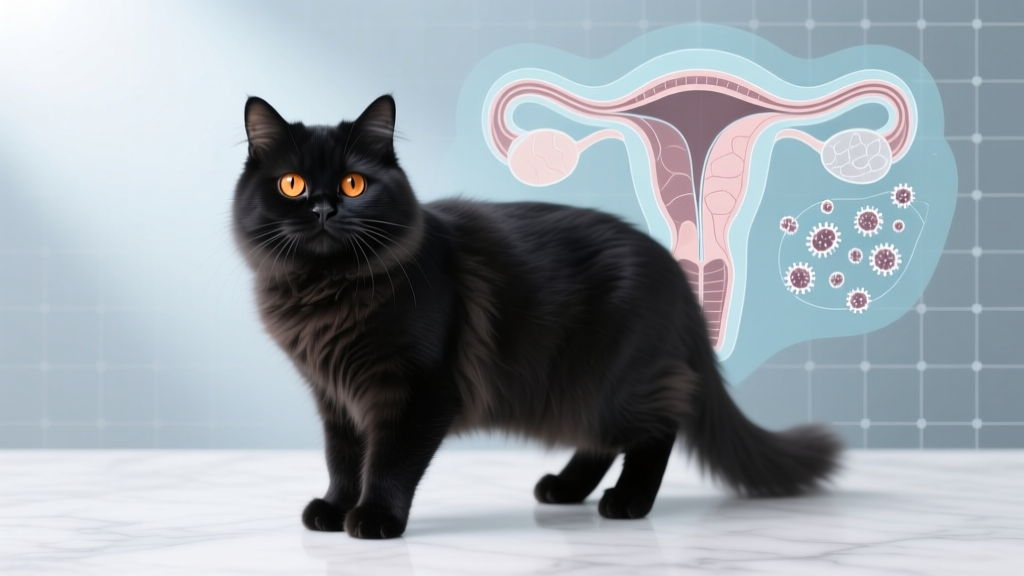
- Reproductive organs (uterus, ovaries, testes, epididymis, prostate)
- Lymph nodes and other tissues
- General body systems, causing vague “not feeling well” signs
Brucella bacteria can be zoonotic, meaning they can potentially infect people. The actual risk from cats is believed to be low, but caution is still appropriate—especially in households with pregnant people, young children, older adults, or anyone with a weakened immune system.
3. Symptoms and warning signs to watch for
Brucella infections can be frustrating because symptoms may be subtle or overlap with other, more common problems. Some cats appear normal until a reproductive issue occurs.
Reproductive signs in female cats (queens)
- Miscarriage (often later in pregnancy, but timing can vary)
- Stillbirths or weak kittens
- Failure to conceive despite successful mating
- Vaginal discharge (may be bloody, brown, or cloudy)
- Retained placenta or postpartum illness
Reproductive signs in male cats (toms)
- Infertility or reduced breeding success
- Testicular discomfort or swelling
- Inflammation of the epididymis (the sperm storage area), sometimes felt as irregular firmness
- Changes in semen quality (usually identified by a veterinarian or breeding program testing)
General signs (either sex)
- Lethargy or reduced activity
- Fever (may come and go)
- Decreased appetite
- Weight loss over time
- Swollen lymph nodes (sometimes noted during a veterinary exam)
Practical at-home tip: If your intact cat has any reproductive abnormality (miscarriage, discharge, infertility, swollen testes), treat it as a reason to book a veterinary visit promptly. Don’t wait for it to “settle down,” because early testing can prevent complications and reduce exposure to other pets.
4. Causes and risk factors
Cats generally don’t “catch” Brucella the way they catch a cold; it usually involves a meaningful exposure. Risk factors include:
- Breeding activity (exposure to reproductive fluids and close contact)
- Contact with livestock, feral animals, or hunting (potential exposure through prey or contaminated environments)
- Eating raw meat or unpasteurized dairy (a preventable risk; raw diets can expose pets to multiple pathogens)
- Living in multi-cat or mixed-species settings (rescues, catteries, farms)
- History of reproductive failure in a breeding program
Because feline brucellosis is rare, a veterinarian will typically evaluate more common causes of reproductive problems first (such as viral infections, uterine disease, hormonal problems, or poor timing of breeding). Brucella becomes more likely when there is a compatible history plus exposure risk.
5. Diagnosis: Methods and what to expect at the vet
If your veterinarian suspects a reproductive infection, expect a step-by-step approach. The goal is to confirm the cause, evaluate your cat’s overall health, and protect other animals (and people) from unnecessary exposure.
Typical veterinary evaluation
- History questions: breeding dates, pregnancy timeline, miscarriage timing, discharge, exposure to other animals, diet (especially raw), travel, and household members at higher risk.
- Physical exam: checking temperature, hydration, abdominal palpation, lymph nodes, and reproductive organs when appropriate.
- Baseline lab work: complete blood count (CBC) and chemistry panel to look for inflammation, organ stress, or dehydration.
Reproductive-focused testing
- Ultrasound: to evaluate pregnancy status, uterine inflammation, retained tissue, or other uterine disease.
- Vaginal cytology or culture (in certain cases): to assess inflammation and look for bacterial involvement.
- Semen evaluation (for breeding males): to assess sperm quality and inflammation.
Brucella-specific testing
Testing for Brucella can involve:
- Blood tests (serology) to look for antibodies
- PCR tests (detecting bacterial DNA) on appropriate samples
- Culture in specialized settings (less common in general practice and requires careful handling)
Because false positives/negatives are possible depending on the test and timing, your veterinarian may recommend repeat testing or confirmatory testing. If brucellosis is a realistic possibility, your vet may also advise biosecurity precautions at home while results are pending (for example, limiting contact with other cats and careful cleaning of bodily fluids).
What you can do before the appointment: Write down dates (mating, heat cycles, pregnancy signs, when discharge started), take photos of discharge if safe to do so, and bring any records from prior breeding or veterinary visits. These details genuinely help.
6. Treatment options (medical, surgical, home care)
Treatment depends on your cat’s symptoms, reproductive status, and whether Brucella is confirmed or just on the list of possibilities. Your veterinarian will tailor a plan, and it’s important not to self-treat with leftover antibiotics—incorrect antibiotics or incorrect duration can worsen resistance and may not clear the infection.
Medical treatment
- Antibiotics: Brucella infections in other species often require prolonged antibiotic therapy, sometimes with combinations of medications. In cats, the exact protocols may vary due to limited data. Your veterinarian may consult current guidelines and consider referral to an internal medicine specialist.
- Supportive care: fluids, appetite support, anti-nausea medications, and pain relief when needed.
Surgical treatment
- Spay (ovariohysterectomy) for queens and neuter (castration) for toms can be strongly recommended, especially if the infection involves reproductive organs or if preventing transmission is a priority.
- If there is a serious uterine infection (such as a life-threatening uterine condition), surgery may be urgent.
Home care and household safety
- Follow medication directions exactly and complete the full course.
- Limit exposure to bodily fluids (vaginal discharge, birthing fluids). Use disposable gloves for cleanup.
- Separate from other pets if your veterinarian recommends isolation.
- Clean soiled areas promptly using appropriate disinfectants recommended by your veterinarian.
- Laundry hygiene: wash bedding on hot with detergent; consider an extra rinse cycle.
Always consult your veterinarian about the safety plan if anyone in the household is pregnant or immunocompromised. Your vet may recommend coordination with a human healthcare provider for guidance and reassurance.
7. Prevention strategies and early detection tips
Prevention focuses on reducing exposure and catching reproductive issues early.
Actionable prevention steps
- Spay/neuter: This is the most reliable way to prevent reproductive transmission and reduce reproductive disease risk overall.
- Avoid raw diets unless specifically formulated and supervised by a veterinary nutrition professional; raw animal products can carry multiple pathogens.
- Breeding program screening: If you work with a breeder or have a breeding cat, discuss screening protocols with a veterinarian experienced in reproduction. Don’t introduce new breeding cats without a quarantine and testing plan.
- Keep cats indoors or supervised outdoors to reduce exposure to wildlife, feral cats, and contaminated prey.
- Prompt veterinary evaluation for any miscarriage, stillbirth, abnormal discharge, or infertility.
Early detection tips at home
- Track heat cycles and breeding dates for intact cats.
- Monitor for changes in appetite, energy, and weight.
- Check the litter box and bedding for unusual discharge.
- If breeding is planned, schedule a pre-breeding exam to assess overall health and discuss infection prevention.
8. Prognosis and quality of life considerations
The outlook depends on several factors: how early the problem is caught, whether your cat is spayed/neutered, whether there are complications (like uterine infection), and how your cat responds to therapy.
- For non-breeding pet cats, spay/neuter plus appropriate medical care often provides an excellent path to a comfortable, healthy life.
- For breeding cats, brucellosis (or even suspicion of it) can be more complicated due to fertility goals and the need to protect other cats. Long-term management may involve stopping breeding and prioritizing the cat’s health and household safety.
- Chronic or relapsing infection is a concern in brucellosis across species, which is why follow-up testing and veterinary monitoring matter.
Quality of life is usually very good when cats receive timely veterinary care and are protected from ongoing stressors (uncontrolled breeding, repeated pregnancies, untreated uterine disease).
9. When to seek emergency veterinary care
Some reproductive problems can become emergencies quickly. Seek urgent or emergency veterinary care if your cat has:
- Difficulty breathing, collapse, or extreme weakness
- Pale gums or signs of shock
- Heavy bleeding from the vulva
- Severe abdominal pain, a tense/distended abdomen, or crying out when touched
- Fever with lethargy and refusal to eat, especially after giving birth
- Foul-smelling discharge, or discharge plus vomiting/diarrhea
- Straining to deliver kittens for more than 20–30 minutes without progress, or prolonged labor with no kitten produced
If you suspect miscarriage or see birthing tissues/fluids, keep your cat warm and quiet and contact a veterinarian right away. If safe, bring any passed tissues in a sealed container or bag (and wash your hands afterward). This can help your vet identify the cause.
10. FAQ: Common questions about Brucella in cats
Can indoor-only cats get Brucella?
It’s less likely, but not impossible. Risk rises if an indoor cat eats raw animal products, has contact with new/unvetted pets, or lives in a home that fosters animals. Indoor-only cats are generally at lower risk when they’re spayed/neutered and not exposed to raw foods or breeding situations.
Is Brucella contagious to other cats?
Potentially, yes—especially through reproductive fluids and close contact around mating, birthing, or abortion materials. If Brucella is suspected, your veterinarian may recommend isolating the affected cat and using strict cleaning and handling precautions until testing clarifies the situation.
Can people catch Brucella from cats?
Brucella species can infect people, but transmission from cats is believed to be uncommon. The highest-risk situations involve contact with reproductive fluids (during birth, miscarriage, or discharge). If your veterinarian is concerned about a zoonotic risk, they’ll guide you on safe handling and may advise speaking with a human healthcare provider if anyone in the home is high-risk.
Will my cat need to be spayed or neutered if Brucella is suspected or confirmed?
Often, spay/neuter is strongly recommended to reduce ongoing reproductive tract infection risk and to limit transmission. Your veterinarian will discuss the best plan for your cat’s health, lifestyle, and household situation.
What’s the difference between Brucella and a typical uterine infection (pyometra)?
Pyometra is a serious uterine infection that usually occurs in unspayed females due to hormonal changes that allow bacteria to overgrow in the uterus. Brucella is a specific bacterial infection associated with reproductive failure and can involve multiple tissues. The symptoms can overlap (discharge, lethargy, fever), which is why veterinary testing is so important.
What should I do right now if my pregnant cat miscarries?
Call a veterinarian the same day. Keep your cat calm and separated from other pets. Wear gloves to clean any fluids, and wash hands thoroughly. Don’t allow other pets to investigate or consume any tissues. Your vet may recommend an exam, ultrasound, and lab testing to check for retained tissue, infection, and treatable causes.
If your cat is showing reproductive symptoms or you’re concerned about exposure risks, schedule a veterinary visit for guidance and testing. Early care protects your cat’s comfort, future health, and the wellbeing of other pets in the home.
For more practical, caring cat health guidance and wellness resources, visit catloversbase.com.