How Do You Take Care of a Baby Kitten? The First 72 Hours Are Critical — Here’s Exactly What to Do (and What NOT to Do) to Prevent Hypothermia, Dehydration, and Sudden Death
Why This Isn’t Just ‘Cute’ — It’s Life-or-Death Urgency
If you’re asking how do you take care of a baby kitten, chances are you’ve just brought home—or found—a fragile, unweaned kitten under 4 weeks old. And right now, that tiny body is operating on borrowed time: newborn kittens can’t regulate their own body temperature, can’t urinate or defecate without stimulation, and lose life-sustaining calories in under 2 hours without milk. Unlike adult cats, they have zero margin for error. In fact, according to the American Association of Feline Practitioners (AAFP), up to 30% of orphaned kittens under 2 weeks die within the first 72 hours—not from illness, but from preventable mistakes like improper feeding, chilling, or overhandling. This guide distills evidence-based neonatal kitten care from Cornell’s Feline Health Center, the ASPCA’s Kitten Nursery protocols, and hands-on experience from certified foster coordinators who’ve saved over 1,200 at-risk kittens. No fluff. No guesswork. Just what works—and why.
Step One: Stabilize — Warmth, Hydration, and Quiet Come Before Food
Contrary to instinct, your very first action shouldn’t be to feed. Starving kittens are often dehydrated and hypothermic—and feeding cold, dehydrated kittens risks aspiration pneumonia or fatal bloating. Dr. Sarah Wooten, DVM and clinical advisor to the Winn Feline Foundation, emphasizes: "Warmth and rehydration must precede nutrition. A kitten below 94°F (34.4°C) cannot digest milk. Force-feeding at that point is medically dangerous."
Here’s your stabilization sequence:
- Check rectal temperature: Use a digital pediatric thermometer with lubricant. Normal range: 95–99°F (35–37.2°C). Below 94°F = emergency; above 100°F = possible infection.
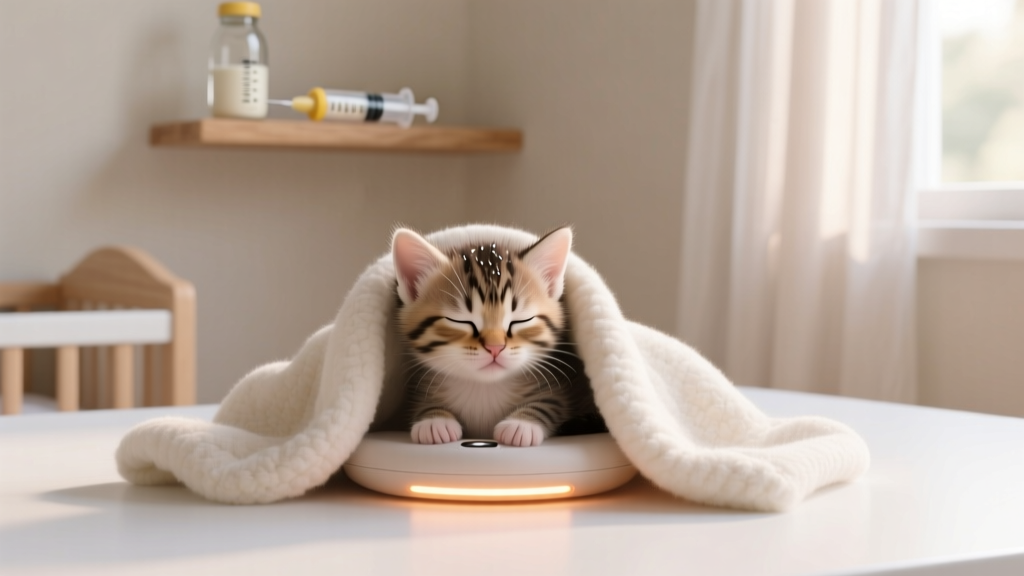
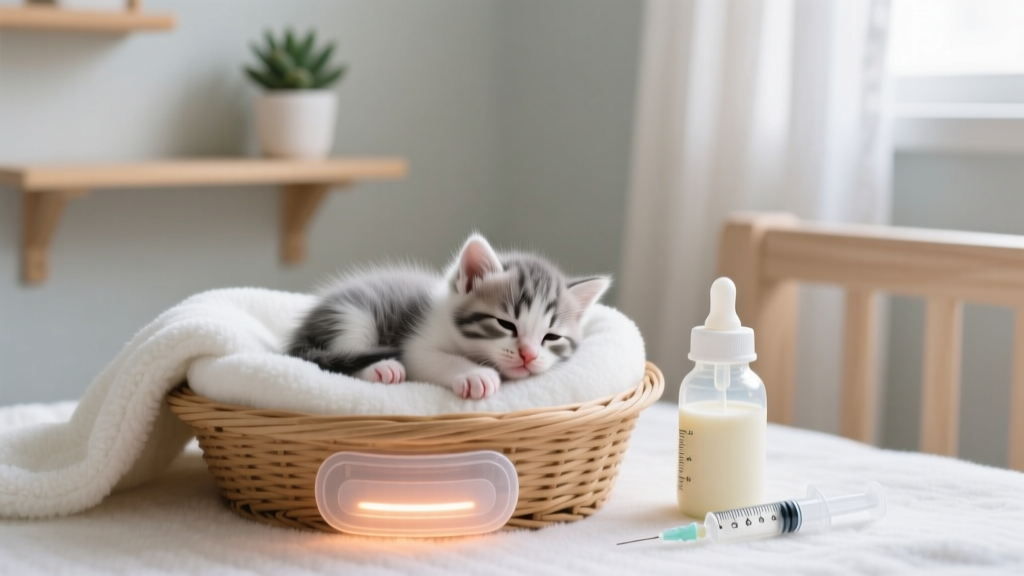
- Gradual rewarming: Wrap kitten in a soft towel, place on a warm (not hot) rice sock or heating pad set to LOW *under half the box* (so kitten can move away). Never use direct heat sources like hair dryers or heating lamps—they cause rapid, dangerous core spikes. Target: raise temp by no more than 1°F per hour.
- Oral rehydration: Once temp reaches ≥96°F, offer unflavored Pedialyte (not human electrolyte drinks) via 1mL syringe (no needle) every 15 minutes for 1 hour. Give only 0.5 mL per 10g body weight—overhydration causes diarrhea and electrolyte crashes.
- Quiet isolation: Place in a draft-free, dimly lit box lined with fleece (no loose threads). Avoid blankets, towels, or cotton—fibers entangle claws and trap moisture. Keep noise, light, and handling to absolute minimum for first 6–12 hours.
One real-world case: A foster caregiver in Portland found three 5-day-old kittens shivering beneath a porch. She warmed them slowly using a microwaved rice sock and gave Pedialyte before feeding. Two survived; the third—fed cow’s milk immediately upon discovery—developed aspiration pneumonia and died within 8 hours. Timing isn’t optional. It’s physiological law.
Step Two: Feed Right — Formula, Frequency, and the Bottle Technique That Prevents Aspiration
Never use cow’s milk, goat’s milk, or homemade recipes. These lack taurine, proper fat ratios, and lactase balance—and cause severe diarrhea, dehydration, and sepsis in neonates. The only safe option is a commercial kitten milk replacer (KMR) or similar vet-approved formula (e.g., Breeder’s Edge, PetAg). According to a 2023 study in the Journal of Feline Medicine and Surgery, kittens fed non-formula milk had a 4.7x higher mortality rate in the first week.
Feeding protocol by age:
- 0–1 week: Feed every 2–3 hours (including overnight). 2–6 mL per feeding, depending on weight (see table below).
- 1–2 weeks: Every 3–4 hours. 5–10 mL per feeding.
- 2–3 weeks: Every 4–6 hours. 10–15 mL per feeding. Begin gentle spoon-feeding practice.
- 3–4 weeks: Introduce gruel (KMR + high-quality wet food paste) 3x/day; still supplement with bottle 2x/day.
The bottle technique matters critically. Hold kitten upright—never on its back—chin slightly elevated, head tilted just enough to keep airway open. Let kitten suckle naturally; never squeeze the bottle. If milk leaks from nose or mouth, stop immediately—this signals aspiration risk. Gently wipe mouth with damp cloth after each feeding to prevent dermatitis.
| Age Range | Feeding Frequency | Volume Per Feeding | Key Developmental Milestones | Vet-Recommended Action |
|---|---|---|---|---|
| 0–7 days | Every 2–3 hrs (8–12x/day) | 2–6 mL | Eyes closed; ears folded; no hearing/vision; relies entirely on touch/heat | Weigh daily at same time; gain ≥7g/day. Drop in weight >10% = vet visit within 2 hrs. |
| 7–14 days | Every 3–4 hrs (6–8x/day) | 5–10 mL | Eyes begin opening (days 7–10); ear canals open; begins vocalizing weakly | Start gentle stimulation for elimination after every feeding (see next section); monitor for eye discharge. |
| 14–21 days | Every 4–6 hrs (4–6x/day) | 10–15 mL | Eyes fully open; attempts standing; begins crawling; responds to sound | Introduce shallow litter box with shredded paper; begin socialization (5 min, 2x/day with calm voices/hands). |
| 21–28 days | 4x/day + gruel | 12–18 mL bottle + 1 tsp gruel | Walking confidently; playing with littermates; grooming self; teeth emerging | Schedule first vet exam & deworming (standard protocol: pyrantel pamoate at 2, 4, 6, 8 wks); test for feline leukemia if mom unknown. |
Step Three: Stimulate, Sanitize, and Monitor — The Daily Ritual That Saves Lives
Newborn kittens cannot eliminate waste without physical stimulation—a biological reflex triggered by mother’s licking. Without it, they become painfully constipated or develop toxic urine retention. You must replicate this—gently and consistently.
Stimulation protocol:
- Use a warm, damp cotton ball or soft tissue (never Q-tip—risk of injury).
- Gently stroke the genital and anal area in downward motions for 30–60 seconds after *every single feeding*.
- Continue until urine and/or stool appears (usually within 15–45 sec). Urine should be pale yellow and clear; stool mustard-yellow and soft.
- Wipe clean with fresh tissue. Disinfect tools between kittens.
Track output: Kittens should urinate after every feeding and defecate at least once every 24 hours. Constipation beyond 36 hours requires immediate vet assessment—laxatives are unsafe without diagnostics.
Sanitation is non-negotiable. Wash hands with soap for 20+ seconds before and after handling. Change bedding daily. Disinfect feeding equipment with boiling water or veterinary-grade disinfectant (e.g., Rescue™). Never reuse bottles or nipples without full sterilization—biofilm buildup harbors E. coli and Klebsiella, common causes of neonatal sepsis.
Monitoring goes beyond weight. Watch for these red flags requiring *same-day* vet care:
- Crying constantly (not just during feeding)
- Refusing all feeds for >2 consecutive sessions
- Bloating, gas, or abdominal rigidity
- Green, bloody, or frothy stool
- Labored breathing, nasal discharge, or sneezing
- Weak suck reflex or inability to latch
A 2022 ASPCA Foster Network audit found that 68% of kitten deaths occurred because caregivers waited >12 hours to seek help for one of these signs. When in doubt, call your vet *before* symptoms escalate.
Step Four: Socialization, Weaning, and Vet Coordination — Setting Up Lifelong Health
Weeks 3–7 are the critical neurodevelopmental window for socialization. Kittens not handled gently and regularly during this period often develop lifelong fear, aggression, or inappropriate play biting—even with loving owners. But timing and method matter deeply.
Dr. Mikel Delgado, Certified Cat Behavior Consultant and researcher at UC Davis, advises: "Socialization isn’t about holding kittens all day. It’s about positive, low-stress exposures: different voices, gentle hand placement, short sessions with varied textures (soft fleece, crinkly paper), and always letting the kitten choose to approach. Overhandling causes cortisol spikes that impair learning."
Structured socialization plan:
- Week 3: 2x5-min sessions/day with quiet talking, slow hand strokes on head/shoulders.
- Week 4: Add gentle handling (cradling, brief lap time), introduce new sounds (recorded vacuum hum at low volume).
- Week 5: Introduce safe toys (feathers on string, soft balls), supervised interaction with calm adult cats (if available and vaccinated).
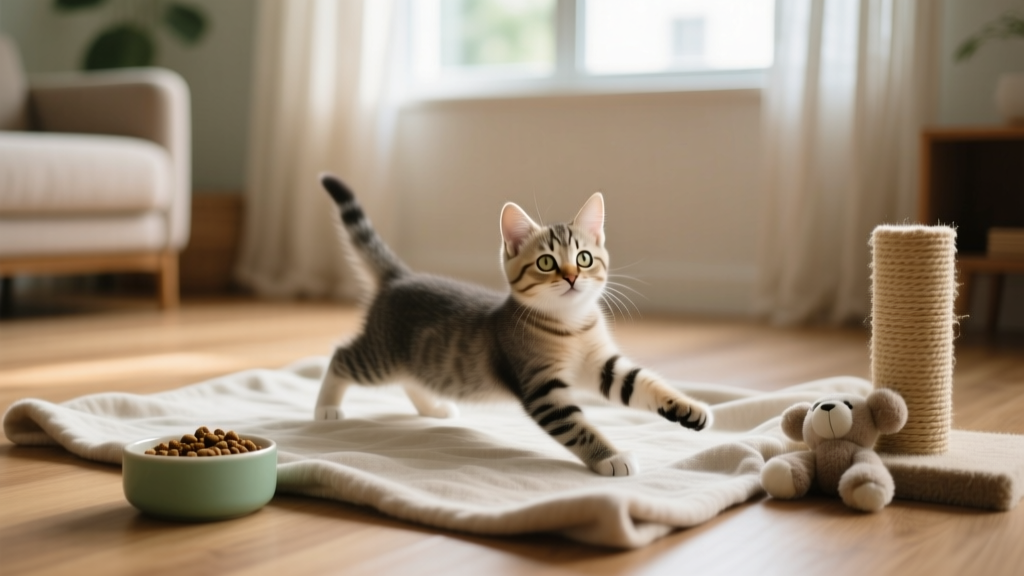
- Week 6+: Begin litter training (use unscented, non-clumping litter), introduce scratching posts, start clicker training basics.
Weaning starts at week 3—but don’t rush it. Abrupt weaning causes digestive upset and stress-induced upper respiratory infections. Gradually mix KMR with high-protein wet food (e.g., Royal Canin Babycat) into a thin gruel. Thicken weekly until eating solids by week 7–8. Always provide fresh water in a shallow dish starting at week 4.
Veterinary coordination is essential—not optional. Schedule:
- Initial exam + fecal test + deworming at 2–3 weeks
- FVRCP vaccination (core) at 6, 8, 12, and 16 weeks
- Rabies vaccine at 12–16 weeks (per local law)
- Spay/neuter discussion at 4 months (early-age neutering is safe and recommended by AAFP)
Keep a log: weight, feeding times/volumes, stool/urine notes, vaccinations, and behavior observations. This isn’t paperwork—it’s your kitten’s medical history lifeline.
Frequently Asked Questions
Can I use human baby formula or almond milk for a kitten?
No—absolutely not. Human infant formula lacks taurine, arginine, and proper fat ratios for feline metabolism and causes rapid dehydration and liver damage. Almond, soy, oat, or coconut milk contain sugars (e.g., oligosaccharides) kittens cannot digest, leading to explosive diarrhea, electrolyte loss, and sepsis. Only use veterinarian-approved kitten milk replacers. If unavailable temporarily, consult a vet for an emergency oral rehydration solution—not nutrition.
How do I know if my kitten is getting enough to eat?
Track weight daily at the same time (use a gram-scale kitchen scale). Healthy neonates gain 7–10g per day. A consistent gain of ≥5g/day is acceptable; <5g indicates inadequate intake or absorption issues. Also observe belly firmness (should be softly rounded, not tight or sunken), contented purring/sleep after feeding, and regular elimination. If kitten nurses vigorously for <1 minute then falls asleep, it may be too weak—or formula may be too cold/thick.
My kitten won’t suckle—what should I do?
First, confirm temperature is ≥96°F and hydration is adequate. If still refusing, try warming formula to 98–100°F (body temp), switching to a smaller nipple size, or gently stroking the jaw to trigger suck reflex. If refusal persists >2 feeds, contact a vet immediately—causes include congenital defects, sepsis, or neurological impairment. Never force-feed with a syringe into the throat; this causes aspiration. Instead, use a feeding tube only under direct veterinary instruction.
When can I bathe a baby kitten?
Never bathe a kitten under 4 weeks old. Their thermoregulation is too poor—evaporative cooling can drop core temperature lethally within minutes. For soiled fur, use warm, damp cloths to spot-clean. After 4 weeks, only bathe if medically necessary (e.g., flea infestation) and use kitten-safe, pH-balanced shampoo. Dry thoroughly with warm (not hot) air and keep indoors for 24 hours post-bath.
Do I need to stimulate a kitten after every feeding—even at night?
Yes. Elimination is not voluntary until ~3 weeks old. Skipping stimulation leads to urinary retention (causing kidney damage) or painful constipation. Set alarms. Use a silent vibrating alarm on your phone to avoid startling other household members. If you miss one session, stimulate as soon as you wake—but never skip two in a row.
Common Myths About Newborn Kitten Care
Myth #1: “If the mother cat abandons her kittens, she’s a bad mom.”
False. Mother cats abandon litters due to stress, illness, malnutrition, or perceived threats (e.g., human scent, loud noises, predators). It’s an evolutionary survival mechanism—not neglect. Never assume abandonment without observing for 24+ hours (from a distance) and ruling out maternal absence due to hunting or hiding.
Myth #2: “Kittens should sleep with you for warmth and bonding.”
Dangerous. Adult beds pose suffocation, overheating, and crushing risks. Kittens also ingest human skin cells, oils, and pathogens that compromise their immature immune systems. The safest, warmest space is a confined, draft-free box with a thermostatically controlled heating pad (set ≤100°F) and soft, seamless fleece.
Related Topics (Internal Link Suggestions)
- When to spay a kitten — suggested anchor text: "best age to spay a kitten"
- Kitten vaccinations schedule — suggested anchor text: "kitten vaccine timeline"
- Signs of kitten dehydration — suggested anchor text: "how to tell if a kitten is dehydrated"
- Homemade kitten formula alternatives — suggested anchor text: "safe kitten milk replacer substitutes"
- Feral kitten taming process — suggested anchor text: "how to socialize a feral kitten"
Your Next Step Starts Now — Not Tomorrow
You now hold life-saving knowledge—not just tips. Every minute counts in those first 72 hours, and your calm, informed action changes outcomes. If you’re currently caring for a neonatal kitten, pause right now and check its temperature, weight, and hydration status. Then, download our free Printable Neonatal Kitten Care Checklist—it walks you through hourly actions, warning signs, and vet-ready documentation. If your kitten shows any red-flag symptoms (refusal to feed, lethargy, labored breathing), call your veterinarian or nearest 24-hour emergency clinic *immediately*. Don’t wait. Don’t Google further. Act. Because when it comes to how do you take care of a baby kitten—the answer isn’t theory. It’s vigilance, precision, and love backed by science.