Feline Pulmonary Capillary Hemangiomatosis Guide
1. Why This Topic Matters to Cat Owners
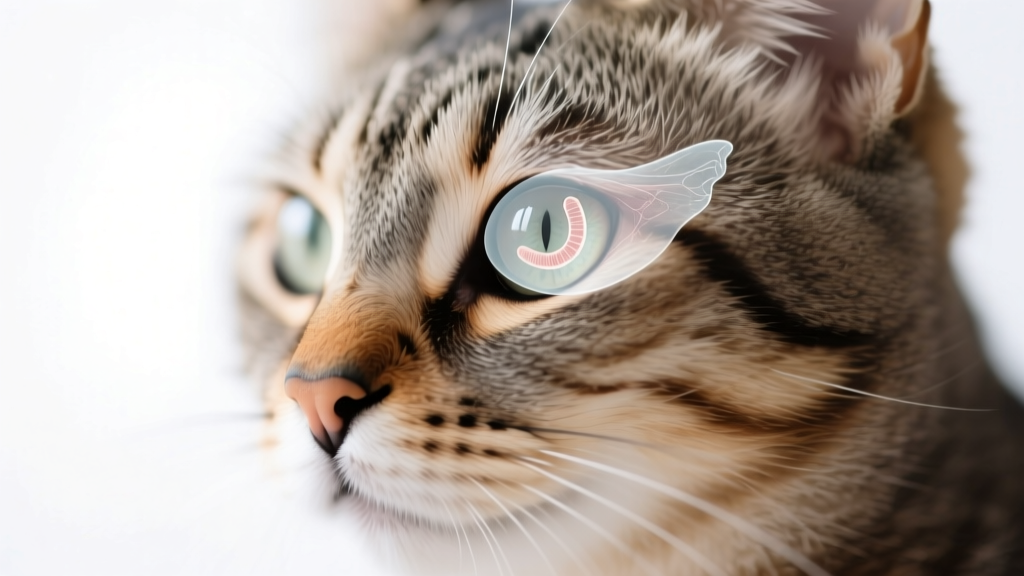
Most cat owners are familiar with common breathing problems like asthma, hairballs, or respiratory infections. A rare condition called feline pulmonary capillary hemangiomatosis (often shortened to PCH) can also cause breathing trouble, but for a very different reason. With PCH, the tiniest blood vessels in the lungs multiply in an abnormal way. That change can make it harder for oxygen to move into the bloodstream and may increase pressure in the lung circulation.
Because the disease is uncommon, it can be confusing and scary when a cat’s symptoms don’t fit the “usual” patterns. Understanding the basics helps you notice early warning signs, communicate clearly with your veterinarian, and make informed decisions about testing and care. If your cat ever seems short of breath, the most helpful step is always prompt veterinary evaluation—breathing issues should never be “wait and see.”
2. Overview: What Is Pulmonary Capillary Hemangiomatosis?
Pulmonary capillary hemangiomatosis is a disorder where the capillaries (the smallest blood vessels) within the lungs increase in number and can invade or crowd the normal lung structures. Think of it as an overgrowth of microscopic vessels in the spongy tissue that should be optimized for gas exchange.
In plain language, PCH can affect cats in a few major ways:
- Less efficient oxygen exchange: Normal lung architecture becomes disrupted, making it harder for oxygen to pass into the blood.
- Increased resistance to blood flow in the lungs: The lung circulation may become “tighter,” raising the pressure the heart must pump against.
- Possible pulmonary hypertension: High blood pressure within the lung arteries may develop, which can strain the right side of the heart over time.
PCH is considered rare in cats. In veterinary medicine, definitive diagnosis often relies on specialized imaging and, in some cases, tissue evaluation. Some cats may be suspected of having PCH based on compatible signs and test findings even if a biopsy is not pursued.
3. Symptoms and Warning Signs to Watch For
Symptoms can overlap with other lung and heart diseases, so it’s the pattern and persistence that often raise concern. Contact your veterinarian if you notice any of the following, especially if they are new or worsening:
- Fast breathing at rest (increased respiratory rate while sleeping or calm)
- Increased effort to breathe (belly/abdomen moving noticeably, flared nostrils, open-mouth breathing)
- Exercise intolerance (your cat stops playing sooner, hides after activity, seems easily winded)
- Coughing (less common in cats than dogs, but can occur with lung disease)
- Blue-tinged gums or tongue (cyanosis—an emergency)
- Weakness, collapse, or fainting (may occur with pulmonary hypertension or low oxygen)
- Reduced appetite and weight loss (often nonspecific, but relevant when paired with breathing changes)
Practical at-home check: When your cat is asleep or calmly resting, count breaths for 30 seconds and multiply by 2. Many healthy cats are roughly in the 16–30 breaths per minute range at rest (individual variation exists). Repeated resting rates over 35, or any obvious breathing effort, warrant a call to your veterinarian.
4. Causes and Risk Factors
The exact cause of PCH in cats is not well understood. In people, PCH is rare and may be associated with abnormal growth signaling in blood vessels. In cats, the condition is typically considered sporadic, meaning it appears without a clear trigger.
Possible contributing factors and considerations your veterinarian may discuss include:
- Underlying vascular growth abnormalities: The disease involves capillary proliferation, but why it starts is usually unknown.
- Age: PCH can potentially appear in adult cats; there is no single “classic” age.
- Other cardiopulmonary conditions: Some findings can mimic or overlap with heartworm-associated respiratory disease, asthma, chronic bronchitis, pneumonia, or heart disease.
- Genetic predisposition: Not well established in cats; no specific breed risk is firmly defined.
Because risk factors aren’t clearly defined, the best protection is early recognition of breathing changes and prompt veterinary assessment.
5. Diagnosis: Methods and What to Expect at the Vet
Diagnosing a rare lung vessel disorder is a step-by-step process. Your veterinary team’s first priority is stabilizing breathing if your cat is in distress, then narrowing down the cause.
Common diagnostic steps include:
- History and physical exam: Your vet will ask about onset, triggers (activity, stress), coughing, appetite, weight changes, and any toxin exposure. They’ll listen for abnormal lung sounds, heart murmurs, and check gum color.
- Pulse oximetry: A painless sensor estimates oxygen saturation. Low readings suggest impaired oxygen exchange.
- Chest X-rays (radiographs): Often the first imaging test. X-rays can show lung pattern changes, fluid, masses, or heart size changes. With PCH, findings may be suggestive but not definitive.
- Echocardiogram (heart ultrasound): Helpful for assessing heart function and looking for signs of pulmonary hypertension (like right-sided heart enlargement or abnormal blood flow patterns).
- Bloodwork: CBC/chemistry to check overall health, anemia, infection indicators, and organ function (important before medications).
- Heartworm testing: Depending on region and lifestyle, your vet may test for heartworm exposure and related disease.
- Advanced imaging (CT scan): A CT can provide much more detail of lung tissue and vessels than X-rays and may be recommended when available.
- Airway sampling: In certain cases, procedures like bronchoscopy or bronchoalveolar lavage (BAL) may help rule out inflammatory or infectious causes. These require careful risk assessment in cats with breathing compromise.
- Tissue diagnosis (biopsy): The most definitive way to confirm PCH is microscopic evaluation of lung tissue. Because biopsy can be invasive and risky in fragile breathing patients, some cats are managed based on a presumptive diagnosis.
What to expect during the visit: Cats with breathing difficulty are often taken to the treatment area quickly for oxygen support and gentle handling. Stress can worsen respiratory distress, so your vet team may limit prolonged exams until your cat is stable.
6. Treatment Options (Medical, Surgical, Home Care)
Treatment for feline PCH is individualized. Because the condition is rare, your veterinarian may consult with or refer you to a veterinary cardiologist or internal medicine specialist. Goals usually include improving oxygenation, reducing pulmonary blood pressure if present, and maintaining comfort and quality of life.
Medical Management
- Oxygen therapy: Provided in-clinic for acute flare-ups or severe hypoxemia. Some households explore oxygen setups for chronic cases, guided by a veterinarian.
- Medications for pulmonary hypertension: If pulmonary hypertension is diagnosed, medications that help relax pulmonary vessels may be considered. Your veterinarian will choose based on your cat’s testing and overall stability.
- Diuretics (fluid reducers): If fluid buildup is suspected due to heart strain or secondary complications, diuretics may be prescribed. These are not appropriate for every cat and require monitoring.
- Anti-inflammatory medications: Sometimes used if there is concurrent inflammatory airway disease. Steroids are powerful drugs and must be used carefully, especially if infection is possible.
- Antibiotics: Only if infection is suspected or confirmed—PCH itself is not a bacterial disease.
- Anxiety/stress reduction medications: For cats that panic during breathing episodes, mild sedation under veterinary supervision can reduce oxygen demand and help them breathe easier.
Surgical/Procedural Options
Surgery is not commonly a straightforward solution for PCH because the condition involves microscopic, widespread vessel changes rather than a single removable mass. Procedures may be pursued for:
- Diagnostic biopsy when benefits outweigh risks
- Managing complications if another treatable condition is found (such as a mass or localized lesion unrelated to PCH)
Home Care and Daily Support
At home, your role is to minimize triggers, monitor breathing, and give medications exactly as prescribed.
- Track resting respiratory rate once daily for a week, then several times per week (or as directed). Log it on your phone.
- Keep the environment calm: Avoid smoke, scented sprays, dusty litter, and strong household cleaners.
- Reduce exertion: Encourage gentle play rather than intense chasing, especially if your cat becomes winded.
- Maintain a healthy weight: Excess weight increases breathing effort. Ask your vet about safe weight management if needed.
- Medication routine: Use pill organizers, alarms, or flavored compounded meds if your cat is hard to medicate. Never stop meds abruptly unless your vet instructs you.
- Recheck visits: Follow-up exams and repeat imaging or echocardiograms help adjust treatment before a crisis occurs.
7. Prevention Strategies and Early Detection Tips
Because PCH is not well understood and not linked to a simple preventable cause, prevention focuses on early detection and reducing respiratory stress.
- Know your cat’s normal: Resting respiratory rate, energy level, and typical play endurance.
- Schedule routine wellness exams: Subtle heart or lung changes can sometimes be detected earlier with regular checkups.
- Use parasite prevention as recommended: In heartworm-endemic areas, follow your veterinarian’s guidance for prevention. Heartworm-associated respiratory disease can look similar to other lung problems.
- Keep indoor air clean: No smoking indoors, consider HEPA filtration, and choose low-dust litter.
- Don’t ignore “just breathing fast”: Cats often hide illness. Breathing changes are one of the clearest signals they need help.
Action step you can do today: Count and record your cat’s resting respiratory rate tonight while they sleep. It gives you a baseline that can be very helpful later.
8. Prognosis and Quality of Life Considerations
The prognosis for feline PCH can vary depending on severity at diagnosis, presence of pulmonary hypertension, response to supportive care, and whether other treatable conditions are also involved. Because the disease is rare and can be progressive, many cases require ongoing monitoring and medication adjustments.
Quality of life often improves when owners and veterinarians work as a team to:
- Prevent breathing crises through early intervention when respiratory rate rises
- Reduce stress in the home and during veterinary visits (fear-free handling strategies can help)
- Optimize comfort with appropriate medications and supportive care
- Plan ahead for flare-ups (knowing where the nearest emergency clinic is and what signs trigger an urgent visit)
If your cat is diagnosed or strongly suspected to have PCH, ask your veterinarian to help you define clear “red flag” thresholds (for example, a resting respiratory rate limit, or what degree of effort is concerning) tailored to your cat.
9. When to Seek Emergency Veterinary Care
Breathing difficulty can become an emergency quickly. Seek urgent veterinary care immediately if you notice:
- Open-mouth breathing or panting (especially at rest)
- Severe or rapidly worsening breathing effort (pronounced belly breathing, extended neck, elbows held away from the body)
- Blue, gray, or very pale gums
- Collapse, sudden weakness, or fainting
- Respiratory rate persistently above 40–50 breaths/min at rest, or a sharp rise from your cat’s baseline
- Inability to settle or extreme anxiety with breathing
Transport tip: Keep your cat calm and minimize handling. Use a carrier with a removable top if possible. Avoid forcing your cat into positions that make breathing harder. Call the emergency clinic on the way so they’re ready with oxygen support.
10. FAQ: Common Questions from Cat Owners
Is pulmonary capillary hemangiomatosis the same as asthma?
No. Asthma is primarily an inflammatory airway disease that narrows the airways. PCH is a blood vessel disorder in the lung tissue. The symptoms can look similar (fast or difficult breathing), which is why veterinary testing is so important.
Can my cat live a normal life with PCH?
Some cats can have good quality of life for a period of time with supportive care, careful monitoring, and treatment of complications like pulmonary hypertension. Others may have more severe disease. Your veterinarian can give the most accurate guidance based on imaging, oxygen levels, and heart evaluation.
How is pulmonary hypertension related to this disease?
When lung tissue and capillaries change abnormally, blood may have a harder time flowing through the lungs. That can raise pressure in the lung circulation, which is called pulmonary hypertension. Over time, it can strain the right side of the heart.
Is PCH contagious to other cats or people?
No. PCH is not an infection and is not considered contagious.
Will antibiotics help?
Antibiotics help with bacterial infections, not with PCH itself. Your vet may prescribe antibiotics if there’s evidence of pneumonia or another infection, but they are not a direct treatment for the vessel overgrowth seen in PCH.
What should I track at home to help my vet?
These details are genuinely helpful:
- Resting respiratory rate (with dates/times)
- Videos of breathing episodes (if safe to record without stressing your cat)
- Appetite, weight changes, activity tolerance
- Medication doses and times given
- Any triggers (stress, heat, exertion, litter dust, smoke exposure)
If you’re worried your cat may have a serious lung or heart condition, schedule a veterinary visit as soon as possible. Breathing changes always deserve professional attention, even when your cat seems “mostly fine” between episodes.
For more practical cat health guidance, symptom check tips, and owner-friendly education, visit catloversbase.com and explore our growing library of feline wellness resources.