How to Take Care of a Kitten Just Born: The First 72 Hours Are Critical—Here’s Exactly What to Do (and What Could Kill Them in Minutes)
Why This Isn’t Just ‘Cute’—It’s a Medical Emergency Waiting to Happen
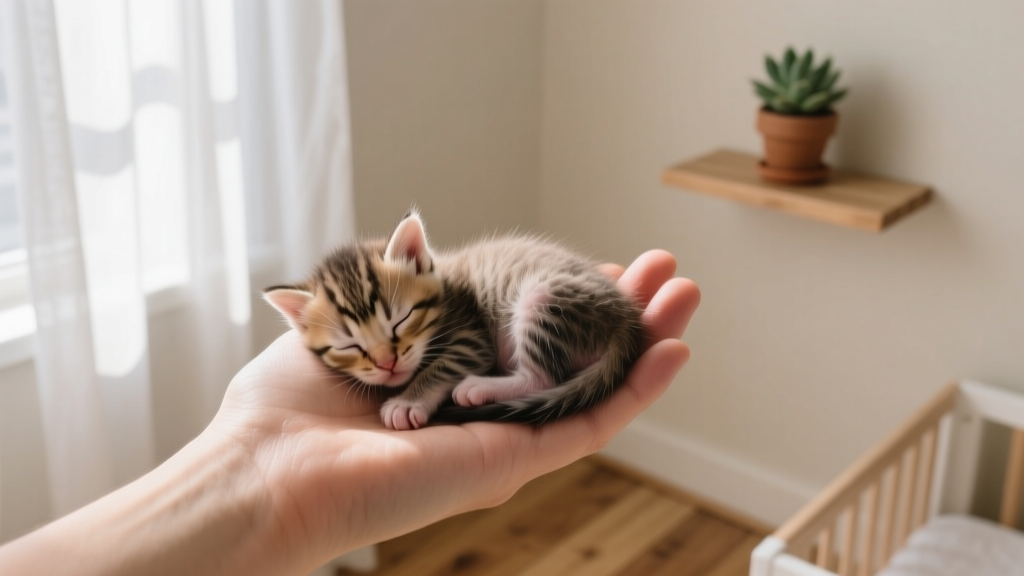
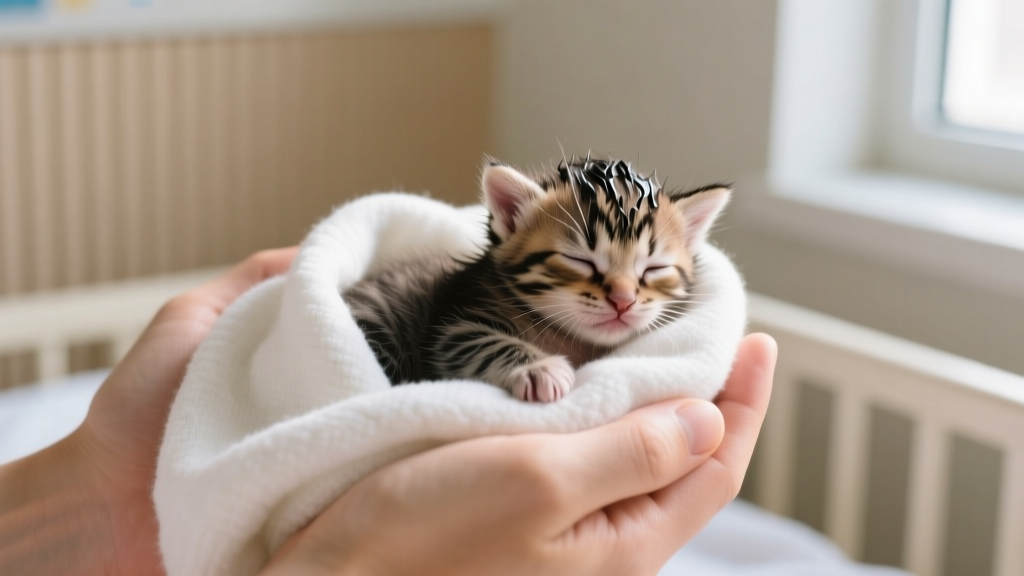
If you’re searching how to take care of a kitten just born, chances are you’re holding a tiny, trembling, pink body right now—and your heart is pounding. Newborn kittens are among the most fragile mammals on Earth: they can’t regulate their own body temperature, can’t urinate or defecate without stimulation, can’t nurse effectively if weak or chilled, and lose vital calories—and life—within hours if basic needs aren’t met. Unlike puppies or human babies, kittens are born neurologically underdeveloped: eyes closed, ears sealed, no shivering reflex, and zero immune protection beyond trace maternal antibodies (if they received colostrum). That means every decision you make in the first 48–72 hours directly determines survival. This isn’t pet care—it’s neonatal intensive care.
1. Warmth Is Life—Not Comfort
A newborn kitten’s normal rectal temperature is 95–99°F (35–37.2°C)—not the 100.5–102.5°F typical of adult cats. If it drops below 94°F, hypothermia sets in, halting digestion, suppressing immunity, and paralyzing the suck reflex. A chilling fact: hypothermia causes 68% of neonatal kitten deaths in orphaned litters (Journal of Feline Medicine and Surgery, 2021). You cannot rely on room temperature—even a cozy 75°F room is dangerously cold for a wet, naked newborn.
Action steps:
- Use a controlled heat source: A Snuggle Safe microwavable disc (wrapped in two layers of fleece) or a low-wattage heating pad set to low—never high—under half the nesting box so the kitten can move away if overheated. Never use hot water bottles (risk of burns) or human heating pads (too intense).
- Monitor continuously: Use a digital rectal thermometer (lubricated with KY jelly) every 30–60 minutes for the first 4 hours, then hourly. Insert only 0.5 inches—no deeper. Record temps in a log.
- Keep humidity at 55–65%: Dry air accelerates heat loss. Place a shallow dish of warm water nearby (not inside the nest) and cover ¾ of the box with a breathable blanket—never plastic or vinyl.
Pro tip: A healthy kitten should feel warm—not hot—to your inner wrist, and its belly should be soft and slightly rounded—not cool or tight.
2. Feeding: Colostrum First, Formula Second—And Never Cow’s Milk
Within the first 12–16 hours, newborns must receive colostrum—the antibody-rich first milk—if the mother is present and willing. It contains immunoglobulin G (IgG), which is absorbed intact through the kitten’s gut only during this narrow window. Without it, kittens face near-certain sepsis from environmental bacteria. But if mom is absent, ill, or rejecting the litter, you become the colostrum bridge—and timing is non-negotiable.
According to Dr. Susan Little, DVM and feline specialist with the American Association of Feline Practitioners, “Kittens who miss colostrum have a 92% higher risk of fatal neonatal sepsis. If no queen is available, plasma transfusion or colostrum replacer like Breeder’s Edge Nurture Mate must be administered by 12 hours—or it’s too late.”
If colostrum isn’t possible, switch immediately to a commercial kitten milk replacer (KMR or Just Born). Never use cow’s milk, goat’s milk, or homemade recipes—they cause severe osmotic diarrhea, dehydration, and metabolic acidosis within hours.
- Feeding frequency: Every 2–3 hours around the clock—including overnight—for the first week. That’s 8–12 feedings per 24 hours.
- Volume: 2–4 mL per feeding for days 1–3; increase to 5–7 mL by day 5. Overfeeding causes aspiration pneumonia—a leading cause of sudden death.
- Positioning: Hold kitten on its belly, head slightly elevated (like nursing), never on its back. Use a 1–3 mL syringe with a soft rubber nipple or a dedicated kitten bottle. Let them suck at their own pace—never force.
Watch for swallowing cues: rhythmic jaw movement, relaxed body, steady breathing. If the kitten gags, stops, or bubbles milk from its nose—stop immediately and gently tilt head down to drain.
3. Stimulation & Elimination: You Are Their Bladder and Bowels
Newborn kittens lack voluntary control over urination and defecation. They rely entirely on tactile stimulation—typically from the mother licking the genital and anal regions—to trigger reflex voiding. Without it, waste builds up, causing toxicosis, abdominal distension, and fatal urinary obstruction within 24 hours.
How to stimulate correctly:
- After every feeding, use a warm, damp (not dripping) cotton ball or soft tissue.
- Gently stroke the genital area in one direction (front to back) for 15–20 seconds—mimicking licking motion.
- Switch to the anal region and stroke lightly until urine or stool appears (usually within 10–30 seconds).
- Wipe gently after each void and discard the cotton ball.
You’ll know it’s working when you see clear-to-yellow urine and soft, mustard-yellow stool (meconium for first 24h, then transitioning to milk-fed stool). No output after 3 attempts? That’s an ER red flag.
Real-world case: A foster caregiver in Portland missed stimulation for 5 hours due to exhaustion. By morning, the kitten had a distended, painful abdomen and refused to eat. Emergency surgery revealed a urethral blockage—and though saved, it required 3 weeks of IV fluids and antibiotics. Prevention takes 45 seconds. Consequences last forever.
4. Hygiene, Monitoring & Red Flags: When to Call the Vet—Now
Cleanliness isn’t about aesthetics—it’s infection control. Newborns have zero adaptive immunity. Their skin barrier is thin, their gut permeable, and their respiratory defenses undeveloped. One contaminated feeding tube or unwashed hand can introduce E. coli, Streptococcus zooepidemicus, or Herpesvirus—all common causes of neonatal mortality.
Non-negotiable protocols:
- Wash hands with soap + water for 20 seconds before and after handling.
- Sterilize bottles/syringes daily in boiling water for 5 minutes (or run through dishwasher on sanitize cycle).
- Change bedding daily—or immediately if soiled or damp.
- Weigh kittens twice daily on a gram-scale. Healthy gain: 7–10 g/day. No gain = failure to thrive. Loss >5% body weight = urgent intervention.
Red flags requiring immediate veterinary attention (within 30 minutes):
- Cool, clammy skin or rectal temp < 94°F
- No urine/stool for >6 hours despite proper stimulation
- Weak, high-pitched, continuous crying (not short mews)
- Blue-tinged gums or tongue (cyanosis)
- Dragging hind legs, tremors, or inability to right itself when placed on side
- Bloody, frothy, or green vomit or diarrhea
| Age | Key Developmental Milestones | Critical Care Actions | When to Worry |
|---|---|---|---|
| 0–24 hours | Eyes closed, ears folded, no teeth, umbilical cord still attached (dries/crumbles by 3–5 days) | Colostrum or replacer ASAP; temp monitoring every 30 min; stimulate after every feeding; weigh at start/end of day | No suck reflex; no meconium in 24h; cord bleeding or foul odor |
| 24–72 hours | Begin rooting reflex; slight muscle tone improvement; begins crawling (not walking) | Maintain strict feeding schedule; continue stimulation; begin gentle massage to aid circulation; check cord stump daily | No weight gain; lethargy >2 hours between feeds; pale/purple gums |
| Day 4–7 | Starts lifting head; eyes may begin to slit open (fully open by day 10–14); ear canals begin to unfold | Introduce tiny amounts of warmed KMR on finger for oral motor practice; increase feeding volume gradually; add probiotic paste (FortiFlora) per vet guidance | Eyes remain sealed past day 14; discharge from eyes/ears; refusal to nurse for >2 consecutive feeds |
| Week 2 | Eyes fully open; ears upright; begins vocalizing more; attempts standing | Begin gentle socialization (soft talking, brief handling); introduce shallow litter tray with shredded paper; monitor for eye infections (conjunctivitis) | Crossed eyes persisting >48h; pus-like eye discharge; limping or dragging limb |
Frequently Asked Questions
Can I use human baby formula for a newborn kitten?
No—absolutely not. Human infant formula is designed for human digestive enzymes and nutrient absorption pathways. Kittens lack lactase persistence and cannot process the high lactose and soy content in most baby formulas. This leads to explosive, dehydrating diarrhea, metabolic imbalance, and rapid decline. Only use kitten-specific milk replacers approved by veterinarians—KMR, Just Born, or Breeder’s Edge.
How do I know if my kitten is getting enough to eat?
Look for three objective signs: (1) Steady weight gain—minimum 5–10 grams per day; (2) A round, soft, slightly distended belly after feeding (not tight or hard); and (3) 3–5 yellowish, soft stools and 4–6 clear-to-pale-yellow urinations per day. If the belly stays flat, the kitten cries incessantly, or diapers stay dry, it’s underfed—or unable to absorb nutrients due to chill or infection.
What if the mother cat won’t nurse her kittens?
First, rule out medical causes: mastitis (hot, painful, discolored mammary glands), fever, or retained placenta. If she’s physically capable but refuses, separation may be necessary—but only under veterinary supervision. Some queens reject kittens due to stress, first-time motherhood, or detecting illness in a kit. In such cases, full hand-rearing is required, and you should consult a vet within 2 hours to assess viability and discuss supportive care like subcutaneous fluids or antibiotics.
Is it safe to bathe a newborn kitten?
No. Bathing strips natural oils, crashes body temperature, and risks aspiration or hypoglycemia. Newborns clean themselves minimally via grooming—and mothers do the rest. If soiled, gently wipe with a warm, damp cloth and dry thoroughly with a soft towel. Never immerse or submerge. If severely soiled with feces or birthing fluids, consult your vet—they may recommend a safe, diluted chlorhexidine wipe.
When should I start deworming or vaccinating?
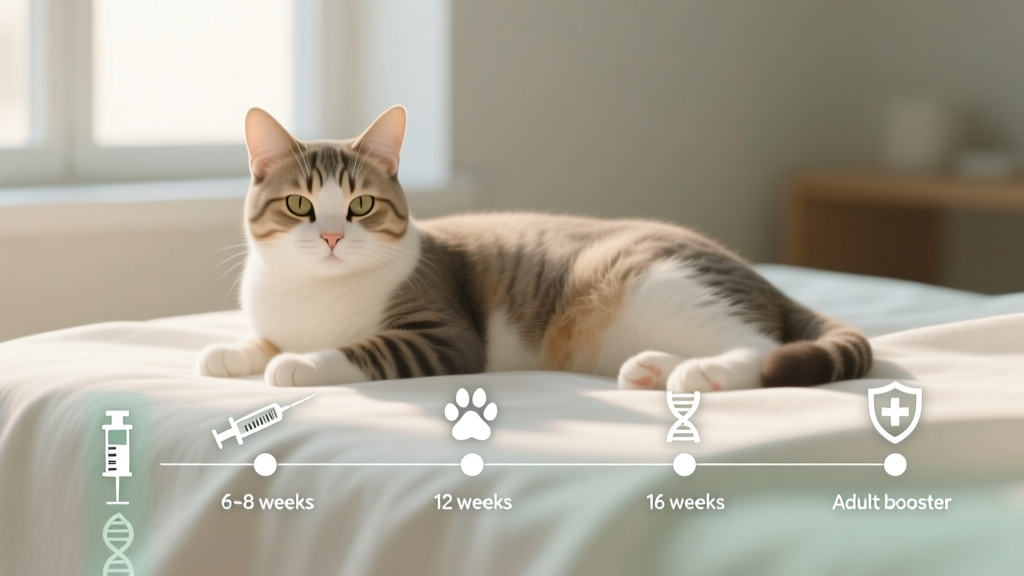
Deworming begins at 2 weeks for roundworms (using pyrantel pamoate—safe for neonates), repeated every 2 weeks until 8 weeks. Vaccines start at 6–8 weeks—not before. Neonates have maternal antibodies that neutralize vaccines given earlier, rendering them ineffective. Early vaccination also stresses immature immune systems. Always follow your veterinarian’s tailored protocol—not generic online advice.
Common Myths—Debunked by Veterinary Science
Myth #1: “Newborn kittens don’t need water—they get all hydration from milk.”
While true that milk provides primary hydration, environmental dryness (especially with heating pads) causes insensible water loss through skin and respiration. Low humidity (<40%) increases risk of mucous membrane desiccation and upper respiratory infection. Humidity matters—and it’s measurable.
Myth #2: “If a kitten is quiet, it’s sleeping peacefully.”
Actually, persistent silence in a newborn is more dangerous than crying. Healthy kittens mew frequently—especially when hungry or cold. Silence often signals profound weakness, neurological depression, or septic shock. Always check temperature, gum color, and responsiveness if a kitten goes unusually still.
Related Topics (Internal Link Suggestions)
- Kitten colostrum alternatives — suggested anchor text: "kitten colostrum replacer options"
- Signs of kitten dehydration — suggested anchor text: "how to tell if a kitten is dehydrated"
- Neonatal kitten sepsis symptoms — suggested anchor text: "kitten sepsis warning signs"
- When to start weaning kittens — suggested anchor text: "when to introduce solid food to kittens"
- Best kitten milk replacer brands — suggested anchor text: "top vet-recommended kitten formula"
Your Next Step: Don’t Wait—Act With Precision
You now hold knowledge that separates survival from loss. But knowledge without action is inert. If you’re reading this while holding a newborn kitten: take its temperature now. If it’s below 95°F, warm it slowly using the methods above—then feed colostrum or KMR within 30 minutes. Then call your nearest 24-hour veterinary hospital and say these exact words: *“I have a newborn kitten under 72 hours old showing [insert symptom]. I need neonatal triage.”* Most clinics will prioritize this as an emergency—even without appointment. Print this guide. Keep your gram scale, thermometer, and KMR within arm’s reach. And remember: you are not expected to be perfect—you’re expected to be present, precise, and persistent. Every minute counts. Now go—your kitten is counting on you.