How to Properly Care for a Kitten: The 7 Non-Negotiable Health & Safety Steps Every New Owner Misses (And Why Skipping Just One Puts Your Kitten at Risk)
Why Getting Kitten Care Right the First 30 Days Changes Everything
If you’re asking how to properly care for a kitten, you’re not just looking for feeding tips—you’re stepping into a high-stakes, time-sensitive window where small oversights can cascade into lifelong health issues, behavioral trauma, or even preventable death. Kittens under 12 weeks have immature immune systems, undeveloped thermoregulation, and neuroplastic brains that wire permanently based on early experiences. A 2023 study in the Journal of Feline Medicine and Surgery found that kittens receiving incomplete deworming before 8 weeks were 3.7x more likely to develop chronic gastrointestinal disease by age 2—and yet, over 62% of first-time adopters skip or delay this step. This isn’t about perfection—it’s about prioritizing what science and veterinary consensus confirm is non-negotiable.
Your Kitten’s First 72 Hours: The Critical Triage Window
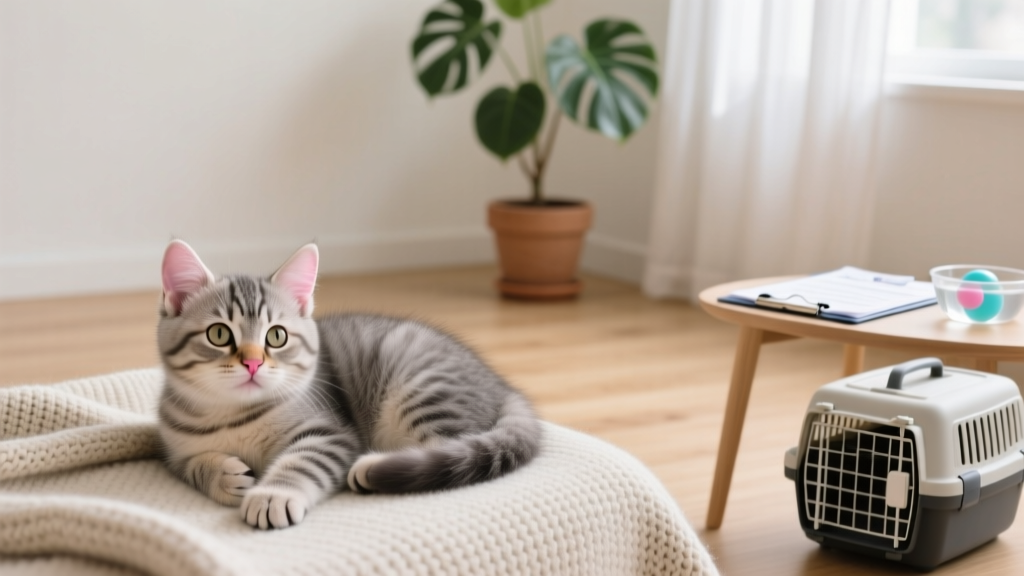
Before you buy toys or name your new friend, complete this triage checklist—no exceptions. Veterinarian Dr. Lena Cho, DVM and clinical advisor to the American Association of Feline Practitioners (AAFP), stresses: “The first 72 hours are when we catch 90% of congenital issues—like heart murmurs, cleft palates, or failure-to-thrive syndrome—that get missed if owners wait for the ‘first vet visit’.”
- Temperature check: Use a digital rectal thermometer (lubricated with water-based lube). Normal temp: 100.4–102.5°F. Below 99°F = hypothermia risk; above 103°F = possible infection—seek emergency care immediately.
- Hydration test: Gently pinch the skin between the shoulder blades. It should snap back in <1 second. Delayed recoil (>2 seconds) indicates moderate-to-severe dehydration—common in orphaned or stressed kittens and requires subcutaneous fluids (not oral water alone).
- Stool & urine observation: Must pass meconium (black, tarry stool) within 24 hours. By day 2, stools should be soft, yellow-brown, and formed. No urine output in 12+ hours? That’s an ER-level red flag.
- Feeding verification: If bottle-feeding, ensure proper latch (no air gulping) and measure intake: 8–10 mL per 100g body weight every 2–3 hours—including overnight—for kittens under 3 weeks. Underfeeding causes rapid blood sugar crash (<60 mg/dL), leading to seizures.
Pro tip: Keep a logbook (digital or paper) tracking time, amount fed, stool/urine notes, and temperature—this becomes invaluable during vet visits and helps spot subtle declines before they escalate.
Vaccination, Parasite Control & Preventive Health: Timing Is Everything
Most owners think vaccinations start at 8 weeks—but that’s dangerously late for core protection. According to the AAFP’s 2023 Feline Vaccination Guidelines, the first FVRCP vaccine must be administered at 6 weeks for kittens in high-risk environments (shelters, multi-cat homes, or those with outdoor exposure). Why? Maternal antibodies wane unpredictably; delaying until 8 weeks leaves a 2–3 week immunity gap where panleukopenia—a 90% fatal virus in unvaccinated kittens—can strike without warning.
Parasite control is equally urgent. A fecal float test should be performed at intake—even if the kitten appears healthy. Over 85% of kittens under 12 weeks carry at least one intestinal parasite (roundworms, hookworms, or coccidia), per data from the Companion Animal Parasite Council (CAPC). But here’s what most guides omit: Not all dewormers work on all stages. Pyrantel pamoate kills adult roundworms but not larvae—so repeat dosing at 2-week intervals is mandatory (days 0, 14, and 28) to break the lifecycle.
External parasites demand equal urgency. Flea infestations in kittens under 1.5 lbs can cause fatal anemia in under 24 hours. Never use dog flea products—they contain permethrin, which is neurotoxic and often fatal to cats. Safer options? Capstar (nitenpyram) is FDA-approved for kittens as young as 4 weeks and 2.2 lbs, killing fleas within 30 minutes—but it doesn’t prevent reinfestation. Pair it with thorough environmental cleaning: vacuum daily (discard bag/canister immediately), wash bedding at >140°F, and treat carpets with food-grade diatomaceous earth (DE) — never pool-grade DE, which is hazardous.
The Socialization Sweet Spot: 2–7 Weeks Is Neurological Gold
Behavioral health is inseparable from physical health—and the window for safe, effective socialization closes at 7 weeks. Dr. Pamela Perry, a board-certified veterinary behaviorist, explains: “After week 7, novel stimuli trigger fear circuits instead of curiosity pathways. Miss this window, and shyness, aggression, or litter box avoidance may become hardwired—not ‘just personality.’”
This isn’t about overwhelming your kitten. It’s about structured, positive exposures:
- People variety: Introduce 1–2 new, calm people daily—different ages, genders, clothing (hats, glasses, uniforms), and voices. Reward with tiny treats (crushed freeze-dried chicken) only *after* relaxed interaction—not during stress.
- Surface & sound mapping: Place kitten on carpet, tile, grass (supervised), and cardboard. Play recordings of vacuum sounds, doorbells, and children laughing—at low volume, increasing gradually over days.
- Handling protocol: Daily 5-minute sessions: gently touch paws, ears, mouth, and tail while offering treats. Stop *before* signs of stress (dilated pupils, flattened ears, tail flicking). Build duration slowly.
Real-world case: Luna, a 4-week-old stray, flinched at human hands. Her foster used 10-day desensitization: Day 1–2, hand rested 12 inches away with treats; Day 3–4, hand moved to 6 inches; Day 5–7, fingertip near paw; Day 8–10, brief paw touch + treat. By day 12, she allowed full handling. Without this, she’d likely have developed lifelong handling aversion—leading to vet visit struggles and poor dental care later.
Environmental Safety: The Hidden Hazards You Can’t See
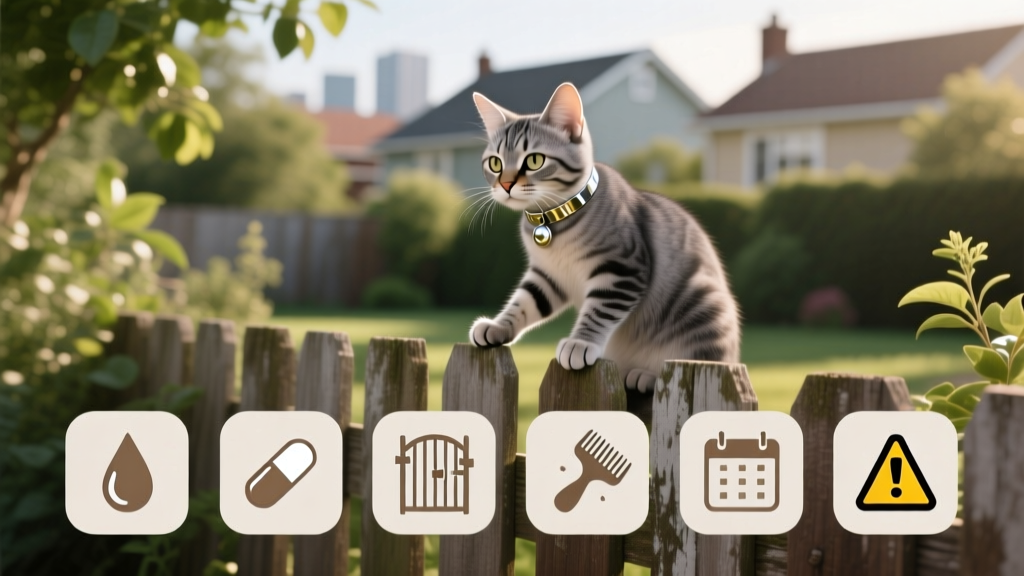
Kittens explore with mouths and claws—and their curiosity is lethal in unprepared homes. The ASPCA Animal Poison Control Center reports that 68% of kitten poisonings involve human medications accidentally left within reach—especially ibuprofen, acetaminophen, and antidepressants. But physical dangers are just as prevalent:
- Cord chewing: Use cord concealers (not just covers—kittens chew through fabric sleeves). Unplug and store chargers when not in use.
- Small object ingestion: Avoid rubber bands, hair ties, string, and tinsel—linear foreign bodies can saw through intestines. A 2022 review in Veterinary Surgery showed 41% of intestinal obstructions in kittens under 4 months involved thread or yarn.
- High places: Kittens lack depth perception until ~5 weeks. Anchor bookshelves, block open balconies, and close toilet lids—drowning is a top-5 cause of accidental kitten death.
- Houseplants: Lilies (all parts), sago palms, and philodendrons cause acute kidney failure or liver necrosis. Keep them in closed rooms or replace with cat-safe options like spider plants or Boston ferns.
Also critical: litter box setup. Use unscented, non-clumping clay or paper-based litter for kittens under 4 months. Clumping litter expands when wet—and if ingested (common during grooming), it can cause life-threatening GI blockages. Place the box in a quiet, low-traffic area—not next to the washer/dryer or litter box. And always provide *one more box than the number of cats*—yes, even for a single kitten. It prevents elimination anxiety and builds lifelong habits.
| Age Range | Critical Health Actions | Red Flags Requiring Immediate Vet Visit | Professional Recommendation Source |
|---|---|---|---|
| 0–2 weeks (Neonatal) | Warmth maintenance (90–95°F ambient), feeding every 2–3 hrs, stimulation for urination/defecation, daily weight checks (+7–10g/day expected) | No weight gain for 24+ hrs; refusal to nurse >2 feeds; blue/pale gums; labored breathing | American Veterinary Medical Association (AVMA) Neonatal Care Guidelines |
| 3–4 weeks | Begin weaning (gruel: kitten milk replacer + high-quality wet food); introduce litter box; start gentle handling; first fecal test | Diarrhea lasting >12 hrs; blood in stool; inability to stand or hold head up | Companion Animal Parasite Council (CAPC) & AAFP |
| 5–7 weeks | FVRCP vaccination (first dose); deworming #1; begin socialization plan; switch to kitten-specific food | Sudden lethargy; persistent vomiting; eye/nasal discharge lasting >24 hrs | AAFP 2023 Vaccination Guidelines |
| 8–12 weeks | FVRCP booster #2; rabies vaccine (if local law permits); fecal retest; spay/neuter consult (earliest safe age: 8 weeks for healthy kittens >2 lbs) | Straining to urinate with no output; seizures; collapse; green/yellow nasal discharge | ASPCA & AVMA Joint Position Statement on Pediatric Spay/Neuter |
Frequently Asked Questions
Can I bathe my kitten?
No—unless medically necessary (e.g., pesticide exposure). Kittens cannot regulate body temperature well, and bathing causes dangerous chilling. Instead, use a warm, damp washcloth to spot-clean soiled areas. If truly soiled, consult your vet for safe enzymatic cleaning solutions. Never use human shampoo—it disrupts their delicate skin pH and can cause chemical burns.
When should I take my kitten to the vet for the first time?
Within 24–48 hours of adoption—or sooner if any red flags appear (see timeline table). This first visit isn’t just a ‘check-up’; it includes a full physical exam, fecal test, parasite screening, baseline weight/temp, and personalized vaccination/deworming schedule. Waiting until 8 weeks risks missing critical early interventions.
Is it okay to give my kitten cow’s milk?
No—absolutely not. Kittens lose lactase enzymes after weaning, making them lactose-intolerant. Cow’s milk causes severe diarrhea, dehydration, and electrolyte imbalance—potentially fatal in young kittens. Always use a commercial kitten milk replacer (KMR or similar) formulated for feline digestion.
How do I know if my kitten is stressed?
Watch for flattened ears, tucked tail, excessive hiding (>18 hrs/day), loss of appetite for >12 hrs, over-grooming (bald patches), or sudden litter box avoidance. Stress suppresses immunity—increasing susceptibility to upper respiratory infections (URIs), which kill more kittens annually than any other condition. Reduce stress with vertical space (cat trees), pheromone diffusers (Feliway Classic), and predictable routines.
Should I declaw my kitten?
No—declawing (onychectomy) is illegal in 13 countries and banned in multiple U.S. cities. It’s amputation of the last bone of each toe, causing chronic pain, lameness, and increased biting behavior. The American Association of Feline Practitioners condemns it as ethically unacceptable. Use soft nail caps (Soft Paws) or regular nail trims instead.
Common Myths About Kitten Care
Myth #1: “Kittens are born with immunity from their mother—so they don’t need vaccines right away.”
False. Maternal antibodies provide temporary, uneven protection that wanes unpredictably between 4–12 weeks. Relying on them leaves dangerous gaps. Vaccination starts at 6 weeks to ensure coverage as maternal immunity drops.
Myth #2: “If my kitten seems fine, they must be healthy.”
Dangerously misleading. Kittens mask illness instinctively—a survival trait. By the time symptoms like lethargy, hiding, or decreased appetite appear, disease is often advanced. Regular monitoring (weight, stool, hydration, temp) is essential—not optional.
Related Topics (Internal Link Suggestions)
- Kitten Vaccination Schedule — suggested anchor text: "kitten vaccination timeline"
- Best Kitten Food Brands (Veterinarian-Approved) — suggested anchor text: "what to feed a kitten"
- How to Litter Train a Kitten in 7 Days — suggested anchor text: "kitten litter training guide"
- Signs of Illness in Kittens — suggested anchor text: "kitten sickness symptoms"
- When to Spay or Neuter a Kitten — suggested anchor text: "safe age to spay kitten"
Your Next Step Starts Today—Not Tomorrow
How to properly care for a kitten isn’t a vague ideal—it’s a sequence of evidence-backed actions, timed precisely to match their biological development. You now know the 72-hour triage steps, why 6-week vaccinations matter, how to harness the 2–7 week socialization window, and what hidden hazards could derail everything. Don’t wait for ‘the perfect time.’ Grab a notebook, schedule that first vet visit *today*, and run the hydration and temperature checks *tonight*. Your kitten’s lifelong health, trust, and resilience begin with what you do in the next 48 hours—not the next 48 days. Ready to build your personalized care plan? Download our free Kitten Care Tracker & Vet Visit Prep Sheet—complete with printable logs, vaccine reminders, and symptom red-flag checklists.