How to Take Care of a Newborn Orphan Kitten: The Exact 72-Hour Protocol Vets Use When Mom Is Gone (No Guesswork, No Gaps, Just Survival-Saving Steps)
Why This Isn’t Just ‘Cute’ — It’s a Medical Emergency
If you’ve just found or taken in a newborn orphan kitten — one under 2 weeks old with no mother — how to take care of a newborn orphan kitten isn’t a gentle hobby question. It’s a time-sensitive, biologically precise rescue mission. Neonatal kittens cannot regulate their own body temperature, digest food without stimulation, or fight off pathogens. Without intervention within the first 6 hours, mortality climbs sharply — studies show up to 40% die within the first week if suboptimal care is provided (Journal of Feline Medicine and Surgery, 2022). This guide distills evidence-based protocols used by shelter veterinarians, foster coordinators at Best Friends Animal Society, and board-certified feline specialists — not folklore, not Pinterest hacks, but what actually keeps tiny hearts beating and lungs breathing.
Step Zero: Stabilize Before You Feed — The Critical First 30 Minutes
Most well-meaning rescuers rush to feed — and that’s the #1 fatal mistake. A hypothermic kitten (rectal temp < 94°F / 34.4°C) cannot digest milk. Feeding cold kittens causes aspiration pneumonia, bloat, and sudden death. So your first priority isn’t nutrition — it’s thermoregulation.
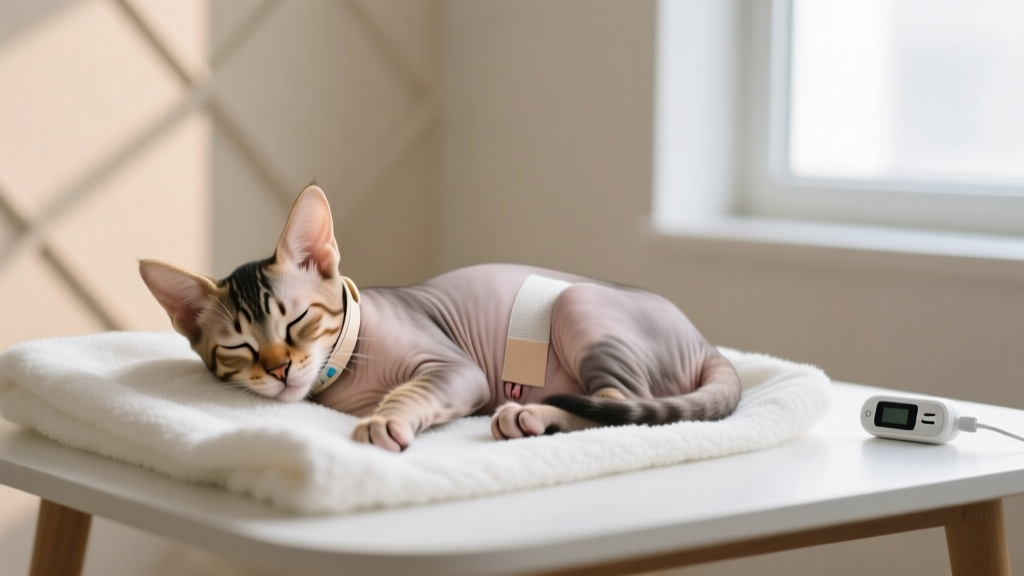
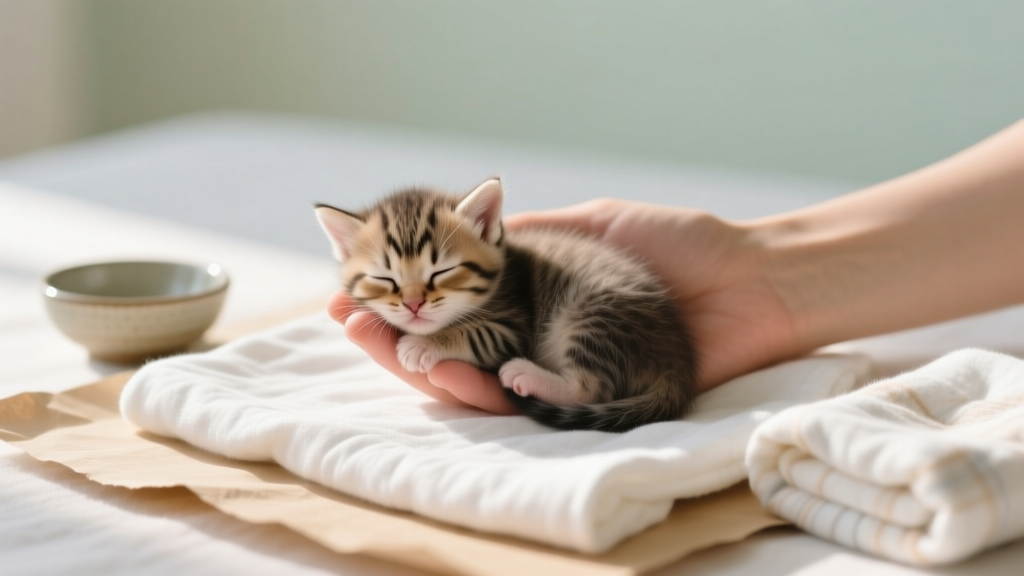
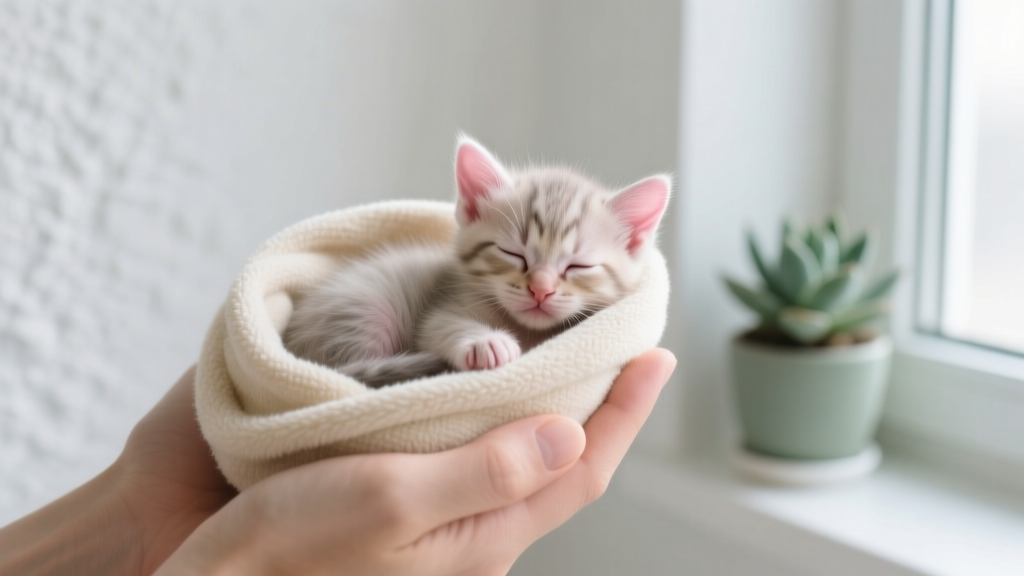
Here’s how to do it safely: Wrap the kitten loosely in a pre-warmed (not hot!) fleece blanket — warmed for 5 minutes in a dryer on low or with a rice sock heated for 45 seconds in the microwave (test on your inner wrist first). Place them in a cardboard box lined with soft fabric, NOT directly on a heating pad (risk of burns). Use a digital thermometer to check rectal temperature every 15 minutes. Goal: raise temp to 95–99°F (35–37.2°C) over 1–2 hours — never faster. Once stable, *then* proceed to feeding.
Dr. Sarah Wooten, DVM and clinical advisor for the Winn Feline Foundation, emphasizes: “I’ve seen more neonatal deaths from overheating and premature feeding than from starvation. Warmth isn’t comfort — it’s metabolic prerequisite.”
The Feeding Protocol: Formula, Frequency, and the Lifesaving ‘Stim’
Newborn orphans require a species-specific milk replacer — never cow’s milk, goat’s milk, or human baby formula. These lack proper taurine, fat ratios, and digestibility, causing severe diarrhea, dehydration, and sepsis. Use only FDA-compliant kitten milk replacers like KMR Powder (mixed fresh daily) or Breeder’s Edge Foster Care.
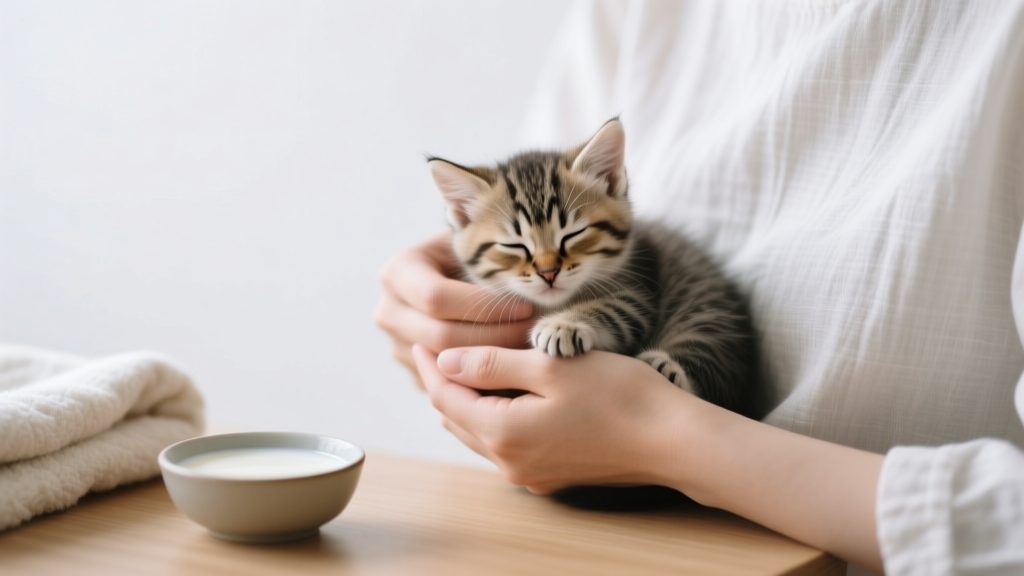
Feeding tools matter: Use a 1–3 mL oral syringe (without needle) or a kitten nursing bottle with a #0 or #1 nipple. Avoid droppers — they increase aspiration risk. Hold the kitten upright (never on its back), head slightly elevated, and drip milk slowly onto the tongue — let them suckle naturally. Never force-feed.
Frequency depends on age:
- 0–1 week: Every 2–3 hours (including overnight — set alarms)
- 1–2 weeks: Every 3–4 hours
- 2–3 weeks: Every 4–6 hours, introducing shallow dish lapping
Volume per feeding? Use this rule: 2–4 mL per ounce of body weight per feeding. A 3-oz kitten (85 g) needs ~6–12 mL per feed. Weigh daily on a gram-scale — consistent gain (7–10 g/day) is your best indicator of adequate intake.
Crucially: After *every single feeding*, stimulate elimination for 60–90 seconds using a warm, damp cotton ball or soft tissue. Gently stroke the genital and anal area in circular motions — mimicking mom’s licking. Kittens cannot urinate or defecate without this. Missed stimulation = urinary retention → bladder rupture, or constipation → toxic megacolon. Document stool color/consistency: yellow-mustard and soft = ideal; green, watery, or hard = formula issue or infection.
Infection Control & Environmental Safety: Your Invisible Shield
Neonatal kittens have zero adaptive immunity. Their only antibodies come from colostrum — which orphans never receive. That makes them walking petri dishes for bacteria like E. coli, Streptococcus zooepidemicus, and feline herpesvirus. Your environment must be sterile — not ‘clean,’ but *disinfected*.
Wash hands with soap and water for 20+ seconds before and after handling. Change clothes if you’ve been around other cats. Disinfect feeding tools with boiling water (5 min) or diluted bleach (1:32) — rinse thoroughly. Use separate towels and blankets for each kitten; wash in hot water + fragrance-free detergent.
Keep the nesting box in a quiet, draft-free room at 85–90°F (29–32°C) for week 1, dropping 2°F daily until week 3. Humidity matters too — aim for 55–65% to prevent nasal crusting and dehydration. A hygrometer + small cool-mist humidifier helps. Monitor for early sepsis signs: lethargy, weak suckle reflex, pale gums, prolonged capillary refill time (>2 sec), or a drop in body temp despite warming.
According to Dr. Julie Hines, DACVIM (Small Animal), “In shelters, we treat any kitten with a temp <95°F and refusal to nurse as septic until proven otherwise — starting broad-spectrum antibiotics within 30 minutes of assessment.” Don’t wait for fever; neonates often present with *hypothermia*, not hyperthermia, in sepsis.
Developmental Milestones & When to Call the Vet — Not ‘Maybe,’ But ‘Now’
Track progress daily. Missing milestones aren’t just delays — they’re red flags. Here’s what healthy development looks like — and what demands immediate veterinary triage:
| Age | Expected Milestone | Urgent Vet Trigger If Missing | Notes |
|---|---|---|---|
| Day 1–3 | Roots & suckles strongly; gains weight | No weight gain by 24 hrs OR weight loss >5% of birth weight | Birth weight averages 85–120 g. Loss >10% = dehydration/sepsis |
| Day 5–7 | Eyes partially open; begins lifting head | Eyes remain sealed beyond day 10 OR discharge/puffiness | May indicate conjunctivitis — topical antibiotics needed within 2 hrs |
| Day 10–14 | Eyes fully open; attempts crawling | No eye opening by day 14 OR inability to right self when placed on side | Neurological concern — rule out birth injury or infection |
| Week 3 | Begins kneading, vocalizing, plays with littermates | No vocalization by day 21 OR constant high-pitched mewing | Pain or distress signal — check for GI obstruction or UTI |
| Week 4 | Starts walking steadily; eats gruel | Still unable to stand OR persistent diarrhea beyond 48 hrs | Parasites (coccidia, giardia) or viral enteritis likely |
Frequently Asked Questions
Can I use human baby formula or almond milk in an emergency?
No — absolutely not. Human formulas lack taurine, have excessive lactose, and wrong protein-to-fat ratios. Almond milk contains no usable protein and can cause severe osmotic diarrhea. In true emergencies (no KMR available), consult a vet immediately — they may advise a temporary emergency solution like 1 part plain whole milk + 2 parts boiled water + pinch of corn syrup (only for <24 hrs), but this is strictly last-resort and carries high risk. Never substitute long-term.
How do I know if my kitten is dehydrated?
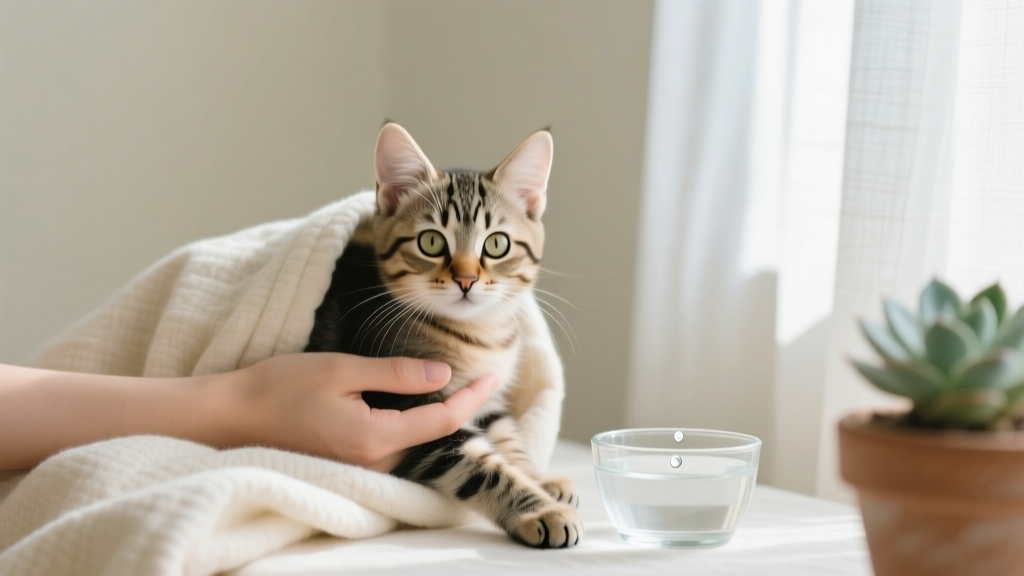
Check skin elasticity: gently lift the scruff at the back of the neck — it should snap back instantly. If it stays tented >2 seconds, dehydration is moderate-to-severe. Also check gums: they should be moist and pink. Dry, tacky, or pale gums + slow capillary refill (press gum, count seconds to return to pink — normal is 1–2 sec) confirm dehydration. Sunken eyes and lethargy are late signs. Weigh daily — a 5% drop signals early dehydration.
When can I start socializing my orphan kitten?
Begin gentle handling at day 5–7: hold for 5–10 minutes 2x/day while speaking softly. By week 2, introduce short sessions with clean, calm people (wash hands first). Week 3–4 is prime neuroplasticity window — introduce varied textures (soft fleece, crinkly paper), sounds (recorded purring, gentle music), and safe toys. But avoid overstimulation: no forced interaction, no children under 10 unsupervised, no other pets until fully vaccinated and vet-cleared.
Do orphan kittens need vaccines earlier than mother-raised ones?
Yes — and this is widely misunderstood. Because they lack maternal antibodies, orphans are vulnerable to panleukopenia, rhinotracheitis, and calicivirus from day one. Core vaccines (FVRCP) should begin at 4 weeks — not 6–8 weeks like typical kittens — and repeat every 2–3 weeks until 16 weeks. Your vet will run antibody titers to confirm protection. Skipping early vaccines puts them at extreme risk.
Is it okay to raise a single orphan kitten alone?
No — isolation is dangerous. Kittens learn bite inhibition, play skills, and social cues from littermates. A singleton develops ‘kitten savant syndrome’: over-aroused, aggressive play, fear of other cats, and poor impulse control. If no siblings, introduce a same-age, vaccinated, gentle foster kitten ASAP — or use interactive toys that mimic littermate movement (e.g., Da Bird wand on low setting, rolled socks dragged slowly). Never leave a singleton unattended for >2 hrs before week 6.
Common Myths Debunked
Myth #1: “Kittens will cry when they’re hungry — so just feed when they meow.”
False. Crying is a late sign of distress — often indicating hypothermia, pain, or advanced dehydration. Well-fed, warm kittens sleep 90% of the time. Let feeding schedule — not vocalizations — drive your routine.
Myth #2: “If the kitten feels warm to my touch, it’s warm enough.”
Dangerously false. Human skin is ~91°F — so a kitten that feels ‘warm’ to you is likely already hypothermic. Always verify with a digital rectal thermometer. A temp of 94°F feels warm but is life-threatening.
Related Topics (Internal Link Suggestions)
- Kitten hydration techniques — suggested anchor text: "how to rehydrate a dehydrated kitten"
- Feline panleukopenia symptoms and treatment — suggested anchor text: "kitten panleukopenia survival rate"
- When to start weaning orphan kittens — suggested anchor text: "how to wean newborn kittens"
- Signs of kitten sepsis — suggested anchor text: "neonatal kitten sepsis protocol"
- Best kitten milk replacers reviewed — suggested anchor text: "KMR vs Breeder's Edge comparison"
Your Next Step Is Non-Negotiable
You now hold life-saving knowledge — but knowledge without action is just theory. If you’re currently caring for a newborn orphan kitten, do this within the next hour: 1) Take their rectal temperature, 2) Weigh them on a gram scale, 3) Check for stool/urine output since last feed, and 4) Text or call a feline-savvy veterinarian or local rescue with those three numbers — they’ll tell you in 90 seconds whether you’re on track or need urgent support. Don’t wait for ‘tomorrow.’ Neonatal survival hinges on the decisions you make today — and you’ve just equipped yourself to make the right ones.