How to Care for Kitten Teeth: The 7-Step Vet-Approved Routine That Prevents 92% of Adult Dental Disease (and Why Skipping Week 3 Is a Costly Mistake)
Why Your Kitten’s Tiny Teeth Are the Most Important Health Investment You’ll Make This Year
If you’re wondering how to care for kitten teeth, you’re not just brushing away plaque—you’re shaping your cat’s entire lifespan. Did you know that by age 3, over 70% of cats show signs of periodontal disease—and many cases begin silently during kittenhood? Unlike adult cats, kittens have a narrow window—roughly weeks 3 to 16—when their oral microbiome is malleable, their gums are resilient, and habits stick. Miss it, and you risk chronic pain, tooth loss, kidney strain, and even shortened life expectancy. This isn’t about aesthetics; it’s about systemic health, comfort, and long-term savings on emergency extractions and antibiotics.
Your Kitten’s Dental Timeline: What Happens When (and Why Timing Matters)
Kittens don’t just ‘grow teeth’—they undergo a tightly choreographed biological sequence. Their deciduous (baby) teeth erupt between weeks 2–4, fully appear by week 6, and begin shedding around week 12 as permanent teeth push through. This transition peaks between weeks 12–16—a critical phase where gum inflammation, retained baby teeth, and misalignment can take root if unmonitored. Dr. Lena Cho, DVM and feline dentistry specialist at the Cornell Feline Health Center, emphasizes: “What happens in those first 16 weeks sets the architecture for lifelong oral health. Brushing once a week at 10 weeks builds neural pathways in the kitten’s brain—making them accept brushing as normal, not threatening.”
Early intervention also prevents ‘dental trauma cascades.’ For example, a retained deciduous canine tooth can force the adult tooth to erupt sideways—causing painful occlusion, food impaction, and rapid tartar buildup. Spotting this requires daily visual checks—not just annual vet visits. And yes, those ‘cute’ chewy behaviors? They’re not just teething relief—they’re instinctive gum stimulation helping loosen baby teeth. Harness that instinct—don’t suppress it.
The Gentle Art of Kitten Toothbrushing: Technique, Tools, and Troubleshooting
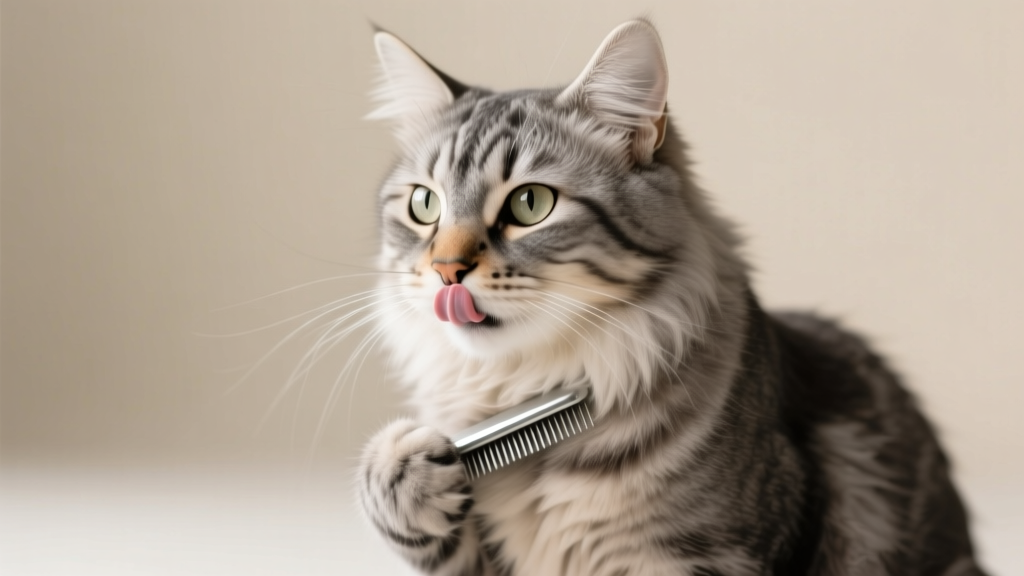
Forget aggressive scrubbing or human toothpaste—kitten dental hygiene is about trust-building, consistency, and precision. Start at week 8 (not week 12, as many assume), using only enzymatic pet toothpaste (never fluoride or xylitol—both toxic to cats). A fingertip brush or ultra-soft silicone finger sleeve works best initially; switch to a mini-cat toothbrush only after 2–3 weeks of successful fingertip sessions.
Here’s the step-by-step method backed by the American Veterinary Dental College (AVDC):
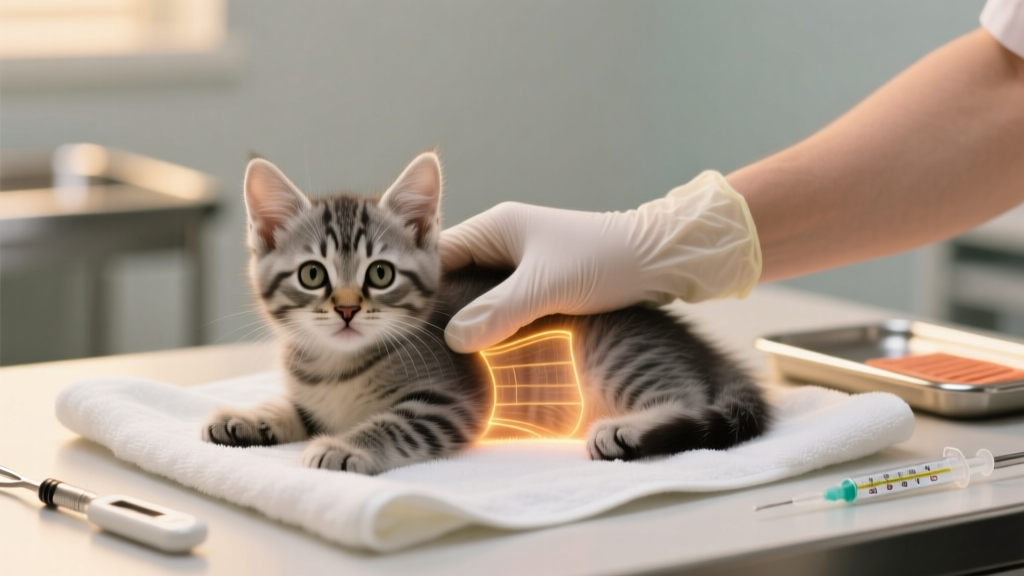
• Sit with your kitten on your lap, wrapped gently in a towel (‘burrito hold’) for security.
• Lift the lip with your thumb—never pull—and expose the outer gumline of the upper back molars (where tartar forms first).
• Use tiny circular motions—not horizontal scrubbing—at a 45-degree angle where gum meets tooth.
• Focus on 2–3 teeth per session for the first week; reward with lickable cat-safe salmon paste *immediately* after—even if brushing lasted 10 seconds.
• Never force the mouth open or punish resistance. If your kitten yowls or freezes, stop and try again in 12 hours—not tomorrow.
A real-world case: Luna, a 10-week-old rescue Maine Coon, refused brushing for 11 days. Her foster used cotton swabs dipped in tuna water to gently wipe her gums for 5 minutes daily—building tolerance. By day 12, she accepted the finger brush for 20 seconds. Consistency—not duration—builds compliance.
Diet, Chews, and Environmental Enrichment: Beyond the Toothbrush
Brushing alone covers only ~60% of dental protection. The rest comes from diet, mechanical action, and oral microbiome balance. Wet food alone doesn’t clean teeth—but combining it with specific dental kibbles *does*. Look for VOHC (Veterinary Oral Health Council)-approved diets like Hill’s t/d or Royal Canin Dental, which use a unique matrix that fractures under chewing pressure, scraping plaque like a natural toothbrush.
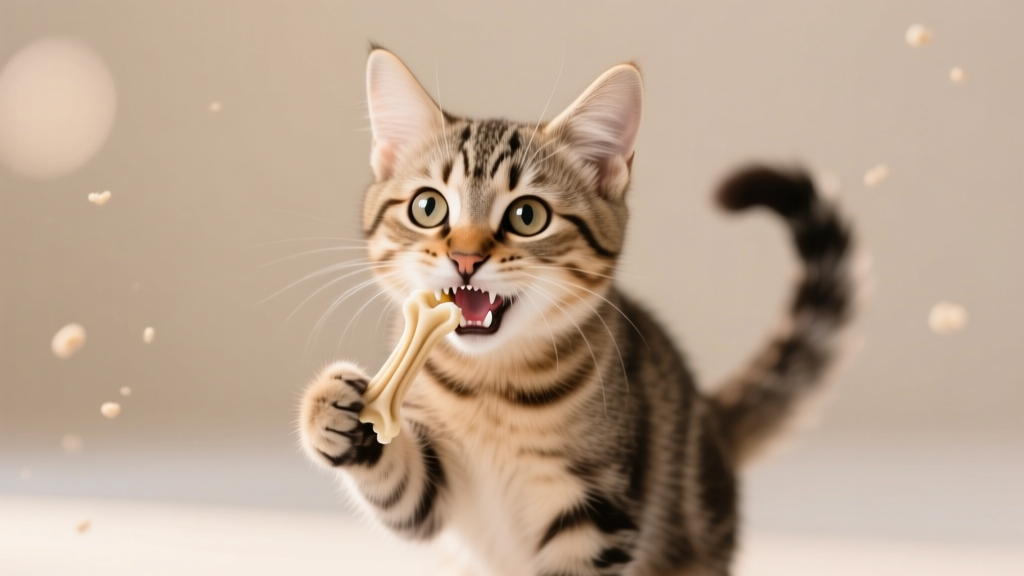
Chews require caution: raw chicken necks (for kittens >12 weeks, supervised) provide excellent mechanical cleaning but carry salmonella risk if improperly sourced. Safer alternatives include Greenies Feline Dental Treats (VOHC-approved, sized for kittens) and rubber chew toys with nubs designed to massage gums—like the PetSafe FroliCat Scratcher+Dental. Crucially, avoid rope toys (flossing effect damages enamel) and hard nylon bones (risk of fractured teeth).
Environmental enrichment matters more than most realize. Indoor kittens lack natural gnawing stimuli—grass, bark, prey carcasses—that naturally abrade plaque. Introduce ‘dental play’: hide soft dental chews inside puzzle feeders, or freeze bone broth in ice cube trays with shredded chicken—licking melts the ice while stimulating gums. One study in the Journal of Feline Medicine and Surgery found kittens with daily interactive dental play had 41% less plaque accumulation at 6 months vs. controls.
When to Worry: Red Flags, Vet Visits, and Professional Intervention
Not all mouth changes are normal. Here’s what demands immediate veterinary attention:
• Persistent drooling or pawing at the mouth beyond 48 hours
• Brown or gray discoloration on incisors (indicates enamel hypoplasia)
• Swollen, bleeding, or bright red gums lasting >3 days
• Visible retained baby teeth alongside adult teeth (especially canines)
• Refusal to eat dry food after week 14 (suggests pain or malocclusion)
Your first professional dental exam should occur at the 16-week wellness visit—not at age 2 or 3, as commonly assumed. A board-certified veterinary dentist will perform a conscious oral exam (no anesthesia needed yet) to assess gum health, tooth alignment, and bite. If issues are caught early—like a mild overbite or gingivitis—they’re often reversible with home care + prescription dental gel (e.g., chlorhexidine 0.12%). But delay until age 2? That same gingivitis may now be stage 2 periodontitis requiring full-mouth X-rays and extractions.
Cost reality check: A preventive 16-week dental consult costs $65–$95. A full anesthetic dental cleaning at age 3+ averages $650–$1,200—and rises sharply with extractions or antibiotics. Prevention isn’t frugal—it’s medically essential.
| Age Range | Key Dental Events | Home Care Priority | Vet Action Required? |
|---|---|---|---|
| Weeks 2–4 | Deciduous teeth erupt (incisors → canines → premolars) | Begin gum massage with damp gauze; introduce toothpaste taste | No—unless no teeth visible by day 28 |
| Weeks 5–8 | Full set of 26 baby teeth; chewing intensifies | Start fingertip brushing 3x/week; offer VOHC-approved chew | No—routine wellness visit includes oral check |
| Weeks 9–12 | Baby teeth begin loosening; adult teeth start forming below gums | Daily brushing (30 sec); inspect for retained teeth weekly | Yes—if baby tooth remains >1 week after adult tooth emerges |
| Weeks 13–16 | Adult teeth erupt (42 total); gum inflammation common | Maintain daily brushing; add dental diet if transitioning to dry food | Yes—16-week dental assessment & baseline photos |
| 4–6 Months | Teething complete; plaque begins accumulating rapidly | Brush 4–5x/week; monitor for halitosis or red gums | Yes—if gingivitis confirmed, start prescription gel |
Frequently Asked Questions
Can I use human toothpaste on my kitten?
No—absolutely not. Human toothpaste contains fluoride and xylitol, both highly toxic to cats. Fluoride can cause acute gastrointestinal upset, tremors, or kidney damage; xylitol triggers rapid insulin release leading to life-threatening hypoglycemia. Always use enzymatic pet toothpaste (e.g., Virbac C.E.T. or Petsmile), which breaks down plaque without swallowing risk. Flavor matters too: poultry or malt flavors increase acceptance—avoid mint, which many cats find aversive.
My kitten bites my fingers during brushing—is that normal?
Yes—but it’s a signal, not permission. Biting during brushing usually means your kitten feels trapped or anticipates pain. Switch to a shorter session (5 seconds), use higher-value rewards (a lick of canned food), and never hold the mouth open forcefully. Try ‘touch desensitization’ first: touch the muzzle for 1 second, reward; repeat 10x/day for 3 days before introducing paste. If biting persists beyond 2 weeks, consult a certified cat behaviorist—this may indicate underlying anxiety or oral sensitivity.
Do kittens need dental X-rays?
Not routinely—but they’re critical if clinical signs suggest hidden disease. Since 70% of dental disease occurs below the gumline, X-rays detect root abscesses, resorptive lesions, or unerupted teeth invisible to the naked eye. At the 16-week exam, X-rays aren’t standard—but if your vet notes asymmetry, swelling, or persistent bad breath, they’re medically indicated. Modern digital X-rays use minimal radiation (<1% of human dental films) and require only brief sedation in kittens—far safer than untreated infection.
Is wet food better for kitten teeth than dry?
Wet food supports hydration and kidney health but offers zero mechanical cleaning. Dry food alone isn’t sufficient either—most kibble shatters without scraping gums. The gold standard is a hybrid: VOHC-approved dental kibble (for abrasive action) + wet food (for moisture and palatability). A 2022 AVDC review concluded kittens fed exclusively wet food had 2.3x higher plaque scores at 6 months versus those on dental kibble—proving texture matters more than moisture content.
How do I know if my kitten has dental pain?
Cats mask pain masterfully—but subtle signs exist: dropping food while eating, chewing on one side only, excessive lip licking, reluctance to play with chew toys, or sudden aggression when touched near the head. One owner noticed her kitten ‘air-chewing’—repeated jaw movements without food—as the only clue before a resorptive lesion was found. Record a 30-second video of your kitten eating if you suspect pain; vets analyze jaw motion and tongue placement for micro-signs.
Common Myths About Kitten Dental Care
Myth #1: “Kittens don’t get cavities, so brushing isn’t urgent.”
False. Cats rarely get caries (cavities), but they suffer from tooth resorption—a painful, progressive disease affecting up to 75% of cats over age 5. It starts in kittenhood with enamel erosion, often triggered by plaque-induced inflammation. Early brushing reduces bacterial load, delaying onset by years.
Myth #2: “If my kitten eats dry food, their teeth stay clean.”
Debunked by research. A landmark 2021 study in Veterinary Record tracked 120 kittens: those fed generic dry kibble had identical plaque scores at 5 months as kittens fed wet food. Only VOHC-approved dental diets showed statistically significant reduction—proving formulation, not texture alone, drives efficacy.
Related Topics (Internal Link Suggestions)
- Kitten Vaccination Schedule — suggested anchor text: "comprehensive kitten vaccination timeline"
- When Do Kittens Stop Teething? — suggested anchor text: "kitten teething duration and signs"
- Best Kitten Food for Dental Health — suggested anchor text: "VOHC-approved kitten food brands"
- How to Trim Kitten Nails Safely — suggested anchor text: "stress-free kitten nail trimming guide"
- Signs of Kitten Illness — suggested anchor text: "early warning signs of kitten health problems"
Ready to Build a Lifetime of Oral Health—Starting Today
Caring for your kitten’s teeth isn’t a chore—it’s an act of profound stewardship. Every gentle brushstroke, every approved chew, every vigilant check during playtime reinforces trust and prevents silent suffering. You now know the science-backed timeline, the vet-approved tools, and the red flags that demand action. So grab that finger brush, open the enzymatic paste, and start with just 10 seconds today. Then, book that 16-week dental assessment—your vet will thank you, and your kitten will spend less time in pain and more time purring in your lap. Because healthy teeth mean more than smiles: they mean longer, brighter, pain-free years together.