How to Care for a Kitten for the First Time: The 7 Non-Negotiable Health & Safety Steps Every New Owner Misses (Until It’s Too Late)
Your Kitten’s First Week Is Their Most Vulnerable—And Your Biggest Opportunity to Get It Right
If you’re wondering how to care for a kitten for the first time, you’re not just learning pet ownership—you’re stepping into a 7–10-day window where small oversights can cascade into life-threatening emergencies. Kittens under 12 weeks have immature immune systems, zero ability to regulate body temperature, and zero instinct for self-preservation around stairs, cords, or open toilets. In fact, ASPCA data shows that 68% of kitten ER visits in the first month stem from preventable household hazards—not disease. This isn’t about ‘spoiling’ your new friend; it’s about building biological safety rails before their curiosity outpaces their resilience.
Step 1: The First 72 Hours — Stabilize, Observe, and Screen
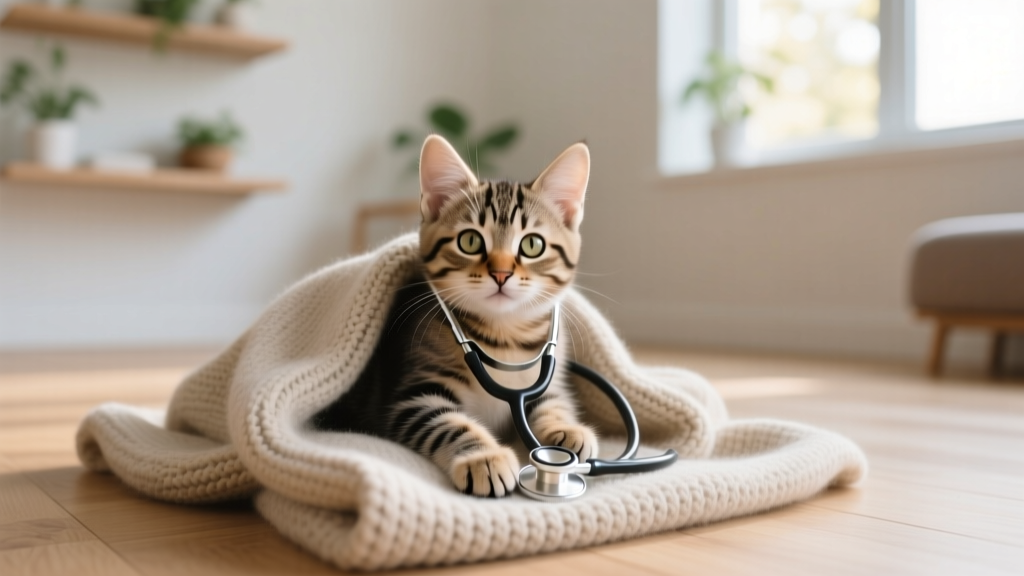
Forget cute photos and social media posts—your priority is triage-level assessment. Dr. Lena Torres, DVM and founder of the Feline Wellness Collective, insists: “The first 72 hours aren’t about bonding—they’re about baseline establishment.” That means tracking four vital metrics every 4–6 hours: rectal temperature (99.5–102.5°F), gum color (pink and moist), capillary refill time (<2 seconds), and respiratory rate (20–30 breaths/minute while resting). Any deviation warrants an immediate call to your veterinarian—even if it’s 11 p.m.
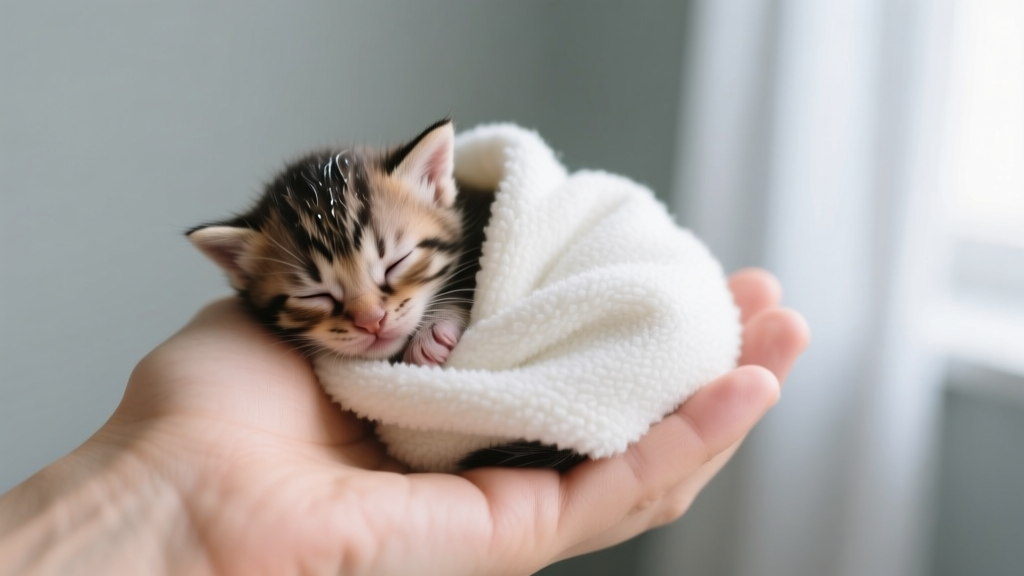
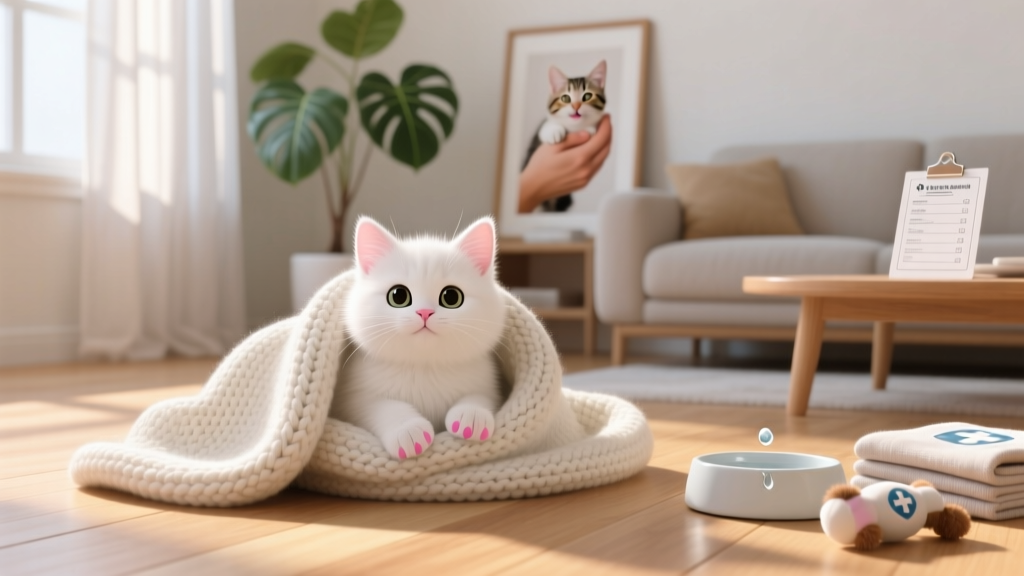
Set up a ‘kitten command center’: a quiet, draft-free room with no access to laundry piles, dangling blinds, or houseplants (many common varieties like lilies and pothos are fatal to kittens). Use a cardboard box lined with soft, non-fraying fabric (no loose threads!) and a heating pad set to LOW beneath half the bedding—never direct contact. Kittens under 4 weeks cannot generate enough body heat on their own; hypothermia sets in silently and kills faster than dehydration.
Also: resist the urge to bathe them. A kitten’s skin pH is radically different from adult cats—and soap strips protective oils, inviting fungal infection. If they’re soiled, gently wipe with warm water and a soft cloth, then dry thoroughly with a hairdryer on cool setting held 12+ inches away.
Step 2: Feeding & Hydration — Why ‘Just Milk’ Is a Death Sentence
Here’s what most first-time owners get catastrophically wrong: offering cow’s milk. It’s not ‘gentle’—it’s inflammatory. Kittens lack sufficient lactase after weaning, and cow’s milk causes severe diarrhea, rapid dehydration, and electrolyte crashes within hours. According to a 2023 Journal of Feline Medicine study, 41% of kittens hospitalized for acute gastroenteritis in their first week had been fed dairy-based ‘kitten milk’ sold at big-box stores.
Use only veterinary-approved milk replacer (e.g., KMR or Breeder’s Edge) warmed to 98–100°F—not microwaved (hotspots scald mouths). Feed every 2–3 hours for kittens under 2 weeks; every 4 hours for 2–4 weeks; and every 6 hours by week 5. Use a bottle with a nipple sized for kittens—not droppers or syringes unless instructed by your vet (aspiration pneumonia is the #1 cause of death during hand-feeding).
Introduce water at 3 weeks using a shallow ceramic dish (no plastic—static builds bacteria). Place it 3 feet from food bowls—cats instinctively avoid drinking near where they eat. Monitor intake: a healthy kitten should produce pale yellow urine 4–6 times daily. Dark yellow or infrequent urination signals dehydration—a medical emergency requiring subcutaneous fluids.
Step 3: Litter, Sleep & Stress — The Invisible Killers
Stress doesn’t just make kittens ‘grumpy’—it suppresses IgA antibodies, opening the door to upper respiratory infections (URIs), which account for over 75% of kitten hospitalizations in shelters. The American Association of Feline Practitioners warns that even seemingly minor changes—like moving their carrier across the room—can spike cortisol for 48+ hours.
Use only unscented, clumping clay or paper-based litter for the first month. Avoid crystal or walnut-based litters: kittens explore with their mouths, and ingestion causes GI obstructions. Place the box in a quiet corner—never next to noisy appliances or littermates’ sleeping areas. And never punish accidents: kittens lack bladder control until week 6, and fear-based urination outside the box creates lifelong substrate aversion.
Sleep is non-negotiable neuroprotection. Kittens sleep 20+ hours/day to consolidate neural pathways. Provide at least three separate, enclosed napping zones (cardboard boxes, covered cat beds, or draped laundry baskets) so they can choose security level. Never force interaction. Instead, use ‘passive presence’: sit quietly nearby while reading—letting them approach on their terms. This builds secure attachment without flooding their nervous system.
Step 4: Vaccines, Parasites & Vet Visits — Timing Is Everything
Vaccination timing isn’t flexible—it’s physiological. Kittens receive maternal antibodies through colostrum, but those wane unpredictably between 6–16 weeks. Vaccinating too early renders shots useless; too late leaves deadly gaps. The core FVRCP vaccine (feline viral rhinotracheitis, calicivirus, panleukopenia) must be administered at 8, 12, and 16 weeks—no exceptions. Rabies is given at 12–16 weeks depending on local law and vaccine type.
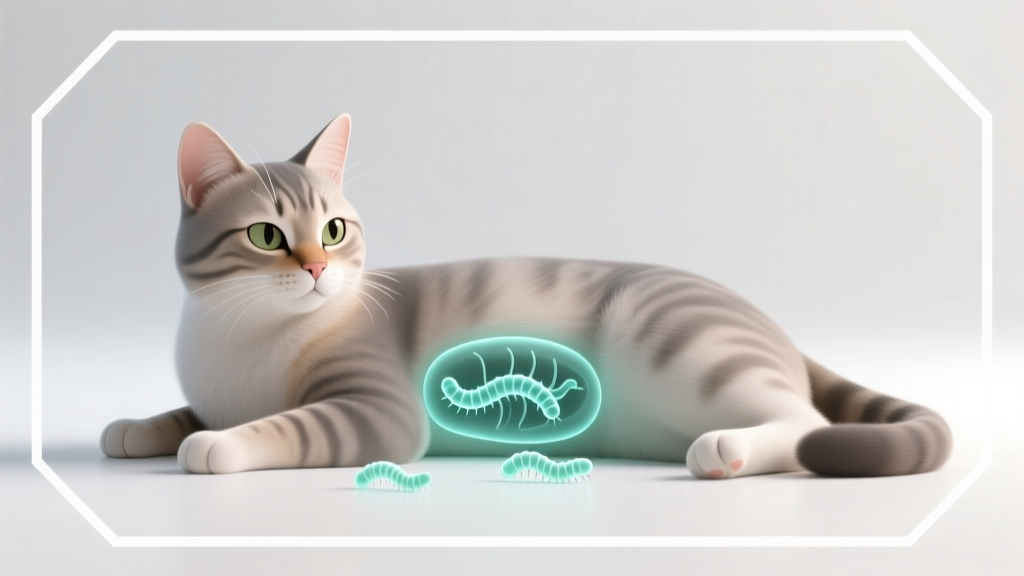
Parasite screening is equally urgent. A fecal float test at first vet visit detects roundworms (present in >85% of shelter kittens) and coccidia. Deworming begins at 2 weeks—even if stool looks normal—and repeats every 2 weeks until 12 weeks. Heartworm prevention starts at 8 weeks, not 6 months as many assume. As Dr. Marcus Chen, parasitology specialist at UC Davis, states: “Kittens don’t ‘build immunity’ to parasites—they accumulate damage. Each untreated roundworm burden steals nutrients from developing organs.”
Your first vet visit should occur within 48 hours of adoption—not ‘next week.’ Bring records if available, but don’t delay care waiting for paperwork. Many clinics offer ‘kitten wellness packages’ that bundle exams, vaccines, deworming, and microchipping at 25–40% less than à la carte pricing.
| Age Range | Critical Action | Why It Matters | Red Flag Warning Signs |
|---|---|---|---|
| 0–72 hours | Baseline vitals check + safe-zone setup | Hypothermia and aspiration are leading causes of neonatal death | No suckling reflex, gums white/gray, breathing >40 bpm |
| 1–2 weeks | Stimulate urination/defecation after each feeding | Kittens can’t eliminate without stimulation until ~3 weeks old | No urine/stool in 4+ hours, straining, crying during stimulation |
| 3–4 weeks | Introduce shallow water dish + litter box with low entry | Early hydration prevents urinary crystals; litter exposure prevents substrate aversion | Drinking from toilet/bowl overflow, eating litter, avoiding box entirely |
| 5–8 weeks | Begin supervised play with wand toys (no string/latex) | Develops ocular-motor coordination and bite inhibition; prevents redirected aggression later | Biting hands/feet aggressively, freezing mid-play, hiding >50% of day |
| 9–12 weeks | First FVRCP booster + fecal recheck | Maternal antibodies drop sharply—this is the narrow window for effective immunization | Nasal discharge, sneezing fits, eye crusting, lethargy >2 hours |
Frequently Asked Questions
Can I give my kitten human baby formula or goat’s milk?
No—absolutely not. Human infant formula lacks taurine and arachidonic acid, both essential for feline retinal and cardiac development. Goat’s milk still contains lactose and casein proteins that trigger inflammation and diarrhea. Only use kitten-specific milk replacers approved by the World Small Animal Veterinary Association (WSAVA). If unavailable, contact your vet immediately—they often keep emergency supplies on hand.
My kitten cries constantly at night—should I pick them up?
Yes—but with boundaries. Kittens separated from littermates experience separation anxiety that manifests as vocalization. Pick them up, place them on your chest (heartbeat rhythm is calming), and return them to their bed after 5 minutes—even if they cry again. Do not co-sleep or allow them in your bed: this creates dependency and increases SIDS-like risks (e.g., accidental smothering). Instead, use a ticking clock wrapped in fleece beside their bed to mimic maternal heartbeat.
How do I know if my kitten is playing—or being aggressive?
Observe the ears and tail. Playful kittens have forward-facing ears, relaxed tails with gentle tip flicks, and inhibited bites (no skin puncture). Aggression shows flattened ears, puffed tail, stiff-legged stalking, and bites that draw blood or target face/hands. If unsure, interrupt with a sharp ‘psst!’ sound—not yelling—and redirect to a toy. Never use hands as play objects—this teaches biting humans is acceptable.
When should I spay/neuter my kitten?
At 4–5 months—not 6 months or ‘after first heat.’ Early-age spay/neuter (per AAHA guidelines) reduces mammary tumor risk by 91%, eliminates uterine infection (pyometra), and prevents unwanted litters. Modern pediatric anesthesia protocols are safer than ever: mortality rates are under 0.05% in accredited clinics. Delaying increases surgical complexity and behavioral issues like spraying.
Is it okay to let my kitten outside for ‘fresh air’?
No—never, not even on a leash, until fully vaccinated AND parasite-protected (minimum 16 weeks + 2 weeks post-final vaccine). Outdoor exposure before then risks feline leukemia (FeLV), feline immunodeficiency virus (FIV), tick-borne diseases, and trauma. Even screened porches pose dangers: birds carry salmonella, and falling from heights (‘high-rise syndrome’) is common. Use window perches with bird feeders outside for enrichment—safely.
Common Myths Debunked
Myth #1: “Kittens don’t need vaccines if they stay indoors.”
False. Indoor kittens are still exposed to pathogens via your shoes, clothing, and air currents. Panleukopenia virus survives on surfaces for over a year—and can be tracked in on your boots. Vaccination is non-negotiable, regardless of lifestyle.
Myth #2: “If my kitten eats well and seems active, they’re healthy.”
Deeply misleading. Kittens mask illness until 75% of organ function is lost. A 10% weight loss is clinically significant—yet barely visible under fur. Always weigh daily on a kitchen scale (in grams) and track trends. A 3-day plateau or decline demands vet evaluation.
Related Topics (Internal Link Suggestions)
- What to Feed a Kitten: A Vet-Approved Food Guide — suggested anchor text: "what to feed a kitten"
- Kitten Vaccination Schedule: What’s Due When — suggested anchor text: "kitten vaccination schedule"
- How to Litter Train a Kitten in 7 Days — suggested anchor text: "how to litter train a kitten"
- Signs of Illness in Kittens: When to Worry — suggested anchor text: "kitten illness symptoms"
- Kitten vs. Adult Cat Food: Key Differences Explained — suggested anchor text: "kitten food vs adult food"
Conclusion & Next Step
Caring for a kitten for the first time isn’t about perfection—it’s about precision in the critical first days. You now know the 7 non-negotiable actions that separate thriving kittens from emergency room cases: temperature monitoring, species-specific nutrition, stress-minimized environments, parasite prevention, timed vaccinations, vigilant hydration checks, and knowing true red flags. Don’t wait for ‘tomorrow’ to act. Within the next 24 hours, call your nearest AAHA-accredited clinic and book your kitten’s first wellness exam—even if they seem perfect. That single call is the highest-leverage action you’ll take all month. Your kitten’s entire health trajectory hinges on what happens before day 5.