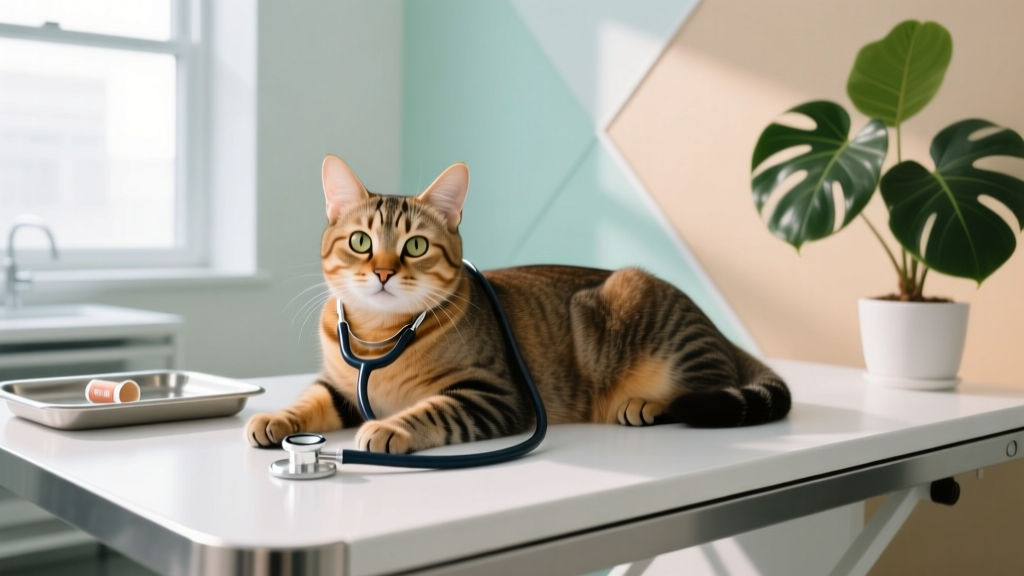
Cat Laryngeal Tumors: Wheezing and Voice Changes
1. Why this topic matters to cat owners
Your cat’s voice and breathing are easy to take for granted—until something changes. A raspy meow, noisy breathing, or wheezing can be caused by many issues, ranging from mild inflammation to more serious problems like laryngeal (voice box) tumors. While laryngeal tumors are not the most common cancer in cats, they can seriously affect comfort, breathing, and appetite because the larynx sits right where air must pass to reach the lungs.
The good news: early veterinary evaluation can make a major difference. Many cats do better when the cause of voice changes or noisy breathing is found early, before the airway becomes dangerously narrowed. This guide explains what laryngeal tumors are, what warning signs to watch for, how veterinarians diagnose them, and what treatment and supportive care may look like.
2. Overview: What are laryngeal tumors in cats?
The larynx (often called the voice box) is a small but vital structure in the throat at the top of the trachea (windpipe). It helps:
- Control airflow into the trachea
- Protect the airway during swallowing (to reduce aspiration)
- Create vocal sounds (meowing, purring-related sounds)
A laryngeal tumor is an abnormal growth in or around the larynx. It may be:
- Benign (non-cancerous): grows locally and may still obstruct airflow
- Malignant (cancerous): can invade nearby tissue and, depending on the tumor type, may spread to lymph nodes or lungs
Because the larynx is part of a narrow passageway, even a small mass can cause big symptoms. A tumor can reduce airflow (leading to wheezing or stridor), irritate tissue (causing coughing), or interfere with normal movement of the laryngeal structures (changing the voice).
Laryngeal signs can also be caused by conditions that are not tumors (infection, inflammation, foreign material, trauma, laryngeal paralysis, polyps), which is why a veterinary exam is essential rather than guessing at home.
3. Symptoms and warning signs to watch for
Signs can start subtly and worsen over weeks to months, though some cats decline faster. Contact your veterinarian if you notice any of the following, even if your cat otherwise seems “fine.”
Common signs
- Voice changes: hoarse meow, quieter meow, “broken” or raspy vocalization, or reduced ability to vocalize
- Noisy breathing (especially when excited or stressed): wheezing, high-pitched sound, or harsh breathing
- Stridor: a squeaky, high-pitched sound on inhalation (often indicates upper-airway narrowing)
- Coughing or frequent throat clearing/gagging
- Exercise intolerance: stops playing sooner, breathes harder after activity
Signs that can appear as the problem progresses
- Increased respiratory effort: noticeable chest or belly effort, open-mouth breathing
- Difficulty swallowing or reluctance to eat dry kibble
- Weight loss or reduced appetite
- Drooling or repeated swallowing motions
- Bad breath (sometimes)
- Episodes of distress that worsen with heat, stress, or excitement
Practical at-home observations (helpful to tell your vet)
- Record a short video of the noisy breathing or coughing episode.
- Note whether the sound is louder on inhalation (often upper airway) or exhalation (often lower airway).
- Track appetite, weight (weekly if possible), and energy level.
4. Causes and risk factors
In many cases, the exact cause of a tumor isn’t identifiable. Tumors develop when cells grow abnormally and stop responding to normal “stop” signals. That said, certain factors may increase risk.
Potential risk factors
- Age: tumors are more common in middle-aged to older cats
- Environmental irritants: chronic exposure to smoke, strong fragrances, dusty litter, or household chemicals may irritate airways (not proven to cause laryngeal tumors, but chronic irritation can worsen symptoms and complicate respiratory disease)
- Chronic inflammation in the upper airway
- History of respiratory disease: may make early signs harder to recognize
Not everything that looks like a tumor is cancer
It’s very common for owners to worry about cancer when they hear wheezing or notice a hoarse meow. Other conditions can cause similar signs, including:
- Laryngitis from infection or irritation
- Nasopharyngeal polyps (more common in younger cats)
- Foreign material lodged in the throat
- Dental disease with secondary throat irritation
- Asthma or bronchitis (can cause wheezing but typically originates lower in the airway)
Because the “fix” differs dramatically depending on the cause, a veterinary exam is the safest path forward.
5. Diagnosis: Methods and what to expect at the vet
If your cat has voice changes or noisy breathing, your veterinarian will focus on airway safety first and diagnostics second. Some cats with significant upper-airway narrowing can become stressed at the clinic, which may worsen breathing. Clinics are trained to handle this carefully.
What the vet may do
- History and exam: onset, progression, triggers (heat/stress), appetite/weight loss
- Listen to breathing: determining whether sounds originate in the upper airway (throat) or lower airway (lungs)
- Oral exam: checking for obvious masses, inflammation, or dental/oral issues (sometimes limited if the cat is stressed)
Common diagnostic tests
- Chest X-rays: evaluates lungs and can screen for metastasis (spread) or other lung disease
- Neck/throat imaging:
- X-rays of the neck may show a mass or airway narrowing
- CT scan offers much better detail and is often recommended for surgical planning and assessing the full extent
- Laryngoscopy: the larynx is examined with a scope, typically under light anesthesia/sedation to reduce stress and allow a clear view
- Biopsy or tissue sampling:
- A biopsy provides the most reliable diagnosis (tumor type and whether it’s benign or malignant)
- Depending on location and airway stability, sampling may be done during laryngoscopy or surgery
- Lymph node assessment: palpation, needle sampling, or imaging if spread is a concern
- Basic lab work: checks organ function prior to anesthesia and helps guide treatment
What to expect regarding anesthesia
Owners often worry about anesthesia when a cat has breathing issues—and that concern is valid. Your veterinary team will tailor sedation and monitoring to keep the airway safe. In higher-risk cases, your vet may recommend referral to a specialty hospital where advanced airway management is available.
6. Treatment options (medical, surgical, home care)
Treatment depends on tumor type, size, location, spread, and your cat’s overall health. Your veterinarian may work with a veterinary surgeon and/or oncologist.
Medical management (supportive care)
Medical treatment may be used to reduce inflammation and keep your cat comfortable, especially while diagnostics are underway or if surgery is not an option.
- Anti-inflammatory medications: may reduce swelling around a mass and temporarily improve airflow (only give medications prescribed by your vet; many human meds are dangerous to cats)
- Pain control: improves comfort and appetite
- Antibiotics: only if infection is suspected or confirmed
- Oxygen therapy: in-clinic support for cats in respiratory distress
- Sedation/anxiety reduction in hospital: keeping a cat calm can significantly improve breathing effort
Surgical options
When feasible, surgery may offer the best chance to remove or reduce the mass and improve airflow.
- Debulking: removing as much of the mass as possible to open the airway, even if complete removal isn’t possible
- Mass excision: complete removal may be possible for smaller, well-positioned tumors
- Tracheostomy:
- Temporary tracheostomy may be used after surgery or in emergencies to bypass the obstructed larynx
- Permanent tracheostomy is less common but may be considered in select cases
Recovery and aftercare vary. Your vet will discuss realistic goals: improved breathing and comfort are often primary targets.
Oncology treatments (when cancer is confirmed)
- Radiation therapy: may be recommended for certain tumor types or if complete surgical removal isn’t possible
- Chemotherapy: sometimes used depending on tumor type and evidence of spread
- Palliative care: focuses on comfort and quality of life if curative treatment isn’t possible
Your veterinarian or oncologist will explain likely benefits and side effects based on the biopsy results.
Home care you can do right away (safe, practical steps)
- Reduce stress: keep your cat indoors, quiet, and away from high-energy play if breathing is noisy
- Avoid airway irritants: no smoke exposure, minimize aerosols/perfumes, use low-dust litter if possible
- Keep your home cool: heat can worsen respiratory effort
- Offer softer foods if swallowing seems uncomfortable (wet food, warmed slightly for aroma)
- Use a carrier calmly: practice calm carrier time to reduce stress during vet visits
- Do not force medications if your cat is struggling to breathe; call your vet for safer options
7. Prevention strategies and early detection tips
There’s no guaranteed way to prevent laryngeal tumors, but you can lower overall respiratory risk and catch problems earlier.
- Schedule regular wellness exams (at least yearly; twice yearly for seniors). Subtle voice changes are easy to miss at home.
- Address chronic coughing or noisy breathing promptly. Don’t assume it’s “just hairballs” if it happens repeatedly.
- Maintain a healthy weight. Extra weight can make breathing harder and complicate anesthesia.
- Reduce smoke exposure (including secondhand and thirdhand smoke on clothing and furniture).
- Track baseline behavior: appetite, play, vocal habits. Changes over time are meaningful clues.
8. Prognosis and quality of life considerations
Prognosis depends on the tumor’s type, how early it’s found, and whether it has spread. Some benign masses can be managed very well after removal. Some malignant tumors can be controlled with a combination of surgery and oncology care, while others are more challenging.
Quality of life is the center of decision-making
Your vet may discuss goals such as:
- Breathing comfortably at rest and with gentle activity
- Eating without distress (and maintaining weight)
- Managing pain and anxiety
- Reducing episodes of respiratory crisis
Many cats do best with a plan that combines medical support, thoughtful environmental management, and (when appropriate) surgical or oncology treatment. If advanced disease is present, palliative care can still provide meaningful comfort and good days.
9. When to seek emergency veterinary care
Upper-airway problems can become urgent quickly. Go to an emergency clinic or contact your vet immediately if you see:
- Open-mouth breathing (especially at rest)
- Blue, gray, or very pale gums/tongue
- Severe breathing effort: heaving sides, extended neck, inability to settle
- Collapse, extreme weakness, or sudden panic
- Continuous, worsening noisy breathing that doesn’t improve when your cat is calm
- Heat stress signs combined with noisy breathing
While you’re heading to the vet: keep your cat calm, minimize handling, keep the car cool, and avoid forcing food, water, or medications.
10. FAQ: Common questions cat owners ask
Can a laryngeal tumor cause wheezing that looks like asthma?
Yes. Wheezing can come from the lower airways (asthma/bronchitis) or the upper airway (larynx/throat). Upper-airway narrowing often causes a higher-pitched, harsher sound, sometimes louder when breathing in. Because the treatments are very different, your vet may recommend imaging and a laryngeal exam to pinpoint the source.
My cat’s meow changed suddenly. Is that always a tumor?
No. Sudden voice changes can be caused by laryngitis, irritation, a respiratory infection, trauma, or something stuck in the throat. Still, any voice change lasting more than a few days, recurring frequently, or accompanied by noisy breathing should be evaluated by a veterinarian.
How is a laryngeal tumor confirmed?
The most reliable way is tissue diagnosis (biopsy or sampling) combined with visualization (laryngoscopy) and imaging (often CT). This helps determine tumor type, whether it’s malignant, and how far it extends—information that guides treatment choices.
Is anesthesia safe for cats with breathing problems?
Anesthesia always carries some risk, and airway disease increases that risk. Veterinarians manage this by stabilizing breathing first when needed, choosing appropriate drugs, and monitoring closely. In complicated cases, referral to a specialty center can improve safety due to advanced airway equipment and round-the-clock monitoring.
What can I do at home to help my cat breathe easier while we wait for the appointment?
Keep your cat calm and cool, avoid smoke and strong scents, switch to low-dust litter if possible, and limit strenuous activity. If breathing becomes labored, open-mouth, or your cat seems distressed, don’t wait—seek emergency care.
Will my cat’s voice go back to normal after treatment?
Sometimes, especially if inflammation was a big contributor or if a small mass is removed early. If the tumor affects the structures that create sound or if surgery changes the anatomy, the voice may remain different. Many cats can still have an excellent quality of life even with a permanent voice change, as long as they can breathe and eat comfortably.
If your cat is wheezing, making unusual breathing sounds, or has a persistent voice change, schedule a veterinary visit as soon as you can. Early evaluation protects the airway and opens up more treatment options.
For more cat health guidance, symptoms checklists, and caregiver tips, visit catloversbase.com.