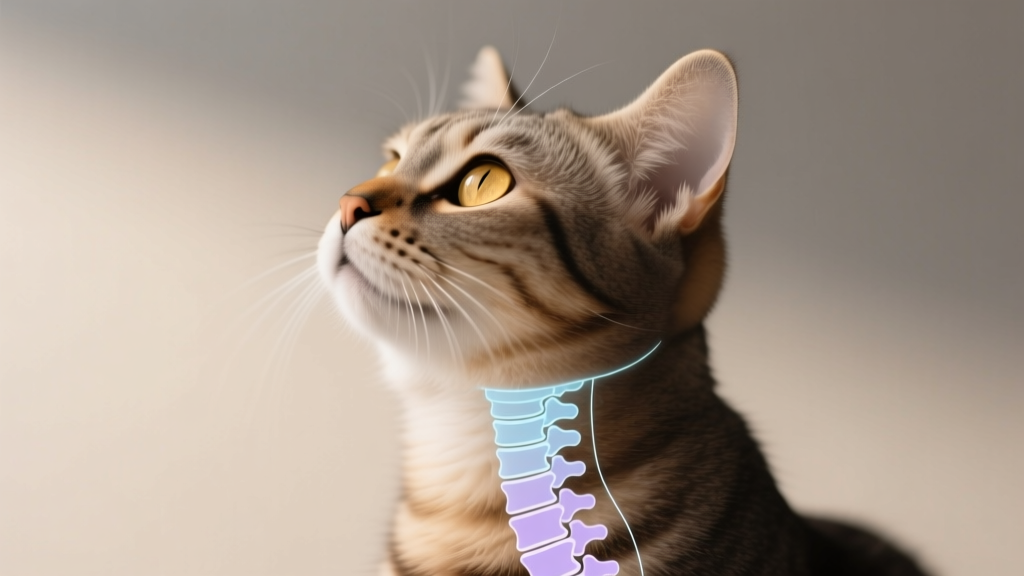
Cat Cervical Spondylomyopathy: Neck Vertebrae Compression
1. Why this topic matters for cat owners
Your cat’s neck does a lot of work every day—holding up the head, turning to track movement, grooming, eating, jumping, and landing. When the bones, joints, or soft tissues in the neck start pressing on the spinal cord, those everyday movements can become painful or unsafe. Cervical spondylomyopathy (CSM) is a condition involving compression in the neck (cervical) spine that can affect walking, balance, and comfort.
CSM is discussed more often in dogs, but cats can also develop neck vertebrae changes that lead to spinal cord or nerve root compression. For cat owners, the value of understanding this condition is early recognition. Cats are masters at hiding discomfort, so subtle signs—like a change in jump confidence or a “stiff” posture—may be the first clue that something is wrong. Prompt veterinary care can protect mobility and quality of life.
2. Overview: what cervical spondylomyopathy means in plain language
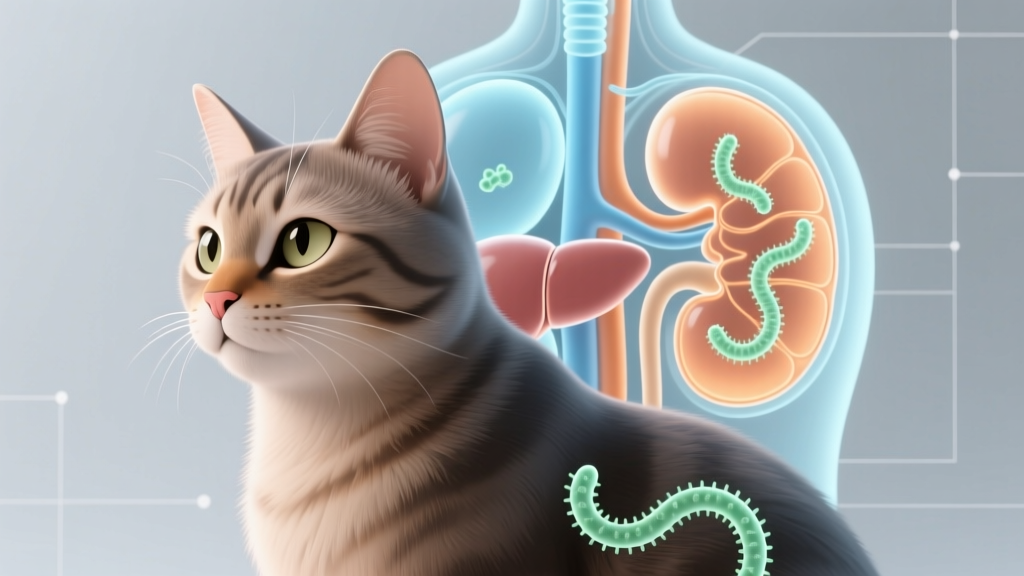
Cervical spondylomyopathy refers to a group of problems in the neck vertebrae (bones of the spine) and surrounding structures that cause narrowing of the spinal canal and/or pressure on the spinal cord or nearby nerve roots. “Spondylo-” relates to the spine, and “-myelopathy” refers to spinal cord dysfunction.
In cats, the compression may be caused by:
- Arthritic changes (degenerative joint disease) in the small joints of the neck
- Intervertebral disc disease (disc bulge or herniation) causing pressure on the spinal cord
- Bone remodeling or thickening of tissues around the vertebrae
- Instability between vertebrae (less common, but possible)
When the spinal cord is compressed, signals from the brain to the limbs don’t travel normally. That’s why a neck problem can show up as wobbly walking, weakness, or unusual paw placement—even if your cat doesn’t cry out in pain.
CSM can be static (compression is present all the time) or dynamic (compression worsens with certain neck positions). Your veterinarian may use imaging and a neurological exam to sort out which pattern fits your cat.
3. Symptoms and warning signs to watch for
Signs can vary depending on how much the spinal cord or nerve roots are affected and which neck levels are involved. Some cats show mostly pain; others show mostly coordination issues.
Common signs cat owners notice at home
- Reluctance to jump (onto beds, windowsills, counters) or misjudging jumps
- Stiff neck or reduced head/neck movement
- Hunched posture or carrying the head lower than usual
- Changes in grooming (avoiding certain areas because turning hurts)
- Behavior changes: hiding more, irritability, decreased play
- Decreased appetite if bending to eat or chew is uncomfortable
Neurologic signs (often more urgent)
- Wobbly walking (ataxia), especially in the back legs
- Weakness or scuffing the paws
- Knuckling (placing the paw upside down or dragging toes)
- Difficulty rising or seeming “drunk” on the feet
- Sudden collapse or inability to walk
Signs of neck pain
- Crying out when picked up or when the head is moved (some cats will not vocalize)
- Tensing when you touch the neck/shoulder area
- Muscle spasms along the neck or shoulders
- Sleeping in unusual positions to avoid bending the neck
Practical tip you can do today: Make a quick “mobility journal” for 3–5 days. Note jump attempts, any falls, reluctance to climb stairs, appetite changes, litter box use, and whether symptoms come and go. Bring this to your vet—it helps identify patterns and triggers.
4. Causes and risk factors
CSM isn’t usually caused by a single event. It’s often a combination of age-related wear, anatomy, and sometimes injury or underlying disease.
Potential causes
- Degenerative changes (arthritis): As cats age, joints can develop cartilage wear and bony changes that narrow spaces around nerves and the spinal cord.
- Disc disease: Intervertebral discs can bulge or herniate. While more common in dogs, cats can experience disc-related compression.
- Congenital or developmental factors: Some cats may have vertebrae shaped in a way that predisposes them to narrowing or instability.
- Trauma: Falls or accidents can injure discs or destabilize vertebrae, sometimes triggering compression.
- Inflammation or infection: Less common, but conditions affecting the vertebrae or discs (such as discospondylitis) can mimic or contribute to compression.
- Tumors or cysts: Masses near the spinal cord can cause similar signs and must be ruled out.
Risk factors
- Middle-aged to senior cats (arthritis becomes more likely with age)
- Previous injuries to the neck/back
- Obesity (added mechanical stress, reduced muscle conditioning, increased fall risk)
- High-impact lifestyles: frequent high jumps without safe steps/ramps
Actionable step: If your cat is overweight, ask your veterinarian about a safe weight-loss plan. Even modest weight reduction can improve comfort and mobility.
5. Diagnosis methods and what to expect at the vet
If your veterinarian suspects neck spinal cord compression, they’ll focus on two things: identifying where the problem is and what is causing it.
Typical veterinary visit flow
- History: When symptoms started, whether they’re worsening, any falls, changes in jumping, appetite, litter box habits, and pain behaviors.
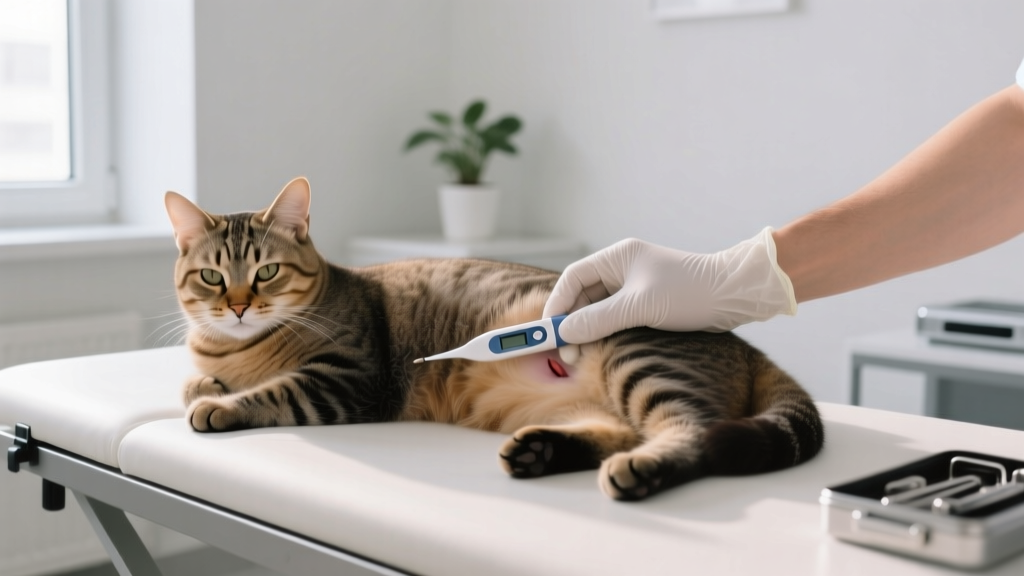
- Physical exam: Checking posture, muscle tension, and pain response (gently).
- Neurologic exam: Evaluating gait, paw placement, reflexes, and proprioception (your cat’s awareness of limb position).
Imaging and tests
- X-rays (radiographs): Can show arthritis, vertebral alignment issues, narrowed disc spaces, or bone changes. X-rays can’t fully show spinal cord compression but can guide next steps.
- MRI: Often the best tool to visualize the spinal cord, discs, and soft tissues. This is especially helpful when surgery is being considered.
- CT scan: Great for assessing bone detail; sometimes combined with contrast studies.
- Bloodwork: Helps evaluate overall health and anesthesia readiness, and can support investigation for infection or inflammation.
MRI/CT typically require sedation or general anesthesia so your cat can stay perfectly still. Your veterinary team will explain risks and safety steps based on your cat’s age and health status.
Helpful preparation: Bring videos of your cat walking, jumping, or showing symptoms. Cats often “act normal” at the clinic, and a short clip can be very informative.
6. Treatment options (medical, surgical, home care)
Treatment depends on severity, cause, and how quickly signs are progressing. Many cats do well with a conservative plan; others need advanced care.
Medical (non-surgical) management
- Pain control: Your vet may prescribe cat-safe pain relief (commonly anti-inflammatory medication when appropriate) and/or neuropathic pain medication.
- Activity restriction: Temporary reduction in jumping and rough play to prevent worsening compression or injury from falls.
- Muscle support: In some cases, medications to address muscle spasms may be used.
- Physical rehabilitation: Vet-guided rehab can help maintain strength and coordination. This may include controlled exercises, balance work, or underwater treadmill in specialty settings.
Safety note: Never give human pain relievers to cats. Many are toxic, even in small amounts. Always use veterinarian-prescribed medications only.
Surgical options
Surgery may be recommended when there is significant spinal cord compression, rapidly worsening signs, or poor response to medical management. Surgical goals can include:
- Decompression (removing pressure from the spinal cord)
- Stabilization (reducing abnormal movement between vertebrae)
Your veterinarian may refer you to a board-certified veterinary neurologist or surgeon. They’ll discuss the specific procedure based on the imaging findings, as well as expected recovery time and risks.
Home care and comfort support
- Create a “no-jump” setup: Use pet stairs or ramps to favorite spots (bed, couch, windows).
- Optimize litter boxes: Choose low-entry boxes to avoid high stepping; place boxes on each level of the home.
- Improve traction: Add rugs or yoga mats on slippery floors to prevent splaying and falls.
- Elevate food and water: A slightly raised bowl can reduce neck bending (your vet can advise on ideal height).
- Gentle handling: Support the chest and hindquarters together when lifting; avoid letting the head/neck dangle.
- Weight management: Feed measured meals and use vet-recommended diets if needed.
Immediate action checklist:
- Block access to tall cat trees for now, or add intermediate steps
- Set up a quiet recovery area if your cat is unstable on the feet
- Schedule a veterinary exam within 24–72 hours for mild signs, sooner if walking is affected
7. Prevention strategies and early detection tips
Not all cases are preventable, but you can reduce strain on the neck and catch changes earlier.
- Keep senior wellness visits regular: Older cats benefit from checkups at least every 6 months. Mobility changes are easier to treat early.
- Maintain a healthy body condition: Less stress on joints and better stability.
- Encourage safe movement: Provide steps/ramps and stable landing surfaces near windowsills and furniture.
- Watch for subtle mobility clues: Fewer jumps, hesitation before leaping, slower stairs, or choosing lower perches.
- Protect from falls: Secure screens, keep balconies closed off, and avoid allowing access to precarious high shelves.
Simple at-home screening idea: Once a month, note how easily your cat jumps to a favorite spot and how confidently they walk on smooth flooring. Any new hesitation, slipping, or wide-based stance is worth a vet discussion.
8. Prognosis and quality of life considerations
Many cats with cervical spine compression can live comfortably with the right plan. Prognosis depends on:
- Severity of spinal cord compression
- Speed of progression (sudden worsening can be more concerning)
- Underlying cause (degenerative vs. inflammatory vs. mass-related)
- Response to treatment (pain control and improved stability are good signs)
Quality of life can remain very good when pain is controlled and the home environment is adapted for safety. Cats don’t need “perfect” athletic performance to be happy—they need comfort, predictable routines, and the ability to eat, use the litter box, and move around without frequent falls.
Your veterinarian may recommend follow-up exams to monitor neurologic status and adjust medication. If surgery is performed, expect a structured recovery plan and gradual return to activity.
9. When to seek emergency veterinary care
Seek urgent or emergency veterinary attention if you notice any of the following:
- Sudden inability to walk or collapse
- Rapidly worsening weakness or severe wobbliness
- Loss of bladder or bowel control (urine dribbling, inability to urinate, accidents with no awareness)
- Severe pain (crying, open-mouth breathing from distress, unable to rest)
- Trauma (fall, hit by car) followed by neck pain or abnormal gait
If you need to transport your cat, keep movement minimal: use a secure carrier, pad it with towels, and avoid bending the neck. Call the clinic on the way so they’re ready.
10. FAQ: Common questions from cat owners
Can cervical spondylomyopathy happen in cats, or is it only a dog condition?
Cats can develop neck vertebrae and disc problems that compress the spinal cord, even though the classic “wobbler” label is more commonly used in dogs. The underlying concept—cervical spinal cord compression—can apply to cats, and the diagnostic approach is similar.
Is neck compression always painful for cats?
Not always. Some cats show obvious pain, while others mainly show coordination changes (wobbliness, weakness). Because cats hide discomfort, any gait change or reduced jumping ability should be taken seriously and assessed by a veterinarian.
Will my cat need an MRI?
Not every case requires advanced imaging right away. X-rays may be the first step, especially if arthritis is suspected. MRI is most helpful when the diagnosis is uncertain, neurologic signs are significant, or surgery is being considered. Your veterinarian will guide you based on exam findings and response to initial treatment.
What can I do at home while waiting for the vet appointment?
- Limit jumping and rough play
- Provide ramps/steps to favorite locations
- Improve traction with rugs
- Use a low-entry litter box
- Handle gently with full-body support
Avoid giving any over-the-counter pain medication unless your veterinarian specifically instructs you to.
Can physical therapy help a cat with cervical spine issues?
Yes, when guided by a veterinarian or certified rehab professional. Rehab can help maintain muscle strength, improve balance, and support safer movement. The key is using cat-appropriate, gentle exercises—too much activity or the wrong movements can worsen symptoms.
What’s the long-term outlook?
Many cats do well with a combination of medication, lifestyle adjustments, and regular monitoring. Cats with severe spinal cord compression may need surgery or long-term medical management. Your veterinarian can give the best outlook after a neurologic exam and imaging, and they’ll help tailor a plan that supports comfort and confidence at home.
If your cat is showing signs of neck pain, wobbliness, or reduced jumping ability, schedule a veterinary visit for a thorough exam and personalized guidance. With early care and a safer home setup, many cats can stay active, comfortable, and content.
For more cat health guides, mobility tips, and wellness resources, visit catloversbase.com.