Cat Aelurostrongylus: Feline Lungworm Infection
1. Why this topic matters to cat owners
Coughing, wheezing, and “asthma-like” breathing in cats can be scary to watch. While common issues like feline asthma, bronchitis, heart disease, and respiratory infections are often on a veterinarian’s list, there’s another cause many cat owners haven’t heard of: feline lungworm. One of the most important lungworms in cats is Aelurostrongylus abstrusus. It can affect kittens and adult cats, indoor-outdoor cats, and sometimes even mostly-indoor cats that hunt occasional “visitors” like lizards or snails that sneak inside.
The reassuring part: with veterinary diagnosis and the right medication, most cats do well. Understanding how cats get infected, what signs to watch for, and how to prevent reinfection helps you protect your cat’s lungs and overall comfort.
2. Overview: what is Aelurostrongylus (feline lungworm)?
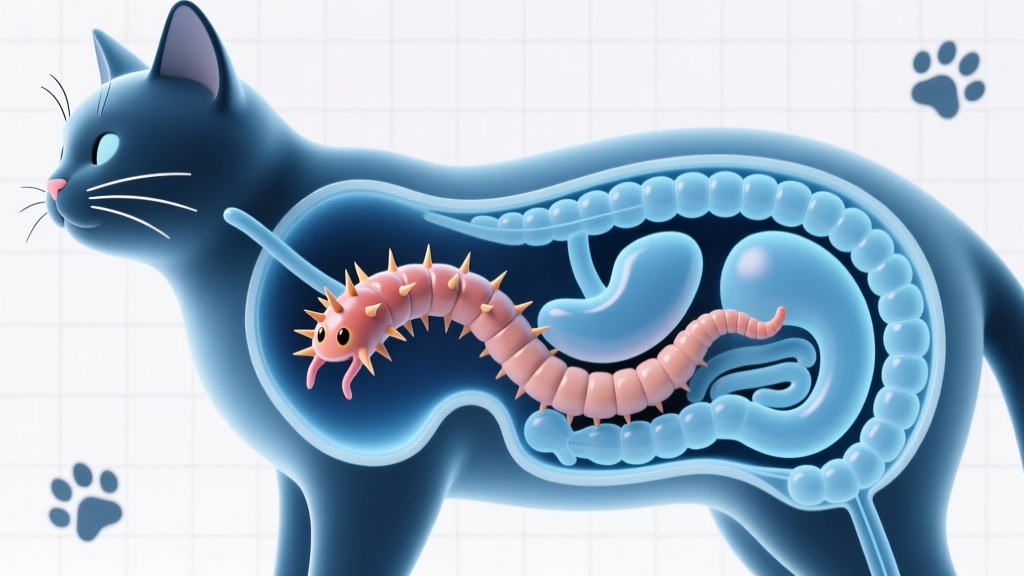
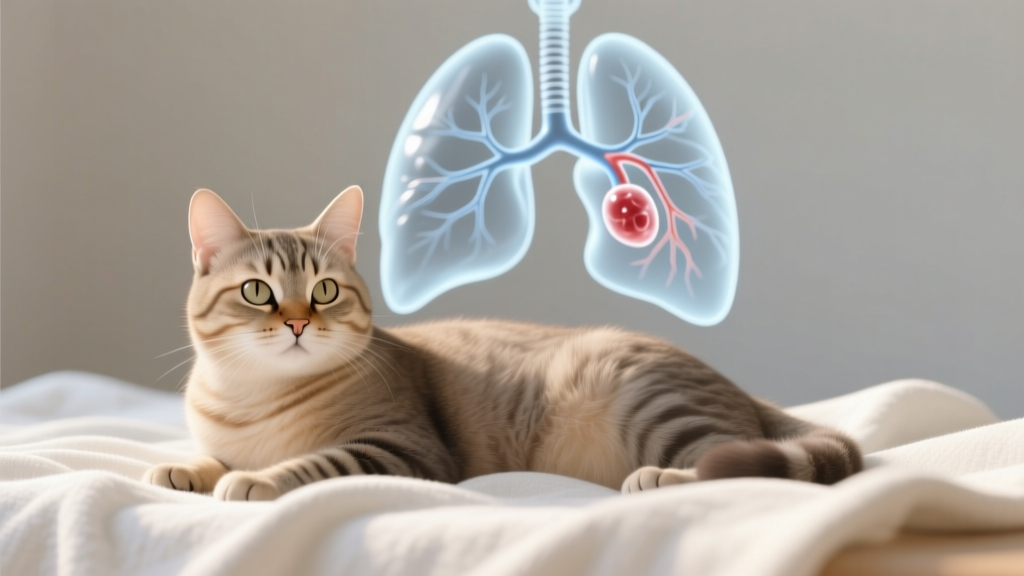
Aelurostrongylus abstrusus is a parasitic worm that lives in a cat’s lungs and airways. Unlike intestinal worms that stay in the gut, this parasite targets the respiratory system. The adult worms live in the small airways and lung tissue where oxygen exchange occurs.
Here’s the basic life cycle in plain language:
- Cats become infected by eating prey or other hosts carrying the parasite (more on that below).
- The parasite develops in the cat’s body and eventually takes up residence in the lungs.
- The lungs respond with inflammation and mucus, which can cause coughing and breathing effort.
- Larval stages can be coughed up, swallowed, and passed in the stool, where they can continue the cycle in the environment via snails and slugs.
Lungworm infection can look mild in some cats and more serious in others. Kittens, cats with other illnesses, and cats with heavy parasite loads are more likely to develop significant breathing trouble.
3. Symptoms and warning signs to watch for
Some cats show obvious respiratory signs, while others are subtle. If you notice changes that last more than a day or two, or any breathing difficulty at all, schedule a veterinary visit.
Common signs
- Coughing (dry or moist; sometimes mistaken for hairballs)
- Wheezing or noisy breathing
- Increased breathing rate or breathing effort (belly “pushing” with breaths)
- Lethargy or reduced playfulness
- Reduced appetite or weight loss over time
- Sneezing or nasal discharge (less common; can occur with concurrent issues)
Signs that can be overlooked
- Gagging/retching that seems like a hairball but produces little or nothing
- “Out of shape” behavior—tiring easily, stopping during play
- Hiding more than usual
- Sleeping in unusual positions that seem to make breathing easier (neck extended)
A practical at-home check
- Count resting breaths when your cat is asleep or calmly resting. Many healthy cats are roughly under 30 breaths per minute at rest, though normal can vary. If you’re consistently seeing higher numbers, or any effort/noise, call your veterinarian.
4. Causes and risk factors
Aelurostrongylus infection is primarily linked to hunting and exposure to intermediate hosts in the environment.
How cats get infected
- Eating prey animals (such as rodents, birds, reptiles, amphibians) that have ingested infected snails or slugs
- Directly ingesting snails or slugs (less common, but possible)
Risk factors
- Outdoor access or indoor-outdoor lifestyle
- Hunting behavior (even supervised yard time can lead to hunting)
- Living in areas with abundant snails/slugs (moist climates, gardens, after rain)
- Kittens and young cats (often higher risk due to curiosity and developing immune systems)
- Multi-cat households (shared environments can increase parasite exposure in general)
Even if your cat is mostly indoors, consider risk if you have potted plants brought from outside, a damp basement, or occasional “house geckos” or insects your cat may catch.
5. Diagnosis: methods and what to expect at the vet
Lungworm can mimic other respiratory problems, so diagnosis often involves a combination of history, exam findings, and testing. Your veterinarian may ask about outdoor access, hunting, deworming history, and when the coughing started.
Common diagnostic steps
- Physical exam: listening to the lungs and heart, checking gum color, temperature, hydration, and overall condition
- Fecal testing:
- A specialized fecal test called a Baermann technique is often used to detect lungworm larvae.
- Standard fecal flotation can miss lungworm; Baermann is more sensitive for this parasite.
- Because larvae may be shed intermittently, your vet may request multiple stool samples over a few days.
- Chest X-rays (radiographs): can show patterns consistent with airway inflammation or lung changes; X-rays can’t always confirm lungworm but help assess severity and rule out other conditions
- Bloodwork: evaluates overall health and can reveal inflammation or other issues; helps guide safe treatment choices
- Airway sampling (in select cases): if diagnosis is unclear or disease is severe, a veterinarian may recommend sampling from the airways under anesthesia/sedation
What to expect: If your cat is stable, many of these tests are outpatient. If your cat is struggling to breathe, the veterinary team will prioritize oxygen support and stabilization first.
6. Treatment options (medical, surgical, home care)
Treatment should always be guided by a veterinarian. The goal is to eliminate the parasite, reduce airway inflammation, and support breathing. Never give over-the-counter dewormers without veterinary direction—some are ineffective for lungworms, and incorrect dosing can be dangerous.
Medical treatment
- Prescription antiparasitic medications: several veterinary-approved options can treat Aelurostrongylus. Your vet will choose based on your cat’s age, weight, health status, and local protocols.
- Anti-inflammatory therapy: in some cats, inflammation in the airways is a major contributor to symptoms. Your vet may prescribe medication to help reduce inflammation and make breathing more comfortable.
- Antibiotics: only if there is evidence of secondary bacterial infection; lungworm itself is not treated with antibiotics.
- Bronchodilators: sometimes used if airway constriction is contributing to wheezing, depending on exam findings.
Supportive care (clinic or hospital)
- Oxygen therapy for cats with significant breathing difficulty
- Nebulization and coupage (in some cases) to help loosen airway secretions
- Fluids and nutrition support if appetite is poor
Surgical treatment
Surgery is not a standard treatment for Aelurostrongylus infection. Rarely, if imaging shows another problem (such as an airway obstruction, mass, or severe complications), additional procedures may be discussed. Most cats are treated medically.
Home care tips you can act on right away
- Give medication exactly as prescribed and finish the full course.
- Reduce stress: keep your cat in a quiet room during recovery; stress can worsen breathing effort.
- Limit strenuous play until your veterinarian says activity is safe.
- Use a low-dust litter and avoid scented litter, aerosols, smoke, essential oil diffusers, and strong cleaners that can irritate airways.
- Track breathing: record resting respiratory rate once daily and note coughing episodes (frequency, triggers, duration).
- Follow-up visits: these are important to confirm the infection has cleared and lungs are healing.
7. Prevention strategies and early detection tips
Prevention focuses on reducing exposure and using veterinarian-recommended parasite control.
Prevention strategies
- Keep cats indoors or provide supervised outdoor time in a secure catio to reduce hunting opportunities.
- Talk to your vet about monthly parasite prevention: some prescription preventives may help protect against lungworms and other parasites, depending on the product and region.
- Reduce snail/slug attraction around the home:
- Keep grass trimmed and remove debris where slugs hide.
- Avoid leaving pet food outdoors overnight.
- Use pet-safe garden practices; many slug baits are toxic to pets.
- Promptly address coughing: early evaluation can prevent progression and help rule out other serious conditions.
Early detection tips
- Schedule routine wellness exams and bring up any mild cough, even if it seems occasional.
- Bring a short video of your cat coughing or breathing oddly—this can help your veterinarian differentiate coughing from gagging or retching.
- If your cat has outdoor access, ask your veterinarian whether periodic fecal testing is appropriate.
8. Prognosis and quality of life considerations
Most cats diagnosed and treated appropriately have a good prognosis. Many improve noticeably once parasites are eliminated and airway inflammation settles down. Healing can take time—coughing may persist for a short period even after treatment as the lungs recover.
Factors that influence prognosis include:
- How early the infection is caught
- Parasite burden (how heavy the infection is)
- Age and overall health (kittens or cats with other diseases may need closer monitoring)
- Presence of secondary complications (severe inflammation, pneumonia-like changes)
Quality of life usually improves significantly with proper care. If your cat also has asthma or chronic bronchitis, your veterinarian may recommend long-term management to keep airways comfortable.
9. When to seek emergency veterinary care
Respiratory distress is always urgent in cats. Contact an emergency veterinarian or go to the nearest clinic immediately if you notice:
- Open-mouth breathing (not related to brief stress, and especially at rest)
- Blue, gray, or very pale gums
- Severe breathing effort (noticeable belly heaving, neck extended, unable to settle)
- Sudden collapse, extreme weakness, or inability to stand
- Rapid breathing at rest that persists or worsens
- Refusing food and water along with breathing changes
While you’re heading in, keep your cat calm, avoid forcing them into stressful activity, and transport them in a carrier with good airflow. Do not give human cold/flu medications—many are dangerous for cats.
10. FAQ: Common questions about feline lungworm
Can indoor cats get Aelurostrongylus?
Yes, though it’s less common. Indoor cats can be exposed if they catch indoor “pests” (like geckos), if snails/slugs come inside, or if they sometimes go out on a balcony, patio, or supervised yard time. Any cat with chronic coughing should be evaluated by a veterinarian regardless of lifestyle.
Is lungworm contagious from cat to cat?
Direct transmission from cat to cat is not typical. The parasite’s life cycle usually requires intermediate hosts (snails/slugs) and often a prey animal. That said, cats in the same household may share similar environmental exposure risks, so your veterinarian may discuss testing or preventive strategies for other cats in the home.
Can humans catch feline lungworm?
Aelurostrongylus abstrusus is primarily a parasite of cats. Human infections are not considered a typical risk in the way some other parasites can be. Still, good hygiene is always smart: wash hands after cleaning the litter box, wear gloves for gardening, and keep routine veterinary parasite control up to date.
How is lungworm different from asthma?
Lungworm is caused by a parasite, while asthma is an inflammatory airway disease often triggered by allergens or irritants. They can look very similar—coughing, wheezing, and breathing effort—and in some cases, lungworm can even trigger airway inflammation that resembles asthma. That’s why diagnostic testing (such as fecal Baermann testing and chest X-rays) is so valuable.
Will my cat stop coughing immediately after treatment?
Some cats improve quickly, but others may cough for days to weeks while the lungs heal. If coughing worsens, your cat seems more tired, appetite drops, or breathing becomes labored, contact your veterinarian right away—your cat may need recheck testing or additional supportive care.
What should I bring to the vet to help with diagnosis?
If possible, bring:
- A fresh stool sample (your clinic can tell you how fresh and how to store it)
- A video of coughing or breathing changes
- A list of current medications, preventives, and deworming history
- Notes on outdoor access, hunting behavior, and when symptoms started
If your cat has any ongoing cough, wheeze, or breathing change, schedule a veterinary appointment—prompt care is the best way to protect healthy lung function. For more practical, cat-owner-friendly health guides and wellness tips, visit catloversbase.com.