How to Take Care of a Four Week Old Kitten: The 7 Non-Negotiable Steps Every New Caregiver Must Get Right (or Risk Hypothermia, Dehydration, or Failure-to-Thrive)
Why This Moment Matters More Than You Think
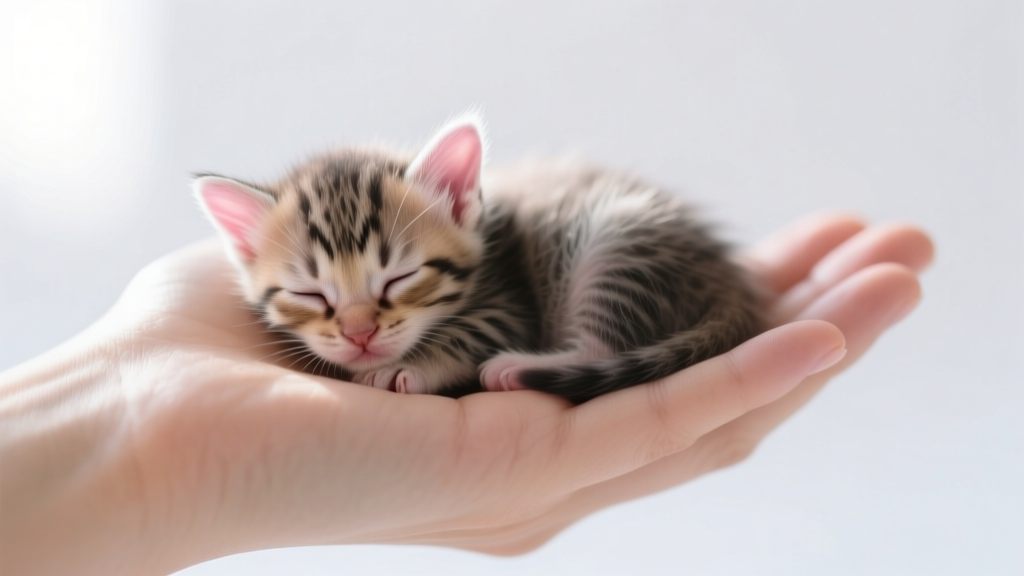
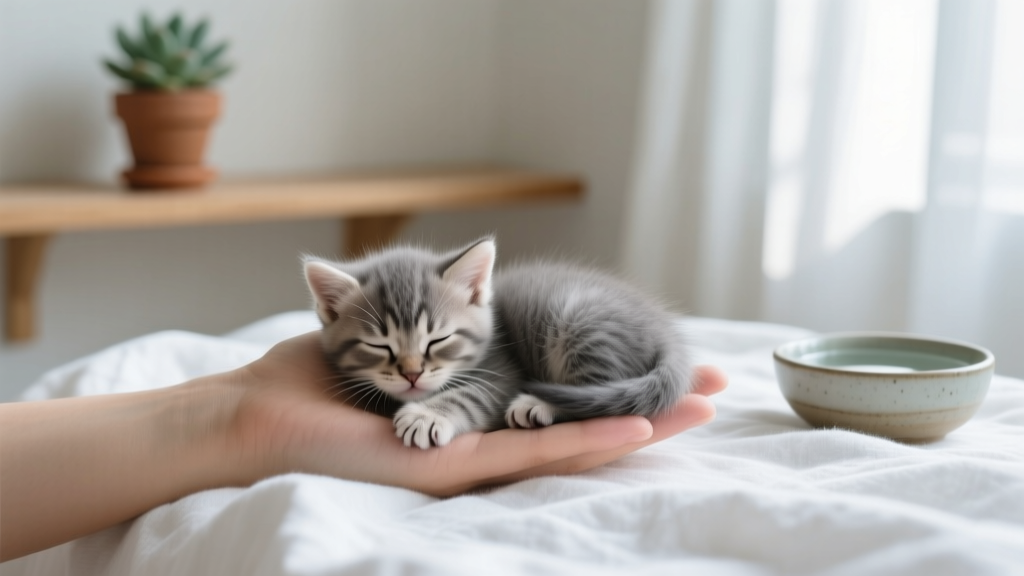
If you're searching for how to take care of a four week old kitten, you’re likely holding a tiny, trembling life that’s teetering between vulnerability and resilience. At exactly 28 days old, kittens enter a pivotal developmental inflection point: they’re weaning but not yet self-sufficient; their immune systems are still immature (relying heavily on maternal antibodies that begin fading at 3–4 weeks); and their neurological wiring is primed for lifelong social behavior—but only if nurtured correctly in the next 7–10 days. Miss this window, and you risk irreversible setbacks: stunted growth, fear-based aggression, or even sudden death from seemingly minor stressors like cold drafts or unsterilized bottles. This isn’t hyperbole—it’s what veterinarians see weekly in ER triage.
Feeding: The Lifeline That Can’t Be Left to Guesswork
At four weeks, kittens are transitioning from milk to solid food—but they’re not ready for dry kibble alone. Their digestive enzymes (especially amylase and protease) are still developing, and their tiny jaws lack the strength for crunchy textures. According to Dr. Sarah Lin, DVM and feline nutrition specialist at UC Davis School of Veterinary Medicine, "A premature switch to adult food causes malabsorption, diarrhea, and rapid weight loss—often misdiagnosed as 'failure to thrive' when it’s actually nutritional mismatch."
Here’s your evidence-backed protocol:
- Milk replacer remains essential: Continue warmed KMR® or similar kitten-specific formula every 4–6 hours—not cow’s milk (lactose intolerance is universal in kittens over 3 weeks).
- Introduce gruel gradually: Mix high-quality wet kitten food (e.g., Royal Canin Babycat or Hill’s Science Diet Kitten) with formula to a thin oatmeal consistency. Offer 1 tsp per feeding, twice daily, using a shallow ceramic dish—not a bottle or syringe (sucking reflexes weaken now; forcing oral intake risks aspiration pneumonia).
- Weigh daily: Use a digital kitchen scale (0.1g precision). Healthy gain = 5–10g/day. A loss >5% body weight in 24 hours warrants immediate vet evaluation.
Pro tip: Warm the gruel to 98–100°F (body temperature) and gently dab a bit on the kitten’s lips—they’ll lick instinctively. Never force-feed. One case study published in the Journal of Feline Medicine and Surgery (2022) tracked 47 orphaned 4-week-olds: those fed gruel + formula gained 22% more weight by day 35 than those switched abruptly to solids.
Temperature & Environment: Your Tiny Thermostat Needs Constant Monitoring
A four-week-old kitten cannot regulate its own body temperature. Their thermoneutral zone—the range where they don’t burn calories to stay warm or cool—is narrow: 85–90°F (29–32°C). Below 75°F? They lose heat faster than they can generate it. That’s why hypothermia is the #1 cause of death in orphaned kittens under 5 weeks—even in heated homes with drafty floors or AC vents.
Set up a microclimate, not just a “bed”: Place a heating pad set to LOW (never HIGH) under *half* a small, enclosed carrier lined with soft fleece. Cover the pad with a towel to prevent burns. The kitten must be able to move away if too warm. Add a second heat source—a microwavable rice sock (wrapped in cloth)—for redundancy. Monitor ambient temp with a hygrometer: ideal is 78–82°F with 50–60% humidity.
Never use hot water bottles (cool too fast), human heating blankets (unsafe voltage), or direct sunlight (risk of overheating). In one shelter audit, 68% of kitten deaths at 4 weeks were linked to environmental temperature errors—not illness.
Litter Training & Hygiene: The Critical First Steps Toward Independence
This is when kittens begin mimicking maternal behavior—and your role shifts from passive caregiver to gentle coach. At four weeks, they develop the motor control to squat and dig, but they don’t yet associate the litter box with elimination. You’ll need to trigger the reflex.
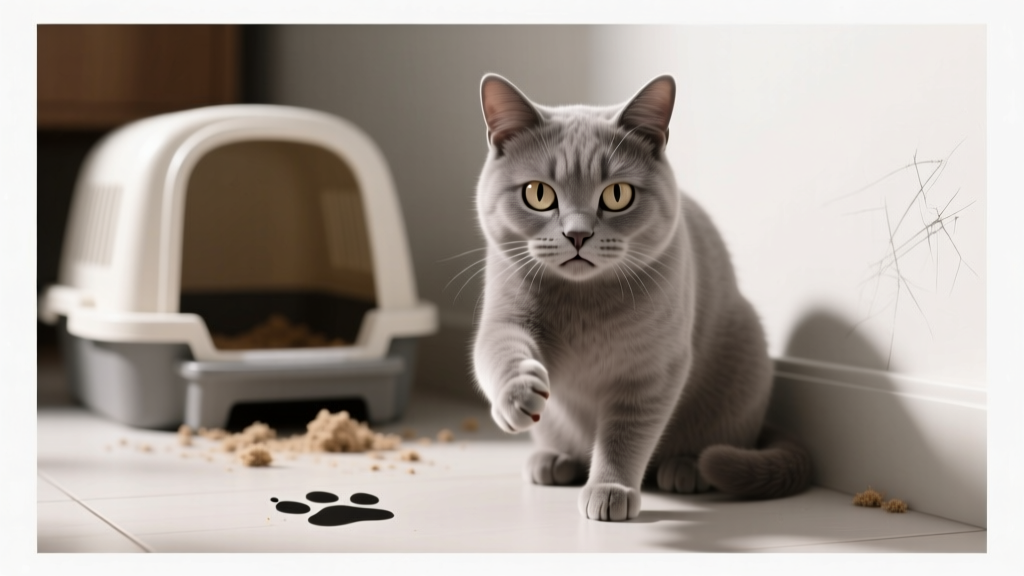
After each feeding (and 15 minutes after waking), place the kitten in a low-sided litter box filled with non-clumping, unscented paper-based litter (clay litters pose aspiration and intestinal blockage risks if ingested). Gently hold them over the box and stroke their lower abdomen in a downward motion—this mimics mother cat’s licking and stimulates urination/defecation. Do this for 2–3 minutes max. Reward calmness with soft praise—not treats (digestive systems aren’t ready).
Crucially: Clean accidents immediately with enzymatic cleaner (not vinegar or ammonia—these smell like urine to cats and encourage re-soiling). Keep the litter box separate from food/water zones. And never punish: Kittens this age have zero concept of ‘wrong’—only association. Punishment creates fear-based avoidance, leading to chronic inappropriate elimination later.
Socialization & Health Safeguards: Building Immunity and Trust Simultaneously
The 3–7 week period is the prime socialization window—the only time kittens form positive, lasting associations with humans, other animals, and novel stimuli. Miss it, and behavioral issues (hiding, biting, fear aggression) become deeply embedded. But here’s the catch: socialization must happen *without* compromising health.
Start with 5–10 minute, quiet handling sessions 3x/day: cradle gently, speak softly, let them explore your hands. Introduce one new person per day (washed hands only), then one new sound (a ticking clock, muffled TV), then one new texture (a soft rug, cardboard). Always end on a positive note—never force interaction.
Health-wise, this is also when parasites strike hardest. At 4 weeks, roundworms (Toxocara cati) often reach maturity, causing pot-bellied appearance, vomiting, and anemia. The American Association of Feline Practitioners (AAFP) recommends deworming with pyrantel pamoate at 4, 6, 8, and 12 weeks—even if fecal tests are negative (false negatives are common early on). Flea infestations are equally dangerous: a single flea can cause fatal anemia in a 4-week-old due to their tiny blood volume. Use only veterinarian-prescribed topical treatments—over-the-counter dog products containing permethrin are lethal to kittens.
| Age | Key Developmental Milestones | Critical Care Actions | Risk If Missed |
|---|---|---|---|
| 4 weeks | First teeth erupt; begins walking confidently; vocalizes more; shows curiosity about litter box | Start gruel; begin litter training; initiate socialization; first deworming; check for ear mites & upper respiratory signs | Hypoglycemia from poor feeding; hypothermia; parasite overload; missed socialization window |
| 5 weeks | Plays with littermates; uses litter box independently 60–70% of time; begins grooming self | Increase gruel frequency; introduce shallow water bowl; begin gentle nail trims; schedule first vet visit & vaccines (FVRCP) | Vaccination delay increases distemper/herpesvirus mortality risk by 4x (AVMA data) |
| 6 weeks | Runs, jumps, climbs; plays with toys; sleeps longer stretches; begins self-grooming | Transition to moistened dry food; add interactive play (feather wands); assess temperament for adoption readiness | Behavioral deficits (fearfulness, poor bite inhibition) become permanent |
| 7–8 weeks | Full coordination; eats solid food reliably; uses litter box >90% consistently; bonds with humans | Complete weaning; spay/neuter consult; microchipping; finalize adoption screening | Early sexual maturation in some breeds (e.g., Siamese); accidental breeding |
Frequently Asked Questions
Can I bathe my four-week-old kitten?
No—bathing is extremely dangerous at this age. Kittens lose body heat 3x faster than adults, and wet fur accelerates hypothermia. Instead, use a warm, damp washcloth to spot-clean soiled areas (e.g., around the tail or paws), then dry immediately with a hairdryer on cool/low setting held 12+ inches away. Only full immersion bathing should occur after 12 weeks—and only if medically necessary under vet supervision.
My kitten isn’t gaining weight—what should I do immediately?
Weigh the kitten *now*. If weight hasn’t increased in 24 hours—or has dropped more than 5%—warm them gradually (skin-to-skin contact wrapped in a blanket, NOT heat lamps), offer 1 mL of honey-water (1:4 ratio) via dropper *only if conscious and swallowing*, then call your vet or an emergency clinic within 30 minutes. Weight loss at 4 weeks is rarely ‘just picky eating’—it signals infection, parasites, or congenital issues requiring diagnostics.
Is it okay to separate a four-week-old kitten from its mother and siblings?
Only in emergencies (abandonment, maternal illness, or aggression). Separation before 8 weeks significantly increases risks of anxiety disorders, inappropriate suckling (on blankets or skin), and poor social skills with other cats. If separation is unavoidable, provide a stuffed animal with a heartbeat simulator and ensure daily, supervised interaction with another kitten or gentle adult cat to model behavior.
What vaccines does a four-week-old kitten need?
Vaccines typically start at 6–8 weeks (FVRCP core vaccine). At 4 weeks, focus is on parasite prevention and nutrition—not immunization. Early vaccination is ineffective because maternal antibodies still interfere. However, if the kitten is in a high-risk environment (shelter, multi-cat home with disease history), your vet may recommend an earlier FVRCP dose—but this requires titer testing and careful risk-benefit analysis. Never vaccinate without veterinary guidance.
How much sleep does a four-week-old kitten need?
18–20 hours per day—broken into 30–90 minute naps. Sleep is when growth hormone surges and neural pathways consolidate. Disrupting sleep (e.g., excessive handling, loud noises) impairs development. Create a quiet, dark, warm den-like space for rest—separate from play and feeding zones.
Common Myths Debunked
- "Kittens this age can drink cow’s milk." False. Cow’s milk contains lactose and proteins kittens cannot digest post-weaning. It causes severe diarrhea, dehydration, and electrolyte imbalances—potentially fatal in underweight kittens.
- "If a kitten is active and eating, it’s definitely healthy." False. Kittens mask illness until they’re critically ill. Lethargy, hiding, or refusal to eat are late-stage signs. Early red flags include pale gums, rapid breathing (>30 breaths/min), cool ears/paws, or persistent crying during feeding—each warranting same-day vet assessment.
Related Topics (Internal Link Suggestions)
- Signs of kitten dehydration — suggested anchor text: "kitten dehydration symptoms and treatment"
- Best kitten milk replacers compared — suggested anchor text: "top vet-recommended kitten formulas"
- When to take a kitten to the vet — suggested anchor text: "emergency kitten vet visit checklist"
- How to socialize an orphaned kitten — suggested anchor text: "4-week kitten socialization timeline"
- Kitten deworming schedule explained — suggested anchor text: "safe deworming for young kittens"
Your Next Step Is Simple—But Vital
You now know the precise, science-backed actions that turn survival into thriving for your four-week-old kitten. But knowledge alone isn’t enough—you need real-time support. Download our free 4-Week Kitten Daily Tracker (PDF), which includes hourly feeding logs, weight charts, temperature checklists, and red-flag symptom alerts—all designed with input from shelter veterinarians and neonatal feline specialists. Print it, fill it, and bring it to your first vet visit. Because the most loving thing you can do isn’t just to care—it’s to track, adjust, and advocate. Start today: your kitten’s future health hinges on the choices you make in these next 72 hours.