Feline Spirometra: Tapeworm Larval Migration
1. Why this topic matters to cat owners
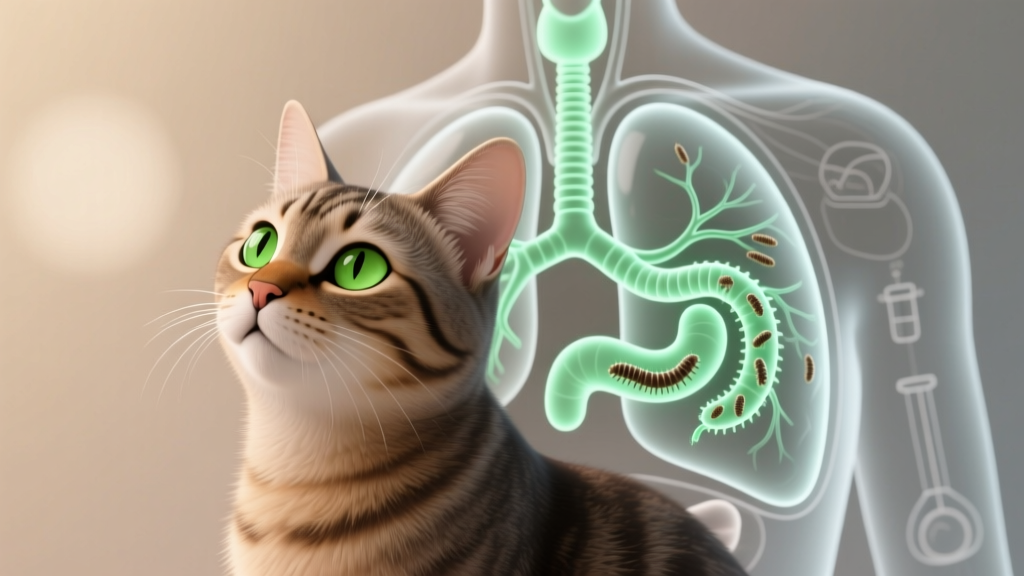
Most cat parents have heard of “tapeworms” and picture segments in the litter box or around the tail. Spirometra is different—and it can be more confusing and concerning. Spirometra is a type of tapeworm, but the most serious problems often come from its larval stage, which can migrate into a cat’s tissues instead of staying quietly in the intestines. This condition is commonly referred to as sparganosis (infection with migrating Spirometra larvae, called spargana).
Understanding how cats get exposed, what signs to watch for, and what veterinary care looks like can help you protect your cat and reduce anxiety if a lump or unusual symptom appears. The good news: with prompt veterinary attention and good prevention habits, many cats do well.
2. Overview: what Spirometra larval migration is (plain-language medical explanation)
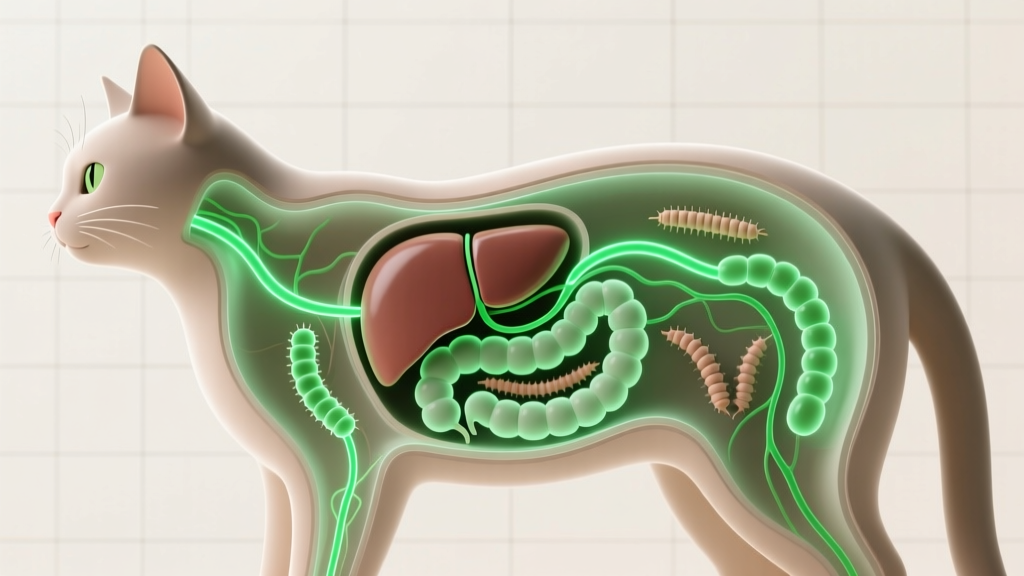
Spirometra is a genus of tapeworms. Adult tapeworms live in the intestines of “definitive hosts,” which can include cats and dogs in some regions. The parasite’s life cycle involves multiple steps and often includes aquatic environments.
Here’s the key distinction:
- Adult tapeworm infection (intestinal): The parasite lives in the gut and sheds eggs. Some cats may have mild digestive upset or no signs at all.
- Larval migration (sparganosis): The larval form can end up in body tissues (under the skin, muscles, and in rare cases other areas). This is when owners may notice lumps, swelling, or discomfort.
The larvae don’t “multiply” inside the cat like some parasites do, but they can move through tissues and cause local inflammation. Depending on where the larva is located, signs can be subtle or more obvious.
Spirometra exposure is strongly linked to hunting and outdoor access because it often involves swallowing infected intermediate hosts (like amphibians or reptiles) or drinking water containing tiny infected crustaceans. Regional risk varies, but any cat who hunts or roams outdoors has a higher chance of encountering the parasite.
3. Symptoms and warning signs to watch for
Signs depend on whether the issue is an adult intestinal infection, larval migration, or both. Many cats look normal for a long time, which is why routine vet care and parasite prevention are so valuable.
Common signs associated with larval migration (sparganosis)
- Firm or squishy lumps under the skin (often on the trunk, limbs, neck, or around the face)
- Swelling that may seem to shift location over time
- Tenderness or pain when a lump is touched
- Skin irritation over the area (redness, warmth, itching, licking)
- Draining tracts or non-healing sores (less common, but possible)
- Lethargy or decreased activity if inflammation is significant
Signs that may be seen with intestinal tapeworm infection
- Visible tapeworm segments (rice-like pieces) near the anus, on bedding, or in stool
- “Scooting” or increased licking of the rear end
- Mild digestive upset (soft stool, occasional vomiting)
- Weight loss (less common, usually with heavy parasite burdens or other illnesses)
If you notice a new lump, especially one that seems to change in size or location, schedule a veterinary appointment. Lumps have many causes—most are not emergencies—but they always deserve a professional evaluation.
4. Causes and risk factors
Spirometra has a multi-host life cycle, and cats are typically exposed through natural outdoor behaviors.
How cats become exposed
- Drinking from ponds, ditches, or other untreated water sources that may contain infected copepods (tiny crustaceans)
- Hunting/ingesting amphibians or reptiles (frogs, snakes, lizards) that can carry larval stages
- Eating raw meat from wildlife or raw diets that are not properly sourced and handled (risk varies by region and sourcing)
Risk factors that increase likelihood
- Outdoor access (especially roaming or feral/semi-feral lifestyles)
- Strong hunting drive
- Living near wetlands or areas with abundant frogs/snakes
- Inconsistent parasite prevention and irregular veterinary checkups
Indoor-only cats have a much lower risk, but any cat can be exposed if they’re fed raw prey, drink untreated water, or have access to captured wildlife.
5. Diagnosis: methods and what to expect at the vet
Because migrating larvae can mimic many other problems (abscesses, benign cysts, tumors, foreign bodies), diagnosis typically involves a step-by-step approach.
What your veterinarian may do
- History and lifestyle questions: outdoor access, hunting, diet (including raw foods), travel, prior parasite control
- Physical exam: assessing lump location, texture, pain level, mobility, and whether there are multiple areas
- Fine needle aspirate (FNA): a small needle sample from the lump to look for inflammatory cells, infection, or parasite evidence
- Ultrasound of the lump or affected area: can help identify fluid pockets, tissue tracts, or structures consistent with a foreign body or parasite
- Biopsy or surgical exploration: sometimes needed for a definitive diagnosis, especially if a larva is suspected
- Fecal testing: may be recommended, but keep in mind intestinal tapeworm eggs can be inconsistent in stool samples depending on the species and timing
- Bloodwork: to assess overall health before anesthesia/surgery or to look for inflammation
In many cases of sparganosis, confirmation happens when the larva is visualized and removed. If your cat has a lump, try not to squeeze it or attempt home drainage—this can worsen inflammation or introduce infection.
6. Treatment options (medical, surgical, home care)
Treatment depends on where the larva is and whether there’s an intestinal adult tapeworm infection at the same time. Your veterinarian will tailor a plan to your cat’s condition.
Medical treatment
- Prescription dewormers: Your vet may prescribe an antiparasitic medication. Not all over-the-counter dewormers are effective against all tapeworm species, and larval stages in tissue may respond differently than adult worms in the gut.
- Pain relief and anti-inflammatory medications: to keep your cat comfortable if swelling is present. Only use medications prescribed for your cat—many human pain relievers are toxic to cats.
- Antibiotics: if there is secondary bacterial infection, draining tracts, or an abscess-like process.
Surgical treatment
- Surgical removal is often the most direct treatment when a larva is localized in tissue and accessible. Removing the larva can quickly reduce irritation and helps confirm the diagnosis.
- Your vet may recommend surgery more strongly if:
- The lump is growing, painful, or interfering with movement
- There is a draining wound that won’t heal
- Imaging suggests a foreign body or migrating structure
- There’s concern about other diagnoses that require biopsy (like tumors)
Home care (supportive care after vet treatment)
Follow your veterinarian’s aftercare instructions closely. Practical steps that help most cats recover smoothly include:
- Give medications exactly as directed (set phone reminders if needed)
- Prevent licking or chewing at surgical sites or irritated skin (use an e-collar or recovery suit if prescribed)
- Keep activity calm for the recommended period to avoid swelling or wound breakdown
- Monitor the area daily: take a photo each day to track swelling, redness, or drainage
- Use only vet-approved wound care: never apply peroxide, alcohol, or essential oils unless your vet specifically instructs it
If a lump returns or a new lump appears, don’t assume treatment “failed.” Migrating larvae, reinfection, or unrelated conditions can look similar. A recheck exam is the safest next step.
7. Prevention strategies and early detection tips
Prevention focuses on limiting exposure and keeping parasite control consistent.
What you can do immediately
- Keep your cat indoors or use a secured catio/leash walks to reduce hunting
- Stop access to untreated water (ponds, buckets outdoors, puddles); provide fresh indoor water daily
- Avoid feeding raw prey and be cautious with raw diets; discuss safe nutrition choices with your veterinarian
- Use a vet-recommended parasite prevention plan year-round, tailored to your region and your cat’s lifestyle
Early detection habits
- Monthly “hands-on” checks: gently feel along your cat’s neck, shoulders, abdomen, and legs for new lumps
- Watch grooming patterns: sudden over-grooming in one spot can signal discomfort under the skin
- Schedule routine wellness exams: early lumps are easier to evaluate and treat
- Bring in a stool sample when your vet requests it (fresh samples are best)
If your cat is an avid hunter, ask your veterinarian about additional parasite screening and the most appropriate deworming protocols for your area.
8. Prognosis and quality of life considerations
Most cats have a good outlook when sparganosis is identified and treated appropriately. Prognosis depends on:
- Location of the larva (superficial tissue is typically easier to treat)
- Number of larvae and whether there are multiple sites
- Presence of secondary infection or chronic inflammation
- Overall health (age, immune status, other medical conditions)
Quality of life is usually excellent after successful removal and healing. Your role at home—preventing licking, giving medications, and attending rechecks—makes a big difference in comfort and recovery.
9. When to seek emergency veterinary care
Many lumps can be evaluated during regular clinic hours, but certain signs warrant urgent attention. Seek emergency veterinary care if your cat has:
- Rapidly expanding swelling, especially on the face/neck (could interfere with breathing)
- Difficulty breathing, open-mouth breathing, or severe lethargy
- Severe pain (crying, hiding, aggression when touched, inability to rest)
- High fever or your cat feels very hot and is unusually quiet
- Profuse drainage, bleeding, or a foul-smelling wound
- Not eating for 24 hours (or 12 hours in kittens) or repeated vomiting
- Sudden weakness, collapse, or neurological signs (stumbling, seizures)
If you’re unsure whether it’s an emergency, call your veterinary clinic or local emergency hospital and describe what you’re seeing. They can guide you based on your cat’s symptoms.
10. FAQ: common questions cat owners ask
Can humans catch Spirometra from cats?
Humans can develop sparganosis, but it’s usually linked to ingesting contaminated water or undercooked intermediate hosts in certain regions. Casual contact with a cat is not typically the route. Still, it’s smart hygiene to wash hands after litter box cleaning and avoid handling wild prey. If you have health concerns, speak with your physician.
Will a regular dewormer from the pet store fix this?
Not always. Over-the-counter products vary widely, and some only target certain intestinal worms. Migrating larvae in tissues may require different management, often including surgical removal and prescription medications. The safest plan is to let your veterinarian choose the treatment.
My cat has a lump—does that mean it’s Spirometra?
No. Lumps are common and have many causes: abscesses (especially in outdoor cats), cysts, benign fatty tumors, allergic reactions, foreign bodies, and cancers. Spirometra larval migration is only one possibility. Any new lump that lasts more than a day or two, grows, is painful, or drains should be checked by a veterinarian.
If my cat is treated, can it come back?
It can, either because of reinfection (continued hunting/drinking untreated water) or because there were additional larvae not detected initially. This is why prevention—reducing hunting, providing clean water, and following a parasite prevention plan—is so important.
Should I keep my other pets away?
Spirometra isn’t typically spread by casual pet-to-pet contact. The bigger concern is that other outdoor pets may share the same exposure risks (hunting, untreated water). Talk with your veterinarian about parasite prevention for all pets in the household.
What’s the best way to lower my cat’s risk?
- Keep your cat indoors or in a secured outdoor enclosure
- Prevent hunting and scavenging
- Provide only clean drinking water
- Use a vet-recommended year-round parasite control plan
- Schedule regular wellness exams and bring up any lumps early
If your cat has outdoor access, hunts, or develops unexplained lumps or skin swelling, schedule an appointment with your veterinarian. Professional evaluation is the fastest way to get answers and keep your cat comfortable.
For more practical, vet-informed cat health guides and prevention tips, visit catloversbase.com.