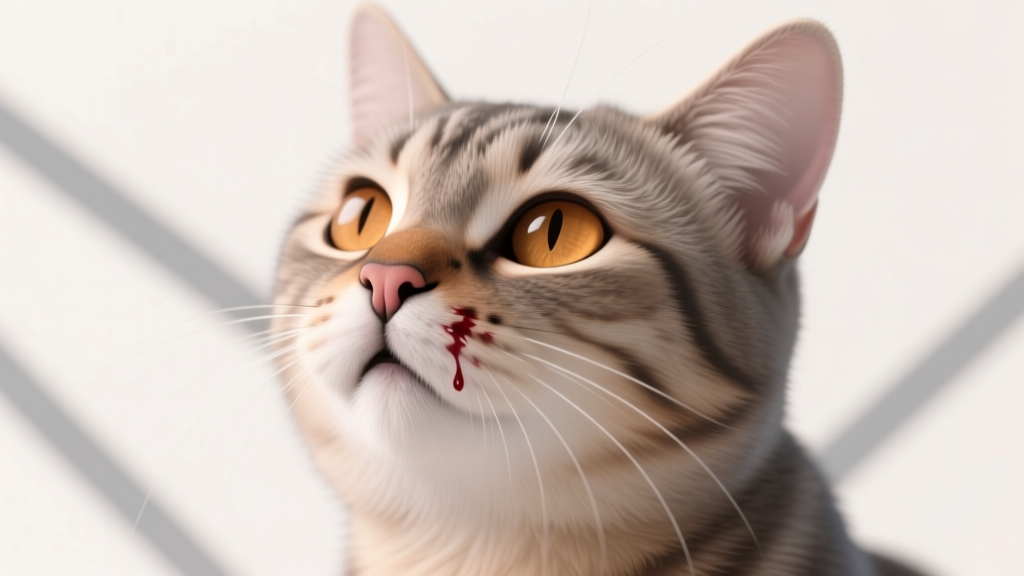
Cat Nasal Adenocarcinoma: Sneezing and Nosebleeds Cause
1. Why This Topic Matters for Cat Owners
Sneezing in cats is common, and most of the time it’s linked to something treatable like an upper respiratory infection, allergies, or dental disease. The challenge is that a few serious conditions can look similar in the early stages. One of those is nasal adenocarcinoma, a type of cancer that develops inside the nasal passages or nearby sinus tissues.
Learning what nasal adenocarcinoma is—and what warning signs tend to show up—helps you advocate for your cat sooner. Early veterinary evaluation can reduce discomfort, limit complications (like chronic nosebleeds or breathing difficulty), and open up more treatment options.
2. Overview: What Is Nasal Adenocarcinoma?
Nasal adenocarcinoma is a malignant (cancerous) tumor that arises from glandular tissue. In cats, it typically grows within the nasal cavity and can extend into the sinuses and surrounding structures. Because the nasal passages are a tight space filled with delicate tissue, even a relatively small tumor can cause noticeable symptoms.
This cancer tends to be locally invasive, meaning it often damages nearby tissues (including the thin bones of the nose and face) as it grows. It may spread (metastasize) to other areas, but in many cats the primary problem is local destruction and chronic inflammation rather than distant spread.
From a cat owner’s perspective, nasal adenocarcinoma can resemble chronic “kitty colds” that never fully resolve. That’s why persistent sneezing, noisy breathing, or nosebleeds deserve a closer look—especially if symptoms affect mostly one side of the nose.
3. Symptoms and Warning Signs to Watch For
Signs can be subtle at first and may come and go. Contact your veterinarian if any of these symptoms last more than a week or keep recurring, even if your cat seems otherwise normal.
- Frequent sneezing that doesn’t improve with typical care
- Nasal discharge (clear, cloudy, yellow/green, or blood-tinged)
- Nosebleeds (epistaxis), ranging from mild spotting to active bleeding
- Congestion, stertor (a snoring or “blocked nose” sound), or noisy breathing
- Reduced airflow through one nostril (often noticed as one-sided symptoms)
- Pawing at the face, rubbing the nose, or signs of facial discomfort
- Bad breath or mouth odor that doesn’t match dental findings
- Watery eyes or tear staining (especially if one-sided)
- Facial swelling around the nose, bridge of the nose, or under the eye
- Changes in appetite (cats may eat less if they can’t smell well)
- Weight loss or decreased grooming due to feeling unwell
Practical at-home tip: If your cat will tolerate it, take a short video of their breathing/snoring sounds and a photo of any discharge. This can help your vet see patterns that may not appear during the appointment.
4. Causes and Risk Factors
The exact cause of nasal adenocarcinoma in cats is not always known. Cancer is usually multifactorial, involving a mix of genetics, environment, and random cellular changes over time.
Known or suspected risk factors include:
- Age: Nasal tumors are more common in middle-aged to older cats.
- Environmental irritants: Chronic exposure to tobacco smoke, heavy dust, strong chemical fumes, and indoor pollutants may increase irritation and long-term risk.
- Chronic inflammation: Repeated or persistent nasal inflammation may contribute, though it does not mean a cat with chronic sneezing “will” develop cancer.
- Dental disease: Tooth root infections can mimic nasal cancer signs and may coexist with nasal inflammation; they are not a direct cause of adenocarcinoma, but they are a common reason for similar symptoms that must be ruled out.
What you can do now: Keep your cat’s environment low-irritant (no smoking indoors, unscented litter, good ventilation) and prioritize dental checkups—these steps help overall respiratory health and make it easier to spot unusual changes early.
5. Diagnosis: What to Expect at the Vet
Because many conditions can cause sneezing and nosebleeds, your veterinarian will take a stepwise approach. The goal is to find out whether your cat has an infection, inflammation, a foreign object, dental disease, a fungal condition, a polyp, or a tumor.
Common diagnostic steps include:
- History and physical exam: Duration of signs, one-sided vs. both sides, appetite changes, weight loss, and exposure to smoke/irritants.
- Oral and dental evaluation: Dental disease and tooth root issues can contribute to nasal discharge.
- Basic lab work: Bloodwork and urinalysis help assess overall health, anemia from bleeding, and fitness for sedation/anesthesia.
- Imaging:
- Skull/dental X-rays: Sometimes used as an initial step, but they have limitations for nasal disease.
- CT scan: Often the best imaging option for nasal tumors. It shows soft tissue masses, bone involvement, and guides biopsy planning.
- MRI: Helpful in certain cases, especially if extension toward the brain or soft tissues is suspected.
- Rhinoscopy: A tiny camera is used to look inside the nasal passages (typically under anesthesia). Your vet may flush the nasal cavity and collect samples.
- Biopsy: This is the gold standard for diagnosis. A tissue sample is examined by a pathologist to confirm adenocarcinoma and rule out other tumor types or severe inflammation.
- Infectious disease testing: Depending on location and clinical signs, testing for fungal disease or other infections may be recommended.
Owner reassurance: It’s normal for diagnosis to take more than one visit. Your vet is balancing accuracy, safety (especially around anesthesia), and cost-effective steps.
6. Treatment Options (Medical, Surgical, Home Care)
Treatment is individualized based on tumor size and location, whether it has invaded nearby structures, your cat’s overall health, and your goals for comfort and longevity. Your veterinarian may refer you to a veterinary oncologist or internal medicine specialist.
Radiation Therapy
For many feline nasal tumors, radiation therapy is a primary treatment. It aims to shrink the tumor, reduce bleeding and congestion, and improve breathing. Protocols vary (multi-session definitive radiation vs. shorter palliative courses).
- Potential benefits: Symptom relief, improved airflow, reduced nosebleeds, and longer control of local disease.
- Possible side effects: Skin irritation around the nose, temporary worsening of congestion, eye irritation, fatigue, and longer-term tissue changes.
Surgery
Surgery in the nasal cavity is challenging because of limited access and the tumor’s invasive nature. In select cases, surgical debulking (removing part of the mass) may be considered, often alongside radiation.
- Goal: Reduce obstruction and improve comfort rather than “cure” in most cases.
- Considerations: Bleeding risk and the likelihood of microscopic tumor remaining.
Chemotherapy
Chemotherapy may be used in some situations, especially if there is concern for spread or if radiation is not feasible. Response varies, and your oncologist will guide whether it’s likely to help.
Medications and Supportive Care
Even when advanced treatments aren’t chosen, cats can often feel significantly better with supportive care:
- Pain control: Your veterinarian may prescribe appropriate pain medications. Never give human pain relievers; many are toxic to cats.
- Anti-inflammatory medications: Sometimes used to reduce swelling and improve airflow; your vet will weigh benefits and risks.
- Antibiotics: Used only if a secondary bacterial infection is suspected; they won’t treat cancer itself.
- Appetite support: Appetite stimulants, anti-nausea meds, and diet adjustments can help maintain weight.
Home Care That Helps Right Away
- Reduce airway irritants: Avoid smoke, aerosols, strong cleaners, dusty litter, and scented plugins.
- Humidity support: A cool-mist humidifier can ease congestion. Clean it regularly to prevent mold.
- Nutrition: Offer warmed wet food to enhance smell and palatability. Monitor weekly weight if possible.
- Stress reduction: Keep routines steady and provide a quiet recovery space, especially after procedures.
- Track symptoms: Log nosebleeds (frequency/amount), appetite, breathing effort, and energy levels to share with your vet.
7. Prevention Strategies and Early Detection Tips
There’s no guaranteed way to prevent nasal adenocarcinoma, but you can reduce respiratory irritation and improve the chances of catching problems early.
- Schedule routine veterinary exams: Yearly for adults, twice yearly for seniors is a common recommendation.
- Take persistent sneezing seriously: If signs last longer than 7–10 days, keep returning, or are one-sided, book an appointment.
- Protect indoor air quality: No indoor smoking, use low-dust unscented litter, vacuum regularly, and avoid harsh sprays.
- Keep dental care up to date: Dental disease can mimic or worsen nasal symptoms, and addressing it improves overall comfort.
- Know your cat’s baseline: If your cat normally sneezes once a month and suddenly sneezes daily, that change matters.
8. Prognosis and Quality of Life Considerations
Prognosis depends on:
- Tumor size and location at diagnosis
- Degree of invasion into surrounding bone or tissues
- Response to therapy (especially radiation)
- Overall health and ability to tolerate anesthesia/treatment
Many cats experience meaningful improvement in breathing comfort and reduction in nosebleeds with appropriate therapy. When cure isn’t realistic, a palliative approach can still provide good quality of life for a period of time by controlling pain, congestion, and appetite issues.
Quality-of-life checkpoints you can monitor at home:
- Breathing ease (resting comfort, sleep quality, congestion sounds)
- Ability to eat and maintain weight
- Normal behaviors (grooming, social interaction, playfulness)
- Frequency and severity of nosebleeds
- Signs of pain or distress (hiding, irritability, pawing at face)
Your veterinarian can help you use a simple quality-of-life scoring system and decide when treatment adjustments—or a shift in goals—makes sense.
9. When to Seek Emergency Veterinary Care
Some nasal symptoms can escalate quickly. Seek urgent or emergency care if you notice:
- Heavy or persistent nosebleed that doesn’t stop within a few minutes, or repeated bleeding episodes in a day
- Labored breathing (open-mouth breathing, pronounced abdominal effort, flaring nostrils, or blue/pale gums)
- Sudden collapse, extreme weakness, or disorientation
- Not eating for 24 hours (or significantly reduced intake, especially in overweight cats, due to risk of hepatic lipidosis)
- Signs of severe pain (crying, hiding, aggression when touched, inability to rest)
- Facial swelling that progresses quickly or sudden eye changes (bulging, squinting, discharge)
At-home first steps while you’re arranging care: Keep your cat calm and in a cool, quiet room. Avoid forcing medications not prescribed for this situation. If there’s a nosebleed, prevent strenuous activity and use gentle, low-stress handling.
10. FAQ: Common Questions Cat Owners Ask
Can a “simple cold” turn into nasal cancer?
An upper respiratory infection does not “turn into” cancer. The concern is that early nasal tumors can look like lingering infection signs. If sneezing and discharge keep returning or never fully resolve, your veterinarian will want to investigate further.
Is nasal adenocarcinoma contagious to other cats?
No. Cancer is not contagious. However, some infectious diseases that cause sneezing are contagious, which is one reason diagnosis matters—so you can manage the right condition appropriately.
Why does my cat’s nosebleed happen on only one side?
One-sided bleeding or discharge often suggests a localized issue such as a nasal mass, foreign material, dental root disease affecting one side, or a localized infection/fungal process. It doesn’t automatically mean cancer, but it does warrant veterinary evaluation.
Will antibiotics fix the problem?
Antibiotics can help if there’s a bacterial infection, but they won’t treat a tumor. Some cats temporarily improve if antibiotics reduce secondary infection around a mass, which can mask the underlying cause. If signs return after antibiotics, follow up promptly.
What is the best test to confirm nasal adenocarcinoma?
A biopsy with pathology review is the most definitive way to diagnose nasal adenocarcinoma. CT imaging is often paired with biopsy to understand the extent of disease and guide treatment planning.
How can I help my cat eat if they can’t smell well?
Offer warmed wet food, try strong-smelling (cat-safe) options recommended by your vet, and provide small frequent meals. If appetite drops, contact your veterinarian quickly—cats can develop serious complications when they stop eating.
If your cat has ongoing sneezing, nosebleeds, or one-sided nasal discharge, scheduling a veterinary exam is the safest next step. With careful diagnostics and supportive care, many cats can stay comfortable and enjoy good quality time with their families.
For more practical cat health guides and supportive resources, visit catloversbase.com.