Feline Renal Telangiectasia: Blood Vessel Kidney Lesion
1. Why This Topic Matters to Cat Owners
When we think about kidney problems in cats, chronic kidney disease (CKD) usually comes to mind. But some kidney issues are less common and can be confusing—even scary—when they show up on an ultrasound report or bloodwork. Feline renal telangiectasia is one of those conditions. It involves abnormal dilation of tiny blood vessels in the kidney, creating blood-filled spaces (lesions) that may be discovered incidentally or during a workup for blood in the urine, anemia, or kidney-related symptoms.
Understanding what this diagnosis means can help you make calm, informed decisions. Many cats with kidney vascular lesions can still enjoy a good quality of life, especially when you work closely with a veterinarian and monitor changes early.
2. Overview: What Is Feline Renal Telangiectasia?
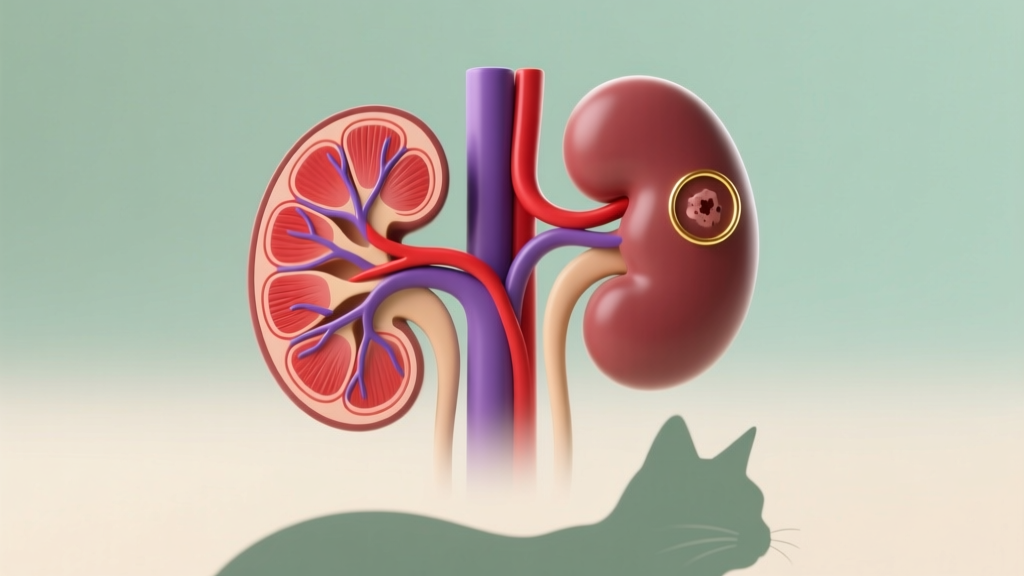
Renal telangiectasia refers to abnormally widened small blood vessels within the kidney. Think of it like tiny vascular “pockets” that become enlarged and fragile. These can appear as one or more blood-filled areas inside the kidney tissue.
In plain language: the kidney contains a network of very small vessels. With telangiectasia, some of those vessels become stretched and dilated, which can make them prone to leaking or bleeding.
What it is (most often):
- A non-cancerous vascular change in the kidney, though it may mimic more serious conditions on imaging.
- A potential cause of hematuria (blood in the urine) if bleeding occurs into the urinary tract.
- Sometimes an incidental finding during ultrasound for unrelated issues.
Why it can be confusing: On imaging, vascular lesions can resemble cysts, tumors, hematomas (blood clots), or other kidney abnormalities. Your vet’s job is to interpret the findings, correlate them with lab results, and decide whether monitoring, additional testing, or intervention is needed.
3. Symptoms and Warning Signs to Watch For
Some cats with renal telangiectasia have no obvious symptoms, especially early on. Signs typically appear if there is bleeding, irritation, anemia, or reduced kidney function from concurrent disease.
Common signs you may notice at home:
- Blood in the urine (pink, red, or tea-colored urine; sometimes only detected on urinalysis)
- Frequent urination or straining (can overlap with urinary tract infections or feline lower urinary tract disease)
- Increased thirst and increased urination (possible kidney involvement or concurrent CKD)
- Lethargy or reduced stamina
- Reduced appetite or picky eating
- Weight loss
Signs that can suggest anemia (from ongoing blood loss):
- Pale gums
- Weakness, hiding more than usual
- Faster breathing at rest
Because these symptoms overlap with many more common conditions, the safest approach is to schedule a veterinary visit for any urinary changes or appetite/energy shifts lasting more than 24–48 hours.
4. Causes and Risk Factors
Renal telangiectasia is not as well-characterized in cats as many other renal diseases, and in many cases, the exact cause is unknown. It may be congenital (present from birth) or develop over time as a vascular change within the kidney.
Potential contributors or associations your veterinarian may consider:
- Age-related changes in kidney tissue and blood vessels
- High blood pressure (hypertension) which can stress delicate renal vessels
- Chronic kidney disease (not necessarily caused by telangiectasia, but may occur alongside it)
- Trauma (less common, but bleeding lesions can be confused with traumatic hematomas)
- Blood clotting disorders or medications that affect clotting (relevant if bleeding is significant)
Risk factors worth discussing with your vet:
- Senior age
- Known CKD
- Diagnosed hypertension or hyperthyroidism (which can contribute to high blood pressure)
- History of unexplained hematuria
5. Diagnosis: Methods and What to Expect at the Vet
Most cases are identified during a diagnostic workup for urinary signs or kidney values. Your veterinarian will focus on two main goals: (1) assess kidney function and overall health, and (2) characterize the kidney lesion(s) and rule out more serious causes.
Common diagnostic steps:
- Physical exam (hydration status, gum color, abdominal palpation, body condition)
- Bloodwork
- Kidney markers: creatinine, BUN, SDMA
- Electrolytes and phosphorus
- Complete blood count (CBC) to check for anemia or infection
- Urinalysis
- Looks for blood, protein, crystals, infection signs, urine concentration
- A urine culture may be recommended to rule out infection
- Blood pressure measurement (very important in cats with kidney concerns)
- Imaging
- Abdominal ultrasound is the most useful tool to visualize kidney structure and vascular lesions
- Occasionally radiographs (X-rays) to assess kidney size/shape and rule out stones
- In advanced cases or specialty settings, CT may be considered for better characterization
Will my cat need a biopsy? Often, a biopsy is avoided unless absolutely necessary because kidney tissue can bleed, and vascular lesions may increase that risk. If cancer is a concern or the diagnosis is unclear, your veterinarian may refer you to an internal medicine specialist to discuss options. Sometimes the best and safest plan is careful monitoring with repeat imaging.
6. Treatment Options (Medical, Surgical, Home Care)
Treatment depends on what the lesion is doing (stable vs. bleeding), whether kidney function is affected, and whether other diseases are present.
Medical Management
Supportive care is common, especially when the lesion is stable:
- Manage underlying CKD (kidney-friendly diet, phosphorus control, hydration support)
- Control high blood pressure if present (medications such as amlodipine are commonly used in cats)
- Address protein in the urine if significant (your vet may recommend additional medications depending on the case)
- Treat anemia if blood loss is ongoing (may include iron support, treatment of the cause, and in severe cases, transfusion)
- Pain control if there is discomfort (only vet-approved medications—many human pain relievers are dangerous to cats)
If your cat has urinary tract infection signs, your vet may recommend a urine culture before antibiotics so the treatment is targeted and effective.
Surgical or Interventional Options
Surgery is not routine for telangiectasia, but may be considered if there is:
- Repeated significant bleeding from one kidney
- Suspicion of a tumor that cannot be ruled out
- Severe damage limited to one kidney while the other kidney functions well
In select cases, removal of the affected kidney (nephrectomy) may be discussed. This is a major decision that requires careful evaluation of the remaining kidney’s function. Your veterinarian or specialist will typically recommend additional testing before considering this path.
Home Care: Practical Steps You Can Start Now
- Track litter box habits: note urine color, clumps size, and frequency.
- Encourage hydration:
- Provide multiple water stations and consider a cat water fountain.
- Add water or low-sodium broth (vet-approved) to wet food.
- Prioritize wet food if your vet agrees it fits your cat’s overall health plan.
- Weigh your cat weekly (a baby scale works well) and report trends to your vet.
- Give medications consistently and ask about alternatives if dosing is stressful.
- Keep follow-up appointments for repeat labs and imaging—monitoring is often the key to safety.
7. Prevention Strategies and Early Detection Tips
There is no guaranteed way to prevent renal telangiectasia itself, but you can reduce risks related to kidney stress and catch changes early.
Actionable prevention and early-detection tips:
- Schedule routine wellness exams (at least yearly for adult cats; every 6 months for seniors).
- Ask for senior screening labs:
- Bloodwork including SDMA
- Urinalysis
- Blood pressure measurement
- Address hypertension early if diagnosed—high blood pressure can harm kidneys and eyes.
- Support hydration year-round.
- Don’t ignore subtle changes (slightly reduced appetite, mild weight loss, increased thirst).
- Use medications safely: never give human NSAIDs (like ibuprofen) unless explicitly prescribed by a veterinarian.
8. Prognosis and Quality of Life Considerations
Prognosis varies. Some cats have lesions that remain stable for a long time and never cause major problems. Others may experience episodes of bleeding or have concurrent kidney disease that requires ongoing management.
Factors that influence outlook:
- Whether bleeding is occurring and how severe it is
- Overall kidney function (current creatinine/SDMA, urine concentration, phosphorus)
- Presence of hypertension or hyperthyroidism
- Whether one or both kidneys are affected
- How well your cat responds to supportive care and monitoring
Quality of life goals usually focus on maintaining appetite, comfort, hydration, and stable energy. Many cats do well with a predictable routine, stress-minimized medication strategies, and regular rechecks to prevent surprises.
9. When to Seek Emergency Veterinary Care
Renal telangiectasia can be associated with bleeding, and any sudden deterioration should be treated as urgent. Contact an emergency veterinarian right away if you notice:
- Large amounts of blood in the urine or persistent dark/cola-colored urine
- Straining to urinate with little to no urine produced (especially in male cats—urinary blockage is life-threatening)
- Collapse, extreme weakness, or very pale gums
- Rapid breathing at rest or signs of distress
- Repeated vomiting, inability to keep food/water down
- Sudden severe abdominal pain or a tense, painful belly
If you’re unsure whether it’s an emergency, call a veterinary clinic or emergency hospital and describe what you’re seeing. It’s always appropriate to ask for guidance.
10. FAQ: Common Questions Cat Owners Ask
Is renal telangiectasia cancer?
Renal telangiectasia itself is typically a benign (non-cancerous) vascular change. The challenge is that some kidney tumors can look similar on imaging. Your veterinarian may recommend follow-up ultrasounds or additional tests to make sure the lesion behaves like a benign condition.
Will my cat be in pain?
Many cats are not painful from the lesion alone. Pain may occur if there is bleeding, clot formation, inflammation, or a separate urinary issue. If your cat seems uncomfortable (hunched posture, hiding, reduced grooming), consult your veterinarian promptly for safe pain control options.
Can my cat live a normal life with this diagnosis?
Many cats can have a good quality of life, especially if the lesion is stable and kidney function is preserved. The plan often involves monitoring, managing blood pressure, supporting kidney health, and watching for urinary bleeding.
Does my cat need a special diet?
Not always specifically for telangiectasia. If your cat also has CKD, your vet may recommend a kidney-support diet (typically controlled phosphorus, moderate protein, and added omega-3s). Diet decisions should be individualized—especially if your cat has other conditions like diabetes or food sensitivities.
How often will monitoring be needed?
This depends on your cat’s symptoms and lab results. Some cats may need rechecks every 3–6 months (or sooner if there’s bleeding or kidney values are changing). Monitoring may include blood pressure, urinalysis, bloodwork, and repeat ultrasound.
What should I do if I see blood in the litter box?
Take a calm, practical approach:
- Call your veterinarian the same day for advice and an appointment.
- If possible, bring a fresh urine sample (your clinic can tell you how).
- Watch for emergency signs like straining with no urine, collapse, or very pale gums—these need urgent care.
If your cat has been diagnosed with a renal vascular lesion or you’re in the middle of figuring out what an ultrasound finding means, your veterinarian is your best partner. With careful monitoring and supportive care, many cats can remain comfortable and stable for a long time.
For more clear, caring cat health guides and practical wellness tips, visit catloversbase.com.