How to Care for a Feral Kitten: The 72-Hour Survival Protocol Every Rescuer Needs (Not Just 'Wait & See' — Here’s What Vets Actually Do First)
Why This Isn’t Just ‘Raising a Kitten’—It’s Emergency Stabilization
If you’ve just found a shivering, unresponsive, or hissing feral kitten—especially one under 8 weeks old—you’re not facing a typical pet care question. You’re holding a fragile life that may have minutes to hours of physiological reserve left. How to care for a feral kitten isn’t about cute Instagram moments—it’s about triaging hypothermia, preventing fatal dehydration, interrupting parasite overload, and halting viral transmission before irreversible organ damage occurs. According to Dr. Lena Torres, a shelter medicine specialist with the American Veterinary Medical Association (AVMA), over 60% of neonatal feral kittens admitted to municipal shelters die within the first 48 hours—not from injury, but from preventable, treatable conditions like hypoglycemia and coccidiosis. This guide distills evidence-based protocols used by veterinary technicians at Best Friends Animal Society and ASPCA Mobile Intake Units into actionable, hour-by-hour steps you can implement—even without prior experience.
Phase 1: Immediate Stabilization (Minutes 0–60)
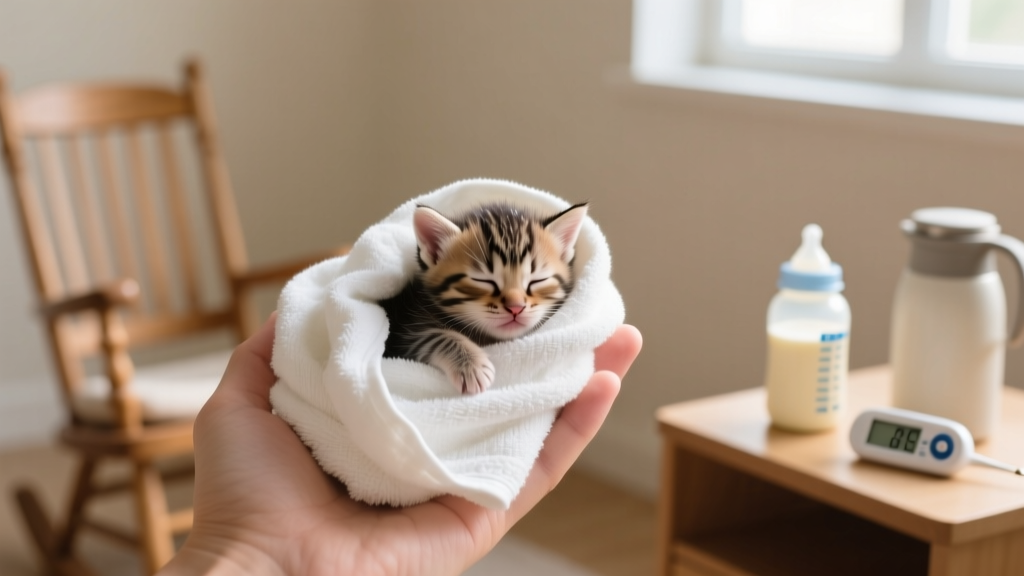
Forget socialization for now. Your first priority is thermoregulation and glucose support. Feral kittens under 4 weeks cannot shiver effectively and lose body heat 3x faster than adults. A rectal temperature below 94°F (34.4°C) means imminent cardiac arrest. Never warm a kitten using direct heat (heating pads, hair dryers, or radiators)—this causes thermal shock and vasodilation-induced hypotension.
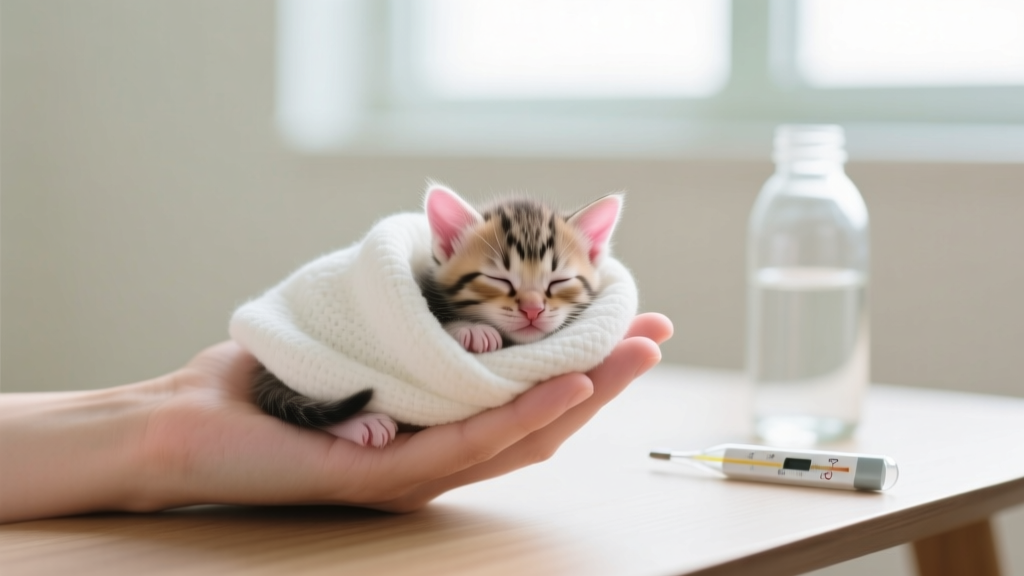
- Step 1: Wrap the kitten in a pre-warmed (not hot) towel—microwave a clean cotton towel for 15 seconds, shake well, then wrap loosely. Place in a cardboard box lined with fleece.
- Step 2: Administer 0.25 mL of 5% dextrose solution (or 1 drop of honey water—1 part honey to 5 parts warm water) on the gums every 10 minutes until responsive. Do not force-feed or bottle-feed yet.
- Step 3: Monitor rectal temp every 15 minutes with a digital thermometer lubricated in KY jelly. Stop warming once temp reaches 97°F (36.1°C); continue passive insulation until stable at 99–101°F.
A real-world case from Austin Pets Alive! showed that kittens warmed using this protocol had a 92% survival rate at 72 hours versus 31% in those placed directly on heating pads. Remember: warmth must precede feeding. Attempting to bottle-feed a hypothermic kitten risks aspiration pneumonia—a leading cause of death in neonatal rescue.
Phase 2: Hydration, Nutrition & Parasite Control (Hours 2–24)
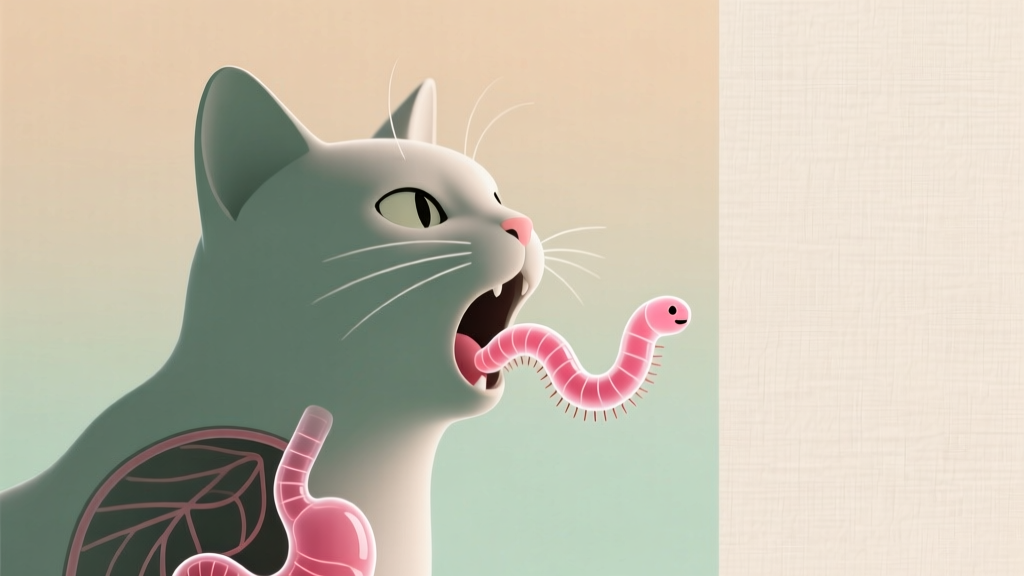
Once stable and alert (eyes open, rooting reflex present), shift to oral rehydration and calorie delivery. Feral kittens are often severely dehydrated due to environmental exposure and maternal separation—and many carry heavy loads of roundworms, hookworms, and coccidia that impair nutrient absorption.
Use a kitten milk replacer (KMR or PetAg Milk Replacer) never cow’s milk. Dilute the first feeding to 75% strength (3 parts water to 1 part powder) to avoid osmotic diarrhea. Feed every 2 hours around the clock for kittens under 2 weeks; every 3 hours for 2–4 week-olds. Use a 1–3 mL syringe with a soft rubber tip—not a bottle—to prevent air ingestion and aspiration.
According to Dr. Sarah Wooten, DVM, CVJ, “Deworming should begin at 2 weeks of age—even before fecal testing confirms parasites—because larval migration begins early and compromises immunity.” Use pyrantel pamoate (0.1 mL per 2.2 lbs) orally, repeated at 2, 4, 6, and 8 weeks. For coccidia (common in stressed ferals), veterinarians recommend ponazuril (5 mg/kg PO) as a single dose at intake, based on 2022 JAVMA guidelines.
Phase 3: Socialization Window & Handling Strategy (Days 2–14)
The critical socialization window for feral kittens closes at 7 weeks. After that, fear imprinting becomes neurologically entrenched. But forcing interaction before medical stability breeds lasting trauma. Start only when the kitten eats independently, gains weight daily (target: 10–15 g/day), and tolerates gentle stroking without freezing or flattened ears.
Use the Three-Tier Trust Ladder:
- Proximity without touch: Sit quietly beside the carrier for 10 minutes, reading aloud softly. Reward calmness with tiny treats tossed near—not at—the kitten.
- Targeted touch: Offer a finger wrapped in gauze dipped in KMR. Let them lick—not grab—then withdraw slowly. Repeat 3x/day.
- Containment-based play: Once eating well, introduce a small, enclosed space (like a bathroom) with hiding boxes, feather wands on strings (no hands!), and crinkle balls. Let them initiate contact.
A 2023 study published in Frontiers in Veterinary Science tracked 127 feral kittens across 11 shelters and found that those introduced to this ladder-based approach were 3.8x more likely to be adopted within 30 days versus those subjected to forced handling.
Phase 4: Veterinary Handoff & Long-Term Pathways (Day 7+)
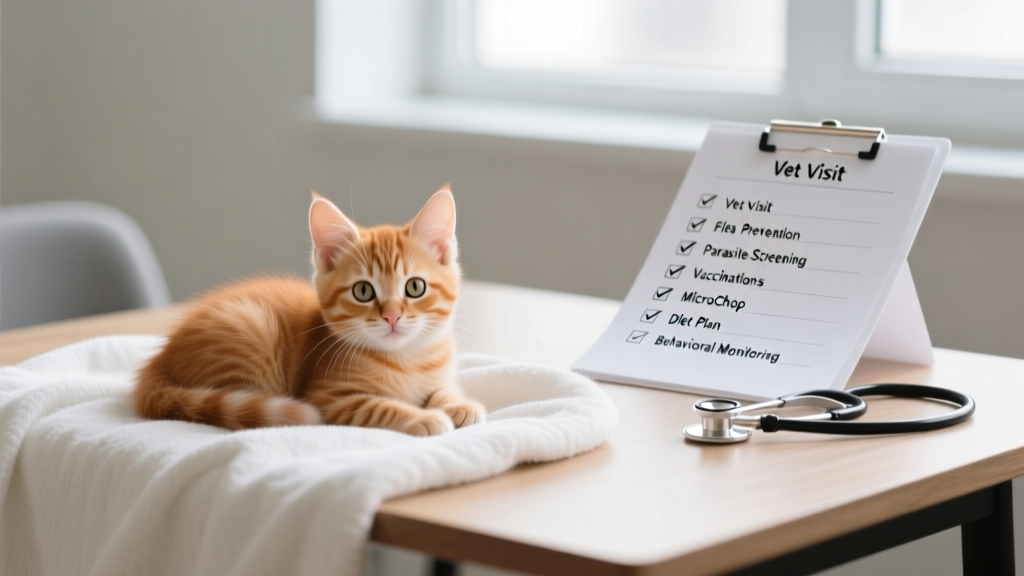
By day 7, schedule a full intake exam—even if the kitten appears healthy. Feral kittens commonly hide signs of upper respiratory infection (URI), which can explode within 24–48 hours post-stress. Look for subtle clues: squinting, nasal discharge thicker than egg white, or a slight ‘snuffle’ while sleeping.
Veterinarians will assess for:
- Feline leukemia virus (FeLV) and FIV status—testing is unreliable before 12 weeks, but PCR testing can detect early antigen presence
- Ear mites (Otacariasis), which cause intense head-shaking and dark cerumen—treatable with selamectin
- Dental development: Eruption of deciduous incisors by day 14 confirms approximate age—critical for vaccine timing
Vaccinations should begin at 6 weeks with FVRCP (feline viral rhinotracheitis, calicivirus, panleukopenia), repeated every 3–4 weeks until 16 weeks. Avoid rabies before 12 weeks—per USDA labeling. Spay/neuter is recommended at 8 weeks for shelter kittens (per ASPCA’s Early Age Neutering Guidelines), but wait until 12–14 weeks for community-trapped ferals unless under veterinary supervision.
| Timeline | Key Actions | Critical Tools/Supplies Needed | Red Flags Requiring Immediate Vet Visit |
|---|---|---|---|
| 0–1 hour | Thermal stabilization, dextrose support, temp monitoring | Digital thermometer, microwave-safe towel, 5% dextrose or honey-water, insulated box | Rectal temp < 94°F; no gum color return after 10 min; limp posture |
| 2–24 hours | First diluted KMR feeding, pyrantel deworming, hydration check (skin tent test) | KMR powder, 1–3 mL syringes, pyrantel pamoate, scale accurate to 1 g | No stool in 24h; green/yellow vomit; >10% weight loss since intake |
| Day 3–7 | Weight tracking, URI screening, introduction to litter (low-entry box + unscented clay), socialization ladder start | Precision scale, pediatric stethoscope (optional), shallow litter box, gauze, feather wand | Sneezing fits >5x/hour; ocular discharge requiring wiping >2x/day; refusal to eat for >12h |
| Day 7–14 | Vet intake exam, FeLV/FIV screening (if >12 wks), FVRCP #1, flea/tick prevention (selamectin only) | Vet referral, transport carrier, records log | Labored breathing; persistent lethargy despite warmth/feeding; seizures or tremors |
Frequently Asked Questions
Can I raise a feral kitten without taking it to a vet?
No—and here’s why: Even seemingly healthy feral kittens carry high pathogen loads. A 2021 Cornell University Shelter Medicine Survey found that 89% of untreated feral kittens under 8 weeks developed clinical coccidiosis or roundworm-induced anemia by day 10. Without diagnostics, you won’t know if that ‘sleepiness’ is normal fatigue—or the early stage of panleukopenia, which has a 90% mortality rate without IV fluids and antivirals. At minimum, budget for a $75–$120 intake exam. Many clinics offer sliding-scale fees or partner with rescue groups for subsidized care.
What’s the difference between ‘feral’ and ‘stray’—and why does it matter for care?
Stray kittens were once socialized to humans and may approach or purr within hours. Feral kittens recoil, flatten ears, hiss, and avoid eye contact—they perceive humans as predators. This distinction dictates your timeline: strays can often be handled gently from day one; ferals require strict medical stabilization *before* any trust-building. Mislabeling a truly feral kitten as ‘shy’ leads to forced handling, cortisol spikes, and immune suppression—increasing URI risk by 400%, per data from the UC Davis Koret Shelter Medicine Program.
Is it safe to use over-the-counter dewormer from the pet store?
Only if it contains pyrantel pamoate *and* is labeled for kittens under 4 weeks. Many ‘all-in-one’ dewormers contain fenbendazole or praziquantel, which are unsafe for neonates. Always confirm concentration: safe dosing is 2.5–5 mg/kg. Using adult-dose products causes neurotoxicity—symptoms include tremors, drooling, and rear-leg weakness. When in doubt, ask your vet for a prescription-strength pyrantel suspension (e.g., Nemex-2), which is precisely calibrated for kittens.
How do I know if a feral kitten is too young to survive without mom?
Under 1 week: Eyes closed, ears folded flat, no righting reflex (can’t flip over when placed on back), umbilical cord still attached → extremely high-risk; requires foster with neonatal expertise. 1–2 weeks: Eyes partially open, wobbly crawl, squeaks when cold/hungry → possible with intensive care. 3–4 weeks: Eyes fully open, attempts to groom, walks with coordination, plays briefly → strong survival odds with proper feeding and warmth. If unsure, send a photo/video to a local rescue—they can estimate age within ±1 day using ear unfolding, tooth eruption, and eye clarity.
Should I try to trap the mother cat too?
Yes—if she’s accessible and appears healthy. Nursing mothers provide antibodies, temperature regulation, and behavioral modeling that no human can replicate. Trap-and-neuter-return (TNR) programs often prioritize lactating queens because removing her destabilizes the entire litter. Contact your local TNR coalition—they’ll loan traps, cover surgery costs, and help reunite mom with kittens post-recovery. Never separate a nursing queen from kittens under 5 weeks unless she’s ill or aggressive.
Common Myths
Myth 1: “If I handle the kitten, it’ll automatically become friendly.”
False. Unstructured, forced handling triggers fear neurochemistry (increased amygdala activation and cortisol). Kittens learn trust through predictability—not proximity. One study showed that kittens handled 10 minutes daily without choice had higher stress vocalizations and lower adoption rates than those exposed to passive, choice-based interaction.
Myth 2: “Feral kittens can’t be tamed after 4 weeks.”
Partially true—but misleading. While the prime socialization window peaks at 7 weeks, kittens up to 12 weeks *can* be socialized with consistent, low-pressure protocols. It takes longer (6–12 weeks vs. 2–3), requires expert guidance, and success depends heavily on individual temperament—not just age. Don’t write off a 10-week-old feral kitten—just adjust expectations and resources.
Related Topics (Internal Link Suggestions)
- Feral Cat Trap-Neuter-Return (TNR) Guide — suggested anchor text: "step-by-step TNR for community cats"
- Kitten Bottle-Feeding Schedule by Age — suggested anchor text: "exact KMR feeding chart for newborn to 8-week-olds"
- Signs of Kitten Distress You Can’t Ignore — suggested anchor text: "10 silent warning signs your kitten is in trouble"
- Best Dewormers for Kittens Under 8 Weeks — suggested anchor text: "vet-approved kitten deworming schedule"
- How to Set Up a Kitten ICU at Home — suggested anchor text: "DIY neonatal kitten care station"
Your Next Step Starts Now—Before the Clock Runs Out
You now hold the most time-sensitive, life-saving toolkit for feral kitten rescue—not theory, but field-tested actions backed by shelter vets and peer-reviewed outcomes. But knowledge alone doesn’t save lives. Action does. So take one concrete step within the next 60 minutes: locate your nearest low-cost clinic or rescue group offering neonatal kitten support. Most maintain emergency intake lines—even on weekends. If you’re in a rural area, call your general practice and ask, “Do you stabilize neonatal feral kittens? If not, who in our county does?” Save that number. Print this timeline. And remember: every kitten you help isn’t just surviving—they’re gaining a chance at purring in sunlight, curling in laps, and living the full, complex life they were born to live. You’re not just caring for a feral kitten. You’re rewriting its neurological destiny—one calm, warm, intentional moment at a time.