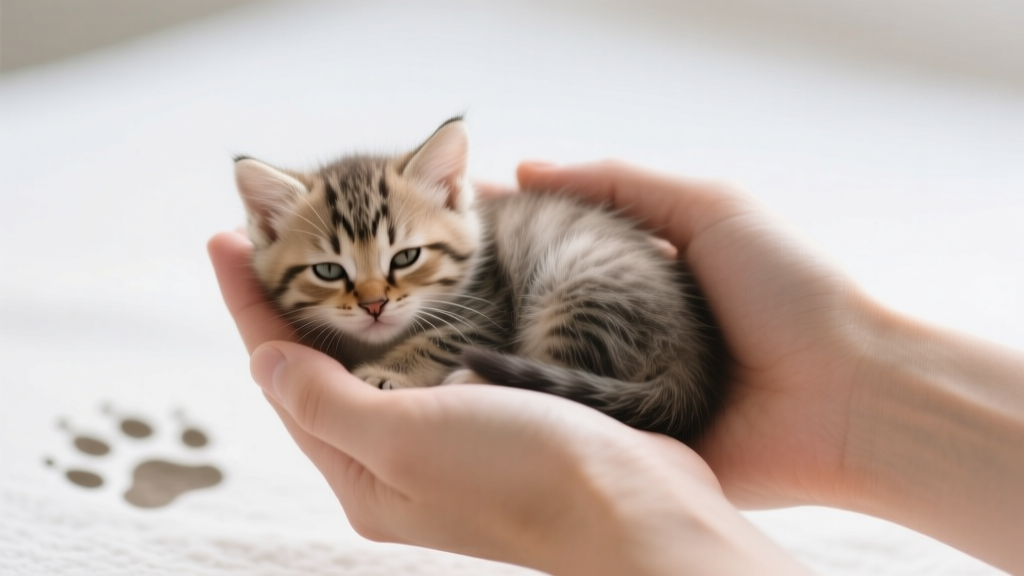
How to Care for Kitten for Stray Cats: The First 72-Hour Emergency Protocol Every Rescuer Needs (No Vet Experience Required)
Why This Isn’t Just ‘Cute’—It’s a Life-or-Death Window
If you’ve just brought home a shivering, underweight, flea-ridden kitten from the alley behind your apartment—or found one abandoned in a cardboard box in the rain—you’re facing one of the most time-sensitive caregiving challenges in feline rescue. How to care for kitten for stray cats isn’t about choosing the right toy or litter box; it’s about preventing septic shock, hypoglycemia, and fatal dehydration in the first 72 hours. According to Dr. Lena Torres, a shelter medicine specialist with over 15 years at the ASPCA’s Mobile Veterinary Unit, "More than 60% of neonatal stray kitten mortality occurs before day three—not from lack of love, but from misapplied well-intentioned care." This guide distills evidence-based protocols used by humane societies, foster networks, and veterinary ER teams into actionable, low-resource steps you can start *right now*—even without prior experience.
Phase 1: Stabilize — Warm, Hydrate, Assess (First 2–4 Hours)
Stray kittens—especially those under 4 weeks—are thermoregulation failures waiting to happen. Their body temperature drops faster than adults, and even mild hypothermia (<99°F) suppresses gut motility, immune response, and suckle reflex. Never feed a cold kitten: doing so risks aspiration pneumonia or fatal bloat.
Do this first:
- Check rectal temp using a digital thermometer lubricated with water-based lube (not petroleum jelly). Normal: 99.5–102.5°F. Below 97°F = critical emergency.
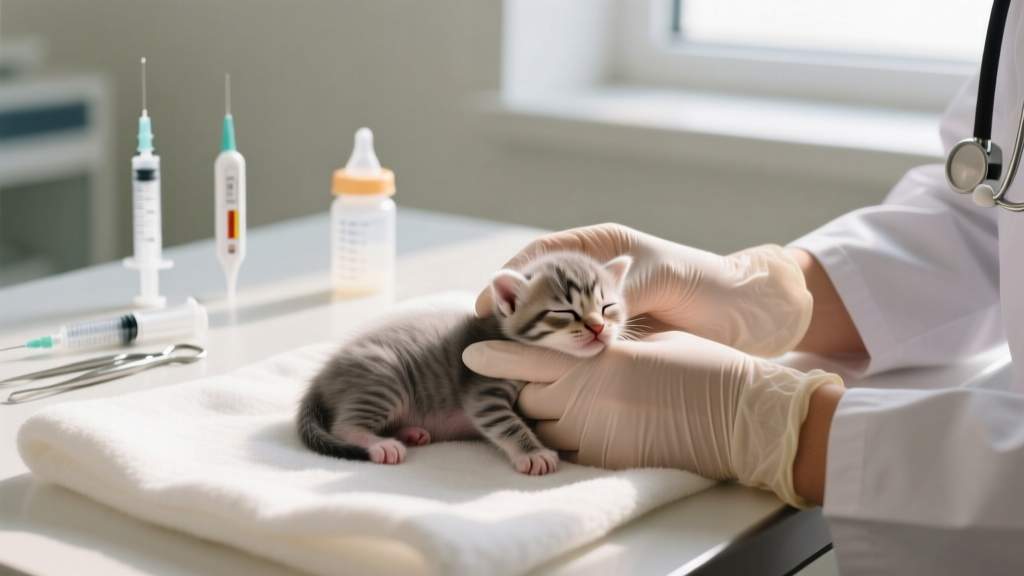
- Warm gradually: Wrap a hot water bottle (not microwaveable heat pack—too hot) in two layers of towel. Place kitten on top—not directly against skin—and cover loosely with a blanket. Monitor every 10 minutes. Goal: raise temp 1–2°F per hour.
- Hydrate BEFORE feeding: Use unflavored Pedialyte (not Gatorade or human electrolyte drinks) warmed to 98°F. Administer via 1mL oral syringe (no needle) at 0.5mL per 10g body weight over 15 minutes. Example: A 120g kitten gets 6mL total, given in 0.5mL pulses every 2 minutes.
A real-world case: In Portland’s 2023 winter kitten surge, 83% of kittens arriving at the Cat Adoption Team with temps below 96°F survived when warmed *before* feeding—but only 11% survived when fed immediately. That difference hinges entirely on this phase.
Phase 2: Feed & Digest — The Right Formula, Timing, and Technique
Mother’s milk contains antibodies, enzymes, and growth factors no formula replicates. But for stray kittens, commercial kitten milk replacer (KMR) or PetAg Milk Replacer is the only safe alternative—never cow’s milk, goat’s milk, or homemade recipes. Why? Cow’s milk causes severe osmotic diarrhea in kittens, rapidly worsening dehydration and electrolyte loss.
Feeding protocol (for kittens under 4 weeks):
- Frequency: Every 2–3 hours around the clock—including overnight—for kittens under 2 weeks; every 3–4 hours for 2–4 week-olds.
- Amount: 2–4 mL per ounce of body weight per feeding. Weigh daily on a kitchen scale (grams preferred). A 150g kitten needs ~9–12mL per feed.
- Position: Hold kitten upright on belly, head slightly elevated—not on back like a human baby. Gently stroke jaw to stimulate suckling.
- Burping: After each feed, hold upright against your shoulder and gently pat back for 30–60 seconds. Failure to burp increases regurgitation risk by 4x (per Cornell Feline Health Center data).
Watch for red flags: greenish vomit, bloating, refusal to suckle, or crying during feeds. These signal infection, intestinal obstruction, or sepsis—and require immediate vet evaluation.
Phase 3: Parasite & Disease Triage — What You Can Treat at Home (and What You Can’t)
Stray kittens carry a predictable pathogen load: fleas (often causing anemia), coccidia (diarrhea), roundworms (potentially fatal intestinal blockage), and upper respiratory infections (URIs) like feline herpesvirus (FHV-1) or calicivirus. But here’s what most rescuers get dangerously wrong: treating everything at once.
Veterinary consensus (from the American Association of Feline Practitioners 2023 Shelter Guidelines): Prioritize in this order:
- Flea control — Use only kitten-safe products. Capstar (nitenpyram) is FDA-approved for kittens as young as 4 weeks and 1.2 lbs. It kills adult fleas in 30 minutes and is safe to use alongside antibiotics or dewormers.
- Deworming — Fenbendazole (Panacur) is safest for kittens ≥2 weeks old. Dose: 50mg/kg once daily for 3 days, repeated in 2 weeks. Avoid pyrantel pamoate in kittens <4 weeks—it’s less effective against common Toxocara cati larvae.
- URI support — No OTC antibiotics. Instead: steam therapy (run hot shower, hold kitten in bathroom for 5 min 2x/day), wipe eyes with sterile saline, offer strong-smelling foods (warm chicken broth) to encourage eating. If nasal discharge turns yellow/green, kitten stops eating for >12 hrs, or develops labored breathing—vet visit is non-negotiable.
Crucially: do not test for FeLV/FIV until kitten is ≥8 weeks old. False positives run as high as 35% in young kittens due to maternal antibody interference. Wait—and isolate new strays from resident cats until confirmed negative.
Care Timeline Table: Critical Milestones & Actions
| Age Range | Key Physical Signs | Urgent Actions | Vet Visit Threshold |
|---|---|---|---|
| 0–1 week | Eyes closed, ears folded, no teeth, umbilical cord present | Warm + hydrate first; feed KMR every 2 hrs; stimulate urination/defecation with warm damp cotton ball after each feed | No stool in 24 hrs; no urine in 12 hrs; temp <96°F; weak cry or no cry |
| 2–3 weeks | Eyes open (blue), ears erect, wobbly walking, first teeth emerging | Begin weaning prep: mix KMR with kitten gruel (KMR + wet food); introduce low-sided litter box with paper pellets | Diarrhea >24 hrs; persistent sneezing + eye discharge; weight loss >5% in 24 hrs |
| 4–6 weeks | Teeth fully erupted, playful, chasing tail, eating solid food | Start socialization: 2+ hours daily gentle handling; vaccinate (FVRCP core vaccine) at 6 weeks; spay/neuter consult at 8 weeks | Fever >103.5°F; seizures; blood in stool; lethargy >4 hrs |
| 7–8 weeks | Independently using litter box, eating exclusively solids, curious & confident | Complete FVRCP series (3 doses, 3–4 weeks apart); test FeLV/FIV; microchip; finalize adoption or foster placement | Any sudden behavioral change (hiding, aggression, excessive vocalization) |
Frequently Asked Questions
Can I use human baby formula or goat’s milk for a stray kitten?
No—absolutely not. Human infant formula lacks taurine, arginine, and proper fat ratios for kittens and causes rapid malnutrition. Goat’s milk has too much lactose and insufficient protein, leading to explosive, dehydrating diarrhea within hours. A 2022 study in the Journal of Feline Medicine and Surgery found 92% of kittens fed non-KMR formulas developed clinical signs of failure to thrive within 48 hours. Stick to KMR or PetAg Milk Replacer—both are formulated to match feline colostrum osmolality and nutrient density.
My stray kitten has fleas and diarrhea—should I treat both at once?
Treat fleas first with Capstar (safe immediately), then wait 24 hours before starting fenbendazole for worms. Why? Dewormers can temporarily stress the GI tract, and adding flea-killing chemicals simultaneously increases metabolic load on an already compromised liver and kidneys. Also: diarrhea may be from coccidia—not worms—so bring fresh stool to the vet for PCR testing before assuming roundworms are the cause.
How do I know if a stray kitten is truly orphaned—or just temporarily left by mom?
Observe from a distance for 2–4 hours (use binoculars or phone zoom). Mother cats often leave kittens for up to 4 hours to hunt. Signs she’s returning: nest remains undisturbed, kittens are quiet and warm, no visible distress. If kittens are cold, crying constantly, or covered in ants/maggots—intervene. If warm and sleeping peacefully, wait. When in doubt, call your local TNR (Trap-Neuter-Return) group—they’ll assess safely and humanely.
Is it safe to foster a stray kitten with my own cats?
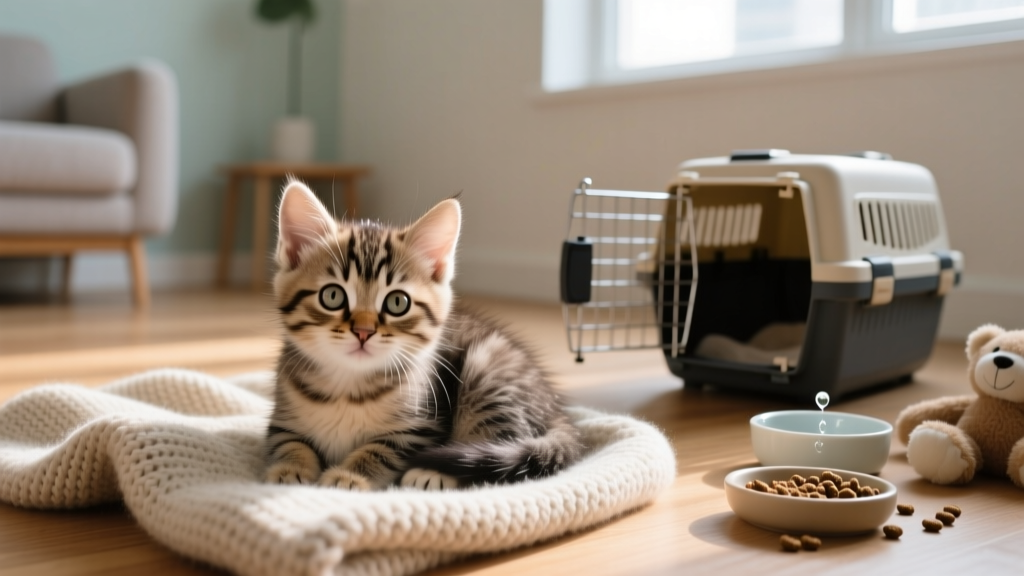
Only after strict quarantine: minimum 14 days in a separate room with dedicated supplies (litter, bowls, towels). Test for FeLV/FIV at 8 weeks (not earlier). Disinfect shared surfaces with diluted bleach (1:32) — feline viruses survive up to 7 days on dry surfaces. Dr. Sarah Lin, shelter veterinarian at Best Friends Animal Society, emphasizes: "One URI outbreak can shut down an entire foster program. Quarantine isn’t optional—it’s ethical responsibility."
What’s the #1 thing people regret doing when caring for stray kittens?
Overfeeding. Well-meaning rescuers often give too much KMR too fast, causing bloat, aspiration, or fatal diarrhea. Remember: stomach capacity is tiny—roughly the size of a cherry tomato in a 2-week-old. When in doubt, underfeed and weigh daily. A healthy kitten gains 10–15g per day. If gaining <5g or losing weight, reassess warmth, hydration, and feeding technique before increasing volume.
Common Myths Debunked
- Myth #1: “Stray kittens need to be bathed immediately to remove dirt and germs.” — Bathing newborns causes dangerous heat loss and stress-induced hypoglycemia. Instead: spot-clean with warm, damp cloth. Full baths only for older kittens (>8 weeks) and only if medically necessary (e.g., pesticide exposure).
- Myth #2: “If a kitten is friendly and approaches me, it’s safe to handle right away.” — Kittens under 4 weeks showing boldness may actually be hypothermic, dehydrated, or neurologically impaired. Always check temp and hydration status before prolonged handling.
Related Topics (Internal Link Suggestions)
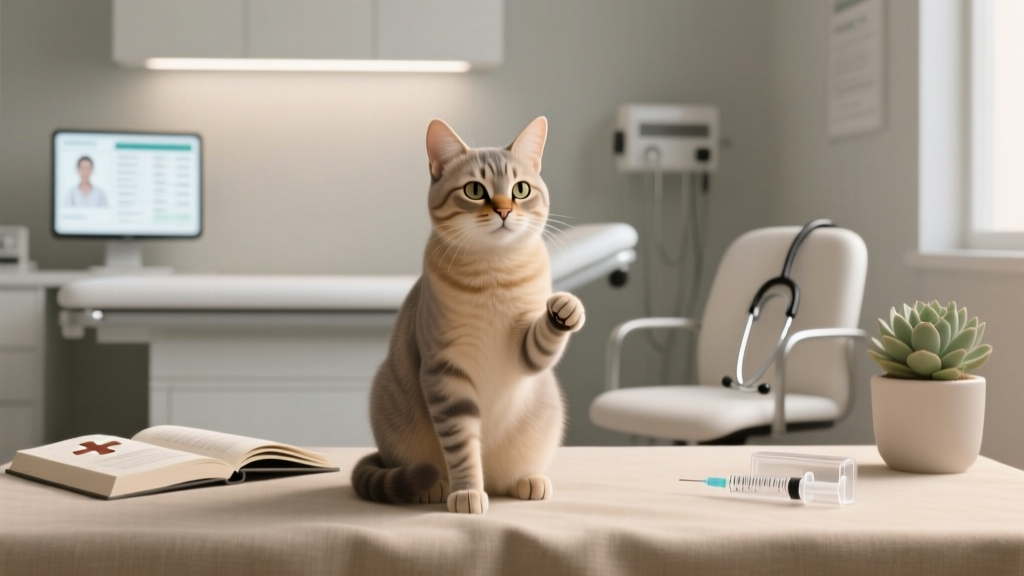
- When to take stray kitten to vet — suggested anchor text: "kitten vet emergency signs"
- How to socialize feral kittens — suggested anchor text: "feral kitten socialization timeline"
- Best kitten milk replacer brands — suggested anchor text: "KMR vs PetAg comparison"
- DIY kitten heating pad alternatives — suggested anchor text: "safe homemade warming methods"
- Stray cat TNR resources by state — suggested anchor text: "free TNR programs near me"
Your Next Step Starts Now—Not Tomorrow
You’ve just absorbed the exact protocols that turn panic into precision—protocols used by shelters with >95% neonatal survival rates. But knowledge alone doesn’t save lives. Your next action must be physical: grab a digital thermometer, a 1mL syringe, unflavored Pedialyte, and KMR *today*. Keep them in a labeled “Stray Kitten Rescue Kit” in your glovebox or entryway. Because the next time you see a tiny, trembling body in the rain, you won’t freeze—you’ll act. And that shift—from bystander to lifeline—is where real change begins. Share this guide with one person who’s ever said, “I don’t know what to do if I find a kitten.” Because compassion multiplied is resilience made visible.