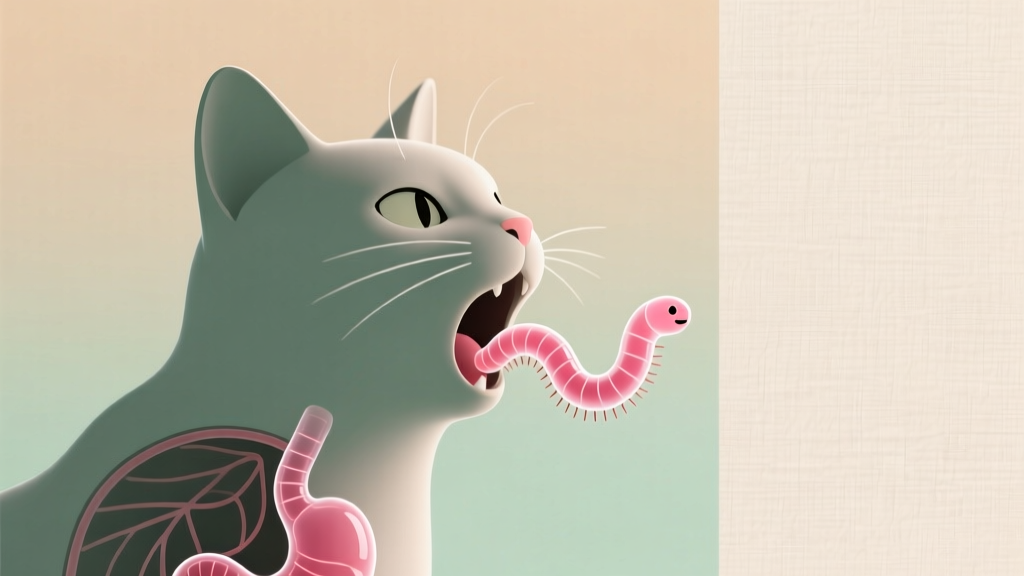
Feline Physaloptera: Stomach Worm Emesis Cause
1. Why This Topic Matters to Cat Owners
Most cat owners expect an occasional hairball, especially during shedding season. Repeated vomiting, however, deserves a closer look. One less common but very real cause is a stomach worm called Physaloptera. Cats with this parasite may vomit on and off for weeks, seem picky with food, or act “off” without obvious reasons.
Understanding Physaloptera helps you make better decisions at home—like what to watch for, when to call the vet, and how to reduce exposure—without jumping to worst-case scenarios. The good news: with proper veterinary diagnosis and treatment, most cats recover well.
2. Overview: What Is Physaloptera in Cats?
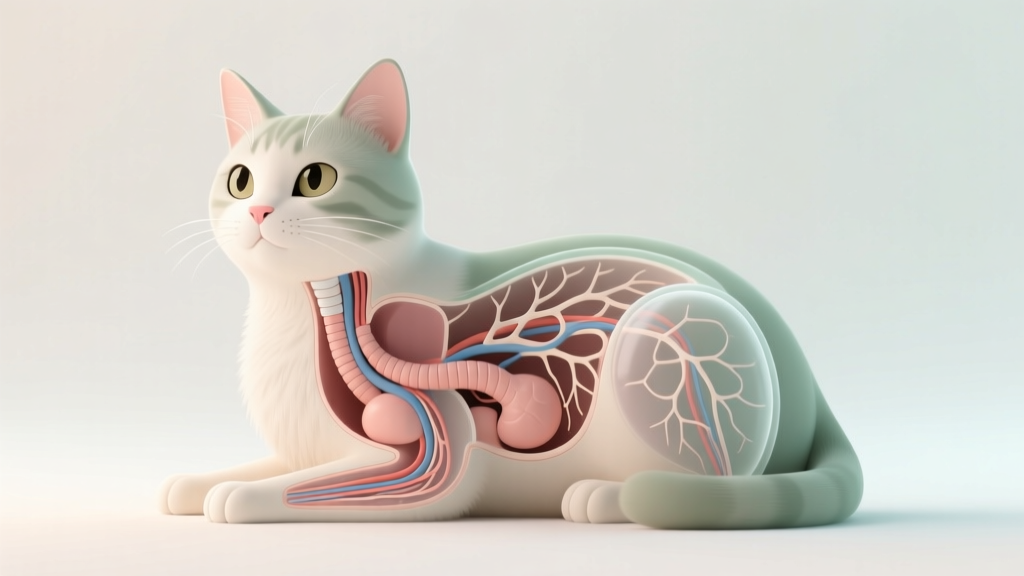
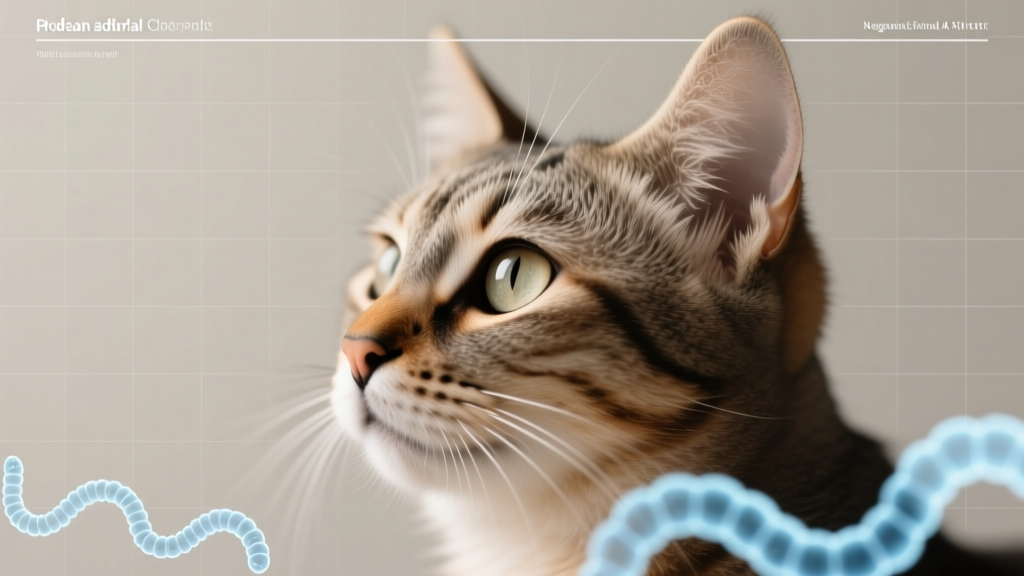
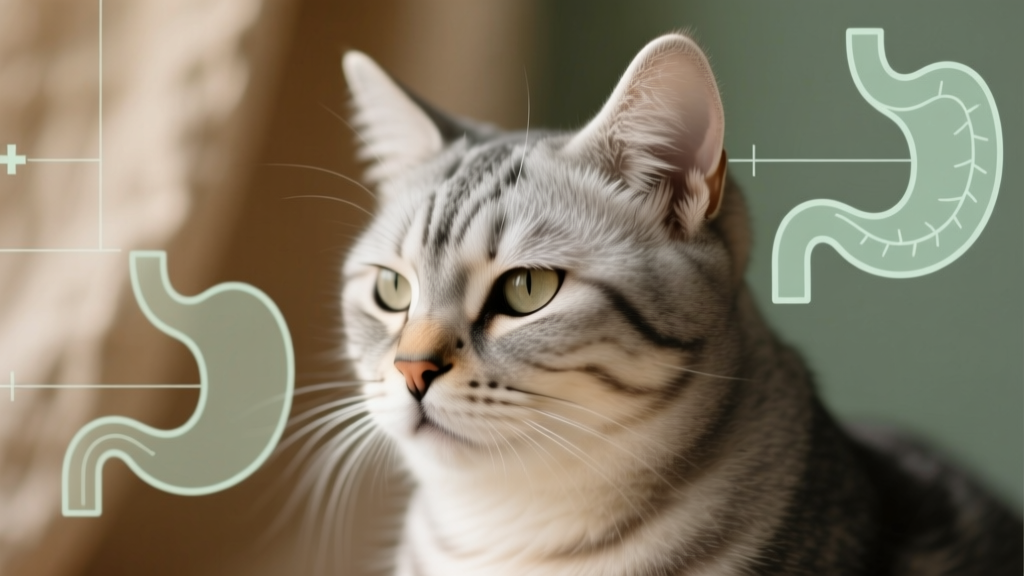
Physaloptera (often called “stomach worms”) are parasites that live in the stomach and sometimes the first part of the small intestine. Unlike many intestinal worms that live farther down in the gut, Physaloptera tend to attach to the stomach lining and can cause irritation that leads to nausea and vomiting.
How cats get it (plain-language version): Physaloptera typically require an “in-between host” to complete their life cycle. Cats become infected when they eat:
- Insects (especially beetles, cockroaches, and crickets) that carry infective larvae
- Small prey (like lizards, frogs, rodents) that ate those insects and then carried the larvae
Because this parasite is tied to hunting and insect exposure, Physaloptera is seen more often in cats that go outdoors, live in multi-pet environments with pest problems, or have access to garages, basements, and patios where insects gather.
3. Symptoms and Warning Signs to Watch For
Some cats show very mild signs, and others have persistent stomach upset. Symptoms can come and go, which can be frustrating for owners.
Common signs:
- Vomiting (intermittent or frequent; may occur after eating or at random times)
- Retching/gagging without bringing up much
- Loss of appetite or picky eating
- Weight loss over time (especially if vomiting is frequent)
- Drooling or lip-smacking (signs of nausea)
- Lethargy or lower energy than usual
Less common but possible:
- Dark, tarry stool (can indicate digested blood from stomach irritation)
- Abdominal discomfort (hunched posture, sensitivity when picked up)
Practical tip: Keep a simple vomiting log for 7–14 days: date/time, what the vomit looked like (food, foam, bile), whether your cat ate beforehand, and any changes in behavior. Bring this to your vet—it can significantly speed up diagnosis.
4. Causes and Risk Factors
Physaloptera infections don’t happen out of nowhere. They’re usually linked to specific lifestyle factors.
Primary cause:
- Ingestion of infective larvae through insects or prey animals
Risk factors that increase exposure:
- Outdoor access (even “just the backyard”)
- Hunting behavior (rodents, lizards, frogs)
- Insect presence in the home (roaches, beetles, crickets)
- Warm climates where insects are active year-round
- Stray/feral contact (shared hunting areas and parasite exposure)
- Multi-cat households (not always direct transmission, but shared environments and pests)
Can cats catch it from other cats? Direct cat-to-cat spread is not the typical route. The parasite’s life cycle generally involves insects and/or prey animals. That said, cats living in the same environment may face similar exposure risks.
5. Diagnosis: Methods and What to Expect at the Vet
Physaloptera can be tricky because routine fecal tests may miss it. A cat can be vomiting from stomach worms and still have a “normal” fecal result.
Your vet visit may include:
- History and lifestyle questions (outdoor access, hunting, pest exposure, deworming history)
- Physical exam (hydration, weight, abdominal palpation)
- Fecal testing:
- Standard fecal flotation may or may not detect Physaloptera eggs (shedding can be inconsistent).
- Your vet may recommend repeated fecals or specialized testing depending on local availability.
- Bloodwork (to check dehydration, inflammation, organ function, and to rule out other vomiting causes)
- Imaging:
- X-rays may be used to rule out obstruction or other issues.
- Ultrasound can sometimes show stomach changes, but worms aren’t always visible.
- Endoscopy (in some cases): a tiny camera goes into the stomach under anesthesia. This can allow a vet to actually see and sometimes remove worms.
What owners are often surprised by: A cat may need more than one step to reach a diagnosis. Vomiting has many causes (dietary intolerance, hairballs, inflammatory bowel disease, pancreatitis, kidney disease, hyperthyroidism, foreign bodies). Your veterinarian’s job is to narrow it down safely—especially if signs are persistent.
6. Treatment Options (Medical, Surgical, Home Care)
Treatment is very effective when the right medication and follow-up plan are used.
Medical treatment (deworming)
Your veterinarian will prescribe an appropriate dewormer. Medication choice and dosing depend on your cat’s weight, health status, and regional parasite patterns. Some cats need a repeat dose to fully clear infection.
- Give medication exactly as directed and finish the full course.
- Do not “guess” with over-the-counter products; the wrong dewormer may not treat Physaloptera and can delay proper care.
Supportive care
If vomiting has caused dehydration or stomach inflammation, your vet may recommend:
- Anti-nausea medication
- Stomach protectants (to reduce irritation)
- Fluids (subcutaneous or IV depending on severity)
- Diet changes for a short period (bland or gastrointestinal prescription diet)
Surgical or endoscopic removal
Surgery is rarely needed specifically for Physaloptera, but endoscopy may be recommended if:
- Vomiting is severe or persistent
- Diagnosis remains unclear
- Your vet suspects worms or another stomach issue that can be visualized/treated directly
Home care you can do right away
- Offer fresh water and monitor drinking (call your vet if your cat won’t drink or can’t keep water down).
- Feed small, frequent meals if your vet advises feeding; avoid sudden diet switches unless directed.
- Keep your cat indoors during treatment to reduce reinfection risk from hunting or insects.
- Check stools and vomit (without panic). Occasionally, worms may be seen in vomit—if so, place a sample in a sealed container/bag and bring it to the vet for identification.
Always consult a veterinarian before giving any medications (including “natural” remedies), since vomiting cats can worsen quickly if the underlying issue is not what it seems.
7. Prevention Strategies and Early Detection Tips
Prevention focuses on limiting exposure and keeping your cat on a vet-guided parasite control plan.
Prevention you can start today:
- Reduce hunting opportunities:
- Keep cats indoors or use supervised outdoor time (catio, harness).
- Discourage prey play with toys rather than live hunting.
- Control insects in the environment:
- Address cockroaches/beetles/crickets promptly.
- Seal entry points, reduce clutter, keep food sealed, clean crumbs nightly.
- Use pet-safe pest control methods; consult your vet before using sprays or baits where cats can access them.
- Ask your veterinarian about routine deworming based on your cat’s lifestyle (outdoor access, hunting, region).
- Schedule regular wellness exams—chronic, low-grade vomiting is easier to address early than after weight loss and dehydration occur.
Early detection tip: If your cat vomits more than once a week, has repeated “hairballs” without producing hair, or slowly loses weight, book a veterinary exam. These patterns are not just “normal cat behavior,” and they’re often treatable once properly identified.
8. Prognosis and Quality of Life Considerations
Most cats do very well once Physaloptera is treated. Vomiting often improves after deworming, though the stomach lining may take time to settle. Your vet may recommend a recheck if:
- Vomiting continues after treatment
- Your cat isn’t regaining appetite or weight
- There are signs of dehydration or ongoing discomfort
Quality of life is usually excellent when infection is addressed and reinfection risks are reduced. If vomiting persists, that doesn’t mean treatment failed—your cat may have a second issue going on (food sensitivity, inflammatory disease, parasites elsewhere, dental pain, endocrine disease). Follow-up testing is the best way to keep your cat comfortable and thriving.
9. When to Seek Emergency Veterinary Care
Vomiting can become urgent if it leads to dehydration, electrolyte problems, or signals an obstruction or toxin exposure. Contact an emergency clinic or your veterinarian right away if you see:
- Repeated vomiting (multiple episodes in a day) or vomiting that won’t stop
- Blood in vomit or vomit that looks like coffee grounds
- Black, tarry stool
- Severe lethargy, collapse, or weakness
- Refusal of food and water for 24 hours (or less in kittens/seniors)
- Signs of dehydration (dry gums, sunken eyes, hiding, very low energy)
- Painful belly, crying when picked up, or a tense abdomen
- Suspected foreign body ingestion (string, ribbon, toys) or toxin exposure
If you’re unsure, call a veterinary clinic. A quick phone triage can help you decide whether your cat needs urgent care.
10. FAQ: Common Questions About Physaloptera in Cats
Can I see Physaloptera worms in my cat’s vomit?
Sometimes. Physaloptera are stomach-dwelling worms, so they may occasionally be vomited up. If you see a worm-like structure, collect it safely in a sealed container (or a zip bag) and bring it to your vet for identification. Many things can look “wormy,” so confirmation matters.
Will a standard fecal test always detect Physaloptera?
No. Egg shedding can be intermittent, and fecal flotation may miss infections. If your cat has compatible signs and risk factors, your vet may recommend repeat fecals, different testing approaches, or endoscopy depending on the situation.
My cat is indoors—could they still get Physaloptera?
It’s less common, but possible if insects get inside (cockroaches, beetles, crickets) and your cat catches/eats them. Indoor cats with pest exposure can still be at risk.
Is Physaloptera contagious to humans or other pets?
Direct transmission from cat to human is not considered a typical risk. The parasite’s life cycle usually involves insects or prey animals. Other pets (like dogs) can get Physaloptera too, depending on species and region, so talk with your vet about appropriate parasite control for all pets in the household.
Should I deworm my cat at home if they’re vomiting?
Vomiting has many causes, and some are emergencies. Deworming without guidance can delay diagnosis of serious problems like intestinal obstruction, pancreatitis, or kidney disease. If vomiting is recurring, schedule a veterinary exam so your cat gets the right treatment plan.
How soon should my cat feel better after treatment?
Many cats improve within days, but timelines vary depending on stomach inflammation, dehydration, and whether there’s another condition present. If vomiting continues after treatment, contact your veterinarian for a recheck rather than waiting it out.
If your cat is vomiting repeatedly, losing weight, or acting unlike themselves, a veterinary exam is the safest next step. With the right diagnosis and treatment, most cats bounce back quickly and feel much more comfortable.
For more caring, practical cat health guidance, visit catloversbase.com and explore our growing library of feline wellness resources.