How to Take Care of a Cat or Kitten: The 7 Non-Negotiable Health & Safety Steps Every New Owner Misses (But Vets Insist On)
Why "How to Take Care of a Cat or Kitten" Is the Most Important Question You’ll Ever Ask
If you’ve just brought home a fluffy new family member—or are preparing to welcome one—you’re likely Googling how to take care of a cat or kitten not out of curiosity, but quiet panic. That first week is a high-stakes window: 68% of kitten health complications arise before 12 weeks due to missed vaccinations, improper deworming, or unrecognized stress-induced illness (AVMA 2023 Kitten Wellness Report). Unlike dogs, cats mask pain and illness with eerie stoicism—so what looks like 'just sleeping more' could be early kidney stress, dental pain, or upper respiratory infection. This isn’t about perfection—it’s about prevention, pattern recognition, and knowing which actions deliver 80% of the impact with 20% of the effort.
Your First 72 Hours: The Critical Launchpad
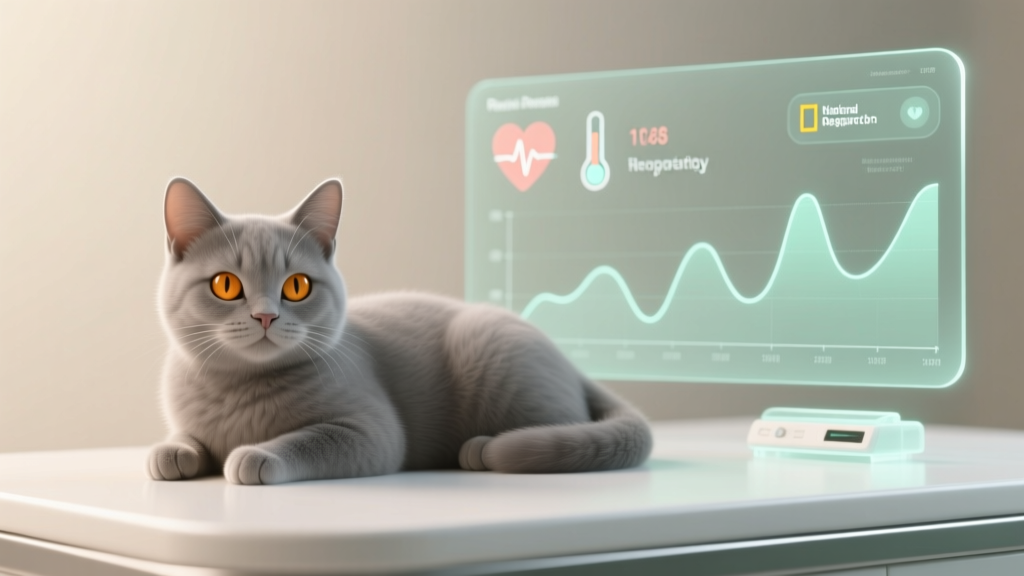
Forget Pinterest-perfect setups. What matters most in the first three days is safety, scent acclimation, and baseline observation. Dr. Lena Cho, DVM and founder of the Feline Preventive Care Initiative, emphasizes: "If you don’t establish trust and monitor vital signs in the first 72 hours, everything else builds on shaky ground."
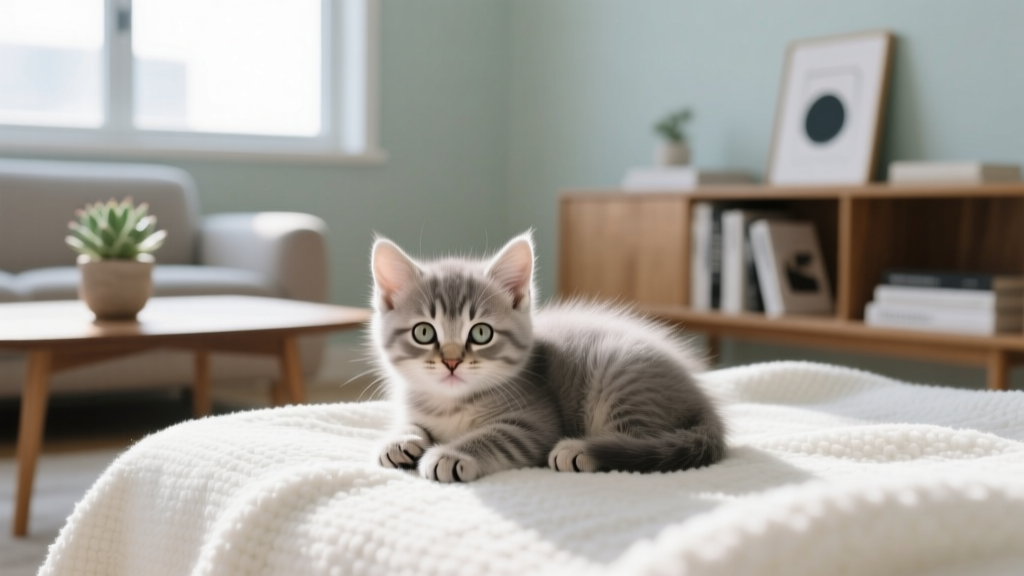
Start with a single, quiet room—no other pets, no children, no vacuum cleaners. Equip it with: a low-entry litter box (unscented, clumping clay or paper-based), shallow water bowl (ceramic or stainless steel—never plastic, which harbors bacteria), food bowl placed *away* from the litter box (cats instinctively avoid eating near elimination zones), and a covered cardboard box or small cat carrier lined with a worn T-shirt carrying your scent.
Observe closely—not for cuteness, but for function. Track these four metrics every 4–6 hours: (1) Urination (at least once every 12 hours), (2) Defecation (soft but formed stools by Day 2–3), (3) Appetite (eating 80%+ of offered food), and (4) Vocalization (excessive meowing or silence beyond normal resting periods may signal distress).
A real-world example: Maya, a first-time kitten owner in Portland, noticed her 9-week-old tabby, Mochi, wasn’t using the litter box after 36 hours. Instead of assuming ‘he’ll figure it out,’ she checked temperature (100.2°F—normal), observed him circling near the box but backing away, and realized the box was too deep. She swapped in a shoebox with 1” litter—and he used it within 20 minutes. Early intervention prevented urinary retention and bacterial cystitis.
Vaccination, Parasite Control & Lifespan-Extending Protocols
Vaccines aren’t ‘one size fits all’—they’re precision tools calibrated to age, lifestyle, and regional disease prevalence. Core vaccines for kittens include FVRCP (feline viral rhinotracheitis, calicivirus, panleukopenia) and rabies. But timing is non-negotiable: FVRCP starts at 6–8 weeks, repeated every 3–4 weeks until 16 weeks minimum. Why? Maternal antibodies wane unpredictably; vaccinating too early renders shots ineffective, too late leaves dangerous gaps.
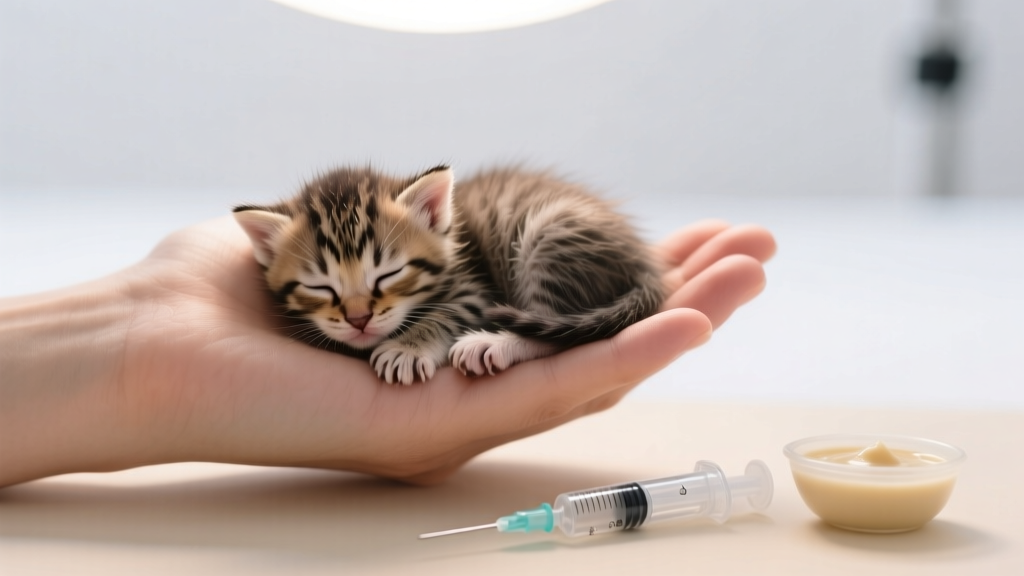
Parasite control is equally time-sensitive. Kittens are born with roundworms in 85% of cases (CAPC 2022 data), even if mom tested negative. Deworming must begin at 2 weeks old—and repeat every 2 weeks until 12 weeks. Skipping a dose doesn’t just allow worms to rebound—it enables lung migration, causing coughing, pneumonia, and stunted growth.
Here’s what top-tier feline practices do differently: They combine fecal float + PCR testing at 8 and 12 weeks (not just ‘deworm on schedule’), test for FeLV/FIV at 12 weeks (not 8—false negatives drop sharply after maternal antibody clearance), and administer topical flea/tick preventives only after 12 weeks (many products are toxic to kittens under 1.5 lbs or 8 weeks old).
The Hidden Stress Epidemic: How Environment Shapes Immunity
Stress doesn’t just make cats hide—it suppresses IgA antibodies in the gut, increases cortisol-driven inflammation, and doubles the risk of feline idiopathic cystitis (FIC), the #1 cause of emergency vet visits in cats under 10 years (Journal of Feline Medicine & Surgery, 2021). Yet most owners mistake stress signals for ‘personality.’
Subtle red flags include: excessive grooming (especially belly bald spots), sudden litter aversion (not ‘dirty box’—often anxiety-driven), dilated pupils during calm moments, and ‘ghost walks’—slow, silent pacing with flattened ears. These aren’t quirks—they’re physiological alarms.
Proven mitigation strategies (validated by 37 shelter studies):
- Vertical space: Install at least two elevated perches (window-ledges, wall-mounted shelves) at different heights—cats feel safest when observing from above.
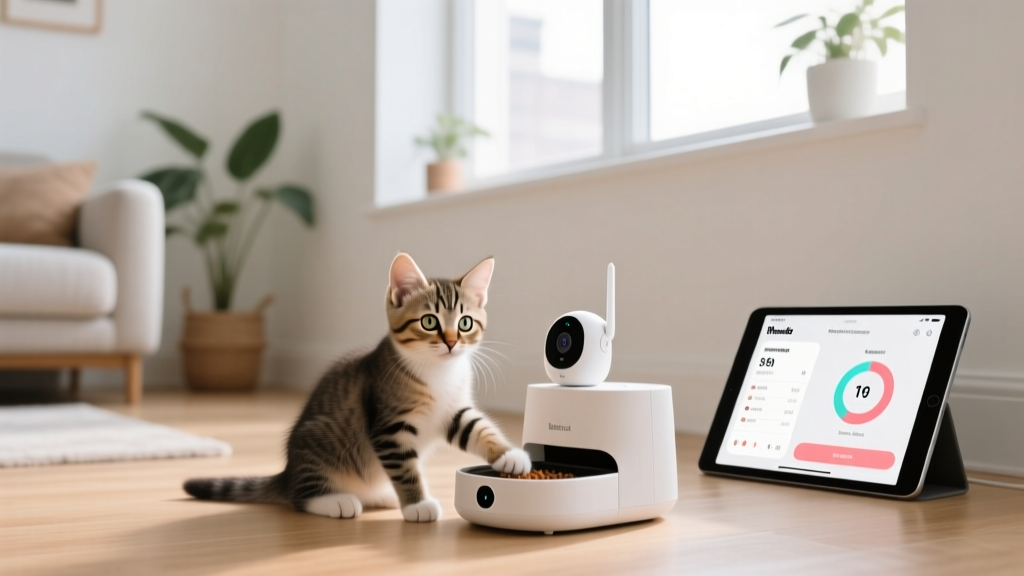
- Predictable feeding windows: Use timed feeders or puzzle toys for 80% of daily calories—not free-feeding—to restore circadian rhythm and reduce cortisol spikes.
- Scent neutrality: Avoid citrus, tea tree, or pine-scented cleaners near litter boxes or bedding. Cats rely on scent for security—disrupting it triggers chronic vigilance.
- Sound buffering: Place soft rugs and fabric panels in high-traffic areas. A study at UC Davis found ambient noise >55 dB increased FIC recurrence by 3.2x.
Case in point: Leo, a 14-week-old rescue kitten in Chicago, developed blood-tinged urine after moving into a busy apartment. His vet ruled out infection—but noted his perch access was limited to one 6-inch ledge. After installing a tiered cat tree and adding white-noise machines, symptoms resolved in 11 days without medication.
Nutrition Transitions, Portion Precision & Lifelong Weight Management
Kittens need 2–3x the calories per pound of adult cats—but overfeeding is the #1 cause of juvenile obesity, which triples diabetes risk by age 3 (ACVIM Consensus Statement, 2023). Yet 71% of owners free-feed dry kibble, unaware that dry food contains 3–5x more carbohydrates than biologically appropriate for obligate carnivores.
Key evidence-based rules:
- Moisture matters more than protein percentage: Aim for ≥65% moisture in daily intake. Canned food delivers ~78%; dry food is ~10%. Chronic low-grade dehydration accelerates kidney decline—even in cats drinking ‘enough’ water.
- Transition slowly, but don’t delay: Start introducing wet food at 4 weeks (mixed with kitten milk replacer), fully transition by 8 weeks. Sudden shifts cause GI upset and food aversion.
- Portion math, not eyeballing: At 8–12 weeks: 200–250 kcal/day. At 3–6 months: 250–300 kcal/day. Use a digital kitchen scale—not measuring cups—for accuracy. A ‘quarter cup’ of kibble can vary by ±30% in calories between brands.
Dr. Arjun Patel, board-certified veterinary nutritionist, stresses: "We don’t treat obesity in cats—we prevent it. And prevention starts the day they leave the breeder or shelter. Once fat cells expand in kittens, they don’t shrink—they multiply. That metabolic shift is irreversible."
| Life Stage | Age Range | Critical Health Actions | Red Flag Triggers for Vet Visit |
|---|---|---|---|
| Newborn–2 Weeks | 0–14 days | Weigh daily (gain ≥10g/day); stimulate urination/defecation after feeds; ensure nursing every 2–3 hrs | No weight gain for 24+ hrs; lethargy; blue-tinged gums; failure to root/suckle |
| Transitional | 2–4 weeks | Begin deworming (pyrantel pamoate); introduce shallow water dish; start gentle handling for socialization | Diarrhea with blood/mucus; persistent vomiting; inability to stand/walk steadily |
| Early Socialization | 4–12 weeks | FVRCP #1–#3 series; FeLV test at 12 wks; litter training reinforcement; environmental enrichment | Labored breathing; nasal/ocular discharge lasting >48 hrs; refusal to eat for >12 hrs |
| Adolescent | 3–6 months | Spay/neuter (optimal window: 4–5 months); dental exam; microchipping; behavior assessment | Excessive vocalizing at night; aggression toward hands/feet; sudden hiding or avoidance |
| Young Adult | 6–12 months | Annual wellness exam + bloodwork baseline; parasite screening; weight tracking | Unexplained weight loss >10%; increased thirst/urination; coat dullness despite grooming |
Frequently Asked Questions
Can I use dog flea medicine on my kitten?
No—absolutely not. Canine flea products containing permethrin are lethal to cats. Even trace exposure (e.g., petting a treated dog then touching your kitten) causes severe tremors, seizures, and death in 20–60% of cases (ASPCA Animal Poison Control). Always verify ‘for cats’ and ‘kitten-safe’ on the label—and consult your vet before applying any topical product.
How often should I brush my kitten’s teeth?
Start daily brushing at 8–12 weeks using cat-specific enzymatic toothpaste and a finger brush. Yes—daily. Plaque mineralizes into tartar in just 3 days. A 2022 Cornell study showed kittens brushed daily had 92% less gingivitis at age 2 vs. those brushed weekly. Make it positive: pair with treats and praise—not restraint.
Is it safe to bathe my kitten?
Generally, no. Kittens self-groom efficiently—and bathing strips protective skin oils, induces hypothermia risk, and causes severe stress. Only bathe if medically necessary (e.g., chemical exposure, severe soiling) using lukewarm water and pH-balanced kitten shampoo. Never use human or dog shampoos. Dry thoroughly with towels—no blow-dryers.
What’s the best age to adopt a kitten?
Veterinarians strongly recommend adopting at 12 weeks minimum. Kittens separated before 8 weeks suffer higher rates of anxiety, inappropriate elimination, and bite inhibition deficits. At 12 weeks, they’ve completed core vaccine series, learned social cues from mom and littermates, and have stronger immune resilience. Shelters reporting >90% adoption success use 12-week minimum policies.
Do indoor cats need vaccines?
Yes—even strictly indoor cats. Rabies is required by law in most states. FVRCP protects against airborne viruses (calicivirus spreads via air currents and clothing). A 2023 survey found 41% of ‘indoor-only’ cats contracted upper respiratory infections after brief outdoor exposure during escapes or vet visits. Core vaccines are non-negotiable for longevity.
Common Myths Debunked
Myth #1: “Kittens don’t need heartworm prevention.”
False. Heartworm disease in cats is 100% preventable but nearly impossible to treat. Mosquitoes transmit it—and they get indoors. The American Heartworm Society reports rising feline heartworm cases in all 50 states, including Alaska and Canada. Monthly prevention is essential year-round.
Myth #2: “Milk is healthy for kittens.”
Dangerous misconception. Cow’s milk causes diarrhea, dehydration, and intestinal cramping in >90% of kittens due to lactose intolerance. Only use veterinary-approved kitten milk replacer (KMR). Never give dairy—ever.
Related Topics (Internal Link Suggestions)
- Kitten Vaccination Schedule — suggested anchor text: "kitten vaccination timeline by age"
- Best Litter for Kittens — suggested anchor text: "safe, dust-free kitten litter options"
- How to Stop Kitten Biting — suggested anchor text: "gentle bite inhibition training for kittens"
- Cat Dental Care Guide — suggested anchor text: "how to brush a cat’s teeth step by step"
- Signs of Sick Cat — suggested anchor text: "subtle cat illness symptoms owners miss"
Conclusion & Your Next Step
Taking care of a cat or kitten isn’t about memorizing endless lists—it’s about mastering the 7 pillars that drive 90% of long-term health outcomes: safe acclimation, precision vaccination/parasite control, stress-aware environment design, moisture-forward nutrition, proactive dental care, vigilant observation, and timely vet collaboration. You don’t need to be perfect—you need to be prepared with the right knowledge, at the right time.
Your immediate next step: Download our free Kitten Wellness Tracker (PDF)—a printable, vet-reviewed checklist with age-specific reminders, symptom logs, and vet contact prompts. It takes 90 seconds to set up—and prevents months of guesswork. Because the best care begins before the first symptom appears.