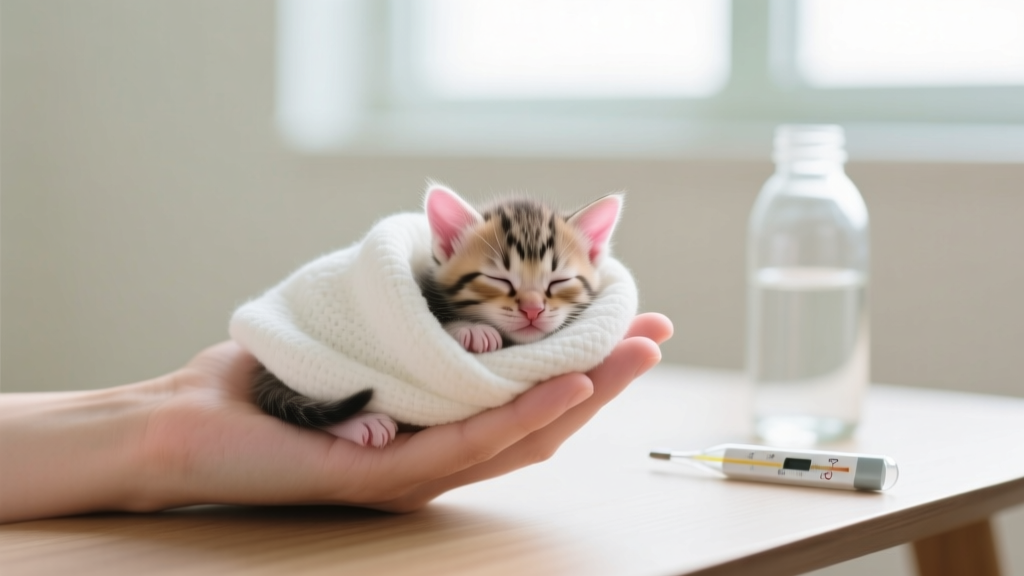
How to Take Care of a Kitten 3 Days Old: The First 72 Hours Are Critical — Here’s Exactly What You Must Do (and What Could Kill Them in Hours)
Why This Isn’t Just ‘Cute’ — It’s a Medical Emergency
If you’re searching how to take care of a kitten 3 days old, chances are you’ve just discovered a fragile, unresponsive newborn — possibly abandoned, chilled, or separated from its mother. At this age, kittens are biologically helpless: they can’t regulate body temperature, can’t eliminate waste without stimulation, can’t see or hear, and have zero immune defense. Their survival hinges entirely on precise, hourly intervention. A single missed feeding or 20-minute drop in ambient temperature can trigger hypothermia, hypoglycemia, or sepsis — and death can occur within hours. This isn’t pet care — it’s neonatal intensive care.
1. Temperature Control: Your #1 Priority (Before Food)
Neonatal kittens cannot shiver or generate heat. Their normal rectal temperature is 95–99°F (35–37.2°C) — significantly lower than adult cats (100.5–102.5°F). Hypothermia sets in below 94°F and impairs digestion, immunity, and heart function. Dr. Susan Little, DVM and feline specialist with the American Association of Feline Practitioners, emphasizes: “You must stabilize temperature before attempting to feed. Cold kittens cannot digest formula — and feeding them risks aspiration pneumonia or gut stasis.”
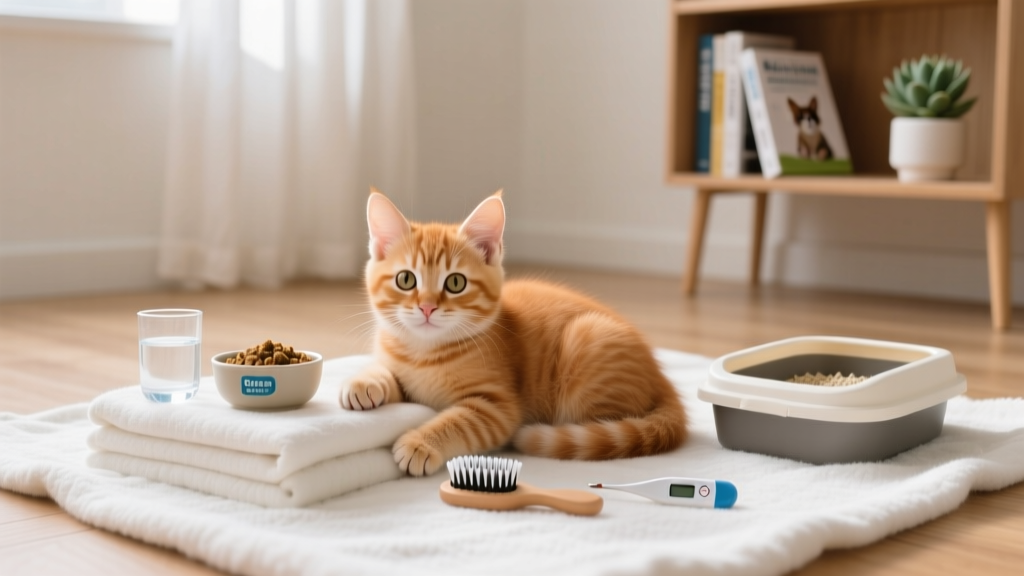
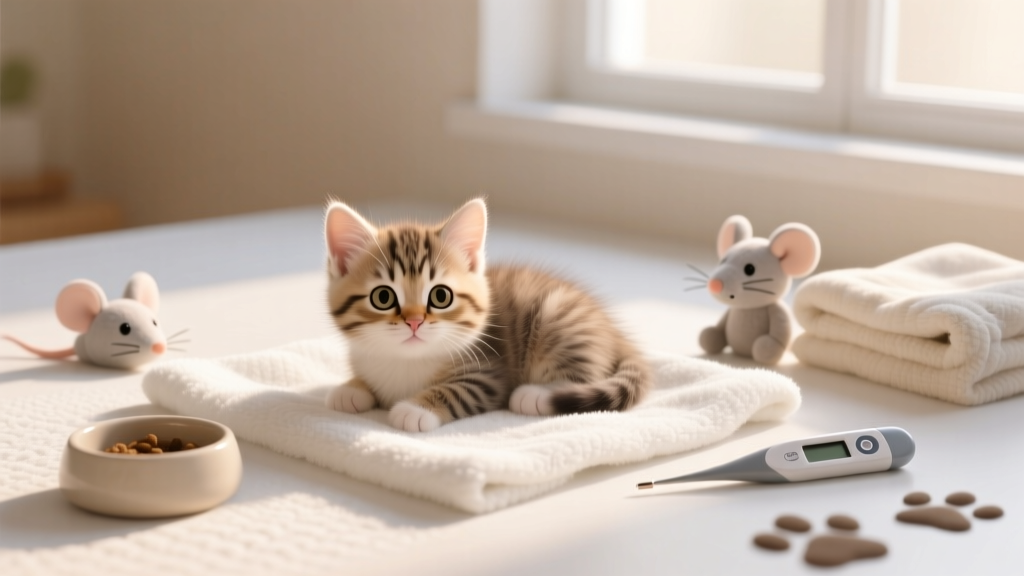
Use a digital rectal thermometer (lubricated with water-based lube) every 2 hours for the first 24 hours. Never use glass thermometers or ear thermometers — they’re inaccurate for neonates.
- Safe warming method: Place the kitten on a heating pad set to LOW, wrapped in two layers of towels (never direct skin contact), inside a small cardboard box lined with soft fleece. Add a warm (not hot) rice sock wrapped in cloth as supplemental radiant heat.
- Avoid: Heat lamps (burn risk), microwaved heating pads (uneven hot spots), or human body heat alone (inadequate and inconsistent).
- Target range: Maintain ambient nest temperature at 85–90°F (29–32°C) for days 0–7; reduce to 80°F by day 14.
Monitor closely: Lethargy, weak cry, cool extremities, or slow breathing signal danger. If rectal temp drops below 94°F, seek emergency veterinary care immediately — warming must be gradual (0.5°F per 10 minutes) to avoid shock.
2. Feeding Protocol: Formula, Frequency & Technique That Mimics Mom
At 3 days old, kittens need 8–12 feedings per 24 hours — that’s one feeding every 2–3 hours, including overnight. Skipping even one feeding risks fatal hypoglycemia. Cow’s milk, human baby formula, or homemade mixes are dangerous: they cause severe diarrhea, dehydration, and metabolic imbalances. Only use a commercial kitten milk replacer (KMR) or similar veterinary-grade formula like PetAg KMR or Breeder’s Edge Foster Care.
Bottle-feeding technique matters critically: Use a 1–3 mL syringe (without needle) or specialized kitten nursing bottle with a #5 or #6 nipple. Never force-feed or hold the kitten on its back — this increases aspiration risk. Instead, cradle it belly-down on a towel, head slightly elevated (like nursing), and let it suckle at its own pace. Gently stroke its jaw if it hesitates — mimicking maternal licking.
| Age | Formula Volume per Feeding | Feeding Frequency | Key Observations |
|---|---|---|---|
| 0–3 days | 1–2 mL per feeding | Every 2–3 hours (8–12x/day) | Kitten should gain ~5–10g/day; stool soft, yellow-mustard color; cries softly when hungry |
| 4–7 days | 2–4 mL per feeding | Every 3 hours (8x/day) | Eyes remain sealed; begins subtle rooting reflex; weight gain accelerates |
| 8–14 days | 4–6 mL per feeding | Every 4 hours (6x/day) | Eyes begin opening (usually day 7–10); starts lifting head; stools darken slightly |
| 15–21 days | 6–8 mL per feeding | Every 4–5 hours (5x/day) | Ears unfold; begins crawling; may vocalize more persistently |
Always weigh kittens daily on a gram-scale (kitchen scale works). A 3-day-old kitten typically weighs 80–120g. Failure to gain weight — or weight loss — signals infection, inadequate intake, or congenital issues. Document every feeding: time, volume, and behavior. According to the UC Davis School of Veterinary Medicine’s Neonatal Kitten Care Guidelines, consistent weight gain is the strongest predictor of survival.
3. Stimulation & Elimination: Why You Must Be Their Bladder and Bowels
For the first 2–3 weeks, kittens lack voluntary control over urination and defecation. Without stimulation, waste backs up — causing toxic buildup, abdominal pain, constipation, and urinary retention. This is non-negotiable: you must stimulate them after *every* feeding — and sometimes between feedings if they haven’t eliminated in >3 hours.
Use a warm, damp cotton ball or soft tissue. Gently stroke the genital and anal area in downward motions — mimicking the mother’s tongue — for 30–60 seconds until urine or stool appears. Urine should be pale yellow and clear; stool should be soft, mustard-yellow, and semi-formed. If stool is green, black, bloody, or absent for >24 hours, consult a vet — this indicates infection, intestinal blockage, or formula intolerance.
Keep meticulous records: time of stimulation, output type, color, consistency, and volume (note if urine is scant or dribbled vs. steady stream). Dehydration shows as dark yellow or orange urine, dry gums, or skin tenting (gently pinch scruff — it should snap back instantly). If no urine appears after 3 stimulations, seek immediate care: urinary obstruction is fatal within hours.
4. Red Flags & When to Call the Vet — Not Wait Until Morning
Neonatal kittens deteriorate rapidly. Waiting “to see if it gets better” is often fatal. These signs require same-day or emergency veterinary evaluation:
- Cool to touch + lethargy + weak or absent suck reflex — indicates advanced hypothermia/hypoglycemia
- Green, frothy, or projectile diarrhea — suggests bacterial overgrowth (e.g., E. coli) or sepsis
- No stool for >24 hours + bloated abdomen — possible meconium ileus or obstruction
- Blue-tinged gums or lips (cyanosis) — oxygen deprivation; requires oxygen therapy
- High-pitched, continuous crying or silence — both indicate severe distress or neurological compromise
Dr. Jennifer Coates, veterinary advisor for petMD, stresses: “In neonates, ‘just a little off’ is code for ‘critically ill.’ Don’t normalize weakness — treat every deviation as urgent.” Keep your vet’s number and nearest 24-hour emergency clinic saved in your phone. Have a carrier ready — and transport the kitten in a warmed carrier with a heat source (e.g., microwavable rice sock).
Frequently Asked Questions
Can I use goat’s milk or soy milk for a 3-day-old kitten?
No — absolutely not. Goat’s milk lacks sufficient protein and calories and contains lactose levels kittens cannot digest. Soy milk contains phytoestrogens and anti-nutrients that disrupt development and cause severe GI upset. Only use approved kitten milk replacers. In a true emergency with no access to KMR, a temporary emergency formula (1 cup whole cow’s milk + 1 egg yolk + 1 tsp corn syrup + 1 drop liquid pediatric vitamins) may be used *once*, but must be replaced with proper formula within 12 hours. This is not nutritionally adequate and carries high risk.
How do I know if my kitten is getting enough to eat?
Track weight daily on a gram scale — healthy neonates gain 5–10g per day. Also observe: full, rounded belly (not taut or sunken); contented, sleepy demeanor post-feeding; regular elimination (urine every 2–3 hours, stool 1–3x/day); and strong, rhythmic suckling. If the kitten falls asleep mid-feed, struggles to latch, or nurses for >20 minutes without swallowing, volume or nipple flow may be incorrect — consult a vet or experienced rescuer.
What if the kitten won’t suckle at all?
This is an emergency. First, confirm temperature (must be ≥95°F). If warm and still refusing, try gentle jaw massage or rubbing the roof of the mouth with a clean fingertip to trigger reflex. If no response within 5 minutes, tube feeding may be necessary — but this requires veterinary training. Do NOT attempt without guidance: improper placement can cause aspiration or esophageal damage. Contact a vet or kitten rescue immediately — many offer telehealth triage for neonates.
Do I need to give supplements or probiotics?
No. Healthy neonates get all required nutrients from properly mixed KMR. Probiotics are unnecessary and unproven in this age group; some strains may even disrupt developing gut flora. Vitamin D or iron supplements are dangerous and can cause toxicity. The only exception: if prescribed by a vet for confirmed deficiency or antibiotic-induced dysbiosis — never self-administer.
How long until the kitten opens its eyes?
Most kittens begin opening their eyes between days 7–10. Eyes may open unevenly and remain partially closed for several days. Never force them open — the delicate membranes are highly susceptible to infection and injury. If eyes appear swollen, crusty, or oozing pus by day 10, seek vet care immediately: neonatal conjunctivitis requires topical antibiotics.
Common Myths
Myth 1: “If the mom abandoned them, she knew they weren’t viable — so don’t bother.”
False. Queen abandonment often stems from stress, illness, malnutrition, or perceived threat — not genetic judgment. Many orphaned kittens thrive with skilled human care. Survival rates exceed 85% when interventions begin within hours of birth and follow evidence-based protocols.
Myth 2: “Just keep them warm and fed — everything else will work itself out.”
Dangerously false. Neonatal kittens require active monitoring of elimination, hydration status, weight trends, and neurologic development. Without structured stimulation, recordkeeping, and early vet assessment, silent complications (e.g., patent ductus arteriosus, fading kitten syndrome) progress undetected until irreversible.
Related Topics (Internal Link Suggestions)
- Signs of fading kitten syndrome — suggested anchor text: "fading kitten syndrome symptoms and treatment"
- How to tube feed a newborn kitten safely — suggested anchor text: "kitten tube feeding tutorial with vet supervision"
- When do kittens start walking and playing? — suggested anchor text: "kitten developmental milestones timeline"
- Best kitten milk replacer brands compared — suggested anchor text: "KMR vs. Breeder's Edge vs. Esbilac for newborns"
- How to socialize a kitten from day one — suggested anchor text: "neonatal kitten handling and bonding techniques"
Your Next Step Is Time-Sensitive — Act Now
You now hold life-support knowledge most veterinarians reserve for licensed technicians. But knowledge alone isn’t enough — action is. Grab your gram scale, warm your heating pad, mix your first batch of KMR (follow package instructions *exactly* — no dilution), and weigh your kitten right now. Then call your local cat rescue or 24-hour vet: many offer free neonatal triage, foster support, or emergency formula loans. Remember: every hour counts. A 3-day-old kitten doesn’t need perfection — it needs consistency, warmth, nourishment, and your calm, attentive presence. You’ve already taken the hardest step: seeking help. Now go stabilize that tiny heartbeat — one feeding, one stimulation, one degree at a time.