Cat Mansonella: Serous Cavity Filarial Worm
1. Introduction: Why this topic matters to cat owners
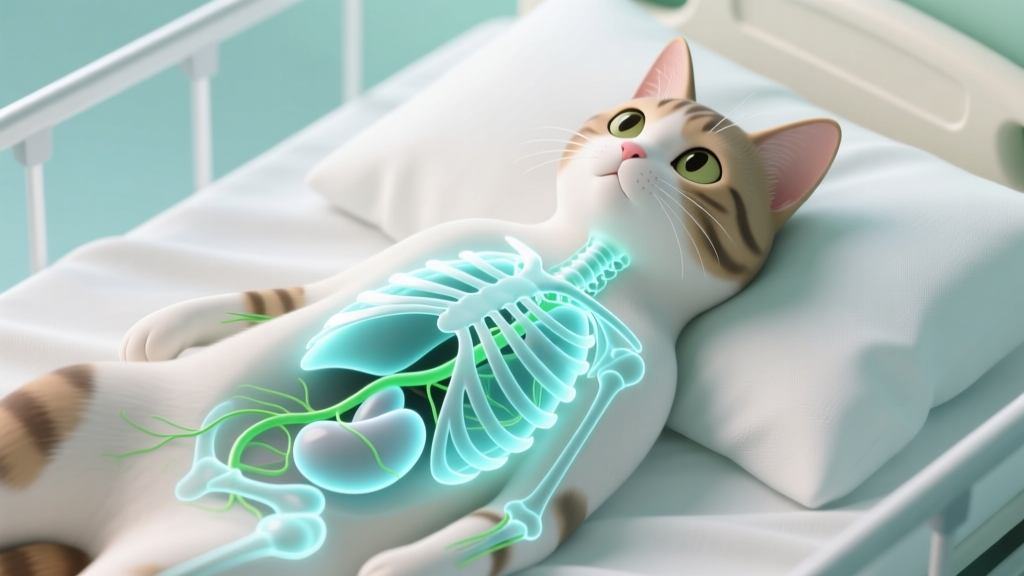
Most cat owners think of parasites as fleas, ticks, or intestinal worms. Filarial worms are a different category—thin, thread-like worms that can live in body tissues and sometimes in spaces around organs. One group, sometimes discussed under the name Mansonella (a type of filarial worm), has been associated in some regions with worms found in a cat’s serous cavities—the fluid-filled spaces around the lungs (pleural cavity), heart (pericardial sac), and abdominal organs (peritoneal cavity).
This topic matters because infections affecting these cavities can cause subtle signs at first, then progress to breathing trouble, belly swelling, or discomfort. The good news: with timely veterinary care, many cats can be stabilized and managed effectively. Understanding warning signs and reducing exposure risk gives you the best chance to protect your cat.
2. Overview: What “serous cavity filarial worms” are (plain-language explanation)
Serous cavities are smooth, slippery spaces lined by membranes that produce a small amount of lubricating fluid. They allow organs to move normally—like the lungs expanding and contracting. When disease causes excess fluid to build up in these spaces, cats can become uncomfortable or have trouble breathing.
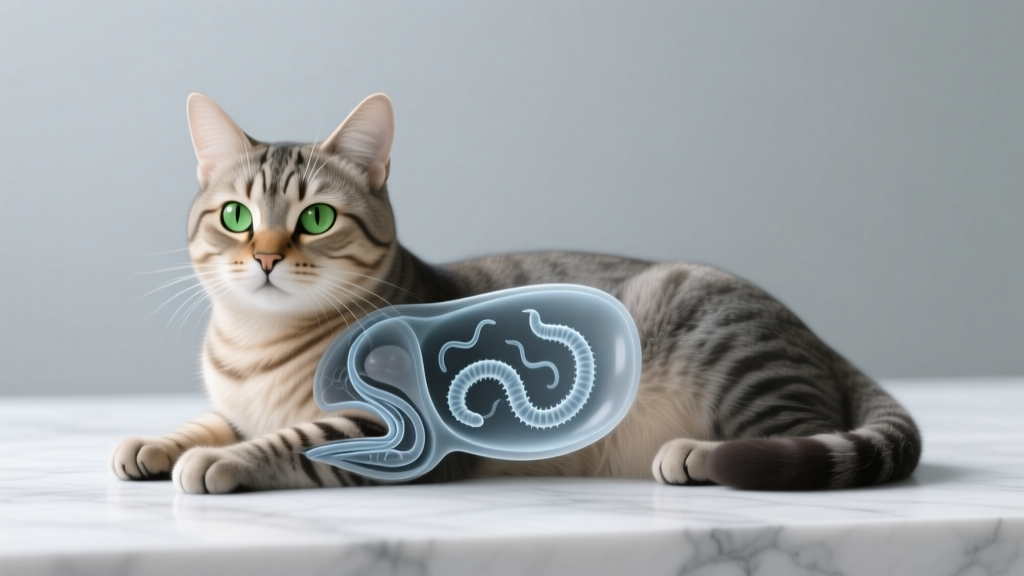
Filarial worms are parasites transmitted by biting insects (most commonly mosquitoes; some filarial species can involve other insects). Adult worms can live in tissues or body spaces, and their microscopic offspring (microfilariae) may circulate in the bloodstream or be present in fluid.
When people say “Cat Mansonella” in a health context, they are typically referring to a filarial infection where worms or microfilariae may be found in body cavity fluid. Depending on the specific parasite and the cat’s immune response, a cat may have:
- No obvious signs (incidental finding on testing)
- Mild illness (low energy, decreased appetite)
- Fluid accumulation in the chest or abdomen
- Inflammation of the lining around organs, causing pain or breathing changes
Because “Mansonella” is used inconsistently in casual discussion, veterinarians typically focus on what’s happening in the cat (fluid in a cavity, worms seen on cytology, microfilariae in blood) and then identify the most likely filarial species using lab methods when possible.
3. Symptoms and warning signs to watch for
Signs can vary widely. Some cats look normal until fluid accumulation becomes significant. Contact your veterinarian if you notice any of the following:
Possible signs of chest (pleural) involvement
- Faster breathing rate at rest
- Shallow breathing or increased effort (belly pushing with breaths)
- Open-mouth breathing (this is urgent)
- Reluctance to move, hiding, or sudden fatigue
- Coughing is less common in cats than dogs, but may occur
Possible signs of abdominal (peritoneal) involvement
- Pot-bellied appearance or abdominal swelling
- Decreased appetite, nausea, or vomiting
- Weight loss despite a larger-looking belly
- Abdominal discomfort (tense belly, sensitivity when picked up)
General, non-specific signs
- Lethargy, sleeping more than usual
- Pale gums (can suggest anemia or poor circulation)
- Fever (sometimes)
- Dull coat or reduced grooming
At-home quick check you can do today: When your cat is relaxed and sleeping, count breaths for 30 seconds and multiply by 2. A typical resting respiratory rate is often under 30 breaths per minute. If your cat is consistently above this, or breathing looks effortful, schedule a vet visit promptly.
4. Causes and risk factors
Filarial infections are typically vector-borne, meaning they spread through insect bites. A biting insect feeds on an infected animal, picks up microfilariae, and later transmits infective larvae to the next host.
Common risk factors
- Outdoor access, especially at dawn/dusk when mosquitoes are active
- Living in or traveling to endemic regions where filarial parasites are more common
- Warm, humid climates and seasons with heavy insect activity
- Multi-pet environments where vector exposure is higher (outdoor colonies, frequent foster intake)
- No regular parasite prevention (particularly products that cover heartworm/filarial-related risks)
It’s also worth knowing that several different parasites and medical conditions can cause fluid buildup in the chest or abdomen. Even if filarial worms are on your radar, your veterinarian will likely evaluate for other causes such as heart disease, liver disease, cancer, infection, or trauma.
5. Diagnosis: Methods and what to expect at the vet
Diagnosis usually focuses on two questions: (1) Why is there fluid/inflammation? and (2) Are parasites involved?
Your vet visit may include
- History and physical exam (breathing pattern, heart/lung sounds, abdominal palpation, gum color)
- Chest and/or abdominal X-rays to look for fluid, organ enlargement, or masses
- Ultrasound to confirm fluid, guide sampling, and check organs more closely
- Fluid sampling:
- Thoracocentesis (removing fluid from the chest) or abdominocentesis (from the abdomen)
- Fluid is examined under a microscope (cytology) for inflammation, infection, cancer cells, and sometimes microfilariae or worm fragments
- Bloodwork (CBC/chemistry) to assess anemia, inflammation, organ function
- Microfilariae testing:
- Microscopic evaluation of blood (sometimes using concentration techniques)
- Depending on region and lab access, PCR testing may help identify the specific filarial species
- Heartworm testing may be recommended because some filarial infections overlap in symptoms and risk factors
What to expect emotionally and practically: If your cat is having trouble breathing, the veterinary team may prioritize oxygen support and gentle handling. Diagnostics can be staged—stabilize first, test second. That’s normal and often the safest approach.
6. Treatment options (medical, surgical, home care)
Treatment depends on the cat’s stability, the amount of fluid present, and whether parasites are confirmed or strongly suspected. Your veterinarian will tailor therapy to your cat’s needs and local parasite patterns.
Stabilization and supportive care
- Oxygen therapy for cats with respiratory distress
- Drainage of fluid from the chest/abdomen to relieve pressure and improve breathing/comfort
- Pain control if inflammation is causing discomfort
- Appetite support and anti-nausea medication if needed
Antiparasitic treatment
Filarial worms require careful selection of medications. Some drugs target adult worms, some target microfilariae, and some are used preventively. Because rapid parasite die-off can potentially cause inflammation or reactions in certain infections, treatment should be veterinarian-directed.
- Your vet may recommend a macrocyclic lactone class medication (commonly used for heartworm prevention) as part of a control plan.
- Additional medications may be considered depending on suspected species and disease severity.
- Steroids or anti-inflammatory therapy may be used in select cases to reduce inflammatory response, but this is individualized.
Antibiotics or other medications
If the fluid analysis suggests bacterial infection, your vet may prescribe antibiotics. If heart disease or other underlying problems are present, additional medications may be needed (for example, diuretics or heart meds). Not all fluid is parasitic, and mixed causes can occur.
Surgical options
Surgery is not commonly the first-line approach for filarial infections in cats, but it may be considered when:
- A localized mass or lesion is found and needs biopsy/removal
- Recurrent fluid buildup requires more advanced interventions (your vet may refer to a specialist)
Home care (what you can do)
- Give medications exactly as prescribed; don’t stop early even if your cat seems better
- Monitor breathing at rest daily for 1–2 weeks after diagnosis, then periodically
- Track appetite, energy, and litter box habits in a simple note on your phone
- Reduce stress (quiet room, predictable routine, easy access to food/water/litter)
- Limit strenuous activity during recovery if your vet advises it
If your cat worsens at home—especially breathing changes—contact your veterinarian immediately.
7. Prevention strategies and early detection tips
Prevention focuses on reducing insect bites and using vet-approved parasite preventives.
Practical steps you can start now
- Keep cats indoors or supervise outdoor time (mosquito exposure drops dramatically indoors)
- Use veterinarian-recommended monthly prevention that includes heartworm protection if you live in a risk area
- Prevent standing water around the home (breeding sites for mosquitoes)
- Use window/door screens and repair any tears
- Avoid unapproved repellents—many dog products and essential oils can be toxic to cats
Early detection
- Schedule annual wellness exams; ask your vet about parasite risk in your region
- If your cat goes outdoors or you live in a high-mosquito area, discuss periodic screening (your vet will advise what’s appropriate)
- Pay attention to subtle changes: reduced play, mild belly enlargement, or a slightly higher resting breathing rate
8. Prognosis and quality of life considerations
Prognosis depends on:
- How much fluid is present and how quickly it returns after drainage
- The cat’s overall health (heart, liver, immune status)
- Whether the parasite is fully controlled and if complications develop
- How early treatment begins
Many cats do well when fluid accumulation is addressed promptly and an ongoing prevention plan is in place. Quality of life is often very good once breathing is comfortable and energy returns. Some cats may need rechecks and periodic imaging or fluid evaluation to ensure the problem isn’t recurring or that another underlying condition isn’t present.
9. When to seek emergency veterinary care
Go to an emergency clinic right away if you notice any of the following:
- Open-mouth breathing or panting (not typical in cats)
- Severe breathing effort (neck extended, belly heaving, elbows held out)
- Blue, gray, or very pale gums
- Collapse, extreme weakness, or unresponsiveness
- Sudden, rapidly enlarging abdomen with distress
Tip for transport: Keep your cat calm and warm, minimize handling, and use a carrier. Stress can worsen breathing difficulty.
10. FAQ: Common questions from cat owners
Can humans catch “cat Mansonella” from their cat?
Direct transmission from cat to human (petting, sharing a home) is not the typical route. Filarial worms are generally spread by biting insects. If you’re concerned about human risk in your area, ask your veterinarian and consider speaking with your physician—especially if you live in a region where certain filarial infections are known to occur.
Is this the same thing as heartworm disease?
Not exactly. Heartworm is caused by Dirofilaria immitis and primarily affects the heart and pulmonary arteries, though cats can show respiratory signs. “Serous cavity filarial worms” refers to filarial parasites associated with body cavity involvement. Because signs can overlap, vets may test for heartworm and other parasites during the workup.
My cat seems fine—should I still worry?
Most owners don’t need to “worry,” but it’s smart to be prepared. If your cat has outdoor exposure or you live in a mosquito-heavy area, talk with your vet about preventive medication and routine wellness screening. Early prevention is much easier than treating advanced disease.
How do vets confirm filarial worms in a cat?
Confirmation may come from finding microfilariae on blood tests, seeing them in chest/abdominal fluid, or using specialized lab testing such as PCR. Sometimes the diagnosis is “presumptive,” meaning the vet treats based on the most likely cause while continuing to investigate.
Will my cat need long-term medication?
Some cats do best with ongoing parasite prevention and periodic rechecks. The exact plan depends on the parasite involved, whether fluid recurs, and how your cat responds to therapy. Your veterinarian will outline a schedule for follow-up exams, repeat imaging, or lab work.
What’s the single best thing I can do today to protect my cat?
If your cat isn’t already on a veterinarian-recommended parasite preventive, schedule a visit (or call your clinic) to discuss the best option for your area and your cat’s lifestyle. Also, start monitoring your cat’s resting breathing rate so you recognize changes early.
If you suspect your cat may be ill or at risk for a parasite-related condition, consult a veterinarian for diagnosis and treatment tailored to your cat. For more caring, practical cat health guidance, visit catloversbase.com and explore our growing library of wellness resources.