Feline Intestinal Adenocarcinoma: Gut Cancer in Seniors
1. Why This Topic Matters for Cat Owners
As cats age, subtle health changes can be easy to miss—especially when they involve the digestive tract. Many senior cats slow down, get pickier about food, or lose a little weight. Sometimes those changes are normal aging. Other times, they’re early clues that something more serious is happening inside the intestines.
Feline intestinal adenocarcinoma is one of the more common intestinal cancers seen in older cats. While hearing the word “cancer” is understandably scary, having accurate information helps you act quickly, ask the right questions at the vet, and focus on your cat’s comfort and quality of life. Early evaluation also matters because many gastrointestinal issues look alike at first, and some are treatable or manageable when caught sooner.
2. Overview: What Is Feline Intestinal Adenocarcinoma?
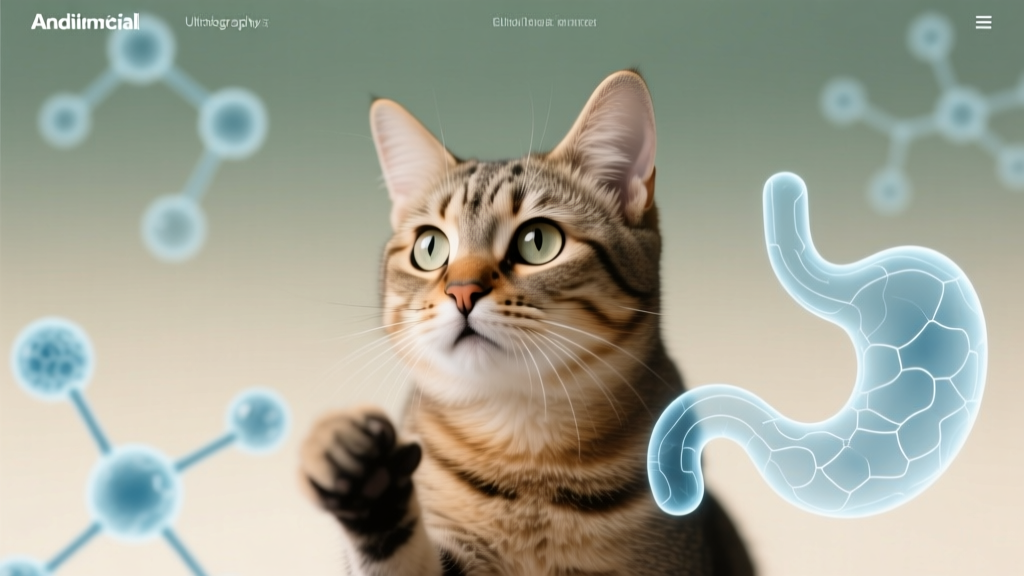
Intestinal adenocarcinoma is a malignant (cancerous) tumor that starts in glandular cells lining the intestines. These cells normally help with digestion and absorption. When they become cancerous, they can form a mass that:
- Narrows the intestinal passage, causing partial or complete blockage
- Ulcerates and bleeds, leading to anemia or dark stools
- Disrupts absorption, contributing to weight loss and malnutrition
- Spreads to nearby lymph nodes or other organs (metastasis), especially if advanced
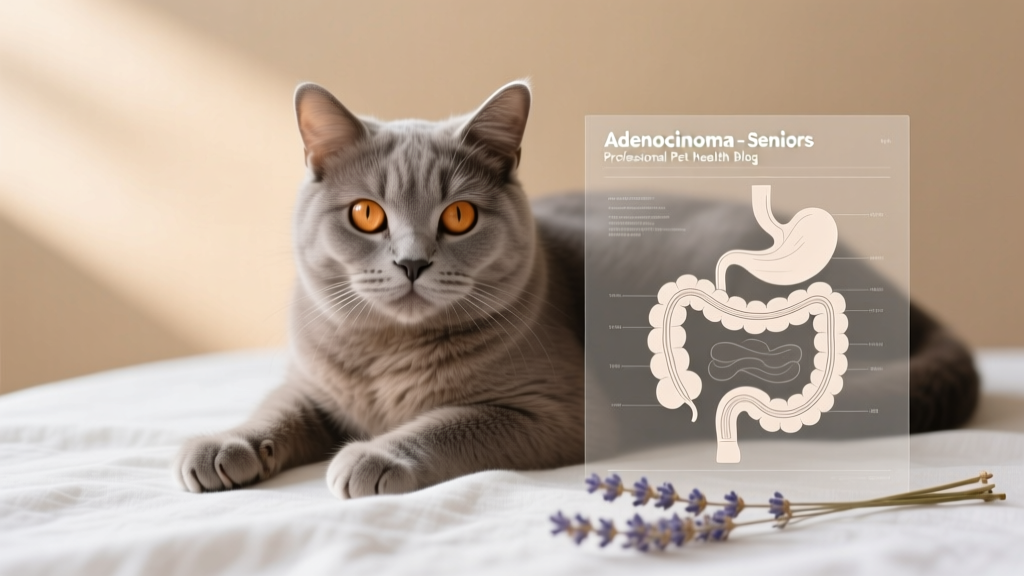
Adenocarcinoma can occur anywhere along the gastrointestinal tract, but in cats it’s often found in the small intestine (like the jejunum or ileum) or the large intestine (colon). Some cats develop a single mass; others may have a more infiltrative pattern that thickens the intestinal wall.
Many owners first notice changes such as vomiting, diarrhea, constipation, appetite loss, or gradual weight loss. Because these symptoms can also occur with conditions like inflammatory bowel disease (IBD), parasites, pancreatitis, kidney disease, or food intolerance, a veterinary workup is essential.
3. Symptoms and Warning Signs to Watch For
Signs can develop slowly or appear suddenly, especially if a tumor causes obstruction. Contact your veterinarian if your cat has persistent symptoms lasting more than a day or two, or any rapid decline.
Common signs
- Weight loss (often gradual and easy to miss at first)
- Reduced appetite or more “picky” eating
- Vomiting (intermittent or frequent)
- Diarrhea or softer stools
- Constipation or straining in the litter box
- Changes in stool size or frequency
- Lethargy and decreased activity
- Dehydration (tacky gums, reduced skin elasticity)
Clues that can point toward intestinal disease
- Blood in stool (bright red or dark/tarry)
- Abdominal discomfort (hunched posture, avoiding being picked up)
- Audible gut sounds or increased gas
- “Not quite right” behavior: hiding, irritability, less grooming
Practical, immediate steps at home
- Weigh your cat weekly (a baby scale works well). Write it down.
- Track vomiting and stool in a simple note on your phone: date, frequency, appearance.
- Monitor water intake and litter box output if you can.
- Don’t switch diets repeatedly to “see if it helps” without guidance—frequent changes can blur the clinical picture and irritate the gut.
4. Causes and Risk Factors
There isn’t one single cause of intestinal adenocarcinoma in cats. Like many cancers, it likely develops from a mix of genetic tendencies, aging changes in cells, and long-term inflammation or environmental influences. Research is ongoing, and in most individual cats, we cannot pinpoint an exact trigger.
Risk factors that may play a role
- Age: Most cases occur in middle-aged to senior cats.
- Chronic intestinal inflammation: Long-standing GI inflammation may increase cancer risk over time (association varies; not every cat with IBD develops cancer).
- Prior GI disease: Recurrent vomiting/diarrhea over months warrants evaluation and monitoring.
- Possible genetic predisposition: Some bloodlines may be more susceptible, though this is not well-defined.
Diet is a common worry for owners. No specific commercial diet has been proven to cause intestinal adenocarcinoma in cats. That said, maintaining healthy body condition, steady nutrition, and prompt care for chronic GI symptoms supports overall gut health.
5. Diagnosis: Methods and What to Expect at the Vet
Because the symptoms overlap with many treatable problems, veterinarians usually take a step-by-step approach. Bring your notes about appetite, weight trends, vomiting, stool changes, and any medications or diet history.
Typical diagnostic steps
- Physical exam: Your vet may feel abdominal thickening, a mass, or intestinal discomfort. Some tumors aren’t palpable.
- Bloodwork (CBC and chemistry): Checks for anemia, infection/inflammation signals, dehydration, organ function, and protein levels.
- Urinalysis: Helps evaluate hydration status and rules out concurrent illness common in seniors.
- Fecal testing: Looks for parasites or abnormal bacteria/organisms that can mimic cancer symptoms.
- Imaging:
- Abdominal ultrasound is often the most useful non-invasive tool for intestinal masses and wall thickening.
- X-rays can help detect obstruction, abnormal gas patterns, or visible masses, and can be a first step in acute vomiting cases.
- Chest X-rays may be recommended to look for spread or other age-related issues before anesthesia or surgery.
- Sampling the tissue:
- Fine needle aspirate may be attempted but doesn’t always yield a clear answer with intestinal tumors.
- Endoscopy with biopsies can sample parts of the stomach and upper intestines; it may miss deeper or lower intestinal lesions.
- Surgical biopsy (or removal) often provides the most definitive diagnosis, especially if a mass is present.
Questions to ask your vet
- Where in the intestine is the lesion, and is there concern for obstruction?
- Do you suspect localized disease or possible spread?
- What are the pros and cons of endoscopy versus surgery for biopsy?
- What pain control and nausea control will my cat receive?
6. Treatment Options (Medical, Surgical, and Home Care)
Treatment depends on the tumor’s location, size, whether it has spread, and your cat’s overall health. Many senior cats can still do well with thoughtful care plans tailored to them. Your veterinarian may also recommend consultation with a veterinary surgeon or oncologist.
Surgery
- Best option for localized tumors that can be removed, especially if they’re causing narrowing or obstruction.
- May involve removing the mass and reconnecting the intestine (intestinal resection and anastomosis).
- Recovery includes pain control, appetite support, and careful monitoring for complications such as infection or leakage at the surgical site.
Chemotherapy and oncology care
- Chemotherapy may be recommended depending on pathology results, tumor behavior, and whether spread is suspected.
- In cats, chemo protocols are often designed to prioritize quality of life and are commonly better tolerated than many owners expect.
- Your oncology team can explain realistic goals: slowing progression, reducing symptoms, and extending comfortable time.
Supportive and palliative medical care
Even when surgery or chemo isn’t pursued, many cats benefit from symptom-focused treatment:
- Anti-nausea medications to reduce vomiting and improve appetite
- Appetite stimulants when appropriate
- Pain relief (never use human pain meds unless specifically prescribed—many are toxic to cats)
- Vitamin B12 (cobalamin) supplementation if low, common with chronic intestinal disease
- Fluids (subcutaneous at home in some cases) for hydration support
- Diet strategy: highly digestible foods, sometimes novel protein or hydrolyzed diets, based on vet guidance
Home care tips you can use right away
- Offer frequent small meals and warm food slightly to enhance aroma.
- Prioritize hydration: add water to wet food, provide fountains, and offer multiple water stations.
- Keep litter boxes easy to access, especially for seniors (low-entry boxes can help).
- Create a calm feeding zone away from other pets to reduce stress.
- Give medications consistently and ask your vet about alternate forms (liquid, transdermal, compounded flavors) if pilling is difficult.
7. Prevention Strategies and Early Detection Tips
There’s no guaranteed way to prevent intestinal adenocarcinoma, but you can stack the odds in your cat’s favor by catching chronic GI issues early and keeping seniors monitored.
Early detection habits
- Schedule senior wellness exams at least every 6 months for older cats. Many conditions progress quietly.
- Weigh regularly: unexplained weight loss is one of the earliest red flags.
- Take vomiting seriously when it becomes frequent (more than occasional hairballs) or is paired with weight loss.
- Ask about baseline lab work annually (or as recommended) to identify anemia, protein loss, or organ changes.
- Follow up if symptoms return after “short-term fixes.” Recurrent problems deserve a deeper look.
Support overall gut health
- Feed a consistent, balanced diet appropriate for your cat’s life stage and medical needs.
- Maintain a healthy body condition—ask your vet to score your cat’s body condition and muscle mass.
- Keep up with parasite prevention and regular fecal testing as recommended for your household.
8. Prognosis and Quality of Life Considerations
Prognosis varies widely. Factors that influence outcome include:
- Tumor location and whether it can be fully removed
- Evidence of spread to lymph nodes or other organs
- Degree of obstruction and overall nutritional status
- Pathology results (how aggressive the cancer cells look under the microscope)
Some cats do well for a meaningful period after surgery, especially if the disease is localized. Others may have a shorter timeline if the cancer is advanced or if the intestines are severely affected.
Quality of life is the center of decision-making. Helpful ways to monitor comfort at home include:
- Appetite and interest in favorite foods
- Hydration and grooming habits
- Comfort while resting and moving
- Litter box habits (straining, accidents, diarrhea)
- Social behavior—seeking affection vs. hiding
Your veterinarian can help you use a simple quality-of-life scale and adjust treatment to keep your cat comfortable. If curative treatment isn’t possible, palliative care can still be very meaningful and loving.
9. When to Seek Emergency Veterinary Care
Intestinal cancers can sometimes lead to sudden complications like blockage, severe dehydration, or significant internal bleeding. Seek urgent or emergency veterinary care if you notice:
- Repeated vomiting (especially if your cat can’t keep water down)
- Bloated or painful abdomen, crying, or sudden agitation
- No stool output with straining, or signs of obstruction
- Extreme lethargy, collapse, or weakness
- Pale gums (possible anemia or shock)
- Rapid breathing or labored breathing
- Black, tarry stools or large amounts of fresh blood in stool
If your cat is a senior and “just seems off,” it’s always reasonable to call a veterinary clinic for guidance. Trust your instincts—you know your cat best.
10. FAQ: Common Questions from Cat Owners
Is intestinal adenocarcinoma the same as IBD?
No. IBD is inflammation of the intestines, while adenocarcinoma is a malignant tumor. The tricky part is that the symptoms can look very similar. Some cats with chronic intestinal signs may start with inflammation and later develop cancer, but many cats with IBD never develop adenocarcinoma. Your vet may need imaging and biopsy to tell them apart.
Can my cat still have a good quality of life with this diagnosis?
Many cats can. Treatment plans often focus on controlling nausea, maintaining nutrition, managing pain, and minimizing stress. Some cats do well after surgery, and others do best with supportive care. Your veterinarian can help you track comfort and make adjustments promptly.
How is this different from intestinal lymphoma?
Both are cancers of the intestines, but they arise from different cell types. Lymphoma involves lymphoid cells, while adenocarcinoma involves glandular epithelial cells. They can look similar on ultrasound, so biopsy and pathology are usually needed for a clear diagnosis and the best treatment plan.
Will my cat need surgery?
Not always, but surgery is commonly recommended when a mass is localized and removable, or when there is a risk of blockage. If surgery isn’t appropriate due to spread or other health concerns, your vet may recommend medical management and palliative care.
What should I feed my cat if gut cancer is suspected or confirmed?
Feed what your cat will reliably eat while you work with your veterinarian on a plan. Many cats do best with highly digestible wet foods, sometimes with a prescription diet depending on symptoms and test results. Avoid sudden diet changes without guidance, and contact your vet quickly if your cat stops eating.
How can I help my vet diagnose this sooner?
Bring a symptom log (vomiting, stool, appetite), weekly weight records, and a list of foods and treats your cat eats. If possible, take photos of abnormal stool or vomit to share with the vet. These simple details can speed up decision-making and testing.
If your senior cat has ongoing vomiting, weight loss, or litter box changes, schedule a veterinary visit soon. Early evaluation is the best way to identify what’s going on and relieve discomfort—whether the cause is cancer or something more easily treated.
For more trustworthy cat health guidance, senior care tips, and owner-friendly explanations, visit catloversbase.com.