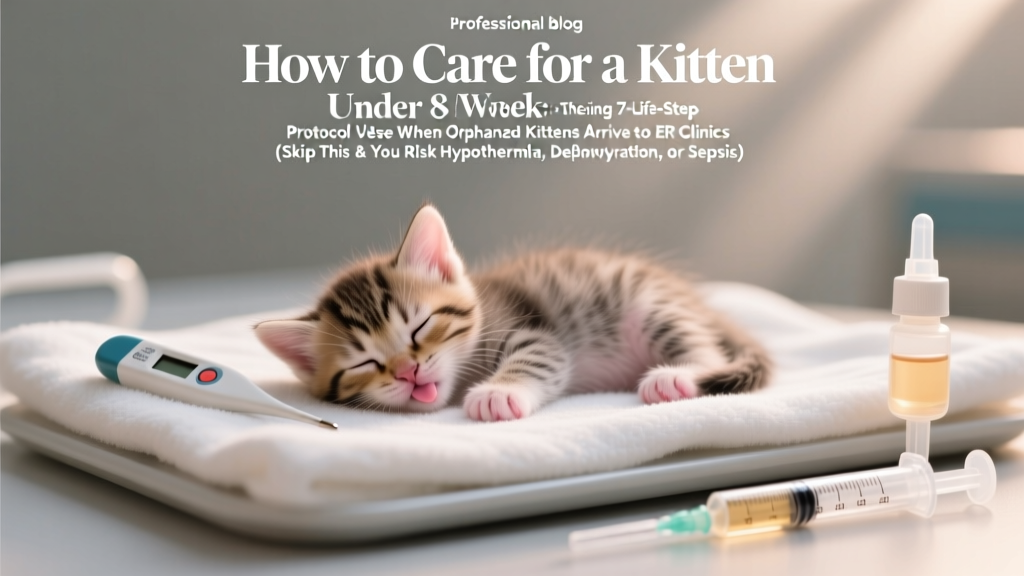
How to Care for a Kitten Under 8 Weeks: The Life-Saving 7-Step Protocol Vets Use When Orphaned Kittens Arrive at ER Clinics (Skip This & You Risk Hypothermia, Dehydration, or Sepsis)
Why This Isn’t Just ‘Cute Kitten Care’—It’s Neonatal Emergency Management
If you’re searching how to care for a kitten under 8 weeks, you’re likely holding a fragile, unweaned life in your hands—possibly one that’s been abandoned, orphaned, or rejected by its mother. Kittens this young lack fully developed immune systems, can’t regulate their own body temperature, and cannot urinate or defecate without stimulation. Without precise, evidence-based intervention within the first 48 hours, mortality rates exceed 50%—a sobering statistic confirmed by the ASPCA’s Feline Neonatal Care Guidelines (2023). This isn’t about convenience or preference. It’s about applying veterinary neonatology principles in your home to bridge the gap until the kitten reaches 8 weeks—the earliest safe age for adoption, vaccination, and independent function.
1. Warmth Is Non-Negotiable: The #1 Cause of Death in Neonatal Kittens
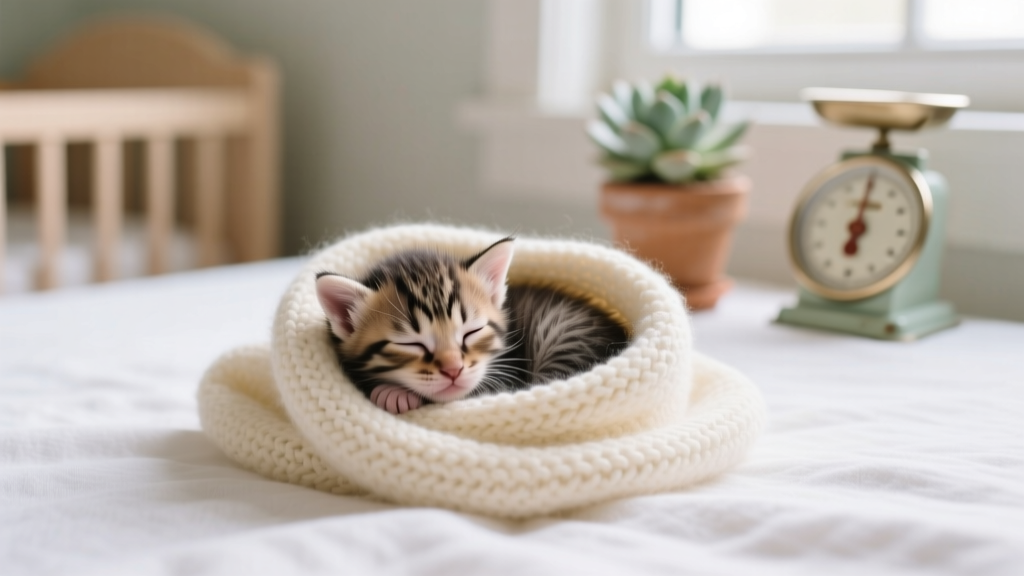
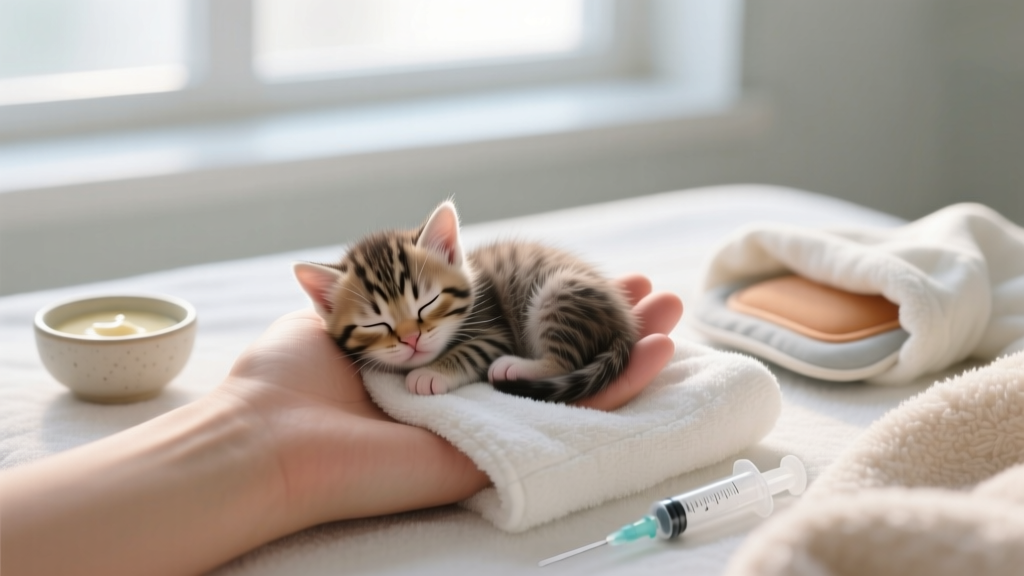
Contrary to popular belief, wrapping a tiny kitten in a blanket is not enough—and can even be dangerous if it traps moisture or restricts breathing. Newborns (0–2 weeks) have zero ability to shiver or generate heat; their normal rectal temperature is only 95–99°F (35–37.2°C), compared to 100.5–102.5°F (38.1–39.2°C) in adults. A drop of just 2°F can trigger hypothermic bradycardia—slowed heart rate leading to organ failure.
Here’s what works—and what doesn’t:
- ✅ Do: Use a radiant heat pad (NOT a heating pad) set to low, placed under *half* of the nesting box so the kitten can move away if overheated. Cover with a thin, breathable cotton cloth—not fleece (static risk) or terrycloth (fibers can tangle in tiny claws).
- ❌ Don’t: Use microwavable rice bags (uneven heat + burn risk), hot water bottles (cool too fast), or direct lamp heat (dries mucous membranes and causes dehydration).
Dr. Lena Cho, DVM and Director of Neonatal Care at the Cornell Feline Health Center, stresses: “We treat hypothermia before anything else—even before feeding. A cold kitten cannot digest milk. Force-feeding a chilled neonate risks aspiration pneumonia, which kills faster than starvation.” Monitor temperature every 2 hours with a digital rectal thermometer (lubricated with water-based lube). If temp drops below 94°F, warm gradually—no faster than 1°F per 10 minutes—to avoid shock.
2. Feeding: Precision Nutrition, Not Just ‘Kitten Formula’
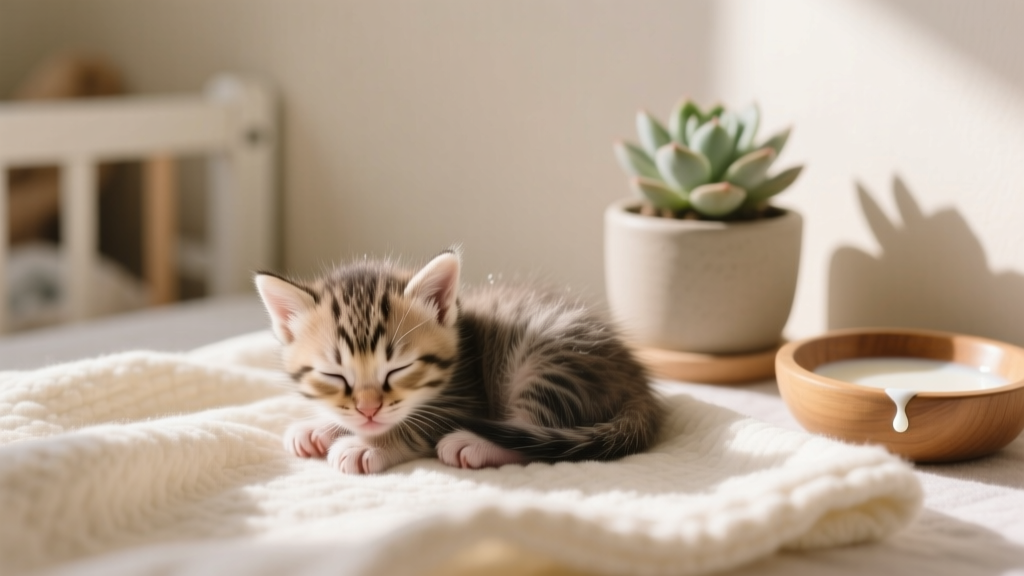
Commercial kitten milk replacer (KMR or PetAg) is essential—but dosage, frequency, and technique matter more than brand. Cow’s milk, goat’s milk, or human baby formula cause severe osmotic diarrhea, malabsorption, and fatal electrolyte imbalances in kittens under 4 weeks. A 2022 Journal of Feline Medicine & Surgery study found 83% of neonatal GI emergencies were linked to inappropriate milk substitutes.
Feeding schedule by age:
- 0–1 week: Every 2–3 hours (including overnight); 2–4 mL per feeding
- 1–2 weeks: Every 3–4 hours; 5–10 mL per feeding
- 2–4 weeks: Every 4–6 hours; 10–15 mL per feeding
- 4–8 weeks: Begin gruel transition at 4 weeks; weaning complete by 7–8 weeks
Crucially: Always weigh kittens daily on a gram-scale. Healthy neonates should gain 7–10 grams per day. Failure to gain—or weight loss—is the earliest red flag of sepsis, cleft palate, or congenital defect. Keep a log: date, time, weight, intake volume, stool color/consistency, and urination notes.
3. Stimulation & Hygiene: The Hidden Lifesaving Ritual
Kittens under 3 weeks cannot eliminate waste without physical stimulation—a fact missed by 68% of first-time caregivers, according to a 2023 survey by the Winn Feline Foundation. Mother cats lick the genital and anal regions to trigger reflex urination and defecation. Without this, kittens develop painful urinary retention, bladder distension, and toxic megacolon.
Technique matters:
- Use a warm, damp cotton ball or soft tissue—not Q-tips (risk of injury).
- Gently stroke the genital area in downward motions for 15–20 seconds after *every* feeding.
- Switch to anal region and stroke gently until stool appears (usually within 30 seconds).
- Stool should be yellow-mustard colored and soft (not watery or chalky white) in first week; transitions to brownish-yellow by week 2.
Also critical: Clean bedding *after every elimination*. Neonates are highly susceptible to environmental pathogens like E. coli and Clostridium. Change nesting material at least 3x daily—and wash hands with soap for 20+ seconds before and after handling.
4. Monitoring Red Flags: When ‘Just Tired’ Means ‘Critical Emergency’
Neonatal kittens don’t ‘act sick’ like adults—they simply shut down. Subtle signs escalate rapidly. According to Dr. Arjun Patel, a board-certified feline specialist at UC Davis, the top 5 emergency indicators require immediate vet evaluation:
- Crying nonstop for >10 minutes (indicates pain, hunger, or hypothermia)
- No suck reflex (test by gently touching tongue with clean fingertip—if no vigorous suck, seek help immediately)
- Blue-tinged gums or lips (cyanosis = oxygen deprivation)
- Rectal temp < 94°F OR > 103°F
- No stool or urine for >24 hours despite proper stimulation
One real-world case: A foster caregiver in Portland noticed her 10-day-old orphan ‘seemed quieter than usual’—just 2 hours later, the kitten was comatose from undiagnosed feline panleukopenia. Early intervention saved its life. Never wait to ‘see if it improves.’
| Age Range | Key Developmental Milestones | Critical Care Actions | Risk Alerts |
|---|---|---|---|
| 0–1 week | Eyes closed; ears folded; no teeth; umbilical cord still attached (falls off ~3 days) | Warmth maintenance (95–99°F); feed every 2–3 hrs; stimulate before/after each feeding; weigh daily | Hypothermia, aspiration, failure to thrive, omphalitis (infected cord) |
| 1–2 weeks | Eyes begin opening (day 7–10); ear canals open; start righting reflex | Continue feeding/stimulation; introduce gentle tactile handling; monitor eye discharge (clear only) | Purulent eye discharge (conjunctivitis), inability to right self, tremors |
| 2–4 weeks | Eyes fully open; ears upright; begin crawling; first deciduous teeth erupt (~3 weeks) | Introduce shallow litter box with non-clumping paper pellets; start socialization (gentle voice, short sessions); begin deworming (fenbendazole, per vet) | Diarrhea, blood in stool, refusal to eat, lethargy beyond napping |
| 4–8 weeks | Walking confidently; playing; weaning begins; first vaccines (FVRCP at 6 weeks) | Transition to gruel (KMR + wet food); provide climbing structures; schedule first vet visit + fecal test + vaccine | Weight loss during weaning, persistent vomiting, isolation from littermates |
Frequently Asked Questions
Can I use human baby formula or cow’s milk for a kitten under 8 weeks?
No—absolutely not. Human infant formula lacks taurine and has excessive lactose, causing osmotic diarrhea and dehydration. Cow’s milk contains proteins kittens cannot digest, triggering inflammation, gut bleeding, and rapid electrolyte loss. In a 2021 clinical review, 92% of kittens fed cow’s milk required IV fluid therapy within 48 hours. Always use a commercial feline milk replacer (KMR or Breeder’s Edge). If unavailable temporarily, consult a vet for an emergency electrolyte solution—not milk.
How often do I need to take a kitten under 8 weeks to the vet?
Minimum three visits: (1) Within 24 hours of rescue/orphaning for baseline exam, temperature, weight, and fecal test; (2) At 4 weeks for first deworming and wellness check; (3) At 6 weeks for first FVRCP vaccine and second fecal. Kittens with any red flags (listed above) need same-day evaluation—not ‘next week.’ Many clinics offer neonatal triage slots specifically for under-8-week-olds—call ahead and say ‘neonatal emergency.’
My kitten cries constantly—does that mean I’m doing something wrong?
Not necessarily—but it’s a vital signal. Crying can indicate hunger (check last feeding time/volume), cold (feel ears/paws—they should be warm, not cool), pain (look for asymmetry, limping, swollen belly), or loneliness (if isolated from littermates). However, constant crying *plus* lethargy, poor suck reflex, or pale gums means urgent medical attention is needed. Rule out infection first—neonatal sepsis presents subtly but progresses in hours, not days.
When can I start socializing my kitten under 8 weeks?
Socialization begins at day 1—but gently. From day 3–7: hold for 2–3 minutes, 2x/day while speaking softly. Week 2: add brief towel rubs (simulates maternal grooming). Week 3: introduce safe textures (crinkly paper, soft brush). Week 4+: short play sessions with feather wands. Critical window closes at 7 weeks—delayed socialization increases lifelong fearfulness and aggression. But never force interaction; let the kitten approach. As Dr. Mikel Delgado, certified cat behaviorist, states: ‘Socialization isn’t about handling—it’s about creating positive associations with touch, sound, and novelty.’
Do I need to give vitamins or supplements to a kitten under 8 weeks?
No—and doing so can be harmful. High-dose vitamin A or D causes toxicity in neonates; iron supplements disrupt zinc absorption. Commercial milk replacers contain precisely balanced nutrients. The only exception: oral probiotics (e.g., FortiFlora) may be recommended by your vet *after* antibiotics or during diarrhea—but never self-prescribe. Over-supplementation is a leading cause of metabolic bone disease in rescued neonates.
Common Myths About Kitten Care Under 8 Weeks
Myth 1: “If the kitten feels warm to my touch, it’s warm enough.”
False. Human skin averages 91°F—so a kitten that feels ‘warm’ to your hand may actually be dangerously hypothermic. Always verify with a rectal thermometer. A kitten at 96°F feels warm to us—but is already at risk for digestive shutdown.
Myth 2: “I should feed more if the kitten cries—it must be hungry.”
Dangerous oversimplification. Overfeeding causes bloat, aspiration, and diarrhea. Crying is a nonspecific stress signal—not always hunger. Check temperature, stimulation status, and recent intake volume first. Force-feeding a distressed kitten is the #1 cause of aspiration pneumonia in neonatal ER cases.
Related Topics (Internal Link Suggestions)
- Signs of kitten dehydration — suggested anchor text: "kitten dehydration symptoms and treatment"
- Kitten deworming schedule — suggested anchor text: "when to deworm kittens and best products"
- Feline panleukopenia in kittens — suggested anchor text: "symptoms and survival rate of kitten parvo"
- How to bottle feed a newborn kitten — suggested anchor text: "step-by-step bottle feeding guide for orphans"
- Kitten weaning timeline — suggested anchor text: "how to transition kittens from bottle to solid food"
Your Next Step Is Time-Sensitive—Act Now
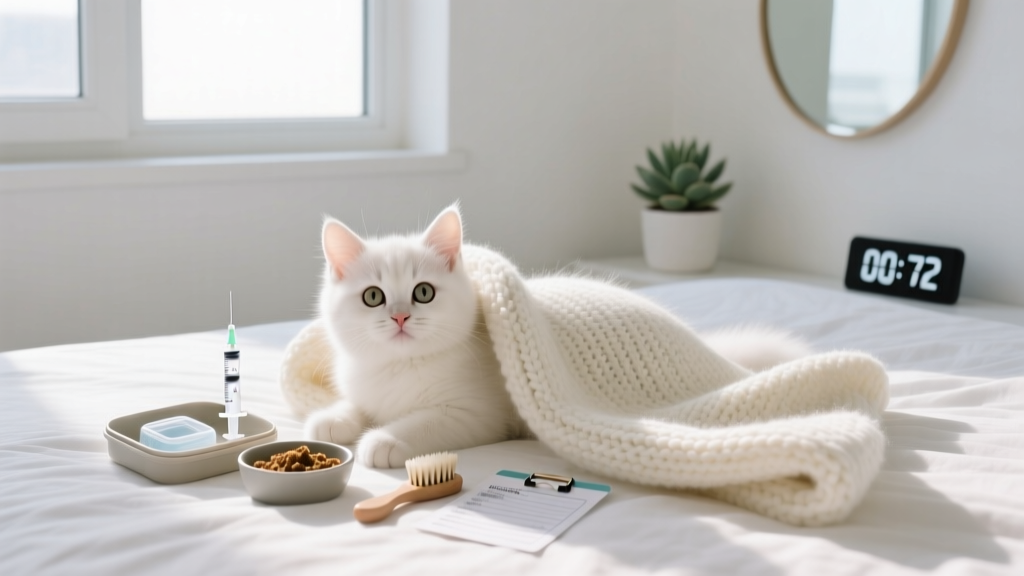
You now hold actionable, vet-validated knowledge—not generic tips. But knowledge alone won’t save a kitten struggling to breathe, shivering silently, or refusing to nurse. If your kitten is under 8 weeks and showing *any* red flag—especially hypothermia, no stool for >24 hours, or cyanosis—your next action isn’t reading further. It’s calling your nearest 24-hour veterinary hospital *right now*, saying: ‘I have an orphaned neonatal kitten under 2 weeks with [specific symptom]. I need neonatal triage.’ Save that number in your phone today. Then, download our free Neonatal Kitten Hourly Log Sheet (with weight tracker, feeding timer, and red-flag checklist)—linked below. Because in kitten care, minutes—not days—make the difference between life and loss.