How to Take Care of an Orphaned Kitten: The First 72 Hours Are Critical — A Step-by-Step Lifesaving Protocol (Vet-Reviewed, No Guesswork)
Why This Guide Could Save a Life Today
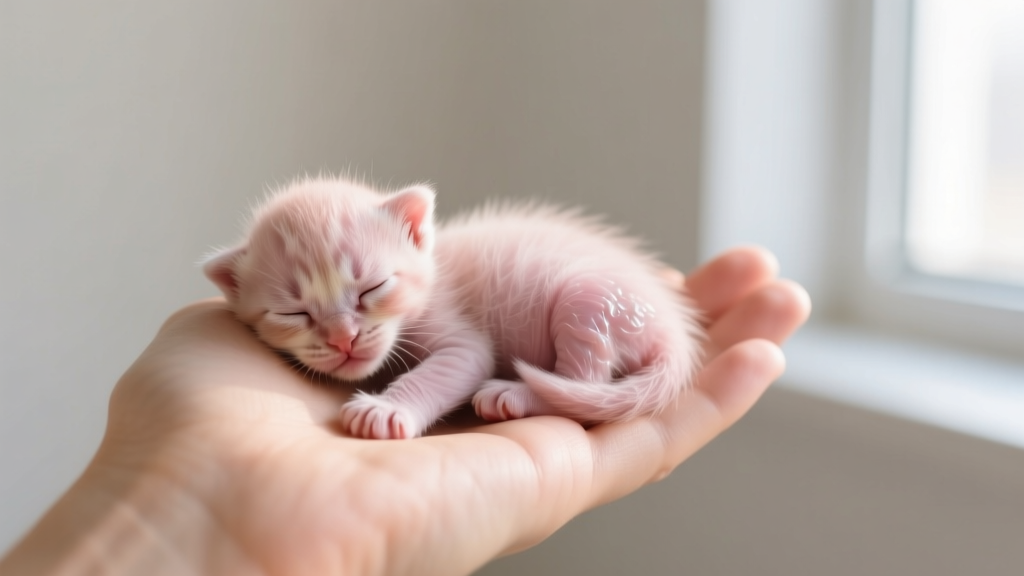
If you’ve just found a shivering, silent, unresponsive newborn kitten without its mother, you’re facing one of the most time-sensitive caregiving challenges in feline medicine. How to take care of a orphaned kitten isn’t just about feeding — it’s about replicating maternal thermoregulation, immune protection, digestion, and neurological stimulation within hours. Neonatal kittens cannot regulate body temperature, digest food without stimulation, or fight infection alone. Without intervention, over 50% die within the first 3 days — not from neglect, but from preventable hypothermia, aspiration, or sepsis. This guide distills evidence-based protocols used by shelter veterinarians, foster coordinators, and neonatal specialists into actionable, hour-by-hour steps — so you respond with confidence, not panic.
1. Stabilize First: Warmth, Hydration & Immediate Assessment
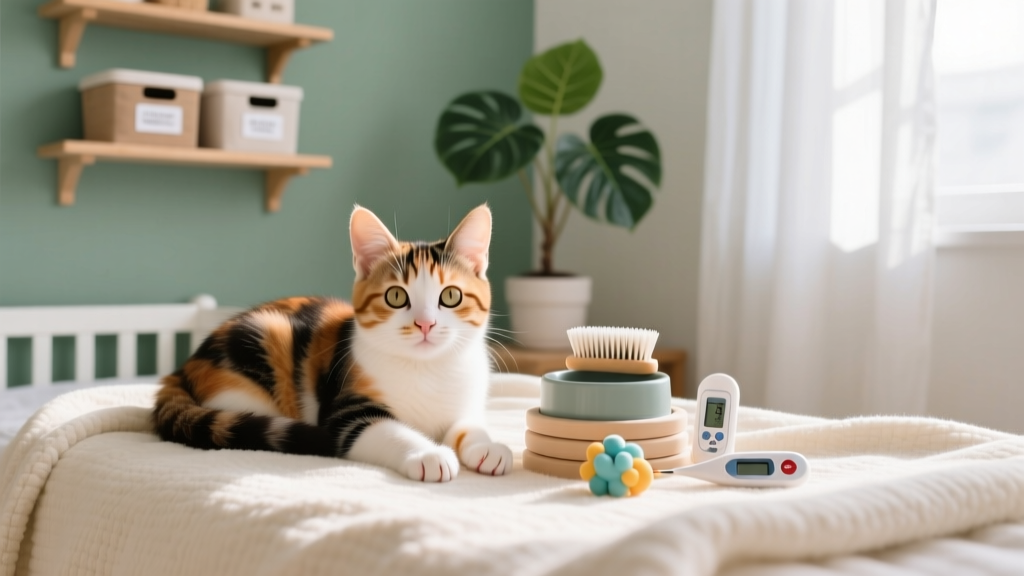
Before offering milk — even a single drop — assess and correct hypothermia. A kitten’s normal rectal temperature is 95–99°F (35–37.2°C) at birth, rising to 100–102.5°F (37.8–39.2°C) by week 2. Below 94°F? It’s in crisis: metabolism slows, gut motility halts, and absorption fails. Never feed a cold kitten — aspiration pneumonia risk spikes 7x (per ASPCA Shelter Medicine Guidelines, 2023).
Action steps:
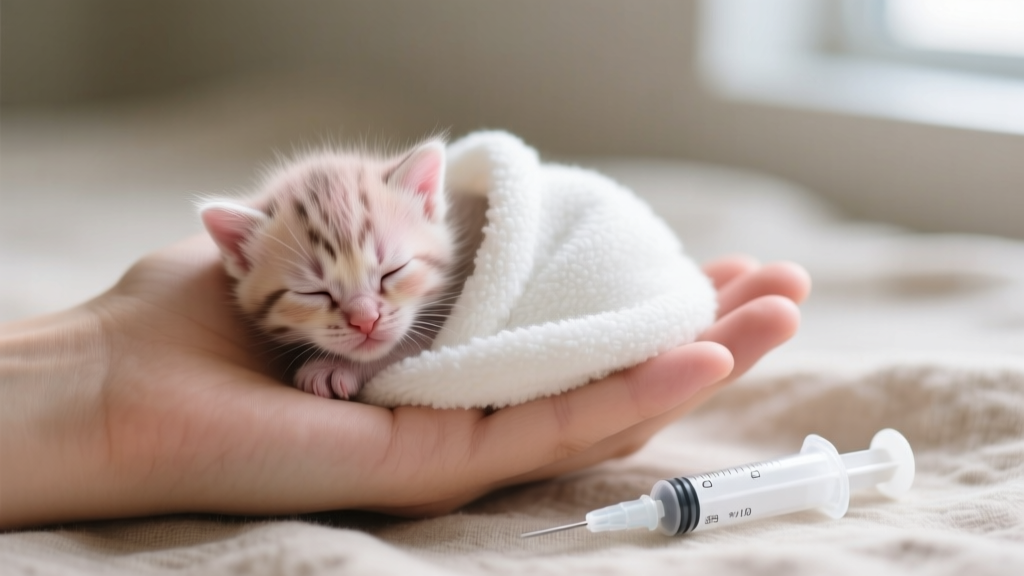
- Warm gradually: Wrap kitten loosely in a pre-warmed towel (not heated directly) and place against your chest or on a low-setting heating pad covered with two layers of fabric. Monitor every 5 minutes with a digital rectal thermometer.
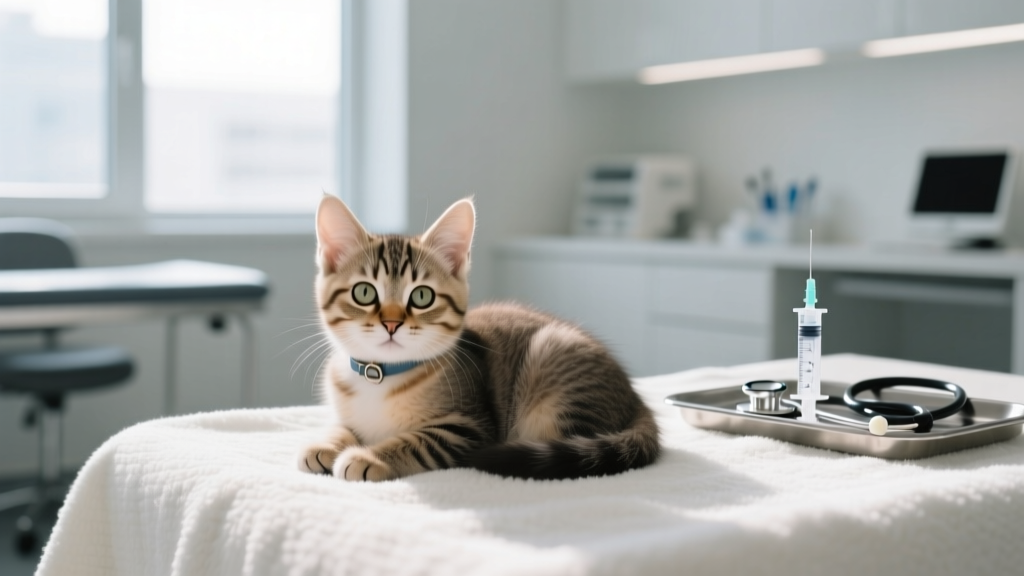
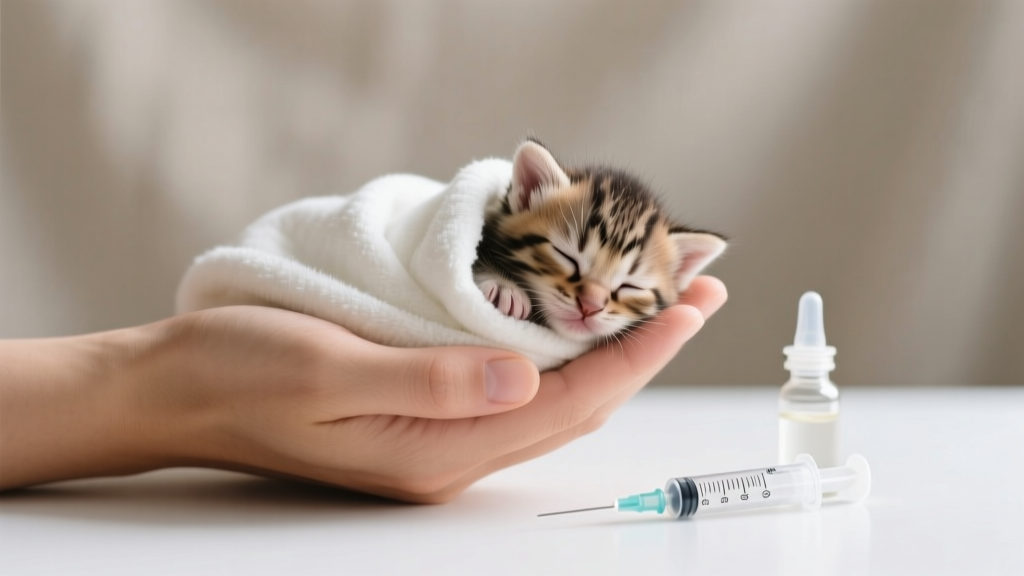
- Hydrate before feeding: If dehydrated (skin tenting >2 seconds, dry gums), administer 1–2 mL of warmed oral rehydration solution (e.g., Pedialyte unflavored, diluted 50/50 with water) via syringe — not bottle — every 15 minutes until gums feel moist.
- Assess viability: Check for breathing (watch flank movement), reflexes (rooting when cheek stroked), and umbilical cord condition (no active bleeding or foul odor). Note weight — kittens should gain 7–10 g/day. A 100g kitten at 24 hours should be ~107g by tomorrow.
Dr. Sarah Lin, DVM and Director of Neonatal Care at the San Francisco SPCA, emphasizes: “Warming is step zero — not step one. I’ve seen dozens of kittens aspirate because well-meaning rescuers rushed to feed before core temp hit 96°F. That delay saves lungs.”
2. Feeding Right: Formula, Frequency & Technique That Prevents Aspiration
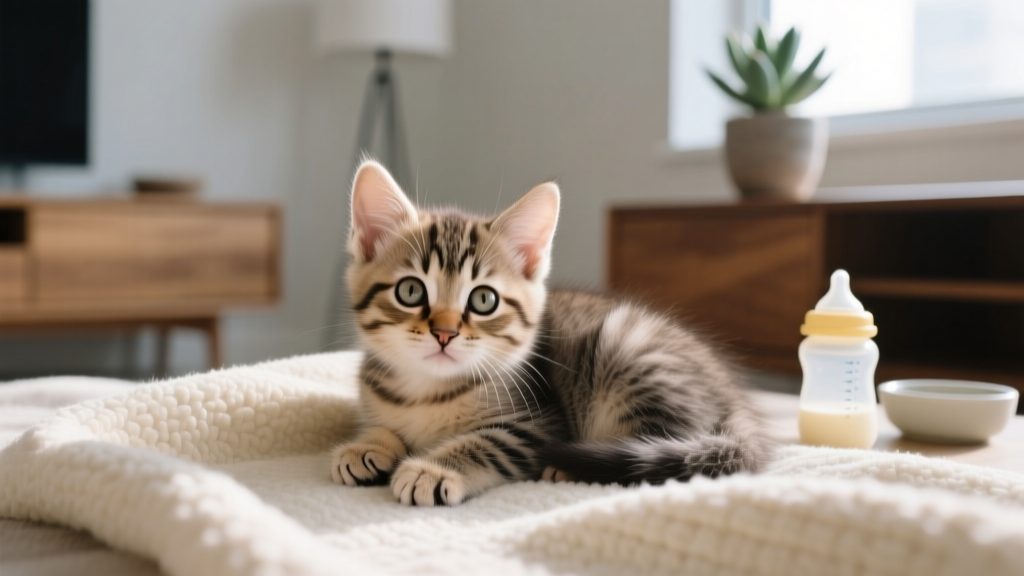
Commercial kitten milk replacer (KMR or Just Born) is non-negotiable. Cow’s milk causes fatal diarrhea and dehydration; goat’s milk lacks essential taurine and arginine. Prepare formula fresh daily, warmed to 98–100°F (test on inner wrist — never microwave). Use a 1–3 mL syringe with a soft rubber nipple or specialized kitten bottle (avoid droppers — too hard to control flow).
Feeding schedule by age:
- 0–1 week: Every 2–3 hours (including overnight). 2–4 mL per feeding. Hold kitten belly-down, head slightly elevated — never on back like a human baby.
- 1–2 weeks: Every 3–4 hours. 5–7 mL per feeding. Introduce gentle burping after each meal (hold upright, pat back softly).
- 2–3 weeks: Every 4–6 hours. 8–10 mL per feeding. Begin introducing shallow dish feeding (dip paw in formula to encourage licking).
Crucially: Stop feeding if the kitten pushes away, falls asleep mid-meal, or has milk bubbling from nostrils — these are early aspiration signs. Gently tilt head down and wipe nose. If coughing persists, contact a vet immediately.
3. Stimulation & Elimination: Why You Must Be Their ‘Mother’s Tongue’
Kittens under 3 weeks cannot urinate or defecate without tactile stimulation — mimicking the mother’s licking. Skipping this causes urinary retention (leading to bladder rupture) or constipation (causing toxic megacolon). Use a warm, damp cotton ball or soft tissue — never fingers or Q-tips — and stroke gently in circular motions over genital and anal areas for 30–60 seconds *before and after every feeding*.
What to watch for:
- Urine: Pale yellow, clear, and plentiful (1–2 drops per feeding early on; increases with age). Dark, cloudy, or bloody urine signals infection or dehydration.
- Feces: Must pass within 24 hours of first feeding. Meconium (black, tarry) appears first 24–48 hrs, then transitions to yellow-mustard consistency. Hard, dry stools mean formula concentration is too high or hydration is insufficient.
A real-world case: When foster parent Maya rescued three 5-day-old orphans, she stimulated consistently — yet one kitten hadn’t passed stool by hour 36. She adjusted formula dilution (1:2 instead of 1:1.5) and added 0.1 mL of pediatric glycerin suppository (vet-approved). Stool passed within 90 minutes. “It wasn’t magic — it was knowing the nuance,” she says.
4. Infection Control, Monitoring & Developmental Milestones
Orphaned kittens lack maternal antibodies — making them 12x more likely to develop upper respiratory infections (URIs) or sepsis than dam-raised littermates (Journal of Feline Medicine and Surgery, 2022). Prevention is environmental and observational:
- Sanitize rigorously: Wash hands with soap for 20+ seconds before/after handling. Sterilize bottles/syringes in boiling water 5 mins daily. Replace bedding daily; use unscented, low-lint fleece (no towels — fibers cause intestinal blockages if ingested).
- Monitor daily: Track weight (same scale, same time), temperature, stool/urine output, activity level, and respiratory rate (normal: 20–30 breaths/min). Note any nasal discharge, sneezing, lethargy, or refusal to eat — these demand immediate vet evaluation.
- Milestones matter: Eyes open at 7–10 days; ears unfold at 5–8 days; crawling begins ~10 days; walking by 14–16 days; social play emerges at 3 weeks. Delayed milestones often indicate underlying illness or nutritional deficit.
| Age | Key Actions | Red Flags Requiring Vet Visit | Weight Gain Target |
|---|---|---|---|
| 0–24 hrs | Stabilize temp ≥96°F; hydrate; first feeding within 2 hrs of warming | No rooting reflex; no urine in 12 hrs; rectal temp <94°F | +5–10 g |
| 1–7 days | Feed every 2–3 hrs; stimulate before/after each; weigh AM/PM | Blood in stool; persistent crying; milk from nose; 12+ hr no stool | +7–10 g/day |
| 1–2 weeks | Introduce burping; increase volume; monitor eye opening progress | Eyes remain closed past day 14; pus-like eye discharge; labored breathing | +10–15 g/day |
| 2–3 weeks | Begin dish-feeding intro; add gentle massage; introduce low-ramp playpen | No interest in surroundings; inability to stand by day 16; diarrhea >24 hrs | +15–20 g/day |
| 3–4 weeks | Start gruel (KMR + wet food); wean to bottle; socialize with humans/cats | Refusal to eat solids by day 28; vomiting >2x/day; seizures | +20–25 g/day |
Frequently Asked Questions
Can I use human baby formula or almond milk for an orphaned kitten?
No — absolutely not. Human infant formula lacks taurine, arginine, and arachidonic acid critical for feline retinal and cardiac development. Almond, soy, or oat milks cause severe osmotic diarrhea and electrolyte collapse. Only FDA-compliant kitten milk replacers (KMR, Just Born, Breeder’s Edge) provide balanced nutrition. Dr. Lin confirms: “I’ve treated kittens fed oat milk who developed blindness from taurine deficiency — irreversible by week 4.”
How do I know if my kitten is getting enough to eat?
Track three metrics daily: (1) Weight gain — consistent +7–25 g/day depending on age; (2) Urine output — at least 1–2 pale yellow drops per feeding; (3) Behavior — contented suckling, relaxed posture post-feed, sleeping 80% of the time. If weight plateaus for 24+ hours or urine decreases, reassess formula concentration, feeding volume, or hydration status — don’t wait.
When should I start weaning and introducing solid food?
Begin gruel (KMR mixed with high-quality pate-style wet food) at 3 weeks. Offer in a shallow dish; dip kitten’s paw in mixture to spark curiosity. By 4 weeks, offer gruel 4x/day and reduce bottle feeds. Full weaning typically completes by 6–7 weeks. Never force-wean — abrupt cessation causes stress-induced GI stasis. The ASPCA recommends gradual transition over 10–14 days.
Do orphaned kittens need vaccinations earlier than mom-raised ones?
Yes — but carefully. Core vaccines (FVRCP) begin at 6 weeks due to waning maternal antibody gaps, but only if the kitten is clinically healthy, parasite-free, and gaining weight steadily. Over-vaccinating stressed neonates can trigger immune-mediated disease. Consult your vet for titer testing or delayed scheduling if the kitten had sepsis or URI history.
Is it safe to foster multiple orphaned kittens together?
Yes — and strongly encouraged. Littermates provide mutual warmth, social learning, and reduced stress cortisol levels (per 2021 Cornell Feline Health Center study). But only co-house if all are within 48 hours of age, similar size, and free of infectious symptoms. Quarantine new intakes for 72 hours before grouping.
Common Myths About Orphaned Kitten Care
Myth 1: “Just wrap them in a blanket and they’ll warm up fine.”
False. Blankets insulate but don’t generate heat. Hypothermic kittens lack metabolic fuel to self-warm. Without external heat (heating pad, incubator, or body heat), core temp continues dropping — leading to bradycardia and death. Always use controlled, monitored warmth.
Myth 2: “If they’re crying, they’re hungry — feed them right away.”
Not necessarily. Crying signals distress — which could mean pain, cold, dehydration, or infection. Feed only after confirming stable temp and hydration. Persistent crying post-warming/feed may indicate umbilical infection or congenital defect — requiring urgent vet assessment.
Related Topics (Internal Link Suggestions)
- Kitten Weaning Timeline — suggested anchor text: "when to start weaning orphaned kittens"
- Recognizing Kitten Distress Signals — suggested anchor text: "kitten crying and not eating"
- Safe Kitten Deworming Schedule — suggested anchor text: "best dewormer for newborn kittens"
- Neonatal Kitten Resuscitation Steps — suggested anchor text: "how to revive a limp newborn kitten"
- Finding a Kitten-Savvy Veterinarian — suggested anchor text: "emergency vet for orphaned kittens near me"
Your Next Step Starts Now
You now hold a protocol backed by shelter vets, neonatal specialists, and thousands of successful fosters — not folklore. But knowledge becomes impact only when applied. So tonight, gather your supplies: digital thermometer, KMR powder, sterile syringes, soft towels, and a heating pad. Weigh your kitten, check its temperature, and warm it *before* the first drop of formula. That first hour sets the trajectory for survival. And if uncertainty lingers — call a feline veterinarian or local rescue *before* dawn. They’ll guide you through the night. Because every orphaned kitten deserves more than hope. They deserve precision, compassion, and science — starting with you.