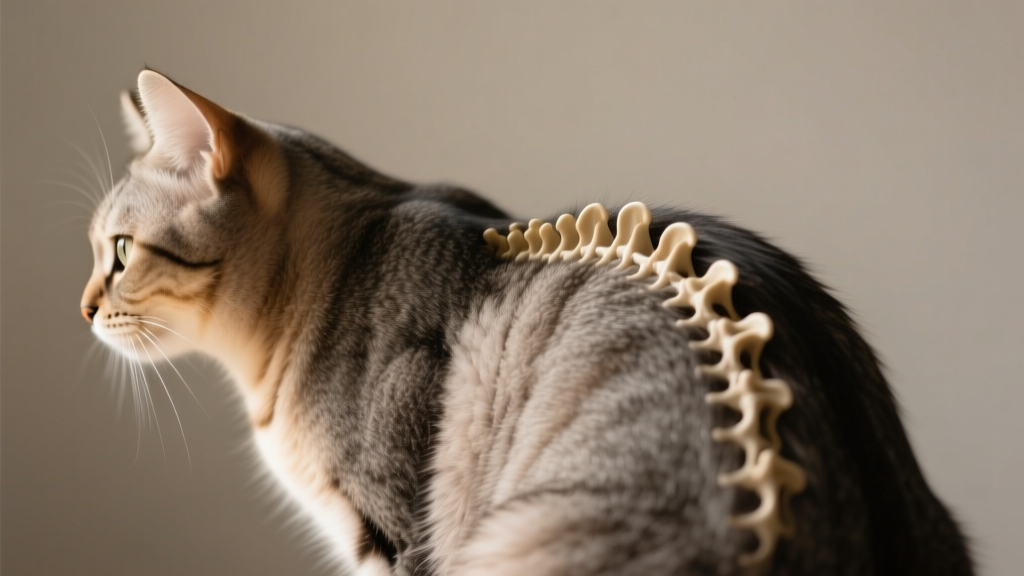
Cat Lumbosacral Stenosis: Lower Spine Nerve Compression
1. Introduction: Why This Matters for Cat Owners
Cats are masters at hiding pain. A cat with a sore lower back may simply sleep more, jump less, or act “grumpy” when touched—changes that are easy to chalk up to aging or attitude. Lumbosacral stenosis is one possible reason these subtle shifts happen. It refers to narrowing around the nerves where the lower spine meets the pelvis, which can lead to nerve compression and discomfort.
Understanding this condition helps you notice early warning signs, seek veterinary help sooner, and keep your cat comfortable and mobile. When addressed promptly, many cats can maintain a good quality of life with the right plan.
2. Overview: What Is Lumbosacral Stenosis in Cats?
The lumbosacral area is the junction between the lumbar spine (lower back) and the sacrum (the part connected to the pelvis). This region is a busy “intersection” where nerves exit the spinal canal to supply the hind legs, tail, and parts of the bladder and bowel.
Lumbosacral stenosis means there is narrowing of the spinal canal and/or the openings where nerves exit (called foramina). When narrowing becomes significant, it can pinch nerves (nerve root compression) and sometimes irritate surrounding tissues.
In cats, lumbosacral stenosis is less commonly discussed than in dogs, but it can occur—especially in cats with:
- Degenerative changes (wear-and-tear arthritis over time)
- Prior trauma
- Spinal instability
- Disc disease (less common than in many dog breeds, but possible)
Think of it like a hallway getting too narrow: when nerves don’t have enough space, they can become inflamed and painful, and signals to the hind limbs (and sometimes bladder/bowel) may be affected.
3. Symptoms and Warning Signs to Watch For
Signs can range from mild to severe, and they may come and go—especially early on. Many owners notice “behavior changes” before they see obvious limping.
Common signs at home
- Reluctance to jump up or down (bed, sofa, counters)
- Stiffness in the back end, especially after rest
- Hind limb weakness or a wobbly gait
- Hind end pain: flinching, turning to look, or vocalizing when the lower back is touched
- Reduced activity, hiding more, sleeping more than usual
- Lameness that seems to switch legs or doesn’t match a clear paw injury
- Tail sensitivity or reluctance to have the tail lifted
Signs that suggest nerve involvement
- Knuckling (dragging the top of the paw) or scuffing nails
- Loss of coordination in the hind legs
- Changes in reflexes (something your vet evaluates)
- Difficulty rising or frequent slipping on floors
Possible urinary or bowel changes (more urgent)
- Straining to urinate or leaking urine
- Loss of litter box habits in a previously reliable cat
- Constipation or difficulty posturing to defecate
If your cat shows any of these signs, schedule a veterinary visit. Back pain and hind limb weakness can have multiple causes (arthritis, hip issues, knee injuries, neurologic conditions), and it’s safest to have a professional sort it out.
4. Causes and Risk Factors
Lumbosacral stenosis usually develops when structures around the lumbosacral junction change in a way that reduces space for nerves.
Potential causes
- Degenerative joint disease (arthritis): Bone spurs and thickened tissues can narrow nerve openings.
- Intervertebral disc changes: A bulging or degenerated disc can take up space and inflame nerves.
- Ligament thickening: Supportive tissues can become enlarged and contribute to compression.
- Spinal instability: Small shifts in alignment may worsen narrowing when a cat moves.
- Trauma: Falls, car accidents, or previous injuries can lead to chronic changes.
- Congenital/anatomical factors: Some cats may have structural features that predispose them.
Risk factors that can make symptoms more likely
- Older age (more time for degenerative changes to accumulate)
- Excess body weight (more load on joints and spine)
- High-impact jumping and repeated hard landings (especially in overweight or arthritic cats)
- Prior orthopedic problems affecting gait and posture
One helpful reminder: you do not need to “prove” the cause at home. Your job is to notice changes early and share them with your veterinarian.
5. Diagnosis: What to Expect at the Vet
Diagnosing lumbosacral stenosis is a step-by-step process. Your vet’s goal is to confirm whether the problem is coming from the spine and nerves, and to rule out other issues that can look similar.
History and physical exam
- Your vet will ask about jumping changes, litter box habits, activity level, and any recent falls.
- A hands-on exam checks for pain on palpation of the lower back, muscle tension, and hip/knee discomfort.
Neurologic exam
- Assessment of hind limb strength, coordination, paw placement, and reflexes
- Evaluation of tail tone and sensation when appropriate
Imaging and tests
- X-rays (radiographs): Helpful for arthritis, bony changes, fractures, or obvious narrowing clues. They don’t show nerves well, but they’re often a first step.
- MRI: The best test for soft tissues, discs, spinal cord, and nerve root compression. Often recommended when neurologic deficits are present or surgery is being considered.
- CT scan: Useful for bony anatomy and can complement MRI depending on the case.
- Bloodwork: Helps assess overall health before certain medications or anesthesia, especially in older cats.
If advanced imaging is recommended, your vet may refer you to a neurologist or specialty hospital. That referral can feel intimidating, but it’s often the fastest route to clear answers and a targeted treatment plan.
6. Treatment Options: Medical, Surgical, and Home Care
Treatment depends on severity: mild pain may respond well to medical management, while significant nerve compression or worsening neurologic signs may require surgery.
Medical management (common first approach)
- Pain control tailored for cats: Your veterinarian may prescribe cat-safe analgesics. Never give human pain medications unless your vet specifically instructs you—many are toxic to cats.
- Anti-inflammatory therapy: Used when appropriate to reduce inflammation around compressed nerves.
- Neuropathic pain medications: Sometimes used when nerve pain is suspected.
- Weight management plan: Even modest weight loss can reduce load on the spine and improve mobility.
Rehabilitation and supportive therapies
- Activity modification: Reducing high jumps and “launch and land” play during painful periods.
- Physical rehabilitation: Some cats benefit from guided exercises, gentle strengthening, and mobility work from a rehab-trained veterinarian or therapist.
- Environmental changes (immediate, at-home wins):
- Provide pet stairs or ramps to favorite spots.
- Use a low-entry litter box with easy access.
- Add non-slip rugs on slippery floors for better traction.
- Set up multiple resting stations so your cat doesn’t need to climb as much.
Surgical options (for significant compression or poor response to meds)
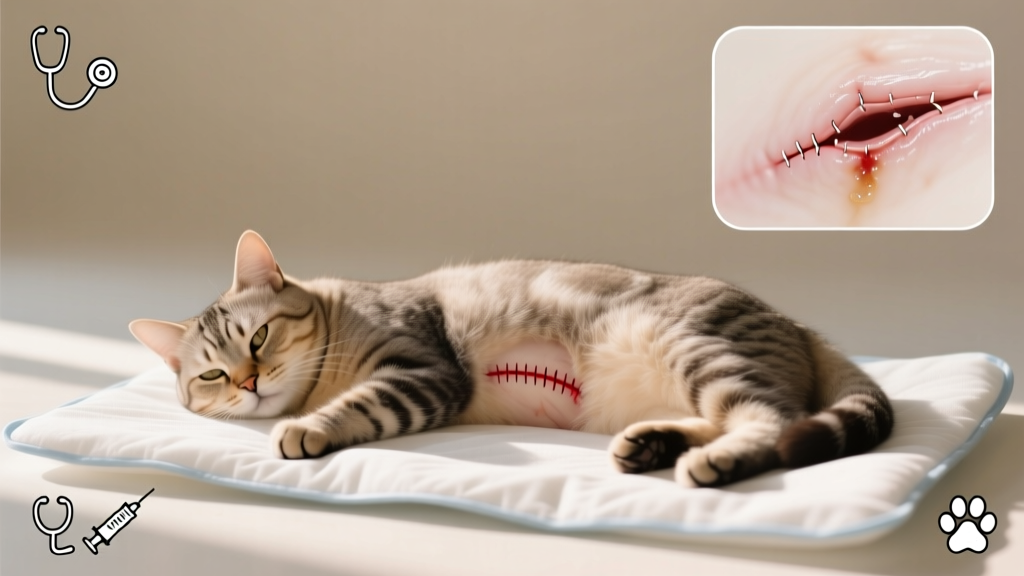
Surgery aims to decompress pinched nerves and sometimes stabilize the area if instability is present. A veterinary surgeon or neurologist will discuss the specific procedure based on imaging findings.
- Possible benefits: improved comfort, improved mobility, reduced nerve irritation
- Considerations: anesthesia risk (especially in older cats), recovery time, and cost
Home care during recovery or long-term management
- Give medications exactly as prescribed and report side effects promptly (sedation, vomiting, appetite changes).
- Confine activity when advised: a calm room or large crate setup can prevent reinjury.
- Use gentle handling: support your cat’s hindquarters when lifting, and avoid twisting the spine.
- Track progress: note jumping ability, gait, litter box habits, and appetite daily for the first couple of weeks.
Work closely with your veterinarian; treatment often needs fine-tuning to balance pain control, alertness, and mobility.
7. Prevention Strategies and Early Detection Tips
Not every case is preventable, but you can reduce risk and catch problems earlier.
Practical steps you can start today
- Keep your cat lean: Ask your vet for a target weight and feeding plan.
- Reduce high-impact jumping: Use stairs/ramps to beds and windowsills.
- Improve traction: Place rugs or runners where your cat launches, lands, or turns.
- Schedule regular wellness exams: Especially for middle-aged and senior cats.
- Notice “micro-changes”: fewer jumps, hesitating before climbing, sitting differently, or grooming less around the lower back.
Early detection tip
Take short videos at home if you notice an abnormal gait or reluctance to jump. Cats often move differently at the vet due to stress. A 10–20 second clip of normal home movement can be very helpful for your veterinarian.
8. Prognosis and Quality of Life Considerations
The outlook varies depending on the underlying cause, the degree of nerve compression, and how quickly treatment begins.
- Mild cases: Many cats do well with medical management, weight control, and home modifications.
- Moderate cases: Often manageable but may require ongoing medication adjustments and periodic rechecks.
- Severe cases: If significant neurologic deficits or bladder/bowel issues develop, the condition is more urgent and may require advanced imaging and possibly surgery.
Quality of life is the priority. Signs a plan is working include:
- Comfortable resting and normal sleep
- Willingness to move around the home
- Consistent litter box use
- Good appetite, grooming, and social interaction
If your cat is still uncomfortable despite treatment, tell your veterinarian. There are often additional medication options, rehab approaches, or diagnostic steps that can help.
9. When to Seek Emergency Veterinary Care
Contact an emergency clinic or urgent veterinary service right away if you notice:
- Sudden inability to use one or both hind legs
- Rapidly worsening weakness or collapse
- Loss of bladder control, inability to urinate, or significant straining
- Severe, unrelenting pain (crying out, unable to settle, aggressive due to pain)
- Major trauma (fall from height, hit by car) followed by any hind end pain or weakness
These signs don’t automatically mean lumbosacral stenosis, but they do indicate a potentially serious neurologic or urinary emergency that needs immediate professional care.
10. FAQ: Common Questions from Cat Owners
Can lumbosacral stenosis be mistaken for arthritis or hip pain?
Yes. Lower spine pain, hip arthritis, knee injuries, and even paw pain can look similar because cats change how they move and jump. A veterinary exam (and sometimes imaging) is the best way to identify the true source of discomfort.
Will my cat need surgery?
Not always. Many cats can be managed with medications, weight control, and home modifications. Surgery is more likely if there are significant neurologic deficits, persistent pain despite medical management, or imaging confirms severe nerve compression. Your veterinarian or a specialist will guide that decision.
Is it safe to give my cat over-the-counter pain medicine?
No—unless your veterinarian specifically instructs you. Many human pain relievers can be toxic to cats, even at small doses. If your cat seems painful, schedule an appointment and ask about safe, cat-specific options.
How can I tell if my cat’s litter box issues are related to nerve compression?
Clues include new accidents plus hind end weakness, a painful lower back, trouble squatting, urine dribbling, or straining. Because urinary problems can also indicate infections or blockages, contact your veterinarian promptly—especially if your cat is straining or producing little to no urine.
What home setup changes help most?
- Low-entry litter box
- Ramps or stairs to favorite spots
- Non-slip flooring in key areas
- Raised food/water dishes if bending seems uncomfortable
- A warm, supportive bed in an easy-to-reach location
What should I track between vet visits?
Keep a simple log of:
- Ability/willingness to jump
- Walking stability and slipping
- Litter box habits (urine output, straining, accidents)
- Appetite and mood
- Response to medication (and any side effects)
If you suspect your cat may have lower back pain or nerve compression, schedule a veterinary visit. With early assessment and a tailored plan, many cats remain comfortable and active at home.
For more supportive, cat-owner-friendly health guidance, visit catloversbase.com and explore our growing library of feline wellness resources.