Cat Alaria: Intestinal Trematode Parasite
1. Why this topic matters to cat owners
If your cat hunts, spends time outdoors, or lives in an area with wetlands or ponds, they can be exposed to parasites that most owners rarely hear about. One of these is Alaria, a type of intestinal trematode (fluke). While Alaria infections are not among the most common parasites in pet cats, they matter because:
- They can cause ongoing digestive upset that’s easy to mistake for “sensitive stomach” or food intolerance.
- They’re linked to hunting and eating prey, so they’re more likely in outdoor cats and avid mousers.
- Some stages of Alaria can affect other animals, and certain Alaria species have been associated with illness in people under specific circumstances.
The good news: with veterinary diagnosis and the right medication, most cats recover well. Your role as an owner is noticing changes early, seeking veterinary guidance, and reducing exposure risks.
2. Overview: What is Alaria in cats?
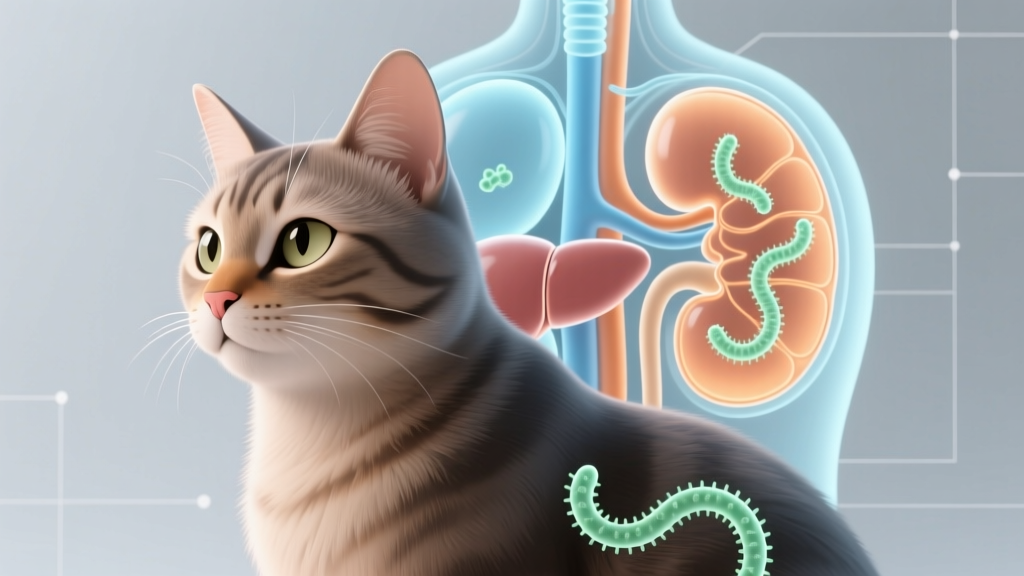
Alaria is a genus of parasitic flukes (trematodes). Adult Alaria flukes live in the small intestine of the final host, which can include wild carnivores (like foxes) and sometimes domestic cats and dogs. Cats can become infected when they swallow certain life stages of the parasite, typically by eating infected prey.
Plain-language explanation of the life cycle
- The parasite’s eggs are passed in feces by an infected animal.
- In watery environments, the eggs develop and infect snails (an intermediate host).
- From snails, the parasite can move to tadpoles or frogs (another intermediate host).
- Many animals (called “paratenic” hosts) can carry the parasite in tissues after eating infected amphibians. This can include small mammals.
- Cats may become infected by eating an infected frog, tadpole, or a prey animal that has carried the parasite.
What Alaria does in the body
Adult flukes attach within the intestines. Irritation of the intestinal lining can lead to inflammation and digestive signs. In heavy burdens, a cat may have more significant gastrointestinal upset. Some Alaria-related disease patterns can be complicated because different life stages can be involved in different hosts. For a cat owner, the key takeaway is simpler: Alaria is typically linked to hunting and ingesting prey, and it can cause intestinal disease that needs veterinary treatment.
3. Symptoms and warning signs to watch for
Some cats have no obvious symptoms, especially if the parasite burden is low. When signs appear, they’re often similar to other intestinal parasites or gastrointestinal disorders.
Common signs
- Diarrhea (may be intermittent or persistent)
- Soft stools or increased stool frequency
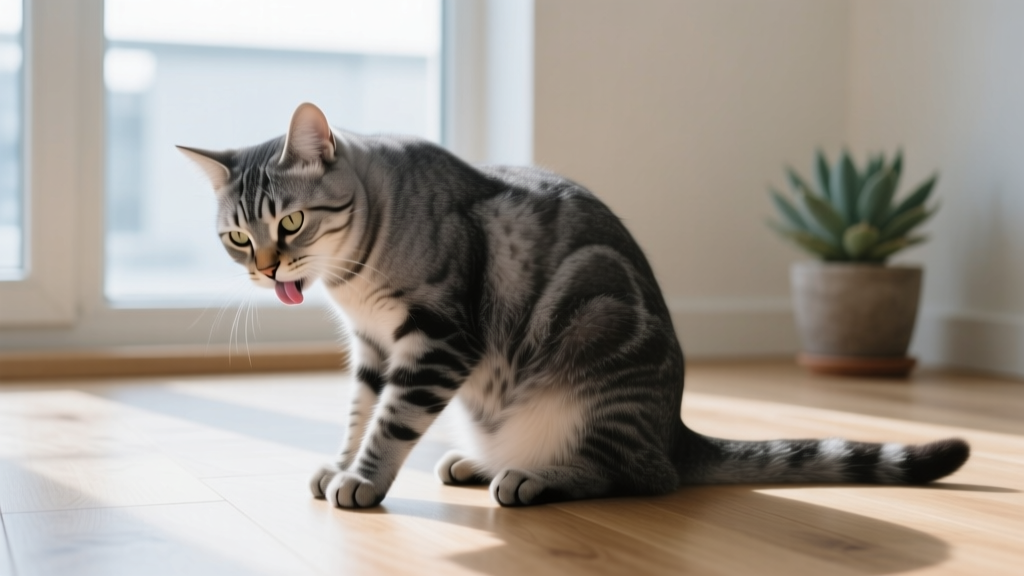
- Vomiting or occasional regurgitation
- Decreased appetite or picky eating that’s new
- Weight loss or poor body condition over time
- Abdominal discomfort (hunched posture, less tolerance of handling)
Less common or more concerning signs
- Lethargy (lower energy than normal)
- Dehydration (tacky gums, reduced skin elasticity)
- Blood or mucus in stool (can occur with intestinal inflammation, but many other issues can cause this too)
Practical at-home checks you can do today
- Track stool quality for 7–10 days (a quick daily note is enough).
- Weigh your cat weekly if you have a baby scale (or weigh yourself holding the cat, then subtract).
- Note any hunting behavior and what your cat might have access to (frogs, rodents, etc.).
If your cat has ongoing diarrhea, repeated vomiting, or any weight loss, schedule a veterinary visit. Parasites are only one possibility, but they’re an important one to rule out.
4. Causes and risk factors
Cats become infected with Alaria by ingesting infected hosts. Alaria isn’t usually acquired from clean indoor living or from routine pet-to-pet contact.
Major risk factors
- Outdoor access, especially near ponds, marshes, ditches, or wetlands
- Hunting and eating prey (rodents, amphibians)
- Living in or traveling to endemic regions where the parasite is present in wildlife
- Young cats (kittens and adolescents) who are more likely to explore and hunt
Seasonal considerations
Exposure risk can increase during warmer months when amphibians are more active and when cats spend more time outdoors.
5. Diagnosis: What to expect at the vet
Because Alaria is less commonly discussed than roundworms or hookworms, diagnosis can require a thoughtful approach and good communication about your cat’s lifestyle.
History and physical exam
- Your veterinarian will ask about outdoor time, hunting, diet, recent travel, and other pets in the home.
- They’ll assess hydration, weight trends, abdominal comfort, and overall condition.
Fecal testing
- Fecal flotation: This common test looks for parasite eggs. Fluke eggs can be more challenging to detect than some worm eggs, and shedding may be intermittent.
- Fecal sedimentation: This technique is often better for detecting heavier eggs (including some flukes). Not every clinic runs it routinely, so it may be requested when flukes are suspected.
- Multiple samples: Your vet may recommend testing samples from different days to improve detection.
Additional tests
- Fecal PCR panels (in some regions/clinics): May help identify certain parasites and infections.
- Bloodwork: Useful if your cat is dehydrated, losing weight, or has chronic signs. It also helps rule out other causes.
- Imaging (X-rays/ultrasound): Considered if symptoms are severe, persistent, or if foreign body ingestion is possible.
How you can help your vet
- Bring a fresh stool sample (ideally within a few hours, or refrigerated if needed).
- Write down when symptoms started and how often they occur.
- Be honest about hunting—this information helps target testing and treatment.
6. Treatment options (medical, surgical, home care)
Treatment depends on your cat’s symptoms, overall health, and what testing shows. Always follow your veterinarian’s instructions—parasite medications are dose-sensitive in cats.
Medical treatment
- Prescription antiparasitic medication: Flukes typically require specific dewormers that target trematodes (not all routine dewormers do). Your veterinarian will choose the right medication and dose for your cat.
- Supportive care: If your cat has vomiting or diarrhea, your vet may prescribe:
- Anti-nausea medication
- Probiotics or GI-support products
- Fluids (subcutaneous or IV) if dehydrated
- A bland or prescription gastrointestinal diet for a short period
Surgical treatment
Surgery is not typical for Alaria infections. If imaging suggests an obstruction, mass, or another condition unrelated to the parasite, surgery may be considered for that underlying issue.
Home care during recovery
- Give medications exactly as prescribed, and don’t stop early even if stools improve.
- Keep fresh water available; encourage drinking with fountains or multiple bowls.
- Feed small, frequent meals if your vet recommends it, especially after vomiting.
- Monitor litter box habits daily and note stool consistency and frequency.
- Limit hunting opportunities during treatment to reduce reinfection risk.
Follow-up
Your veterinarian may recommend a repeat fecal test after treatment, especially if symptoms persist or if initial testing was unclear. If diarrhea continues, additional diagnostics may be needed—cats can have more than one issue at once (parasites plus food sensitivity, stress colitis, inflammatory bowel disease, etc.).
7. Prevention strategies and early detection tips
Preventing Alaria exposure is mostly about reducing hunting and contact with intermediate hosts, plus maintaining a strong parasite control plan with your veterinarian.
Actionable prevention steps
- Keep cats indoors or provide supervised outdoor time (catio, leash/harness, secure enclosure).
- Discourage hunting:
- Increase indoor enrichment (puzzle feeders, wand toys, structured play sessions)
- Feed consistent meals so your cat isn’t roaming hungry
- Avoid access to amphibians (frogs/tadpoles) and wetland areas if your cat goes outdoors.
- Use veterinarian-recommended parasite control year-round. Tell your vet your cat hunts so they can tailor parasite prevention.
- Routine fecal exams:
- At least annually for many adult cats
- More often for outdoor cats, hunters, or cats with prior parasite history
Early detection tips
- Don’t ignore “mild” long-term soft stool—chronic low-grade diarrhea is still a medical issue.
- Weigh your cat monthly; subtle weight loss is often the first sign of a lingering GI problem.
- Schedule a vet visit sooner if your cat is a hunter and develops new GI signs.
8. Prognosis and quality of life considerations
Most cats do very well once properly diagnosed and treated. The prognosis is generally good when:
- The infection is identified early
- The correct antiparasitic medication is used
- Dehydration and nutritional needs are addressed
- Re-exposure (hunting/ingesting prey) is reduced
Quality of life
Cats with untreated intestinal parasites may feel chronically unwell—low appetite, tummy discomfort, and inconsistent stools can affect energy and mood. After treatment, many owners notice their cat becomes more playful, eats better, and has more predictable litter box habits.
If your cat has repeated infections or ongoing diarrhea after treatment, ask your veterinarian about follow-up testing and broader GI workups. Persistent signs don’t mean you did anything wrong; they just signal that more information is needed.
9. When to seek emergency veterinary care
Alaria itself usually causes gastrointestinal signs that can be handled with a scheduled appointment, but any cat with significant GI upset can worsen quickly due to dehydration or an unrelated emergency.
Seek urgent or emergency care if you notice:
- Repeated vomiting (especially if your cat can’t keep water down)
- Severe lethargy or collapse
- Signs of dehydration (very tacky gums, weakness, sunken eyes)
- Bloody diarrhea that is large in volume, frequent, or accompanied by weakness
- Straining without producing stool, or a painful, distended abdomen (possible obstruction)
- Refusal to eat for 24 hours (or 12 hours for kittens)
If you’re unsure whether it’s an emergency, call your veterinarian or an emergency clinic. It’s always appropriate to ask.
10. FAQ: Common questions about Alaria in cats
Can indoor cats get Alaria?
It’s uncommon, but not impossible. Indoor cats are at much lower risk because they usually don’t eat frogs, tadpoles, or wild prey. Risk increases if an indoor cat occasionally escapes outside, hunts in an enclosed yard, or is fed raw prey/game. If your indoor cat has GI signs, your vet may still recommend fecal testing because many different parasites can cause similar symptoms.
Is Alaria contagious from cat to cat?
Direct cat-to-cat spread is not the typical route. Alaria has a complex life cycle that involves snails and amphibians (and sometimes prey animals that carry larval stages). That said, fecal contamination can spread other parasites, so good litter box hygiene and routine parasite screening remain important for multi-cat households.
Will a routine dewormer take care of Alaria?
Not always. Many common dewormers focus on roundworms and hookworms and may not reliably treat trematodes (flukes). Your veterinarian will choose a medication that targets the suspected parasite based on risk factors and test results.
How can I reduce my cat’s risk if they insist on going outdoors?
- Use a catio or leash/harness to prevent hunting.
- Increase play and enrichment so your cat has an outlet for prey drive.
- Keep your cat away from ponds/wetlands where amphibians live.
- Stick with a vet-recommended parasite prevention plan and schedule routine fecal checks.
What should I bring to the vet appointment?
Bring a fresh stool sample (or one refrigerated in a sealed container), a list of symptoms with dates, and any details about hunting or prey exposure. If you can, take a quick photo of abnormal stool or vomit—gross, yes, but often helpful.
Can Alaria affect people?
Some Alaria species have been associated with illness in people in certain circumstances, generally tied to ingesting undercooked frog legs or other unusual exposure routes rather than casual pet contact. For everyday pet ownership, the practical approach is good hygiene: wash hands after scooping litter, keep kids away from litter boxes, and maintain regular veterinary care for your cat.
If your cat has diarrhea or vomiting, schedule a veterinary exam and follow your clinic’s guidance for testing and treatment. With the right care, most cats bounce back well and return to normal routines.
For more caring, practical cat health guidance, visit catloversbase.com and explore our growing library of feline wellness resources.