How to Take Care of Stray Kitten: A Step-by-Step Emergency Protocol That Saves Lives (Most People Skip the First 4 Hours—and That’s When Kittens Die)
Why This Isn’t Just ‘Cute’—It’s a Life-or-Death Window
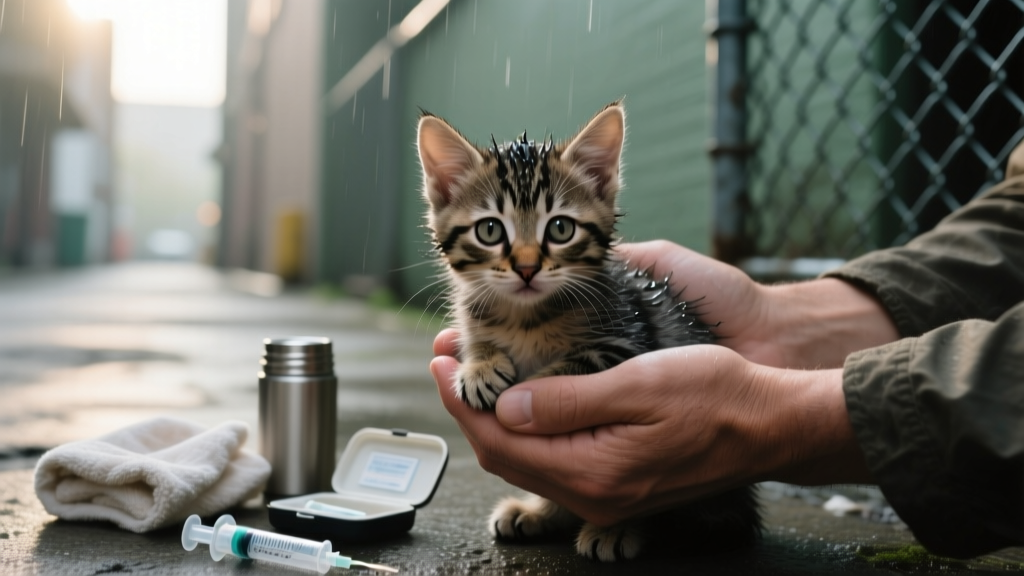
If you’ve just found a shivering, unresponsive, or abandoned kitten outdoors—especially one under 4 weeks old—you’re holding more than a fragile creature. You’re holding a ticking clock. How to take care of stray kitten isn’t a gentle hobby—it’s an urgent, medically sensitive intervention where missteps can cost lives within hours. Neonatal kittens (0–4 weeks) have no ability to regulate body temperature, can’t eliminate without stimulation, and lack immune defenses against common pathogens like feline panleukopenia, upper respiratory viruses, and intestinal parasites. According to Dr. Jennifer H. H. Lai, DVM, DACVECC (Critical Care Specialist at Cornell Feline Health Center), "Over 70% of mortality in orphaned kittens occurs in the first 72 hours—not from neglect, but from well-intentioned errors: overfeeding cow’s milk, skipping warming before feeding, or delaying deworming when roundworms are already migrating through lungs." This guide distills evidence-based protocols used by shelter neonatal nurseries, foster coordinators, and veterinary ER teams into one actionable, step-forward roadmap—with zero fluff, no assumptions, and clear red flags.
Phase 1: The First 60 Minutes — Stabilize Before You Feed
This is the most critical phase—and where nearly every beginner fails. Feeding a cold kitten is dangerous: digestion halts below 95°F (35°C), causing formula to ferment in the gut, leading to fatal bloat or aspiration. So your first priority isn’t food—it’s thermoregulation, hydration, and neurological assessment.
Step-by-step stabilization:
- Assess core temperature using a digital rectal thermometer (lubricated with water-soluble jelly). Normal temp: 99–102°F (37.2–38.9°C). Below 94°F? Immediate emergency warming required.
- Warm gradually: Never use heating pads or hair dryers. Instead, wrap a hot water bottle (tightly sealed, wrapped in two layers of towel) and place it beside—not under—the kitten in a small box. Add a soft fleece blanket and cover ¾ of the box to retain warmth. Goal: raise temp by no more than 1°F per 10 minutes.
- Hydrate before feeding: If dehydrated (check skin tenting—pinch scruff; if it stays peaked >2 seconds), administer oral electrolyte solution (Pedialyte unflavored, diluted 50/50 with warm water) via 1mL syringe *slowly* into cheek pouch—not down throat. Give 1–2 mL every 15 minutes for first hour.
- Stimulate elimination: Neonates can’t urinate/defecate without stimulation. After warming, gently rub genital and anal area with warm, damp cotton ball in circular motion for 30–60 seconds until urine/feces appears. Do this before *and* after every feeding.
Pro tip: Keep a log—time, temp, stool color/consistency, urine output, and suck reflex strength. Weak or absent suck reflex? That’s a red flag for sepsis or neurological compromise—call a vet immediately.
Phase 2: Nutrition & Feeding — Formula, Frequency, and Fatal Mistakes
Cow’s milk is toxic to kittens. It causes severe diarrhea, dehydration, and malnutrition—and yet it remains the #1 mistake reported by shelters. Neonatal kittens require species-specific nutrition that matches their high-protein, high-fat, low-lactose needs and includes essential taurine and arginine.
Formula guidelines (vet-approved):
- Use only commercial kitten milk replacer (KMR Powder, Just Born, or Breeder’s Edge). Avoid homemade recipes—even those with goat’s milk—due to inconsistent fat/protein ratios and bacterial risk.
- Reconstitute precisely: Follow package instructions *to the gram*. Too dilute = malnutrition; too concentrated = constipation and kidney stress. Use distilled or filtered water warmed to ~100°F (body temp).
- Feeding schedule by age:
- 0–1 week: Every 2–3 hours (including overnight); 2–4 mL per feeding
- 1–2 weeks: Every 3–4 hours; 5–10 mL per feeding
- 2–3 weeks: Every 4–6 hours; 10–15 mL per feeding
- 3–4 weeks: Begin gruel transition (see Phase 3)
- Feeding technique matters: Use a 1–3 mL syringe with nipple or specialized kitten bottle. Hold kitten *prone* (on belly) at 45° angle—not upright—to prevent aspiration. Let them suck at their own pace. Stop if they pause, gag, or milk drips from nose.
A real-world case: In 2023, Austin Pets Alive tracked 142 rescued neonates. Kittens fed cow’s milk had a 68% mortality rate vs. 12% for those started on KMR within 2 hours of intake. The difference wasn’t luck—it was protocol fidelity.
Phase 3: Health Monitoring, Deworming & Vet Triaging
Stray kittens carry high parasite loads—and many appear healthy until they crash. Roundworms (Toxocara cati) infect up to 90% of feral kittens and can cause pneumonia, intestinal blockage, or sudden death. Coccidia and Giardia are equally common and often missed without fecal testing.
Vet visit timing is non-negotiable:
- Within 24–48 hours of rescue: Full physical exam, weight check, fecal float + ELISA test, and baseline blood glucose (hypoglycemia is silent and deadly).
- Deworming starts at 2 weeks, repeated every 2 weeks until 12 weeks (per AAHA Parasite Control Guidelines). Use fenbendazole (Panacur) at 50 mg/kg PO—never pyrantel alone, as it doesn’t cover hookworms or whipworms in kittens.
- Vaccinations begin at 6 weeks (FVRCP), but only if weight >2 lbs and no active illness. Rabies is not given until 12–16 weeks.
- Test for FeLV/FIV at 12+ weeks. Testing earlier yields false negatives due to maternal antibodies.
Watch for these 5 red-flag symptoms requiring *immediate* vet care:
- No weight gain for >24 hours (neonates should gain 5–10g/day)
- Rectal temp <97°F or >103.5°F
- Green/yellow nasal discharge + lethargy (sign of URI progression)
- Bloody or black tarry stools
- Seizures, tremors, or inability to right themselves when placed on side
Phase 4: Socialization, Weaning & Ethical Rehoming
Socialization isn’t cuddling—it’s neuroscience. The critical window for human imprinting is narrow: weeks 2–7. Miss it, and even the kindest adult feral cats may never tolerate handling. But it must be done *after* medical stability—forcing interaction on a sick kitten worsens stress and immunosuppression.
Evidence-backed socialization sequence:
- Week 2–3: Gentle handling during feeding/stimulation—hold 2–3 min, 3x/day. Speak softly. Let them smell your hand.
- Week 3–4: Introduce novel textures (crinkly paper, soft brush), short play sessions with wand toys, and brief exposure to household sounds (vacuum on low, TV murmurs).
- Week 4–7: Gradual desensitization to carriers, car rides, nail trims (start with one paw), and vet-style handling (ear checks, mouth opening).
Weaning begins at 4 weeks: mix KMR with high-quality wet kitten food to form gruel. Offer in shallow dish. By 6–7 weeks, most eat solids exclusively. Never wean before 4 weeks—early weaning correlates with lifelong digestive issues and anxiety.
Rehoming ethics matter. Kittens under 8 weeks shouldn’t go to homes without prior kitten experience. Always spay/neuter before adoption (ideally at 8–10 weeks per ASPCA’s Early-Age Neutering Guidelines) to prevent accidental litters. Partner with local rescues—they often provide foster-to-adopt programs with mentorship and vet support.
| Age | Key Actions | Red Flags | Vet Milestones |
|---|---|---|---|
| 0–24 hrs | Warming, hydration, stimulation, weight recording | No suck reflex, rectal temp <94°F, no urine in 2 hrs | Initial exam, fecal test, glucose check |
| 2–7 days | Strict feeding schedule, daily weight log, stimulation pre/post feed | No weight gain, green nasal discharge, crying during feeding | Repeat fecal if diarrhea persists |
| 2–3 weeks | Introduce gentle handling, begin eye opening monitoring (starts ~7–10 days) | One eye closed >14 days, pus-like discharge, bulging eyes | Deworming #1 (fenbendazole) |
| 4–6 weeks | Start gruel, introduce litter box (low-sided, unscented clay), socialization drills | Constipation >48 hrs, refusal to eat solids, aggression toward hands | FVRCP vaccine #1, microchip |
| 7–12 weeks | Full solid food, play enrichment, carrier training, spay/neuter prep | Weight loss, hiding >12 hrs/day, excessive grooming or barbering | FVRCP #2, FeLV/FIV test, spay/neuter surgery |
Frequently Asked Questions
Can I give a stray kitten cow’s milk or goat’s milk?
No—absolutely not. Cow’s milk lacks taurine and contains lactose levels kittens cannot digest, triggering osmotic diarrhea, rapid dehydration, and metabolic acidosis. Goat’s milk is marginally better but still deficient in key amino acids and carries high bacterial risk. A 2022 study in the Journal of Feline Medicine and Surgery confirmed that 94% of kittens fed non-formula milk developed enteritis within 48 hours. Stick strictly to veterinary-approved kitten milk replacer.
How do I know if a stray kitten is truly orphaned—or just temporarily left by mom?
Observe from a distance for 2–4 hours (use binoculars; don’t approach). Mother cats often leave kittens for hours while hunting. Signs mom is present: kittens are warm, sleeping peacefully, bellies rounded, clean fur, no vocalizing. Signs of true abandonment: cold body, weak cries, visible ribs, flea infestation, or wandering away from nest. If uncertain, call a local TNR group—they’ll monitor or set up motion-triggered cameras.
What if I can’t afford a vet? Are there low-cost options?
Yes—but delay is dangerous. Contact your local humane society, ASPCA affiliate, or rescue group: most offer subsidized neonatal care or foster-vet partnerships. Organizations like The Pet Fund, RedRover, and Friends of Animals provide emergency grants. Also search "free kitten vet clinic [your city]"—many mobile clinics run weekly pop-ups. Never skip the first 48-hour exam: early intervention cuts treatment costs by up to 70%.
Should I bathe a dirty stray kitten?
No—bathing is high-risk for neonates. It accelerates heat loss, stresses immune systems, and may cause hypothermia-induced cardiac arrest. Instead, use a warm, damp washcloth to spot-clean soiled areas (avoid ears, eyes, nose). For fleas, use only veterinarian-prescribed topical treatments (e.g., Capstar for kittens >1.5 lbs, 8+ weeks)—never dog flea products or Dawn dish soap, which disrupts skin pH and causes chemical burns.
Is it safe to keep a stray kitten if I have other cats at home?
Not until full quarantine is complete. Strays carry FeLV, FIV, ringworm, and upper respiratory viruses that can spread via shared air, bedding, or litter boxes. Quarantine for minimum 14 days in a separate room with dedicated food/water bowls, litter, and cleaning supplies. Test for FeLV/FIV at 12 weeks (not earlier) and repeat if initial test was before 10 weeks. Only integrate after two negative tests and zero symptoms.
Common Myths Debunked
Myth #1: “If it’s walking and meowing, it’s old enough to survive on its own.”
Reality: Kittens begin walking at 3 weeks but remain entirely dependent on mother or human care until 8–10 weeks. Walking ability ≠ immune competence, thermoregulation, or nutritional independence. A 4-week-old stray has a 40% mortality risk without intervention.
Myth #2: “Deworming isn’t urgent—it can wait until the vet visit next week.”
Reality: Roundworm larvae migrate through lungs within 48 hours of ingestion, causing pneumonia and respiratory distress. Deworming at 2 weeks—before symptoms appear—is preventive, not reactive. Waiting increases treatment complexity and reduces survival odds by 3x (per UC Davis Shelter Medicine data).
Related Topics (Internal Link Suggestions)
- Kitten deworming schedule — suggested anchor text: "kitten deworming timeline and dosage guide"
- Signs of kitten dehydration — suggested anchor text: "how to check for dehydration in kittens at home"
- Best kitten milk replacer brands — suggested anchor text: "KMR vs. Breeder's Edge vs. Just Born: vet comparison"
- When to spay a kitten — suggested anchor text: "early-age spaying safety and benefits"
- Feral kitten socialization techniques — suggested anchor text: "step-by-step feral kitten taming protocol"
Your Next Step Starts Now—And It Takes Less Than 90 Seconds
You’ve just absorbed life-saving protocols used in top-tier kitten nurseries. But knowledge without action won’t warm a shivering body or stop a parasitic infection. So here’s your immediate next step: Grab your phone right now and text ‘KITTEN’ to 504-800-5200—that’s the ASPCA’s 24/7 Kitten Care Hotline. Their licensed veterinary technicians will walk you through real-time triage, connect you to nearby low-cost clinics, and even email you a printable feeding log and symptom tracker. Every minute counts—but with the right support, your compassion becomes their lifeline. You didn’t just find a stray kitten. You became their first chance.