Feline Mesocestoides: Peritoneal Tapeworm Infection
1. Introduction: Why this topic matters to cat owners
Most cat owners have heard of “tapeworms” and think of an intestinal parasite that’s annoying but fairly straightforward to treat. Mesocestoides infections can be different. In some cats, this tapeworm doesn’t stay limited to the intestines. It can end up in the abdominal cavity (the space around the organs), leading to a condition called peritoneal cestodiasis—a peritoneal tapeworm infection. While not the most common feline parasite problem, it can cause significant illness, abdominal swelling, discomfort, and recurring fluid buildup.
Knowing the warning signs, how cats are exposed, and what veterinary care typically involves helps you act early. Early evaluation often means simpler treatment, better comfort, and a better long-term outcome for your cat.
2. Overview: What is Mesocestoides peritoneal infection?
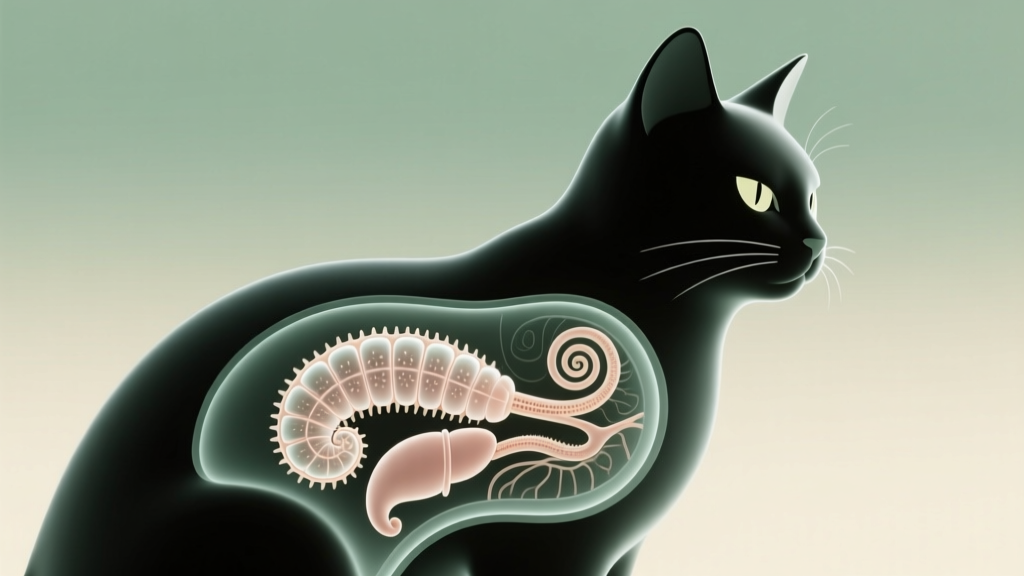
Mesocestoides is a genus of tapeworms. Tapeworms usually live as adult worms in the intestines of a “final host” (often carnivores). They pass segments/eggs in stool and continue their life cycle through other animals.
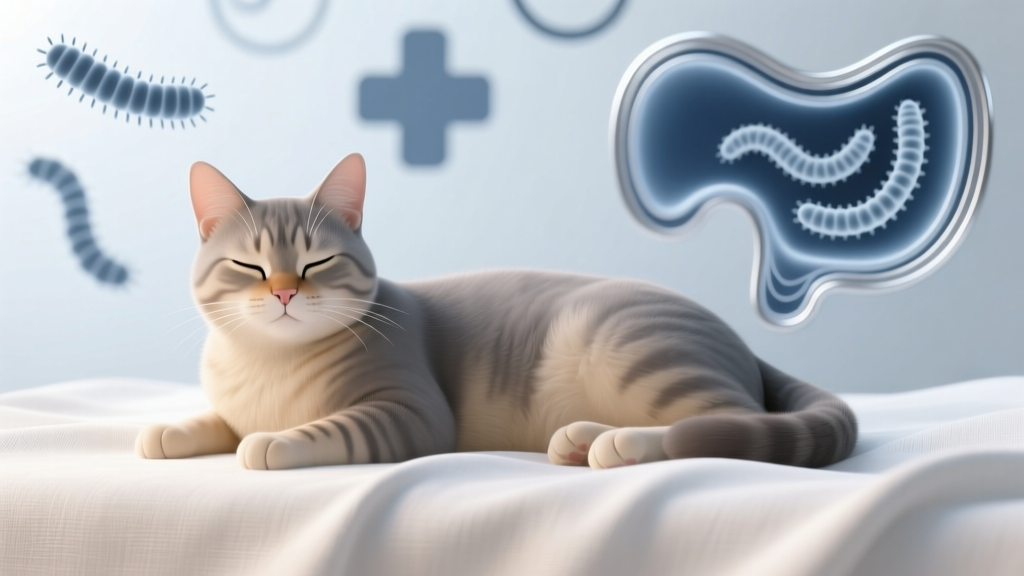
What makes Mesocestoides unique is that one of its larval stages—often called a tetrathyridium—can sometimes end up outside the intestines. In affected cats, these larvae may establish themselves in the peritoneal cavity (the abdominal space), where they can multiply. This can trigger inflammation and lead to:
- Abdominal effusion (fluid buildup in the abdomen)
- Abdominal distension (“pot-bellied” appearance)
- Discomfort and reduced appetite
- Chronic or recurring illness if not fully cleared
Some cats may also have intestinal Mesocestoides at the same time, but the more serious concern is when larvae are in the abdomen, because treatment can be more involved and relapses are possible.
3. Symptoms and warning signs to watch for
Signs can vary from subtle to severe, and they may develop gradually. Contact your veterinarian if you notice any of the following, especially if your cat hunts or goes outdoors.
Common signs
- Swollen abdomen or increasing belly size over days to weeks
- Decreased appetite or picky eating that persists
- Weight loss despite a larger-looking abdomen
- Lethargy or reduced interest in play
- Vomiting or occasional nausea
- Diarrhea (not always present)
Signs that can suggest abdominal fluid or discomfort
- Reluctance to jump or guarding the belly
- Hiding more than usual
- Faster breathing (especially when resting) if the belly is very distended
- Gums that look pale (less common, but concerning)
What you can check at home (without stressing your cat)
- Monitor appetite and water intake daily for a week if you’re worried.
- Weigh your cat weekly on a baby scale or household scale (weigh yourself, then weigh yourself holding the cat).
- Note any rapid belly enlargement or visible discomfort when lying down.
4. Causes and risk factors
Cats become infected through exposure to parts of the Mesocestoides life cycle in the environment. The exact pathway can be complex, but the biggest practical risk factor is predation.
Risk factors
- Outdoor access (even part-time)
- Hunting behavior (rodents, reptiles, amphibians, birds)
- Living in rural/suburban areas where wildlife is common
- Multi-pet households where pets share outdoor spaces (risk varies)
- Previous tapeworm infections or inconsistent parasite prevention
How infection may happen
A cat may ingest an intermediate host (or a prey animal that has eaten an intermediate host) carrying larval stages. In many tapeworm infections, larvae mature in the intestine. In peritoneal Mesocestoides infection, larvae can end up outside the intestines and establish within the abdominal cavity.
From a cat owner standpoint, the key takeaway is this: cats that hunt are at higher risk, and unusual abdominal swelling should always be checked by a veterinarian.
5. Diagnosis: Methods and what to expect at the vet
Because belly swelling and abdominal fluid can come from many causes (heart disease, liver disease, cancer, infection, low protein, etc.), your veterinarian will approach this as a careful diagnostic workup. Try to bring notes about appetite changes, vomiting/diarrhea, outdoor access, hunting, and any recent deworming.
Common diagnostic steps
- Physical exam: your vet will palpate the abdomen, check hydration, gum color, heart/lung sounds, and body condition.
- Baseline lab work:
- CBC (checks anemia, inflammation/infection patterns)
- Chemistry panel (liver/kidney values, proteins)
- Urinalysis (overall health and hydration assessment)
- Imaging:
- Abdominal ultrasound is often the most helpful to confirm fluid, evaluate organs, and sometimes visualize abnormal tissue or structures.
- X-rays may show abdominal fluid (organs look less distinct) and help rule out other issues.
- Abdominocentesis (sampling abdominal fluid): a sterile needle is used to collect fluid for analysis. This helps determine if fluid is inflammatory, infectious, cancer-associated, low-protein, etc.
- Fluid analysis and cytology: under the microscope, the lab may see inflammatory cells and, in some cases, tapeworm larval forms or clues that point toward parasitic infection.
- Fecal testing: fecal flotation or other tests may detect intestinal tapeworm evidence, though fecal tests can be negative even when abdominal infection is present.
What it feels like for your cat
Most cats tolerate imaging well. Fluid sampling is usually quick; some cats do fine with gentle restraint, while others do better with light sedation to minimize stress. Your veterinary team will focus on comfort and safety.
6. Treatment options: medical, surgical, and home care
Treatment plans vary based on how sick the cat is, how much fluid is present, and whether there are visible parasites or masses in the abdomen. Management often involves a combination of antiparasitic medication, supportive care, and sometimes surgery.
Medical treatment
- Antiparasitic therapy: Your veterinarian will select a deworming medication and schedule based on current evidence, your cat’s condition, and response to treatment. Mesocestoides peritoneal infections can require longer or repeated courses than typical tapeworm infections.
- Anti-inflammatory or pain control medications: if your cat is uncomfortable, your vet may prescribe appropriate analgesics. Never give human pain medications.
- Antibiotics: not always needed, but may be prescribed if there’s concern for secondary bacterial infection or if diagnostic results suggest it.
Fluid management
- Therapeutic abdominocentesis: if abdominal fluid is causing discomfort or breathing effort, removing some fluid can provide fast relief. Fluid may recur, so this can be part of ongoing management while treatment takes effect.
- Hospitalization: some cats need IV fluids, nausea control, appetite support, or oxygen if they are significantly compromised.
Surgical options
Surgery is not required for every case, but it may be recommended when:
- There are large numbers of larvae or cyst-like structures visible on imaging
- There is a need to obtain tissue samples for diagnosis
- Medical therapy alone isn’t controlling the problem or fluid keeps recurring
Surgical exploration can allow removal of as many parasites and inflammatory materials as possible and can improve comfort, but it doesn’t always guarantee a cure on its own. Follow-up medication is often still needed.
Home care (what you can do immediately)
- Give medications exactly as prescribed, and don’t stop early even if your cat seems better.
- Track daily appetite and litter box habits. Write it down—it helps your vet adjust the plan.
- Encourage eating with warmed wet food, smaller frequent meals, and a calm feeding space (only use appetite stimulants if prescribed).
- Limit strenuous activity if your cat’s abdomen is distended or tender.
- Schedule rechecks promptly; follow-up imaging or fluid checks may be necessary.
7. Prevention strategies and early detection tips
Prevention focuses on reducing exposure and catching illness early.
Practical prevention
- Keep cats indoors or use a secure catio/leash walks to reduce hunting.
- Reduce access to prey: keep trash secured, don’t leave pet food outdoors, and address rodent issues safely (avoid poisons that can harm pets and wildlife).
- Use vet-recommended parasite control: ask your veterinarian what’s appropriate for your region and your cat’s lifestyle.
- Regular wellness exams: even healthy-seeming outdoor cats benefit from routine checkups and fecal testing schedules.
Early detection tips
- Pay attention to gradual belly enlargement—it’s easy to miss under fluff.
- Weigh your cat monthly; slow weight loss is often an early clue.
- Don’t assume a “round belly” is normal—especially if appetite drops or energy changes.
8. Prognosis and quality of life considerations
The outlook depends on how advanced the disease is, how much inflammation or fluid is present, and how well the infection responds to therapy. Many cats improve significantly with appropriate treatment, but some cases can be stubborn and require multiple rounds of medication, repeat fluid removal, or additional diagnostics.
Quality of life markers to monitor
- Comfort when resting and being picked up
- Normal breathing rate and effort at rest
- Steady appetite and hydration
- Energy level and engagement with family
- Stable body weight
If your cat is improving—eating better, acting brighter, belly size decreasing, needing fewer vet visits for fluid—those are encouraging signs. If relapses occur, your veterinarian can reassess and adjust the plan rather than assuming treatment has “failed.”
9. When to seek emergency veterinary care
Contact an emergency veterinarian right away if you notice:
- Labored breathing, open-mouth breathing, or rapid breathing at rest
- Sudden, severe abdominal swelling or obvious pain (crying, inability to get comfortable)
- Collapse, extreme weakness, or unresponsiveness
- Pale or white gums
- Persistent vomiting (especially if your cat cannot keep water down)
- Not eating for 24 hours (sooner for kittens or cats with other medical issues)
These signs don’t confirm Mesocestoides specifically, but they do indicate your cat needs prompt medical attention.
10. FAQ: Common questions from cat owners
Is Mesocestoides contagious to other pets or to people?
Direct contagion from cat to human is considered unlikely in everyday household contact, but the parasite’s life cycle can involve intermediate hosts in the environment. Other pets that hunt or have similar exposure risks could be vulnerable. Use good hygiene (wash hands after litter box cleaning) and talk with your veterinarian about appropriate parasite control for all pets in the home.
Will I see worms in my cat’s poop if the infection is in the abdomen?
Not necessarily. Abdominal (peritoneal) infection involves larval stages outside the intestines. Some cats may also have intestinal tapeworms, but many owners never see visible segments. That’s why imaging and fluid analysis can be so important.
Can my cat recover fully?
Many cats respond well with the right combination of treatment and monitoring. Some cases require longer therapy or repeat visits due to recurring abdominal fluid. Your veterinarian can give the most accurate prognosis based on your cat’s test results, ultrasound findings, and treatment response.
How can I tell if my cat’s belly is “fat” versus fluid?
It’s hard to tell at home. Fluid-related swelling can look like a round, tight abdomen and may develop faster than typical weight gain. Cats with fluid may also have decreased appetite, lethargy, or breathing changes. Any unexplained abdominal enlargement should be evaluated by a veterinarian.
What should I do before my vet appointment?
- Take photos of your cat’s abdomen (side view) to document changes.
- Write down the timeline of symptoms, appetite changes, and any vomiting/diarrhea.
- Note hunting behavior, outdoor access, and recent deworming/parasite prevention.
- Bring a fresh stool sample if you can (your clinic can advise on how to collect and store it).
Does routine deworming prevent this?
Some standard deworming protocols target common intestinal parasites, but Mesocestoides peritoneal infection can be more complicated than routine intestinal tapeworms. Don’t self-treat with over-the-counter products—work with your veterinarian to choose the right medication and dosing schedule for your cat’s situation and your local parasite risks.
If you’re worried your cat may be showing signs of abdominal fluid, weight loss, or ongoing digestive upset, scheduling a veterinary exam is the safest next step. With timely care, many cats can get comfortable again and return to their normal routines.
For more trustworthy, cat-owner-friendly health guides and wellness tips, visit catloversbase.com.