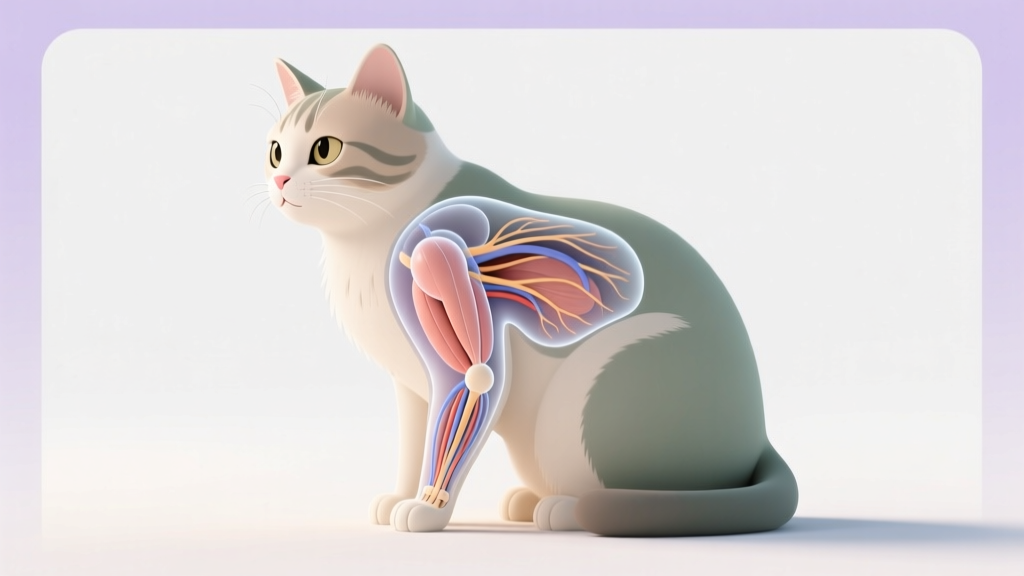
Cat Brachial Plexus Tumor: Front Limb Nerve Mass
1) Why this topic matters to cat owners
If your cat suddenly starts limping, “knuckling” over on a front paw, or crying when their shoulder is touched, it’s natural to worry about a sprain or arthritis. Sometimes, though, front-limb weakness and pain can come from a problem deeper than bones and joints—specifically, the nerves that control the leg. A brachial plexus tumor is one possible (though uncommon) cause of progressive front-limb nerve problems in cats. Understanding the warning signs helps you seek veterinary care early, relieve discomfort faster, and make informed choices if advanced treatment is needed.
This condition can be emotionally challenging because nerve tumors may progress slowly at first and then cause noticeable disability. The good news is that supportive care, pain management, and (in select cases) surgery or radiation can improve comfort and function. Early evaluation also helps rule out other treatable issues that can look similar.
2) Overview: what a brachial plexus tumor is (plain-language explanation)
The brachial plexus is a network of nerves located near the lower neck and shoulder. These nerves branch off the spinal cord and control:
- Movement of the front leg (shoulder, elbow, wrist, paw)
- Sensation (feeling) in the limb
- Some reflexes and muscle tone
A brachial plexus tumor is a growth that develops in or around these nerves. You may also hear terms like:
- Peripheral nerve sheath tumor (PNST)
- Schwannoma or neurofibroma
- Front limb nerve mass
These tumors can be benign or malignant, but even “benign” nerve tumors can cause serious problems because they compress, invade, or disrupt nerve function. As the nerve signal weakens, the muscles of the limb may lose strength and shrink (atrophy), and abnormal sensations can become painful.
In cats, these tumors are considered uncommon, and signs can overlap with orthopedic injuries, arthritis, blood clots, or spinal problems. That’s why a veterinary exam and targeted testing are so valuable.
3) Symptoms and warning signs to watch for
Signs often develop gradually and may affect one front limb more than the other. Some cats show pain first; others show weakness first. Contact your veterinarian if you notice any of the following:
Early or subtle signs
- Intermittent lameness in one front leg
- Reluctance to jump or climb, especially onto higher surfaces
- Changes in grooming (less grooming due to pain or difficulty holding posture)
- Shoulder sensitivity—pulling away, growling, or flinching when touched
- Shifting weight to the other three limbs
More obvious nerve-related signs
- Weakness in the limb; the cat may stumble or seem “wobbly” in the front end
- Knuckling (walking on the top of the paw) or dragging toes
- Reduced sensation—the paw may not react normally to touch
- Muscle wasting of the shoulder or upper limb over weeks to months
- Lameness that doesn’t improve with rest or typical arthritis care
Pain or behavior changes
- Hiding, decreased interaction, irritability
- Reduced appetite or eating less due to chronic pain
- Vocalizing when moving or being picked up
- Sleep changes (restlessness, difficulty settling)
Practical tip now: If you suspect weakness, gently observe your cat walking on a non-slip surface. Look for toe scuffing, a paw that flips over, or a shortened stride on one side. Record a short video to show your vet—videos are extremely helpful for diagnosing gait issues.
4) Causes and risk factors
For many cats, the exact cause of a brachial plexus tumor isn’t known. Tumors arise when cells associated with nerves begin to grow abnormally. Factors that may be associated include:
- Age: Middle-aged to older cats are more commonly affected, though it can occur at various ages.
- Genetics and cell changes: Random DNA changes over time may contribute, as with many cancers.
- Prior injury or inflammation: Not proven as a direct cause, but chronic irritation in tissues can sometimes be associated with abnormal growth in general.
Most cat owners do nothing “wrong” to cause this. The more helpful focus is early recognition of persistent lameness or nerve deficits so treatment and comfort measures can begin sooner.
5) Diagnosis: what to expect at the vet
Because front-limb lameness is common and nerve tumors are relatively rare, your veterinarian will first work through the most likely causes and then narrow the diagnosis.
Step-by-step evaluation
- History: When signs started, whether they’re worsening, any falls/trauma, changes in appetite or behavior, indoor/outdoor status.
- Physical exam: Checking for pain, swelling, range of motion, and muscle symmetry.
- Neurologic exam: Testing reflexes, paw placement, and sensation to identify which nerves may be affected.
Common diagnostic tests
- X-rays (radiographs): Helpful to rule out fractures, severe arthritis, or bone tumors. Nerve tumors may not show clearly on X-rays unless there’s secondary change.
- Advanced imaging (often recommended):
- MRI is often the best tool for viewing nerves, soft tissues, and tumor extent.
- CT scan can also be useful, especially for evaluating surrounding structures.
- Chest imaging: X-rays or CT of the chest may be recommended to screen for spread (metastasis), depending on suspected tumor type.
- Fine needle aspirate or biopsy: Sampling can be challenging with nerve-associated masses and may require referral. A biopsy provides the most definitive diagnosis but is not always possible or recommended if it risks worsening nerve damage.
- Bloodwork/urinalysis: Not diagnostic for the tumor itself, but important for assessing overall health and anesthesia safety.
What to bring to your appointment: Videos of walking/jumping, a list of current medications/supplements, and notes about when pain is worst (morning, after play, after jumping).
6) Treatment options (medical, surgical, home care)
Treatment depends on tumor type, location, how advanced the nerve damage is, and your cat’s overall health. Your veterinarian may recommend referral to a veterinary neurologist, surgeon, or oncologist.
Medical management (pain control and function support)
For many cats, especially when surgery isn’t feasible, the goal is comfort and preserving mobility as long as possible.
- Pain medications: Nerve pain often responds best to specific medications (for example, gabapentin) combined with other pain relievers as appropriate.
- Anti-inflammatory therapy: Your vet may prescribe medications to reduce inflammation and discomfort.
- Activity modification: Prevent slips and overexertion; short, gentle play sessions may be better than intense bursts.
Do not give human pain medications (like ibuprofen, naproxen, or acetaminophen) unless your veterinarian specifically instructs you—these can be toxic to cats.
Surgery
Surgical options vary widely based on tumor location. Because the brachial plexus is a dense network of nerves near critical structures, complete removal can be difficult.
- Tumor excision: Possible in select cases, especially if the tumor is more localized.
- Limb amputation: In some cases, amputation may be recommended for pain relief when the tumor involves nerves extensively. While this sounds overwhelming, many cats adapt well to three legs if they are otherwise healthy.
Radiation therapy
Radiation may be recommended to shrink the tumor, slow progression, and reduce pain, especially when surgery can’t fully remove the mass. Treatment plans typically involve multiple sessions under light anesthesia or sedation, depending on the protocol.
Chemotherapy
Chemotherapy is not always used for peripheral nerve sheath tumors, but it may be considered depending on biopsy results, tumor behavior, and whether there’s evidence of spread. Your veterinary oncologist can explain realistic goals and likely side effects.
Home care you can start right away (with vet guidance)
- Create non-slip pathways: Use rugs or yoga mats on slick floors to prevent falls.
- Set up a “single-level” living space: Food, water, litter box, and a bed on the same floor to reduce jumping.
- Use a low-entry litter box: Easier access if the front leg is weak or painful.
- Assist safely: Avoid lifting by the armpits/under the front legs if painful. Support the chest and hindquarters evenly.
- Track progress: Keep a weekly note of appetite, grooming, mobility, and comfort. Small changes matter.
7) Prevention strategies and early detection tips
There’s no guaranteed way to prevent a brachial plexus tumor, but early detection can make a meaningful difference in comfort and options.
- Schedule routine wellness exams: At least yearly for adult cats, and every 6 months for senior cats.
- Don’t ignore persistent limping: Any limp lasting more than 24–48 hours, or recurring over weeks, deserves a veterinary visit.
- Watch for muscle asymmetry: Compare shoulder muscles and upper forelimbs; noticeable shrinking on one side is a red flag.
- Keep a mobility baseline: Note normal jumping ability and play habits so changes stand out sooner.
- Maintain a healthy body weight: Excess weight increases strain on joints and can mask early signs of weakness until the problem is advanced.
8) Prognosis and quality of life considerations
Prognosis depends on:
- Tumor type (benign vs. malignant and how aggressive it is)
- Extent of nerve involvement and whether the mass can be removed or controlled
- Response to pain control and/or radiation
- Overall health and any other age-related conditions
Some cats do well for a meaningful period with good pain control and supportive care. Others experience progressive weakness and discomfort that becomes harder to manage over time. Quality of life is the guiding principle. Signs that comfort may be declining include persistent hiding, reduced appetite, difficulty getting to the litter box, repeated falls, or pain that breaks through medications.
Practical quality-of-life check: Once a week, rate your cat’s (1) appetite, (2) mobility, (3) grooming/interaction, and (4) pain signs on a simple 1–5 scale. Bring this log to recheck visits so treatment can be adjusted promptly.
9) When to seek emergency veterinary care
Many cases progress gradually, but urgent evaluation is needed if you see:
- Sudden inability to use the front limb or a rapidly worsening limp
- Severe, uncontrolled pain (crying, open-mouth breathing from distress, inability to rest)
- A cold paw, pale paw pads, or sudden swelling (could indicate a circulation problem)
- Trauma (fall, hit by car) with new front-limb weakness
- Not eating for 24 hours or signs of dehydration
- Labored breathing or extreme lethargy
If you’re unsure whether it’s an emergency, call your veterinarian or an emergency clinic for guidance. It’s always appropriate to seek professional help when your cat’s mobility or comfort changes.
10) FAQ: common questions from cat owners
Can a brachial plexus tumor be mistaken for arthritis or an injury?
Yes. Early signs often look like a sprain, shoulder pain, or arthritis—especially if your cat is older. The difference is that nerve-related problems tend to cause progressive weakness, knuckling, reduced sensation, and muscle wasting. A veterinary exam (including a neurologic assessment) helps distinguish these causes.
Is a brachial plexus tumor always cancer?
Not always. Some nerve tumors are benign, but even benign tumors can cause serious symptoms because they interfere with nerve function. Only diagnostic testing (often advanced imaging and sometimes biopsy) can clarify tumor type.
Will my cat be in pain?
Many cats with nerve involvement experience discomfort or nerve pain, but pain control options are available. Work closely with your veterinarian—pain management often requires adjustments over time, and cats typically feel better when nerve pain is treated proactively.
Can cats do well after front leg amputation?
Many cats adapt very well to three legs, especially if they’re otherwise healthy and not significantly overweight. The main goal is relief from pain and improved daily comfort. Your vet can help you evaluate whether your cat is a good candidate and what home setup changes will help.
How is this different from brachial plexus avulsion (nerve injury)?
Brachial plexus avulsion is usually caused by trauma (like a fall or accident) and often has a sudden onset. A tumor typically causes gradual, progressive signs. Both can look similar on the surface, so imaging and neurologic testing are important.
What can I do today while waiting for my appointment?
- Limit jumping and create a single-level resting area.
- Add traction with rugs/mats on slippery floors.
- Record videos of walking and any knuckling or toe dragging.
- Do not give human pain meds.
- Monitor appetite and litter box use, and call your vet promptly if either declines.
Front-limb nerve problems can be scary, but you don’t have to figure it out alone. If you notice persistent limping, weakness, or sensitivity in your cat’s shoulder or front leg, schedule a veterinary visit for a thorough exam and guidance on next steps. For more caring, practical cat health resources, visit catloversbase.com.