Cat Upper Respiratory Infection Nebulization Therapy
1. Introduction: Why This Matters to Cat Owners
Upper respiratory infections (URIs) are among the most common reasons cats visit the veterinarian—especially kittens, shelter cats, and multi-cat households. A stuffy nose might sound minor, but in cats it can quickly affect appetite, hydration, and breathing comfort. When congestion gets thick and sticky, some cats struggle to smell food, drink enough water, or sleep well.
Nebulization therapy is a supportive treatment many veterinarians recommend for certain URI cases. It doesn’t “cure” the infection by itself, but it can make breathing easier, loosen mucus, and improve comfort while the cat’s body heals and other medications do their work. If your cat is sniffling, mouth-breathing, or congested, understanding nebulization can help you feel more confident and prepared to support recovery at home—always in coordination with your veterinarian.
2. Overview: What Is a Cat Upper Respiratory Infection (URI)?
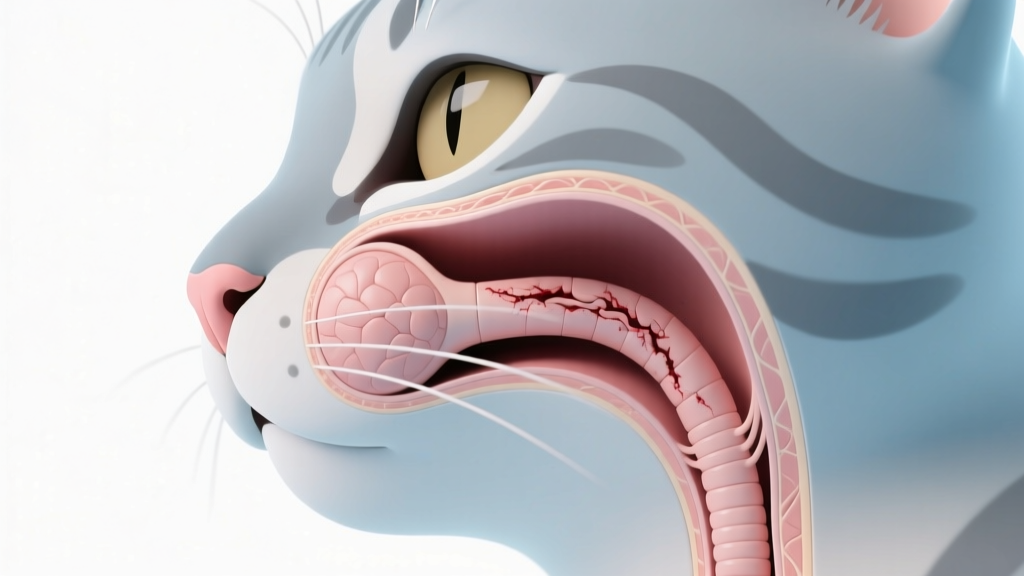
A feline upper respiratory infection affects the upper airways: the nose, sinuses, throat (pharynx), and sometimes the eyes. Think of it as the cat version of a bad “cold,” but cats can become much more uncomfortable because they rely heavily on smell to eat and because their nasal passages can clog with thick secretions.
Most feline URIs are caused by viruses, with bacteria sometimes contributing as secondary infections. The two most common viral culprits are:
- Feline herpesvirus-1 (FHV-1): often causes significant nasal congestion, sneezing, and watery-to-thick eye discharge; it can flare up again later in life during stress.
- Feline calicivirus (FCV): can cause oral ulcers, drooling, and respiratory signs; severity varies widely.
Secondary bacterial infections (such as Bordetella or Chlamydia felis) can worsen discharge and prolong illness. In some cats—especially those with chronic herpesvirus—URI signs can become recurring or long-lasting.
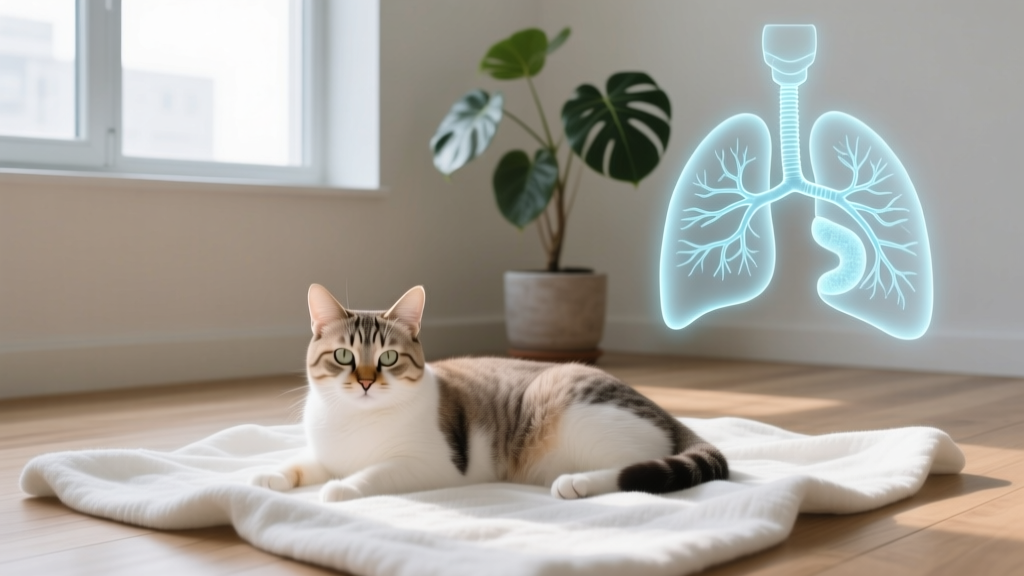
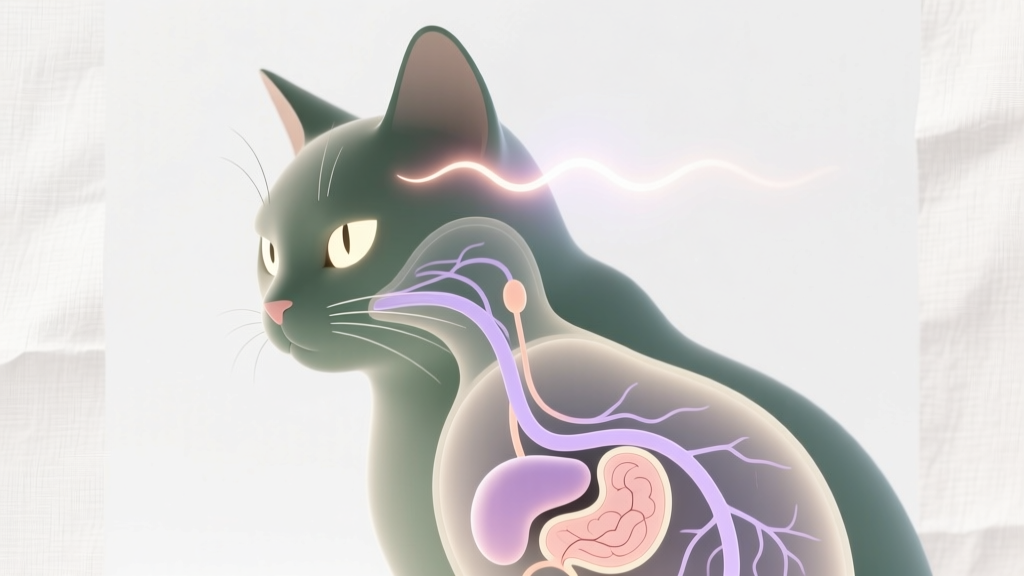
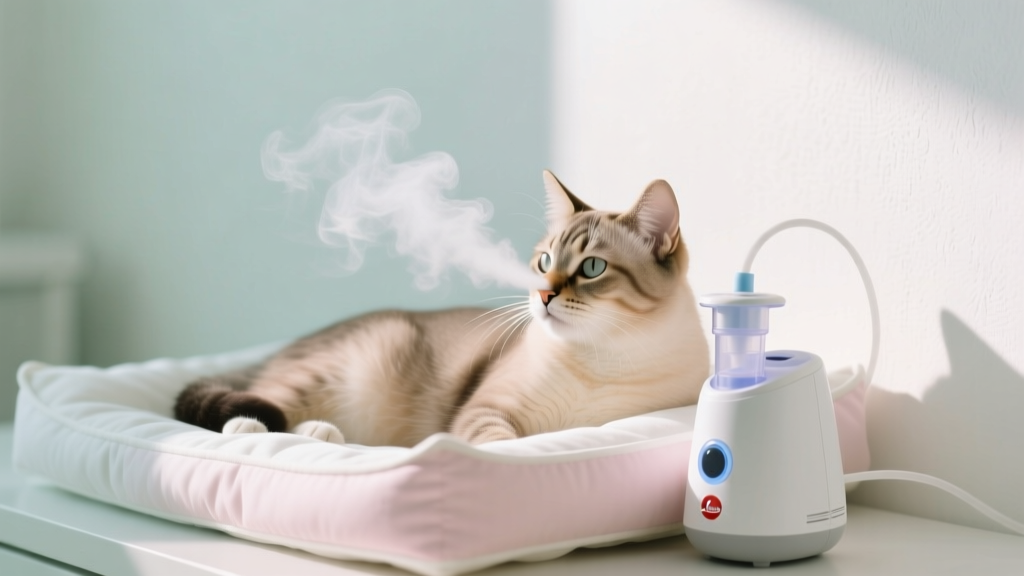
Where nebulization fits in: Nebulization delivers a fine mist of saline (and sometimes veterinarian-prescribed medications) that the cat breathes in. The goal is to hydrate and loosen nasal and airway secretions so they can be cleared more easily. This is similar in concept to using humidified air for human congestion, but nebulization produces smaller droplets that can be more effective at moistening the airways.
3. Symptoms and Warning Signs to Watch For
URI symptoms can range from mild sniffles to significant congestion and lethargy. Contact your veterinarian if you notice any of the following, especially if symptoms last more than 24–48 hours or worsen quickly:
- Sneezing and nasal congestion
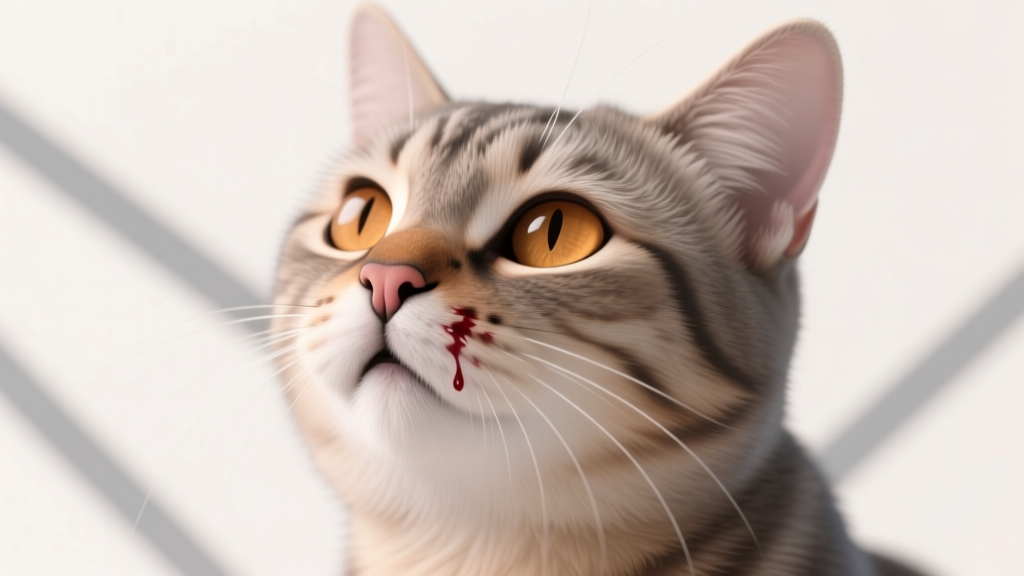
- Nasal discharge (clear, cloudy, yellow/green, or crusting around nostrils)
- Eye discharge, squinting, red eyes, or swollen eyelids
- Coughing (less common with “upper” infections, but can occur)
- Noisy breathing from a blocked nose
- Mouth breathing (often indicates significant nasal obstruction or distress)
- Loss of appetite or reluctance to eat (often because they can’t smell food)
- Lethargy or hiding more than usual
- Fever (not always obvious at home)
- Drooling or bad breath (can occur with calicivirus-related mouth ulcers)
Practical at-home check: Watch your cat’s breathing at rest. Cats should breathe quietly and comfortably. Rapid, labored, or open-mouth breathing warrants veterinary guidance right away.
4. Causes and Risk Factors
URIs spread easily through respiratory droplets and contaminated surfaces. Cats can catch them through direct contact (nose-to-nose) or shared items like bowls, bedding, carriers, and human hands.
Common causes:
- Viral infection (FHV-1, FCV)
- Secondary bacterial infection complicating a viral illness
- Environmental irritation (smoke, strong fragrances, dusty litter) worsening symptoms
Risk factors:
- Kittens (immature immune systems)
- Unvaccinated or under-vaccinated cats
- Shelter, rescue, boarding, or multi-cat homes (higher exposure)
- Stress (moving, new pets, household changes) triggering herpesvirus flare-ups
- Underlying disease (dental disease, chronic rhinitis, asthma, heart disease, immune compromise)
5. Diagnosis Methods and What to Expect at the Vet
Your veterinarian will start with a thorough history and physical exam. Be ready to describe:
- How long symptoms have been present and whether they’re worsening
- Appetite and water intake changes
- Any eye involvement (squinting, thick discharge)
- Vaccination status and exposure to other cats
Common diagnostic steps:
- Physical exam: listening to the chest, checking hydration, temperature, eyes, nose, mouth
- Oral exam: looking for ulcers, dental disease, or foreign material
- Fluorescein eye stain: if squinting or eye pain suggests a corneal ulcer (common with herpesvirus)
- Testing for infectious agents: PCR swabs can identify specific viruses/bacteria in some cases, especially recurrent or severe illness
- Chest X-rays: if there’s coughing, abnormal lung sounds, or concern the infection has moved to the lower airways
- Bloodwork: if your cat is very ill, dehydrated, or not eating
If your veterinarian recommends nebulization, they’ll explain whether it will be done in-clinic, at home, or both—and whether plain saline or medicated nebulization is appropriate.
6. Treatment Options (Medical, Surgical, Home Care)
URI treatment is tailored to your cat’s symptoms, underlying health, and the suspected cause. Many cases are managed with supportive care; others require prescription medications.
Medical treatments your veterinarian may prescribe
- Antibiotics: used when bacterial infection is suspected (fever, thick colored discharge, worsening after several days) or when your vet identifies a specific bacterial cause. Antibiotics don’t treat viruses, but they can help secondary infections.
- Antiviral therapy: in select herpesvirus cases, your vet may consider antiviral medications or topical eye antivirals if the eyes are involved.
- Eye medications: lubricants, antibiotic drops/ointments, or antivirals depending on exam findings. Never use leftover human eye drops unless your vet directs you.
- Appetite support: anti-nausea meds, appetite stimulants, or assisted feeding guidance if intake is poor.
- Fluids: subcutaneous or IV fluids for dehydration, especially if your cat isn’t drinking.
- Pain relief: if mouth ulcers or discomfort are present. Use only cat-safe prescriptions; many human pain relievers are dangerous to cats.
Nebulization therapy: what it is and how it helps
Nebulization uses a nebulizer machine to turn liquid (commonly sterile saline) into a mist that your cat breathes. Benefits can include:
- Loosening thick mucus so it’s easier to clear
- Moistening nasal passages for improved comfort
- Supporting airway clearance when combined with gentle coupage (chest percussion) under veterinary guidance
Types of nebulization:
- Saline nebulization: commonly used for hydration of secretions; often the first choice.
- Medicated nebulization: only when prescribed by a veterinarian. Specific medications and doses matter, and some drugs are not safe to nebulize without proper supervision.
At-home nebulization: practical, step-by-step guidance
Your veterinary team should confirm the exact setup and duration for your cat. Many owners use a “nebulizer chamber” approach with a carrier or small crate.
- Use a calm, enclosed space: A cat carrier works well. Covering it lightly with a towel can help keep the mist in and reduce stress.
- Use only what your vet recommends: Usually sterile saline. Avoid essential oils, menthol, or vapor rubs—these can irritate airways and some are toxic to cats.
- Keep sessions short and consistent: Many cats tolerate brief sessions better than long ones. Your vet will advise the schedule (often several minutes, 1–2+ times daily depending on severity).
- Monitor comfort: Stop if your cat panics, drools excessively, or seems more distressed. Stress can worsen breathing and reduce the benefit.
- Clean the equipment: Follow manufacturer instructions to prevent bacterial contamination in the tubing/mask/chamber.
Other home care that helps right away
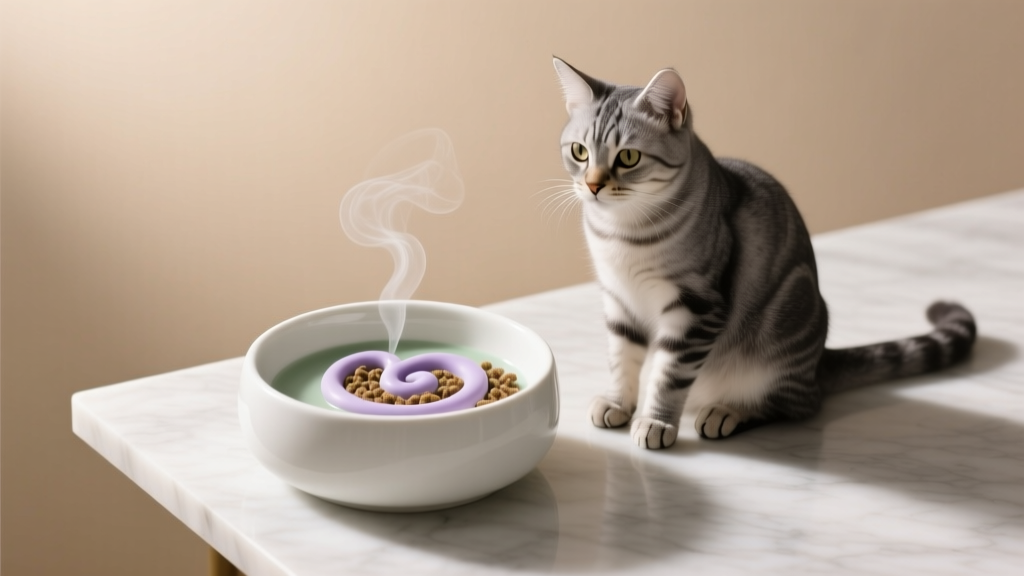
- Boost smell and appetite: Offer warm, aromatic wet food (gently warmed, not hot). Tuna water (no onion/garlic), low-sodium broth, or vet-approved toppers can help.
- Hydration support: Provide fresh water, consider a fountain, and offer wet food. Ask your vet about electrolyte solutions if intake is low.
- Gentle nose/eye cleaning: Use a warm, damp cotton pad to soften crusts. Wipe away from the eyes/nose with a clean pad each time.
- Humidity: A humidifier can help, especially overnight. Some cats also benefit from sitting in a steamy bathroom for a few minutes (supervised), though nebulization is more targeted.
- Reduce irritants: Avoid smoke, aerosols, strong cleaners, dusty litter, and scented candles.
- Keep them warm and resting: Sick cats burn energy quickly. Provide a quiet room and cozy bedding.
Surgical or procedural options (less common)
Most URIs don’t require surgery. Procedures may be considered if your vet suspects a complicating issue such as:
- Nasal foreign body (e.g., grass awn)
- Severe dental disease contributing to chronic nasal infection
- Nasal polyps or masses
In those situations, imaging (X-rays/CT) and procedures like rhinoscopy may be recommended.
7. Prevention Strategies and Early Detection Tips
Prevention focuses on lowering exposure, supporting immunity, and catching illness early.
- Keep vaccines current: Vaccines don’t always prevent infection completely, but they often reduce severity and complications.
- Quarantine new cats: Separate new arrivals for 10–14 days when possible, and schedule a vet visit before introductions.
- Hygiene in multi-cat homes: Wash hands between cats when one is ill; clean shared bowls, bedding, and litter areas.
- Reduce stress: Stable routines, safe hiding spaces, and slow introductions can reduce herpesvirus flare-ups.
- Address early signs promptly: If your cat starts sneezing with discharge, book a veterinary check sooner rather than later—early support can prevent appetite loss and dehydration.
Immediate action checklist:
- Start tracking appetite, water intake, and bathroom habits daily
- Take a short video of breathing/noise to show your vet
- Switch to wet food and warm it slightly to increase aroma
- Set up a humidifier in the resting room (if available)
- Call your vet for guidance before starting any medication or supplements
8. Prognosis and Quality of Life Considerations
Most otherwise healthy cats recover well from uncomplicated URIs within 7–14 days, though mild sneezing can linger longer. Kittens, seniors, and cats with chronic conditions may need closer monitoring and longer treatment.
With herpesvirus, some cats experience recurrent flare-ups throughout life, often triggered by stress. These cats can still have an excellent quality of life with good preventive care, prompt treatment during flares, and supportive therapies like humidification or nebulization when recommended.
Nebulization can improve day-to-day comfort during illness by reducing congestion and helping your cat breathe and smell better—often making them more willing to eat and interact.
9. When to Seek Emergency Veterinary Care
Seek urgent veterinary care (same day or emergency clinic) if you notice any of the following:
- Open-mouth breathing, pronounced effort to breathe, or blue/gray gums
- Very fast breathing at rest or breathing that looks labored (heaving chest/abdomen)
- Not eating for 24 hours (or significantly reduced intake, especially in kittens)
- Signs of dehydration (very tacky gums, profound lethargy, sunken eyes)
- High fever suspected (very warm ears/body plus lethargy) or sudden collapse/weakness
- Eye pain or sudden squinting (corneal ulcers can worsen quickly)
- Suspected aspiration (coughing/choking episodes followed by breathing difficulty)
If you’re unsure, call your veterinary clinic or an emergency hospital for triage advice. It’s always better to ask early than to wait while your cat becomes weaker.
10. FAQ: Cat URI Nebulization Therapy
How does nebulization help a cat with a URI?
Nebulization adds moisture directly to the air your cat breathes, which can thin and loosen mucus in the nose and upper airways. This may reduce congestion, improve comfort, and make it easier for your cat to breathe and smell food.
Can I nebulize my cat with just water or steam?
Use only what your veterinarian recommends. Sterile saline is commonly used because it’s gentle and predictable. Plain tap water can contain impurities, and steam can be too hot or stressful if not carefully controlled. Avoid essential oils or menthol products entirely, as they can irritate airways and may be unsafe for cats.
Do I need a prescription for nebulization therapy?
For saline-only nebulization, you may not need a prescription, but you still should get veterinary guidance on whether it’s appropriate and how to do it safely. For any medicated nebulization, you absolutely need a veterinarian’s prescription and dosing instructions.
My cat hates the nebulizer—what can I do?
Many cats tolerate nebulization better if sessions are short, quiet, and paired with comfort strategies:
- Use a carrier they already feel safe in
- Cover the carrier partially with a towel to reduce noise/light
- Offer a high-value treat afterward (if your cat is eating)
- Ask your vet if a different setup or schedule would help
If your cat becomes very stressed, stop and call your veterinarian. Stress can worsen breathing and undermine the benefit.
Will antibiotics cure my cat’s URI?
Antibiotics treat bacteria, not viruses. Many URIs start as viral infections, so antibiotics may not be needed right away. Your veterinarian may prescribe antibiotics if they suspect a secondary bacterial infection or if symptoms are severe or prolonged.
How can I tell if my cat is getting better?
Positive signs include improved appetite, better energy, less nasal/eye discharge, quieter breathing, and normal hydration. Your cat should gradually return to normal routines. If symptoms stall, worsen, or your cat stops eating, contact your veterinarian promptly.
If your cat is showing URI signs, nebulization can be a gentle, effective supportive tool when used correctly—but it works best as part of a veterinary-guided treatment plan. For more practical cat health guides, supportive care tips, and wellness resources, visit catloversbase.com.