Feline Yersinia: Plague Bacteria in Outdoor Cats
1. Introduction: Why This Topic Matters for Cat Owners
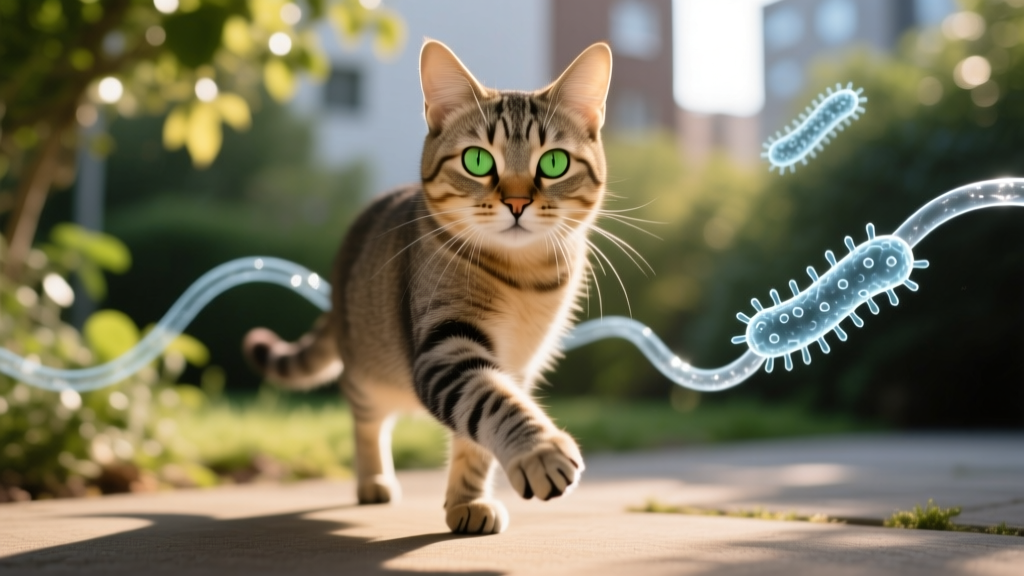
If your cat goes outdoors—or even if they spend time on a screened porch, in a barn, or around wildlife—there’s a small but real chance they could encounter bacteria from the Yersinia family. One species, Yersinia pestis, is the bacteria that causes plague. While plague is uncommon, it still appears in certain regions, especially where rodents and fleas thrive.
This matters for two big reasons:
- Cats can become seriously ill, and early treatment makes a major difference.
- Some forms can pose a risk to people and other pets, particularly if a cat develops a pneumonic (lung) form or has draining abscesses.
The goal isn’t to scare you—it’s to help you recognize risk, reduce exposure, and know when to contact your veterinarian.
2. Overview: What Is Feline Yersinia and How Does Plague Affect Cats?
Yersinia is a group of bacteria. In cats, the most concerning is Yersinia pestis (plague). Cats can also be infected by other Yersinia species in rare cases, but when people say “feline Yersinia” in a plague context, they’re usually referring to Y. pestis.
How cats get infected: Most commonly through:
- Flea bites after fleas feed on infected wild rodents
- Hunting or scavenging infected animals (mice, rats, squirrels, rabbits, prairie dogs, and similar species depending on region)
- Contact with infected tissues (bites, scratches, or exposure to fluids from an infected animal)
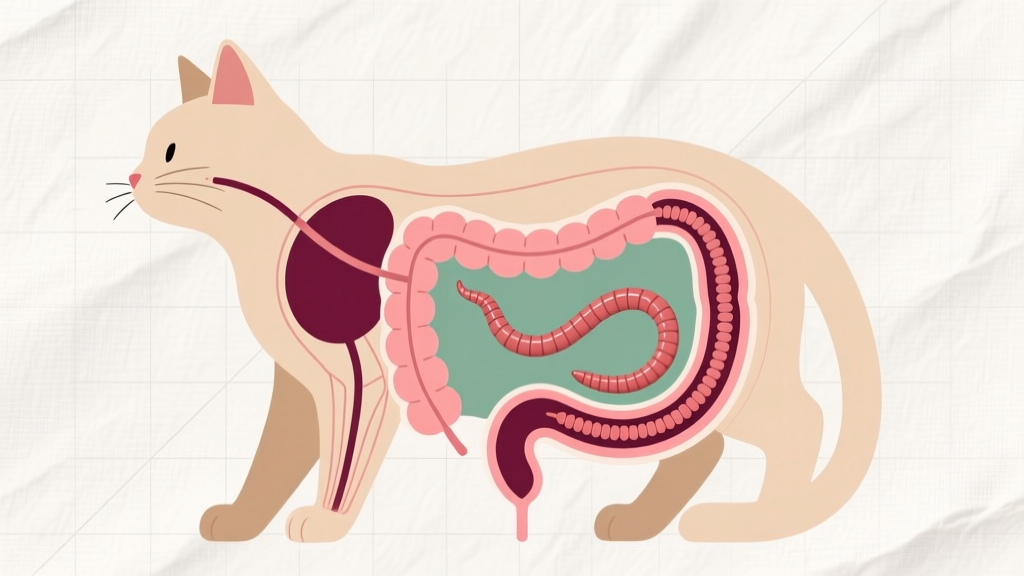
Once inside the body, the bacteria can spread to lymph nodes, the bloodstream, or the lungs. Cats tend to be more susceptible than dogs, and they may carry infected fleas into the home.
Main forms of plague seen in cats:
- Bubonic plague: infection concentrates in lymph nodes, causing painful swelling (often under the jaw/neck region).
- Septicemic plague: infection spreads through the bloodstream; can cause severe illness quickly.
- Pneumonic plague: infection involves the lungs; this is the form most concerning for transmission via respiratory droplets.
3. Symptoms and Warning Signs to Watch For
Plague symptoms can look like many other infections at first. Outdoor cats may hide illness until they feel quite unwell. Contact your veterinarian promptly if you notice any of the following, especially if your cat hunts or you live in a region where plague occurs.
Common signs in cats:
- Fever (often with lethargy and “not acting right”)
- Loss of appetite
- Swollen, painful lymph nodes (often under the jaw, around the neck, or in the groin)
- Abscesses or draining wounds, especially near the head and neck
- Dehydration
- Weakness or reluctance to move
Signs that may suggest lung involvement (more urgent):
- Coughing
- Difficulty breathing or rapid breathing
- Nasal discharge
- Open-mouth breathing
Red flags for severe systemic illness:
- Pale gums or very dark red gums
- Collapse
- Cold extremities (ears/paws feel cool)
- Vomiting or diarrhea (can occur with many illnesses, including severe infections)
4. Causes and Risk Factors
Plague is closely tied to wildlife and flea cycles. Cats are most at risk when their lifestyle overlaps with rodents, rabbits, and fleas.
Major risk factors:
- Outdoor access (especially roaming, hunting, or barn life)
- Flea exposure (inconsistent flea prevention is a big one)
- Living in or traveling to endemic regions (your veterinarian will know if your area is considered higher risk)
- Bringing prey into the home (dead or dying rodents/rabbits)
- Contact with sick wildlife or areas with unexplained rodent die-offs
- Multi-cat households where one outdoor cat may expose indoor cats via fleas
Seasonality: In many regions, risk increases during warmer months when fleas are active, but cases can occur any time conditions support flea populations.
5. Diagnosis: What to Expect at the Vet
If your veterinarian suspects plague or another serious bacterial infection, they will focus on two priorities: stabilizing your cat and identifying the cause quickly and safely.
Common diagnostic steps:
- Physical exam with careful assessment of lymph nodes, hydration, temperature, and breathing
- Bloodwork (CBC/chemistry) to evaluate infection, organ function, and hydration status
- Sampling swollen lymph nodes or abscesses:
- Fine needle aspirate (FNA) for cytology (looking at cells/bacteria under a microscope)
- Culture/PCR testing when available to identify the organism
- Chest X-rays if coughing or breathing changes are present
- Flea evaluation and discussion of hunting/exposure history
Important safety note: If plague is a possibility, the clinic may use specific infection-control procedures. This is a normal precaution to protect your cat, your family, and veterinary staff. Follow the clinic’s instructions closely, including how to transport your cat and whether you should wait in your car on arrival.
6. Treatment Options (Medical, Surgical, Home Care)
Plague is treatable, especially when caught early. Treatment depends on how sick the cat is and what form of the disease is suspected.
Medical treatment:
- Antibiotics are the cornerstone of therapy. Your veterinarian will choose based on suspected organism, severity, and local guidance. Early treatment greatly improves outcomes.
- Supportive care may include:
- IV fluids for dehydration and shock support
- Anti-nausea medications if needed
- Pain relief (chosen carefully by your vet)
- Oxygen therapy for cats with respiratory involvement
- Flea treatment for the cat and sometimes other pets in the household (vet-directed products only)
Surgical/procedural care:
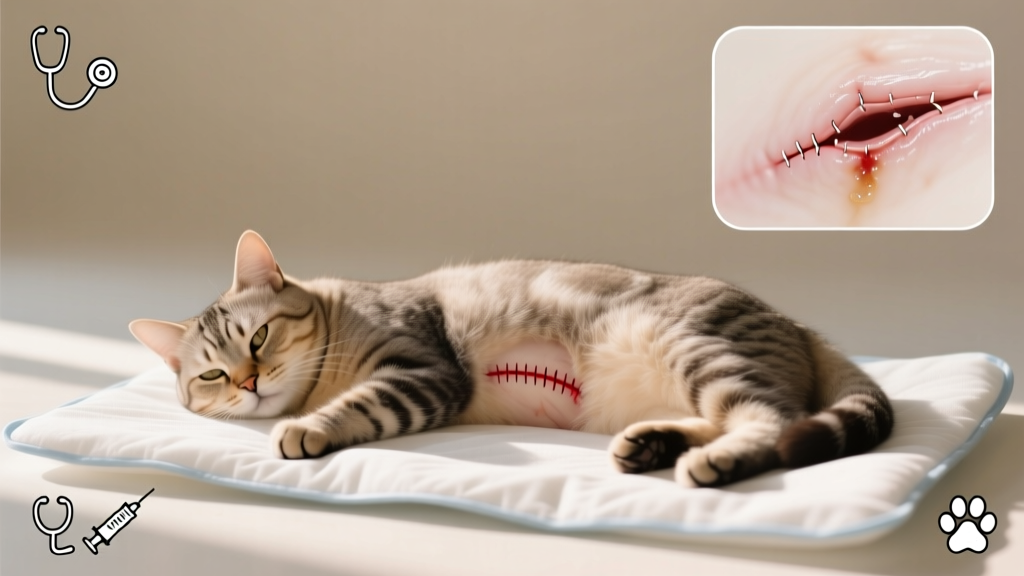
- Abscess management may involve clipping/cleaning, flushing, and drainage. Some abscesses need a drain or more extensive wound care.
- Hospitalization is often recommended for moderate to severe cases, especially if the cat is dehydrated, weak, or having breathing problems.
Home care (only under veterinary guidance):
- Give all medications exactly as prescribed and finish the full course.
- Limit contact as advised by your veterinarian, especially if there’s coughing, draining wounds, or a concern for zoonotic risk.
- Keep your cat strictly indoors during treatment and recovery.
- Monitor appetite, breathing, temperature (if taught), and energy, and report changes promptly.
Do not:
- Try to lance or drain swellings at home.
- Use leftover antibiotics or human medications.
- Skip flea control because your cat “doesn’t seem itchy.”
7. Prevention Strategies and Early Detection Tips
Most prevention is about reducing flea exposure and limiting hunting/rodent contact. These steps are practical and effective.
What you can do today:
- Use veterinarian-recommended flea prevention year-round for all cats (and often dogs) in the household.
- Keep cats indoors or provide safer outdoor options:
- Catio or enclosed run
- Leash and harness time with supervision
- Discourage hunting by keeping cats indoors at dawn/dusk and removing food sources that attract rodents.
- Rodent-proof your home and outbuildings:
- Secure trash and pet food
- Seal entry points
- Avoid handling dead rodents with bare hands
- Talk to your vet if you live in a plague-endemic area about the best flea product and any extra precautions.
Early detection habits:
- Do a quick weekly “hands-on” check: feel for lumps under the jaw/neck and in the groin, and look for wounds.
- Track appetite and litter box habits—subtle changes can be early clues.
- Bring your cat in early for fever, swelling, or sudden lethargy, especially after a known hunting episode.
8. Prognosis and Quality of Life Considerations
With prompt veterinary treatment, many cats recover well, particularly when the infection is recognized before severe bloodstream or lung involvement occurs.
Prognosis depends on:
- How early treatment begins
- Which form is present (bubonic often has a better outlook than septicemic/pneumonic)
- Overall health (age, immune status, other conditions)
- Response to antibiotics and supportive care
Quality of life during recovery: Many cats need a quiet indoor space, easy access to food/water, and follow-up visits. Some may be tired for a couple of weeks after a significant infection. Your vet may recommend rechecks to ensure lymph nodes and wounds are resolving and that appetite and hydration are back to normal.
9. When to Seek Emergency Veterinary Care
Seek urgent or emergency veterinary care the same day if your cat has any of these signs:
- Difficulty breathing, open-mouth breathing, or blue/pale gums
- Collapse, extreme weakness, or unresponsiveness
- High fever (your vet can guide you on what’s considered high for your cat)
- Rapidly enlarging painful swelling, especially under the jaw/neck
- Profuse draining wounds or facial swelling
- Not eating for 24 hours (or shorter for kittens or cats with medical conditions)
If you suspect plague due to wildlife exposure or local alerts, call the clinic before arrival. They may give you specific instructions for safe transport and check-in.
10. FAQ: Common Questions Cat Owners Ask
Can my indoor cat get plague?
It’s uncommon, but possible if an indoor cat is exposed to fleas brought in on people, other pets, or rodents that enter the home. Consistent flea prevention and rodent-proofing greatly reduce the risk.
Can humans catch plague from cats?
Yes, although it’s rare. Risk is higher if a cat has pneumonic plague (coughing/respiratory signs) or draining abscesses, or if infected fleas are present. If your cat is being evaluated for plague, follow your veterinarian’s guidance closely and contact your healthcare provider if you develop fever or feel ill after exposure.
What should I do if my cat brings home a dead rodent or rabbit?
- Keep your cat away from the carcass.
- Use gloves (or a plastic bag as a barrier) to remove it.
- Wash hands thoroughly afterward.
- Check your cat for fleas and make sure prevention is up to date.
- Call your veterinarian if your cat develops fever, lethargy, swelling, or wounds in the following days.
Is plague the same as a regular cat abscess from a bite?
Not necessarily. Cat bite abscesses are common and usually caused by typical skin bacteria. Plague can also cause swellings and abscess-like lesions, particularly around lymph nodes. Because they can look similar early on, any painful swelling with fever—especially in an outdoor hunter—should be assessed by a veterinarian.
Will my cat need to be isolated at home?
Your veterinarian may recommend limited contact, especially if there’s coughing or draining wounds. Isolation guidance varies by case and local public health recommendations. Don’t make isolation decisions on your own—ask your vet what’s appropriate for your situation and household.
What’s the best prevention: flea control or keeping cats indoors?
Both matter. If you can only change one thing immediately, start consistent, vet-recommended flea prevention today. Long-term, keeping cats indoors (or in a secure catio) significantly lowers exposure to infected prey and fleas.
If your cat is outdoors, hunts, or has unexplained fever and swelling, your veterinarian is your best partner for fast, effective care. For more supportive, practical cat health guidance, visit catloversbase.com for additional resources and articles tailored to caring cat owners.