Why Does a Cat Change Eating Behavior? (2026)
When Your Cat Stops Eating—or Starts Gorging—It’s Not Just About Food
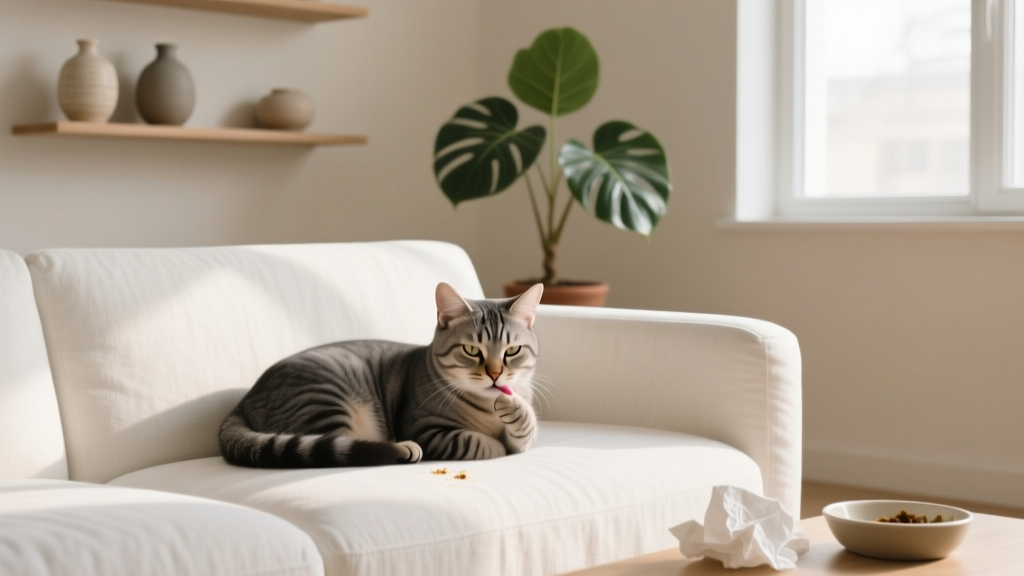
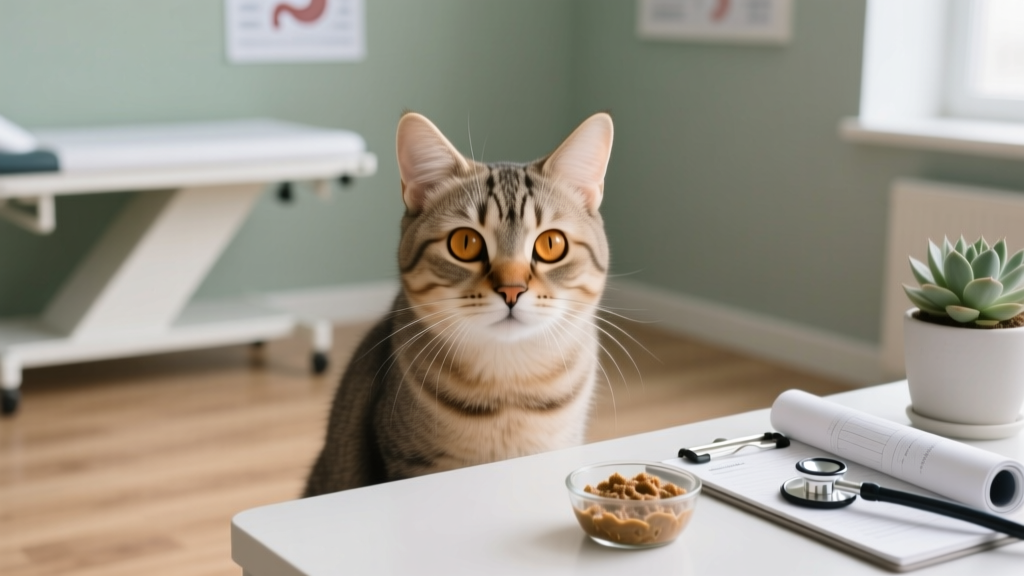
Have you ever paused mid-pour of kibble, wondering why does a cat change eating behavior? Maybe your once-ravenous 3-year-old tabby now sniffs her bowl and walks away—or your senior cat, who barely touched food for months, suddenly devours two meals in one sitting. These aren’t quirks. They’re physiological signals. And according to the American Association of Feline Practitioners (AAFP), a sustained change in eating behavior—whether decreased intake, increased hunger, altered food preferences, or outright refusal—is among the top three clinical signs prompting veterinary evaluation in cats over age 1. Unlike dogs or humans, cats mask illness masterfully; appetite shifts are often the *only* visible clue before symptoms escalate.
1. Medical Causes: The Silent Illnesses Hiding Behind the Bowl
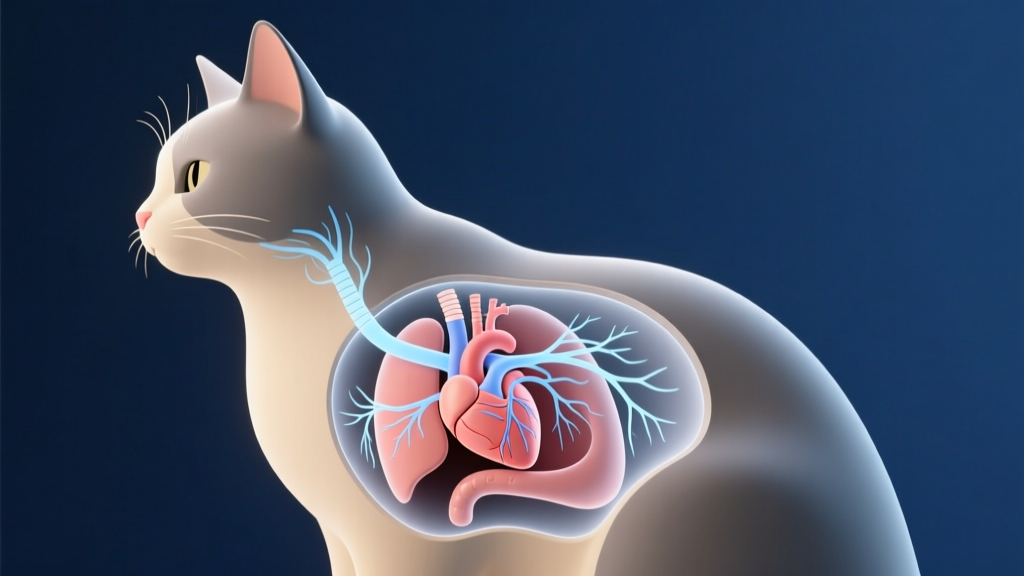
Let’s be clear: In cats aged 2+, over 70% of acute or progressive eating behavior changes stem from underlying disease—not mood, boredom, or ‘being finicky.’ Dr. Lena Torres, DVM and feline internal medicine specialist at Cornell’s Feline Health Center, emphasizes: “If your cat eats less than usual for more than 24–36 hours—or eats more without weight gain—assume it’s medical until proven otherwise.”
The most common culprits fall into four categories:
- Dental & Oral Disease: Resorptive lesions, gingivitis, oral tumors, or broken teeth cause sharp pain on chewing—especially with dry food. A cat may lick wet food but leave kibble untouched, or drop food mid-chew.
- Kidney Disease: Early-stage chronic kidney disease (CKD) often presents with subtle nausea, leading to selective eating, aversion to strong-smelling foods (like fish), or frequent water drinking followed by vomiting after meals.
- Hyperthyroidism: Classic triad: increased appetite + weight loss + restlessness. Cats may beg constantly but lose muscle mass—even while eating more. Blood tests confirm elevated T4 levels.
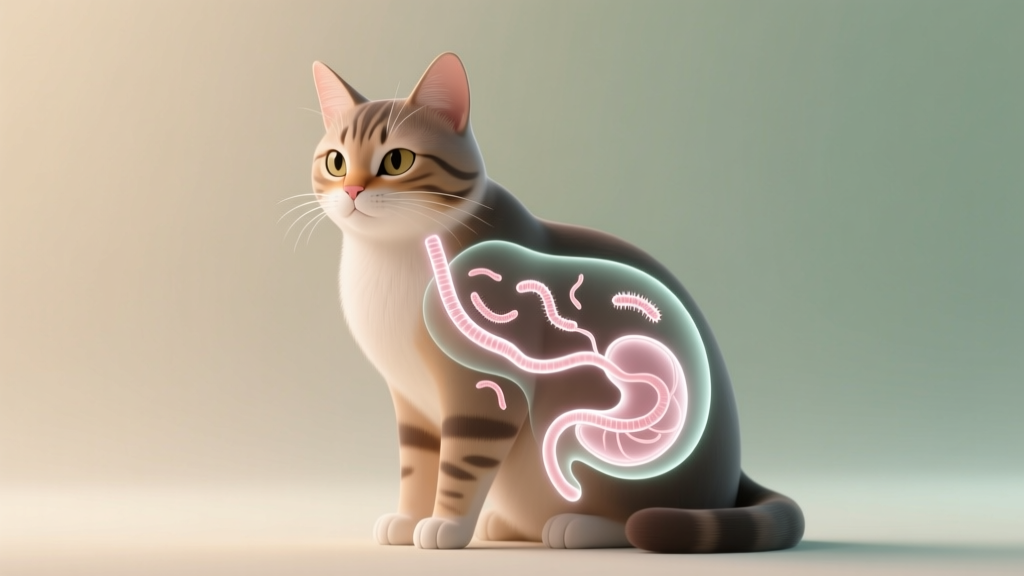
- Gastrointestinal Disorders: Inflammatory bowel disease (IBD), lymphoma, or pancreatitis cause nausea, cramping, or delayed gastric emptying. Signs include lip-licking before meals, eating small amounts then walking away, or eating grass excessively.
A 2023 study in the Journal of Feline Medicine and Surgery tracked 187 cats presenting with appetite changes: 82% received a definitive diagnosis within 72 hours of diagnostic workup—including bloodwork, urinalysis, dental exam, and abdominal ultrasound. Crucially, 31% were diagnosed with treatable conditions only because owners documented *when* and *how* the eating behavior changed—not just *that* it changed.
2. Age & Life Stage: Why a Kitten, Adult, and Senior Cat Eat Differently—And When It’s Not Normal
Yes, some eating shifts are developmental—but distinguishing natural transitions from pathological ones is critical. Kittens (under 6 months) have high metabolic demands and eat 4–6 small meals daily. Their ‘picky’ phase usually resolves by 8–12 months. Adults (1–7 years) settle into consistent patterns—if yours suddenly shifts, investigate immediately. Seniors (7+ years) face cumulative risks: diminished smell/taste receptors, arthritis making crouching painful, or cognitive decline causing confusion around feeding routines.
Here’s what’s *normal* vs. *alarming* across life stages:
| Life Stage | Typical Eating Shift | Red Flag Threshold | Vet Action Window |
|---|---|---|---|
| Kitten (0–6 mo) | Gradual transition from milk → gruel → solid food; mild preference development | Refusal of all food for >12 hrs; weight loss >5% in 48 hrs | Same-day vet visit—kittens dehydrate rapidly |
| Adult (1–7 yrs) | Stable intake; minor seasonal fluctuations (e.g., less in summer) | Consistent 20% reduction for >2 days OR unexplained 30% increase | Within 48 hours—don’t wait for ‘other symptoms’ |
| Senior (7+ yrs) | Mild decrease in appetite; preference for softer/warmer foods | Complete food refusal >24 hrs; weight loss >1 lb in 2 weeks | Same-day or next-morning appointment—early CKD/hyperthyroidism detection saves lives |
Consider Bella, a 9-year-old Siamese: Her owner noticed she’d started ‘tasting’ her wet food then leaving half, and began sleeping near the water fountain. At her annual checkup, routine bloodwork revealed early-stage CKD. With dietary management (prescription renal food) and subcutaneous fluids twice weekly, Bella maintained stable kidney values for 22 months—far longer than typical progression. Her story underscores why tracking *how* your cat eats matters as much as *how much*.
3. Environmental & Stress Triggers: When the Bowl Isn’t the Problem—The World Is
While health dominates the list, stress-induced anorexia is real—and often misdiagnosed as ‘just anxiety.’ Cats are exquisitely sensitive to environmental disruption. A 2022 University of Lincoln study found that 41% of cats experiencing household changes (new pet, baby, renovation, or even rearranged furniture) showed measurable appetite reduction within 48 hours. But here’s the nuance: true stress-related anorexia rarely lasts beyond 3–4 days *unless the stressor persists*. If your cat stops eating after you bring home a new dog, but resumes normally once they establish boundaries, it’s likely behavioral. If refusal continues past day 5—or recurs cyclically—it’s masking medical vulnerability.
Key stressors that disrupt eating behavior:
- Feeding location insecurity: Cats won’t eat where they feel exposed. A bowl near a window (predator view), high-traffic hallway, or next to the litter box violates core feline safety logic.
- Resource competition: Multi-cat households without separate feeding zones trigger ‘silent fasting’—a dominant cat blocks access, or subordinates eat only when unobserved.
- Scent aversion: Plastic bowls retain odors and can leach chemicals. Stainless steel or ceramic is safer. Also, cleaning products near feeding areas (e.g., citrus-scented floor cleaners) repel cats’ sensitive olfaction.
- Temperature & texture sensitivity: Wet food served cold feels unappealing. Some cats reject certain textures after dental pain—even after healing, neural pathways retain aversion.
Action step: Run a 72-hour ‘environment audit.’ Note feeding times, locations, nearby sounds/smells, and other pets’ proximity. Film your cat during mealtime—you might spot subtle avoidance behaviors (turning head, sniffing then retreating) invisible in real time.
4. Nutrition & Palatability: When the Food Itself Is the Culprit (and When It’s Not)
This is where well-meaning owners often misstep. Switching brands, adding treats, or ‘tempting’ with human food seems logical—but it can backfire. Research from the WALTHAM Petcare Science Institute shows that abrupt diet changes cause transient GI upset in 68% of cats, manifesting as reduced intake for 1–2 days. However, persistent refusal (>3 days) after switching to a high-quality, AAFCO-approved food points elsewhere.
What *does* matter nutritionally:
- Protein source consistency: Cats form strong associations between taste, smell, and satiety. Rotating proteins weekly confuses their digestive signaling—leading to intermittent refusal.
- Moisture content: Dry food diets correlate with higher incidence of urinary crystals and chronic dehydration, which dulls appetite over time. Transitioning to 70%+ wet food improves hydration and often restores normal eating patterns in cats with mild CKD or constipation.
- Food temperature: Serving wet food at room temperature (not fridge-cold) increases volatilization of amino acids like cysteine—key drivers of feline appetite stimulation.
But—and this is vital—never assume ‘picky eating’ means your cat is choosing. As Dr. Torres stresses: “Cats don’t refuse food out of preference when they’re ill. They refuse because eating hurts, nauseates, or exhausts them. ‘Picky’ is a label we apply when we haven’t looked deeply enough.”
Frequently Asked Questions
My cat eats treats but refuses regular food—does that mean it’s behavioral?
No—this is a classic red flag. Treats are highly palatable, calorie-dense, and require minimal chewing. If your cat accepts treats but rejects meals, it strongly suggests oral pain (e.g., tooth resorption), nausea, or esophageal discomfort. Schedule a veterinary oral exam within 48 hours. Document which treats are accepted (soft vs. crunchy) to help your vet narrow diagnostics.
How long is ‘too long’ for a cat to go without eating?
For kittens under 6 months: >12 hours is urgent. For adults and seniors: >24 hours requires veterinary assessment. Beyond 48 hours, hepatic lipidosis (fatty liver disease) risk rises exponentially—especially in overweight cats. This condition is life-threatening but reversible if caught early. Never ‘wait and see’ past day one.
Could my cat’s eating change be due to depression or grief?
True clinical depression is rare in cats and difficult to diagnose. What’s far more common is stress-induced anorexia following loss (of a human or animal companion), relocation, or chronic fear. However, grief alone rarely causes >48-hour refusal. Always rule out medical causes first—then address environment (Feliway diffusers, safe hiding spots, predictable routines). If appetite returns with environmental support, stress was likely a contributor.
Is increased appetite always dangerous?
Not always—but it’s never benign. While pregnancy or growth spurts (in kittens) explain temporary increases, unexplained polyphagia in adults/seniors warrants immediate testing for hyperthyroidism, diabetes, or intestinal malabsorption. Weight loss alongside increased hunger is especially concerning. Track daily food volume and weight weekly using a kitchen scale—data beats perception.
Can dental disease cause eating changes without obvious drooling or bad breath?
Absolutely. Over 60% of cats with painful resorptive lesions show no external signs—no drool, no pawing, no odor. They simply eat slower, avoid kibble, or drop food. A full oral exam under sedation is the only reliable way to detect these hidden lesions. Annual dental assessments are non-negotiable for cats over age 3.
Common Myths
Myth #1: “Cats will starve themselves if they don’t like the food.”
False. Cats don’t voluntarily starve. Prolonged refusal indicates pain, nausea, or systemic illness. Waiting for them to ‘get hungry’ risks irreversible organ damage.
Myth #2: “If my cat is still playful and grooming, it can’t be serious.”
Dangerously misleading. Cats suppress signs of illness until late stages. Playfulness and grooming can persist even with advanced kidney disease or cancer. Appetite change is often the *first and only* observable sign for weeks.
Related Topics (Internal Link Suggestions)
- Signs of Kidney Disease in Cats — suggested anchor text: "early signs of kidney disease in cats"
- Best Wet Foods for Senior Cats — suggested anchor text: "vet-recommended wet food for older cats"
- How to Transition Cats to New Food — suggested anchor text: "how to switch cat food without upsetting stomach"
- Feline Hyperthyroidism Symptoms — suggested anchor text: "hyperthyroidism in cats symptoms and treatment"
- Cat Dental Care at Home — suggested anchor text: "how to brush your cat's teeth safely"
Your Next Step: Turn Observation Into Action
You now know that why does a cat change eating behavior isn’t a question about preference—it’s a diagnostic starting point. Don’t wait for vomiting, lethargy, or weight loss to appear. Your power lies in noticing the subtleties: the half-eaten bowl, the new water obsession, the hesitation before biting. Grab your phone right now and record a 30-second video of your cat’s next meal—note posture, duration, and whether they approach confidently or cautiously. Then, call your veterinarian and say these exact words: *“My cat has changed their eating behavior. I’d like to schedule a full wellness exam—including bloodwork, urinalysis, and a dental assessment.”* Most clinics offer same-week slots for urgent concerns. Early intervention doesn’t just extend life—it preserves quality of life. Your vigilance is their best medicine.