How to Care for a New Born Kitten: The First 72 Hours Are Critical—Here’s Exactly What to Do (and What Could Kill Them If You Skip It)
Your Newborn Kitten Can’t Wait—And Neither Should You
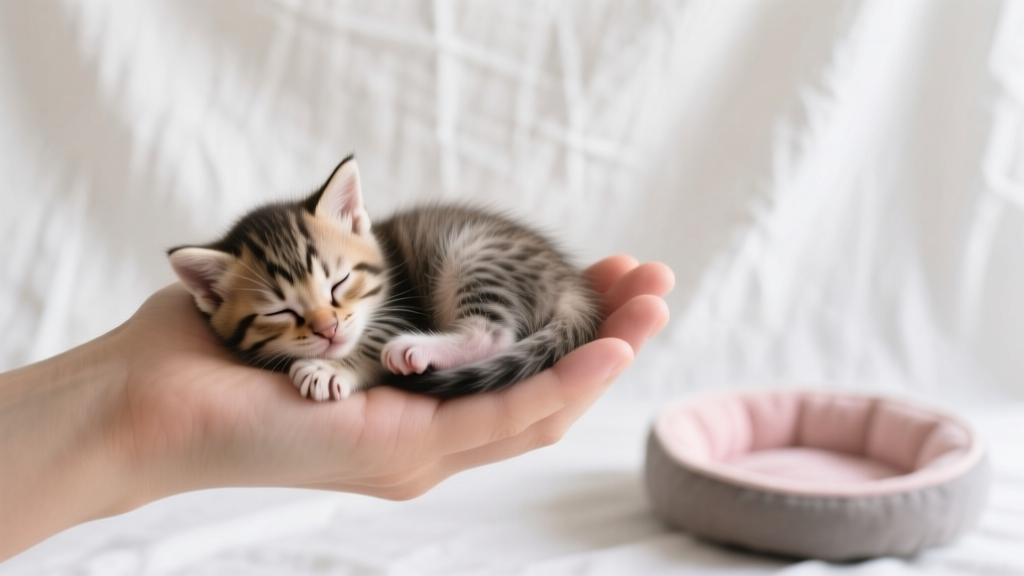
If you’re searching for how to care for a new born kitten, chances are you’ve just found yourself holding a tiny, trembling, eyes-closed bundle who can’t regulate his temperature, digest food without help, or eliminate waste on his own—and you’re feeling equal parts awestruck and terrified. That’s completely normal. In fact, it’s the right instinct: newborn kittens (0–2 weeks old) have a mortality rate as high as 30% in unassisted care, according to the Winn Feline Foundation’s 2023 Neonatal Kitten Mortality Report. But here’s the good news—you *can* dramatically tip those odds in their favor. This isn’t about guesswork or Googling piecemeal tips. It’s about evidence-based, time-sensitive actions grounded in feline neonatology and practiced daily by veterinary technicians and foster coordinators across rescue networks like Kitten Lady’s ‘Kitten Rescue Academy’ and the ASPCA’s Feline Neonatal Program.
1. Warmth Isn’t Comfort—It’s Life Support
Newborn kittens are poikilothermic—they cannot generate or retain body heat without external support. Their rectal temperature should be 95–99°F (35–37.2°C); below 94°F signals hypothermia, which shuts down digestion, immune function, and even breathing. A kitten that feels cool to the touch or lies limp and unresponsive is already in crisis—not ‘just sleepy.’
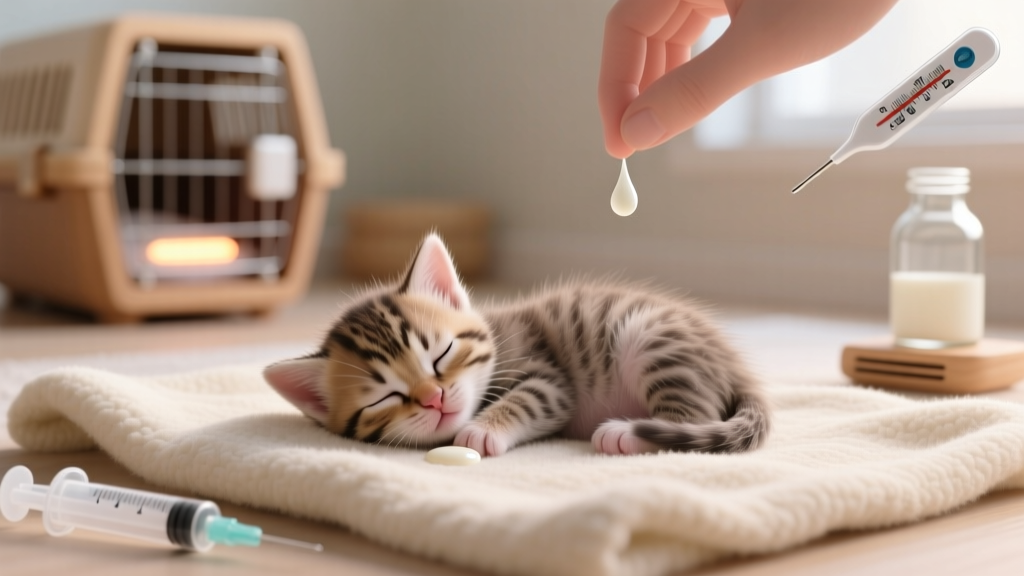
What to do: Create a thermal gradient—not just one warm spot. Use a heating pad set to LOW (never high), wrapped in two layers of towels, with half the nest elevated slightly so the kitten can move away if overheating. Add a soft, breathable blanket (no loose threads!) and cover the entire setup with a light mesh drape to retain humidity (ideal: 55–65% RH). Never use heat lamps—they dry mucous membranes and cause fatal dehydration faster than you’d expect. Monitor temperature every 2 hours with a digital rectal thermometer (lubricated with water-based lube). As Dr. Susan Little, DVM and past president of the American Association of Feline Practitioners, emphasizes: ‘If you wouldn’t hold your hand on that surface for 30 seconds, it’s too hot for a neonate.’
Pro tip: Place a small, warmed (not hot) rice sock—microwaved for 15 seconds, shaken, and tested on your inner wrist—beside (not under) the kitten for supplemental radiant heat. Replace every 90 minutes.
2. Feeding: Precision Nutrition, Not ‘Just Formula’
Mother’s milk contains colostrum—rich in immunoglobulins that protect against sepsis and E. coli. Orphaned kittens miss this critical window (first 16–24 hours), making them 5x more likely to develop fatal neonatal septicemia (per Cornell University’s 2022 Feline Neonatal Study). So formula choice and delivery method matter down to the milliliter.
Use only commercial kitten milk replacer (KMR or Just Born)—never cow’s milk, goat’s milk, or homemade recipes. Cow’s milk causes osmotic diarrhea and rapid dehydration; homemade formulas lack taurine and essential fatty acids proven to prevent retinal degeneration and cardiac failure in neonates.
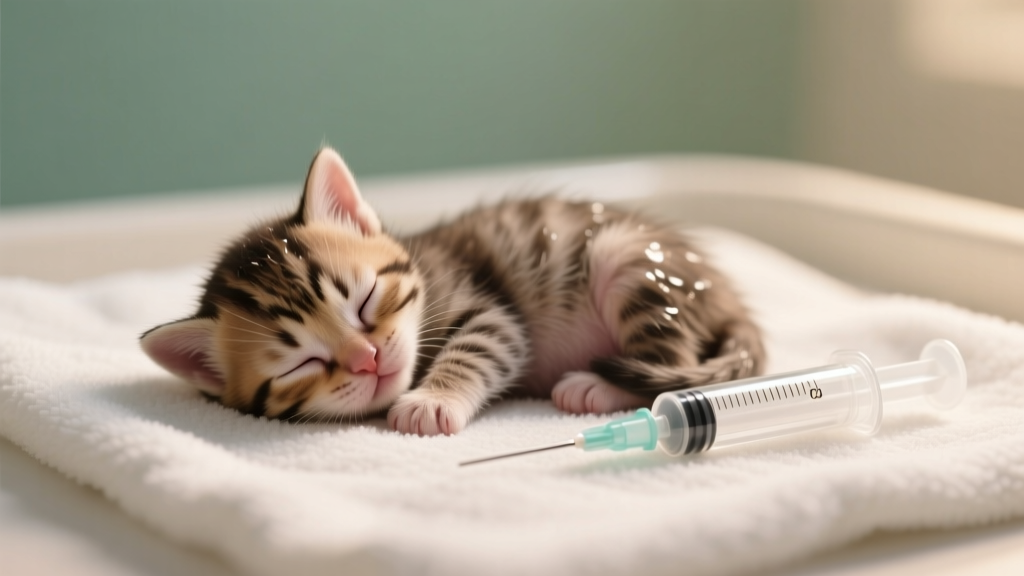
Feed every 2–3 hours—including overnight—for the first 7 days (that’s 8–12 feedings/day). Use a 1–3 mL syringe with a soft rubber nipple (cut tip to match kitten’s mouth size—test flow: 1 drop/sec when inverted). Hold kitten belly-down, head slightly elevated—not upright—to avoid aspiration pneumonia. Weigh daily on a gram-scale: healthy gain is 7–10g/day. If weight drops >10% from birth weight or stalls for >24 hours, consult a vet immediately—even before visible symptoms appear.
Case study: Luna, a 36g orphaned Siamese mix, failed to gain weight for 36 hours despite correct feeding. Her foster ran a blood glucose test (available at most clinics for $22) and discovered hypoglycemia. After 0.5mL of 5% dextrose gel applied to gums, she began nursing vigorously within 12 minutes and gained 12g the next day.
3. Stimulation & Hygiene: The Non-Negotiable Routine
Mother cats lick kittens’ genital and anal regions to trigger urination and defecation—neonates lack voluntary control until ~3 weeks. Without this, toxins build up, causing abdominal distension, lethargy, and death within 48 hours.
After every feeding, use a warm, damp cotton ball or soft tissue to gently stroke the genital area downward for 30–60 seconds—until urine or stool appears. Urine should be pale yellow and clear; stool should be mustard-yellow and soft (not watery or hard). Document each elimination in a log. Missed eliminations for >2 feedings = urgent vet consult.
Hygiene is equally vital. Wipe face and paws after feeding with a warm, damp cloth. Disinfect feeding tools with boiling water (not bleach—residue is toxic). Change bedding daily. Wash hands with soap before and after handling—kittens lack adaptive immunity and can contract human pathogens like strep or staph in under an hour.
Warning sign: Pink-tinged urine, green stool, or straining without output means urinary tract obstruction or meconium impaction—both require same-day veterinary intervention.
4. Monitoring Development & Recognizing Crisis Signals
Neonatal development follows predictable milestones. Deviations are red flags—not quirks. Here’s what to track daily:
- Eyes: Closed at birth; begin opening at 5–10 days. One eye opening before the other is common—but no eye opening by Day 14 requires exam (possible congenital anomaly or infection).
- Ears: Folded at birth; unfold gradually. Full ear canal opening by Day 12–14. Any discharge, odor, or crusting warrants otoscopic evaluation.
- Movement: Reflexive rooting and suckling at birth; coordinated crawling by Day 7; attempts to stand by Day 10. Limb dragging or persistent tremors signal neurological issues.
- Vocalization: Weak mews at birth; stronger, more frequent cries by Day 5. Silence or weak, raspy cries indicate respiratory distress or exhaustion.
The ‘TRIAGE 5’ rule identifies emergencies needing immediate vet care: Temperature <94°F or >103°F, Respiratory rate >60 breaths/min (count chest rises for 15 sec × 4), Immobility (no movement for >2 hours), Apathy (no suck reflex for >2 feedings), Green/yellow vomit or bloody stool. Don’t wait for ‘more symptoms.’ These are end-stage indicators.
| Age Range | Critical Actions | Red Flags Requiring Vet Within 2 Hours | Weight Gain Target |
|---|---|---|---|
| 0–24 hours | Initiate warmth + first feeding within 2 hours of birth; stimulate elimination; check for cleft palate or umbilical hernia | No suck reflex; cyanosis (blue gums); gasping or apnea | +5–10g total (baseline) |
| 1–7 days | Feed q2–3h; stimulate post-feed; weigh AM/PM; clean bedding | No urine/stool x2 feeds; rectal temp <94°F; refusal to nurse >3 attempts | +7–10g/day |
| 8–14 days | Eyes opening; begin gentle handling; introduce shallow dish of warm water (for paw-dipping only) | One eye closed while other open >48h; pus-like eye discharge; seizures | +10–15g/day |
| 15–21 days | Introduce solid food slurry (KMR + wet food); encourage litter box exploration; monitor first steps | Diarrhea lasting >12h; blood in stool; inability to stand | +15–20g/day |
Frequently Asked Questions
Can I use baby bottles or droppers instead of syringes?
No—baby bottles pose high aspiration risk due to uncontrolled flow and poor nipple fit. Droppers force kittens to suck against resistance, exhausting them and increasing inhalation risk. Syringes with soft nipples allow precise volume control and mimic natural suckling pressure. Always use 1–3 mL syringes (not larger) for accuracy.
How do I know if my kitten is dehydrated?
Perform the ‘skin tent’ test: Gently pinch the scruff skin between thumb and forefinger. In a hydrated kitten, it snaps back instantly (<1 second). If it stays peaked for 2+ seconds, dehydration is moderate-to-severe. Other signs: dry gums, sunken eyes, lethargy, and decreased urine output. Offer oral rehydration solution (Pedialyte unflavored, diluted 50/50 with KMR) via syringe—0.5mL every 15 minutes for 1 hour—then reassess. Never force fluids if kitten is unconscious or seizuring.
Is it safe to bathe a newborn kitten?
Never bathe a newborn kitten. Their thermoregulation is too fragile—evaporative cooling can cause fatal hypothermia in under 90 seconds. Spot-clean soiled areas with warm, damp cloth only. Full bathing is unsafe until at least 8 weeks old and only if medically indicated (e.g., flea infestation under vet guidance).
When should I start deworming?
Begin broad-spectrum deworming (fenbendazole) at 2 weeks old—even if stool tests are negative—as intestinal parasites (Toxocara cati) are nearly universal in neonates and cause stunted growth, anemia, and death. Repeat every 2 weeks until 8 weeks old. Always use weight-based dosing (0.5mL/kg) and confirm with your vet—overdosing causes neurotoxicity.
Do I need to vaccinate this early?
No. Maternal antibodies interfere with vaccines before 6–8 weeks. Core vaccines (FVRCP) begin at 6–8 weeks, then boost every 3–4 weeks until 16 weeks. Early vaccination is ineffective and may cause adverse reactions. Focus on nutrition, warmth, and hygiene first.
Common Myths About Newborn Kitten Care
Myth #1: “If the mother abandoned them, they’re defective or sick.”
Truth: Queens abandon kittens for many non-medical reasons—stress, first-time motherhood, overcrowding, or perceived threat. Abandonment doesn’t indicate illness. Always assess vitals and behavior—not assumptions.
Myth #2: “They’ll bond better if I handle them constantly.”
Truth: Excessive handling raises cortisol levels, suppresses immune response, and delays weight gain. Limit sessions to 5–10 minutes, 2–3x/day—only after stabilization (Day 3+). Bonding happens through consistent, calm care—not proximity.
Related Topics (Internal Link Suggestions)
- Kitten socialization timeline — suggested anchor text: "when to start socializing kittens"
- Signs of kitten dehydration — suggested anchor text: "kitten dehydration symptoms"
- Best kitten milk replacer brands — suggested anchor text: "top vet-recommended kitten formula"
- How to tube feed a kitten safely — suggested anchor text: "kitten tube feeding guide"
- Kitten weight chart by age — suggested anchor text: "newborn kitten weight tracker"
Conclusion & Your Next Step
Caring for a newborn kitten isn’t about perfection—it’s about precision, presence, and prompt action. Every minute counts in those first 72 hours, but you now hold the exact protocols used by professionals to turn vulnerability into vitality. Don’t wait for doubt to grow. Grab a gram-scale, KMR, and digital thermometer tonight. Weigh your kitten, record its temperature, and feed on schedule—even if it’s 2 a.m. That first disciplined routine is the foundation of everything that follows. And if something feels off? Call your vet or an emergency clinic *before* symptoms escalate. Trust your gut—it’s often the earliest diagnostic tool you have. You’ve got this. Now go save a life—one careful, compassionate step at a time.