Feline Calicivirus: Oral Ulcers and Lameness Syndrome
1. Why this topic matters to cat owners
If your cat suddenly stops eating, drools more than usual, or seems painful when walking, it’s natural to worry. One common culprit—especially in multi-cat households, shelters, or homes with a new kitten—is feline calicivirus (FCV). While many people recognize FCV as a “cat cold” virus, it can also trigger a specific pattern of illness often called oral ulcers and lameness syndrome: painful mouth sores paired with limping or reluctance to move.
Understanding what FCV is, how it spreads, and what you can do at home (and with your veterinarian) can make a big difference in your cat’s comfort, recovery, and long-term health.
2. Overview: What is feline calicivirus, and how does it cause ulcers and lameness?
Feline calicivirus is a contagious virus that primarily affects cats. It most often targets the upper respiratory tract (nose, throat) and the oral cavity (mouth). In some cats, FCV can also lead to inflammation in joints, which is why lameness can occur.
Here’s the plain-language version of what’s happening:
- FCV infects cells in the mouth and airway, which can cause tissue damage and painful ulcers (sores), especially on the tongue, gums, lips, and hard palate.
- The immune system responds, causing inflammation. In certain cases, inflammation affects one or more joints, leading to limping or stiffness.
- Some cats recover quickly; others may continue to carry and shed the virus for weeks or longer, even after they look well.
FCV has multiple strains. Most cases are mild to moderate, but severity can vary depending on the strain, your cat’s immune status, and whether other infections are present.
3. Symptoms and warning signs to watch for
Cats with FCV-related oral ulcers and lameness may show a mix of mouth pain, cold-like signs, and mobility changes. Common signs include:
- Oral signs
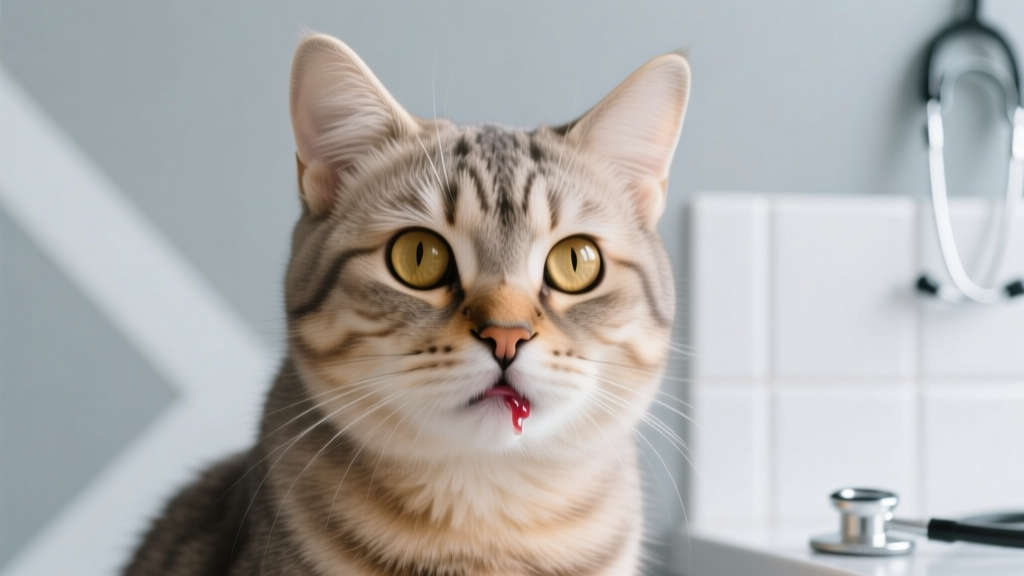
- Painful mouth ulcers (often on the tongue)
- Drooling or thick saliva
- Bad breath
- Pawing at the mouth
- Reluctance to eat, chewing on one side, or dropping food
- Lameness and body discomfort
- Limping (may shift from one leg to another)
- Stiffness, reluctance to jump, hiding more
- Crying when picked up or avoiding touch
- Upper respiratory signs
- Sneezing
- Nasal discharge
- Watery or crusty eyes
- Fever, lethargy
- Appetite and hydration changes
- Not eating or eating much less
- Decreased drinking
- Weight loss if illness lasts more than a few days
Practical at-home check: If your cat will allow it without stress, gently observe the mouth. Ulcers may look like raw red spots or shallow sores, especially on the tongue. Don’t force the mouth open—pain and stress can worsen the situation.
4. Causes and risk factors
FCV spreads easily between cats. The virus is commonly present where cats live in close quarters, but any cat can catch it.
How it spreads:
- Direct contact with saliva, nasal discharge, or eye discharge from an infected cat
- Sharing food bowls, water bowls, litter areas, bedding, or grooming tools
- Human hands or clothing can carry virus particles between cats (a “fomite” route)
Risk factors that increase chances of infection or severe signs:
- Kittens and young cats (immature immune systems)
- Unvaccinated or overdue for booster vaccines
- Multi-cat households, shelters, boarding facilities
- Stress (moving, new pets, overcrowding), which can weaken immune response
- Co-infections (such as other respiratory pathogens)
- Chronic illness or immune suppression
Even vaccinated cats can occasionally get FCV, but vaccination generally reduces severity and complications.
5. Diagnosis: What to expect at the vet
If your cat has mouth ulcers, limping, or isn’t eating, a veterinary exam is strongly recommended. Cats can become dehydrated quickly when mouth pain limits eating and drinking.
At the appointment, your veterinarian may:
- Take a history (when signs started, appetite changes, vaccination status, exposure to other cats)
- Perform a full physical exam, including checking hydration, temperature, and oral cavity
- Assess gait and joints to evaluate lameness and pain
Testing that may be recommended:
- PCR testing (swabs from mouth/nose/eyes) to look for FCV genetic material
- Bloodwork if your cat is very ill, dehydrated, has fever, or isn’t eating (helps assess organ function and inflammation)
- Radiographs (X-rays) if lameness is severe or there’s concern for injury, arthritis, or another cause
- Oral exam under sedation in some cases, especially if ulcers are severe or dental disease is suspected
Because many cats can carry FCV, test results are interpreted along with symptoms. Your vet’s exam findings are often the most important piece.
6. Treatment options (medical, surgical, and home care)
FCV is a virus, so there’s no single “cure” medication that reliably eliminates it in every case. Treatment focuses on supportive care, pain control, and managing secondary problems so your cat can eat, drink, and recover.
Medical treatment
- Pain relief: This is crucial for oral ulcers and joint pain. Your veterinarian may prescribe cat-safe pain medication. Never give human pain relievers (many are toxic to cats).
- Anti-inflammatory support: Your vet may choose medications to reduce inflammation and improve comfort, depending on your cat’s condition.
- Fluids: If dehydrated, your cat may need subcutaneous fluids or IV fluids.
- Appetite support: Medications to reduce nausea or stimulate appetite may be used if your cat isn’t eating.
- Antibiotics: Not for the virus itself, but sometimes used if there’s evidence of secondary bacterial infection (such as pneumonia or severe nasal discharge).
- Eye medications: If there’s conjunctivitis or eye discomfort.
Surgical or procedural care
- Dental treatment: If significant dental disease or stomatitis is contributing to oral pain, dental cleaning or extractions may be recommended once your cat is stable.
- Feeding tube: In severe cases where a cat cannot eat for several days, temporary assisted feeding may be recommended to protect the liver and support healing.
Home care you can start right away (with vet guidance)
- Make food easier to eat:
- Offer soft, smelly foods (warm canned food slightly to increase aroma)
- Try a smooth pate blended with a bit of warm water into a slurry
- Offer small, frequent meals
- Encourage hydration:
- Provide fresh water in multiple locations
- Consider a pet fountain
- Add water to wet food (if your cat tolerates it)
- Reduce stress and conserve energy:
- Keep your cat in a quiet room
- Provide soft bedding and a low-entry litter box (helpful if sore)
- Limit jumping by adding steps/ramps to favorite spots
- Hygiene and isolation (if you have multiple cats):
- Separate the sick cat when possible
- Wash hands between cats
- Use separate bowls and litter supplies
Do not attempt to treat mouth ulcers with over-the-counter human oral gels or essential oils. Many ingredients are unsafe for cats, and swallowing them can cause serious complications.
7. Prevention strategies and early detection tips
Prevention is about reducing exposure, boosting protection through vaccination, and catching illness early—before dehydration and pain spiral.
- Keep vaccinations current: Core feline vaccines typically include protection against calicivirus. Talk with your veterinarian about the best schedule for your cat’s age and lifestyle.
- Quarantine new cats: Ideally, keep new additions separate for 10–14 days and schedule a vet check before introductions.
- Reduce overcrowding: In multi-cat homes, adequate resources help reduce stress and spread:
- More than one feeding and water station
- Enough litter boxes (often “number of cats + 1”)
- Separate resting areas
- Clean smart: Regularly wash bowls and bedding. Ask your vet or shelter medicine resources about disinfectants effective against calicivirus, and always use products according to label directions for pet safety.
- Early detection habit: Watch for subtle signs:
- Eating slower than usual
- Choosing only soft food or licking gravy but not chewing
- Less grooming (coat looks messier)
- Hesitating before jumping
8. Prognosis and quality of life considerations
Most cats with typical FCV infections recover with supportive care, and limping related to FCV-associated inflammation is often temporary. Many cats improve over several days to a couple of weeks, depending on severity.
Factors that influence prognosis:
- How quickly treatment starts (pain control and hydration matter a lot)
- Age (kittens and seniors may need closer monitoring)
- Presence of other illnesses or infections
- Ability to eat and drink
Some cats can become carriers and intermittently shed the virus. This doesn’t mean your cat will always be sick, but it does mean prevention and hygiene are especially important in multi-cat homes.
Quality of life at home: Your goal is comfort, appetite, hydration, and low stress. If your cat is eating, using the litter box, resting comfortably, and gradually becoming more active, those are reassuring signs. If pain or appetite problems persist, follow up with your veterinarian—cats should not “tough it out” with oral pain.
9. When to seek emergency veterinary care
Oral ulcers can make cats stop eating, and cats who don’t eat for even a few days can develop serious complications. Seek urgent or emergency veterinary care if you notice:
- Not eating for 24 hours (or significantly reduced intake, especially in kittens)
- Signs of dehydration: very tacky gums, sunken eyes, extreme lethargy
- Open-mouth breathing, labored breathing, or severe weakness
- Repeated vomiting or inability to keep food/water down
- High fever suspected (very warm ears/body, profound lethargy) or your vet confirms fever
- Severe lameness, inability to stand, or obvious pain when touched
- Ulcers with significant bleeding or a foul odor suggesting advanced oral infection
If you’re unsure, it’s always reasonable to call your veterinary clinic or an emergency hospital for guidance. Getting pain relief and fluids early can prevent a mild case from becoming a crisis.
10. FAQ: Common questions from cat owners
Can humans catch feline calicivirus from cats?
FCV is considered a cat-specific virus and is not known to infect healthy humans as a typical disease. The main concern is spread between cats. Still, washing hands after handling a sick cat is a good habit, especially if you have other cats at home.
My cat is vaccinated—can they still get calicivirus?
Yes, it can happen. FCV has multiple strains, and vaccination doesn’t guarantee zero infection. Vaccination usually helps by reducing severity, lowering complications, and improving recovery odds. Keep your cat up to date based on your veterinarian’s advice.
How long is a cat with calicivirus contagious?
Many cats shed virus during illness and for a period afterward. Some cats may become longer-term carriers. Your veterinarian can help you estimate risk based on your cat’s situation and household. Practically, isolate a sick cat and maintain hygiene for at least a couple of weeks, and follow your vet’s specific recommendations.
Why is my cat limping if this is a respiratory virus?
Some strains of FCV can trigger inflammation that affects joints, leading to soreness, shifting-leg lameness, or stiffness. The good news is that this type of lameness is often temporary and improves with appropriate pain management and rest under veterinary supervision.
What can I feed a cat with painful mouth ulcers?
Choose soft, aromatic foods that are easy to swallow: warmed canned food, pate, or a vet-recommended recovery diet. Avoid hard kibble and crunchy treats until your cat is comfortable. If your cat refuses food, contact your veterinarian promptly—cats should not go without calories due to the risk of liver complications.
Will my cat need antibiotics?
Not always. Antibiotics don’t treat viruses, but they may be prescribed if your veterinarian suspects a secondary bacterial infection or complications. Never use leftover antibiotics or medications from another pet; dosing and drug choice are critical in cats.
If your cat is showing signs of oral ulcers, drooling, limping, or reduced appetite, schedule a veterinary visit as soon as possible. With early care, most cats feel better quickly and recover well.
For more practical cat health guides, prevention tips, and behavior support, visit catloversbase.com and explore our growing library of feline wellness resources.