The 7 Critical Health Mistakes New Kitten Owners Make (And Exactly How to Avoid Them — Because 63% of ER Vet Visits in First 8 Weeks Are Preventable)
Why Getting Kitten Care Right in the First 8 Weeks Can Save Your Pet’s Life (and Your Sanity)
When you bring home a tiny, wide-eyed fluffball, a kitten care plan isn’t just about cute photos and soft blankets — it’s your first line of defense against life-threatening conditions like hypothermia, dehydration, upper respiratory infections, and intestinal parasites. In fact, veterinary epidemiologists report that nearly two-thirds of emergency clinic visits for kittens under 12 weeks stem from preventable oversights in foundational health monitoring and environmental management. This isn’t alarmist advice — it’s what Dr. Lena Torres, DVM and Director of Feline Pediatrics at the Cornell Feline Health Center, calls 'the invisible triage window': the narrow, high-stakes period between adoption and full immunity where every decision carries outsized consequences.
Your Kitten’s First 72 Hours: The Critical Stabilization Phase
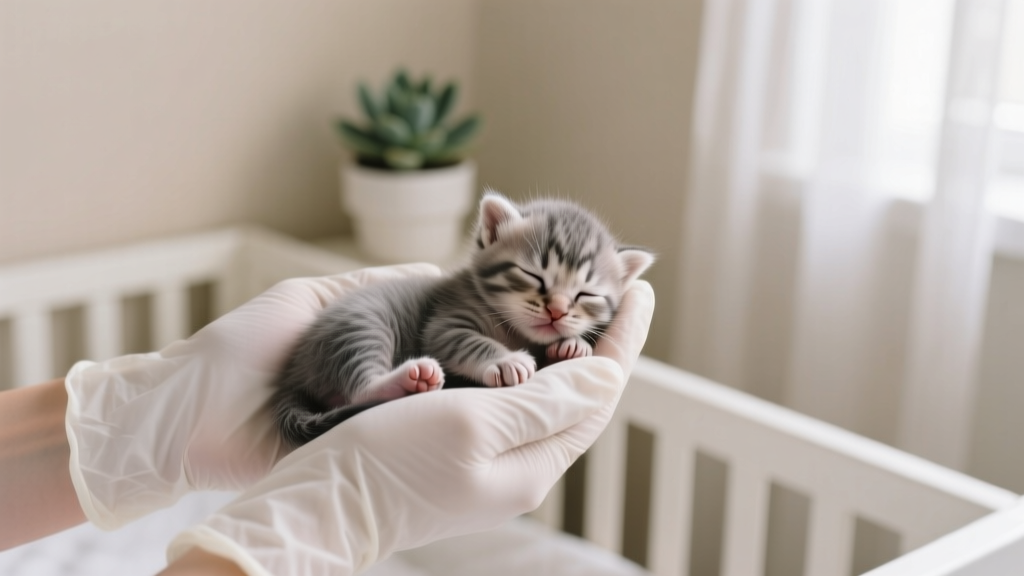
Contrary to popular belief, the first three days aren’t just about bonding — they’re a physiological checkpoint. Kittens under 4 weeks old cannot regulate their own body temperature, digest food efficiently, or eliminate waste without stimulation. A single missed feeding or 2°F drop in ambient temperature can trigger rapid metabolic collapse. Here’s what to do — backed by American Animal Hospital Association (AAHA) neonatal guidelines:
- Temperature control: Maintain an ambient temperature of 85–90°F (29–32°C) for newborns; gradually reduce by 2°F per week until reaching 72°F by week 6. Use a digital thermometer (not mercury) rectally — normal temp is 99.5–102.5°F. Anything below 97°F requires immediate warming via warm water bottle wrapped in fleece (never direct heat).
- Feeding protocol: If bottle-feeding orphaned kittens, use KMR® or similar commercial formula — never cow’s milk (lactose intolerance causes fatal diarrhea). Feed every 2–3 hours for under-2-week-olds; 4-hour intervals by week 3. Weigh daily: healthy gain is 7–10g/day. A 10% weight loss over 24 hours = veterinary emergency.
- Stimulation & elimination: After each feeding, gently rub the genital/anal area with warm, damp cotton ball for 60 seconds until urination/defecation occurs. Failure to pass stool within 24 hours risks toxic megacolon — a true emergency.
Real-world example: Maya, a foster volunteer in Portland, lost two kittens in her first month because she assumed ‘sleepy’ meant ‘content.’ Turns out, lethargy + cool ears + slow capillary refill (press gum → color returns in >2 seconds) signaled early sepsis. She now uses a simple ‘Kitten Vital Signs Snapshot’ checklist — and hasn’t lost a single kitten in 18 months.
Vaccination, Deworming & Parasite Defense: Timing Is Everything
Most new owners think ‘vaccines start at 8 weeks’ — but that’s dangerously incomplete. Kittens receive maternal antibodies via colostrum, but those wane unpredictably between 6–16 weeks, creating a ‘susceptibility gap’ where vaccines may fail *or* leave them unprotected. According to the 2023 World Small Animal Veterinary Association (WSAVA) Vaccination Guidelines, core vaccines (FVRCP) should be administered starting at 6 weeks — not 8 — with boosters every 3–4 weeks until 16 weeks minimum. Why? Because delaying increases parvovirus-like panleukopenia risk by 400% in shelters (Journal of Feline Medicine and Surgery, 2022).
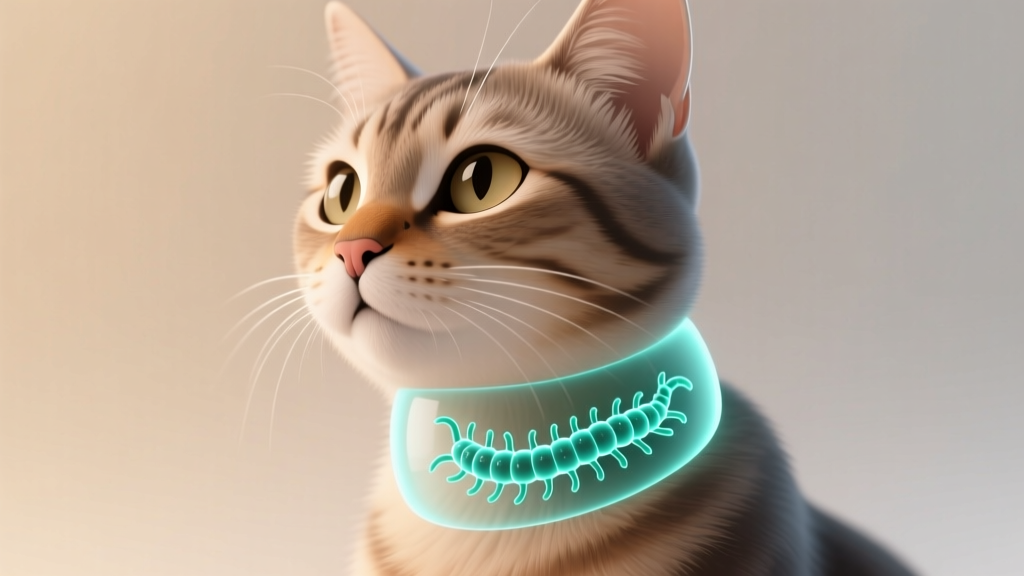
Deworming is equally time-sensitive. Roundworms infect >85% of kittens — often asymptomatic until severe weight loss or pot-bellied appearance appears. But here’s what vets don’t always emphasize: you must deworm every 2 weeks from 2 weeks old until 12 weeks old, then monthly until 6 months. Pyrantel pamoate is safe at 2 weeks; fenbendazole (Panacur®) covers whipworms and giardia but requires vet approval for neonates.
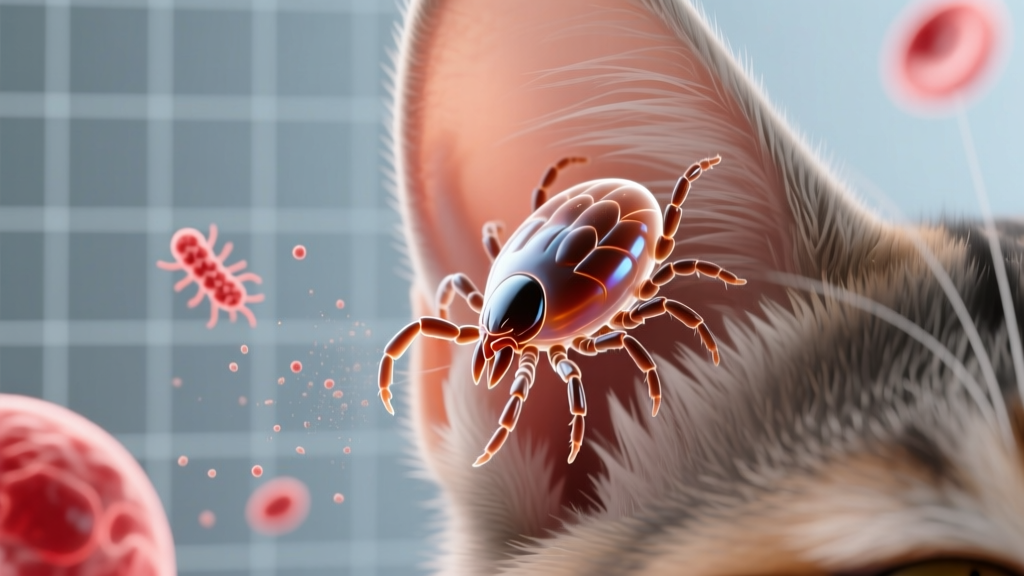
Don’t skip external parasite prevention. Fleas cause anemia in kittens weighing under 2 lbs — one flea consumes 13.6mL of blood per day (a lethal volume for a 300g kitten). Capstar® (nitenpyram) is FDA-approved for kittens as young as 4 weeks and 2.2 lbs; topical treatments like Revolution® require 8-week minimum age and precise weight dosing.
The Socialization Window: Not Just ‘Cute Playtime’ — It’s Neurological Wiring
Between 2–7 weeks, a kitten’s brain undergoes rapid synaptic pruning — experiences literally shape neural pathways governing fear response, human trust, and environmental resilience. Miss this window, and even well-meaning adult interventions rarely reverse timidity or aggression. Dr. Mikel Delgado, certified cat behaviorist and UC Davis researcher, confirms: ‘Kittens handled by 3+ people for 15+ minutes daily during weeks 3–7 show 72% lower cortisol levels in novel environments at 6 months — compared to isolated controls.’
But socialization isn’t free play. It’s structured exposure:
- Week 3–4: Introduce gentle handling (cradling, finger brushing), soft music, vacuum sounds at low volume, and brief (30-sec) carrier exposure.
- Week 4–5: Add varied textures (carpet, tile, grass), different footwear (sandals, boots), and short car rides (5 mins, engine off first).
- Week 5–7: Invite calm visitors (no sudden movements), introduce other vaccinated pets on-leash, and practice nail trims with positive reinforcement (tiny treats post-trim).
Warning: Overstimulation backfires. If ears flatten, tail flicks rapidly, or pupils dilate excessively, stop immediately and offer a quiet retreat. Forced interaction teaches avoidance — not confidence.
Kitten Care Timeline: What to Do, When, and Why
| Age | Essential Action | Why It Matters | Risk if Skipped |
|---|---|---|---|
| 0–2 weeks | Stimulate elimination after every feeding; monitor weight 2x/day | Kittens lack bladder/bowel control; weight gain confirms adequate intake | Megacolon, aspiration pneumonia, failure-to-thrive syndrome |
| 2–4 weeks | Start deworming (pyrantel); begin gentle handling 15 min/day | Roundworm load peaks; neural plasticity highest for touch imprinting | Anemia, stunted neurodevelopment, lifelong fear of hands |
| 4–6 weeks | Introduce shallow water dish; begin litter box training with non-clumping, unscented litter | Kittens imitate mother; clumping litter causes fatal GI obstruction if ingested | Dehydration, constipation, intestinal blockage requiring surgery |
| 6–8 weeks | First FVRCP vaccine; schedule first vet exam including fecal float & ear mite check | Maternal antibodies declining; ear mites infect >50% of shelter kittens | Panleukopenia outbreak, chronic otitis, secondary bacterial pneumonia |
| 8–12 weeks | Second FVRCP + rabies (if local law allows); spay/neuter consult | Full immunity established only after final booster; early spay reduces mammary cancer risk by 91% | Unplanned litters, pyometra, aggressive mating behaviors |
Frequently Asked Questions
Can I bathe my kitten to get rid of fleas?
No — bathing is dangerous for kittens under 12 weeks. Their thermoregulation is immature, and soap strips natural skin oils, increasing hypothermia and dermatitis risk. Instead, use a fine-tooth flea comb dipped in soapy water, followed by Capstar® (for kittens ≥4 weeks and 2.2 lbs). Always consult your vet before using any product — many ‘natural’ oils (e.g., tea tree, citrus) are neurotoxic to cats.
How do I know if my kitten is dehydrated?
Perform the ‘skin tent test’: Gently pinch the scruff (loose skin between shoulders) and release. If it takes >2 seconds to flatten, dehydration is likely. Other signs: dry gums (should feel slick, not sticky), sunken eyes, lethargy, and reduced urine output (<2 small, pale-yellow clumps in litter box per day). Offer unflavored Pedialyte diluted 50/50 with water via syringe (0.5 mL every 2 hours) while seeking urgent vet care — severe dehydration can cause kidney failure in under 12 hours.
Is it safe to let my kitten sleep in bed with me?
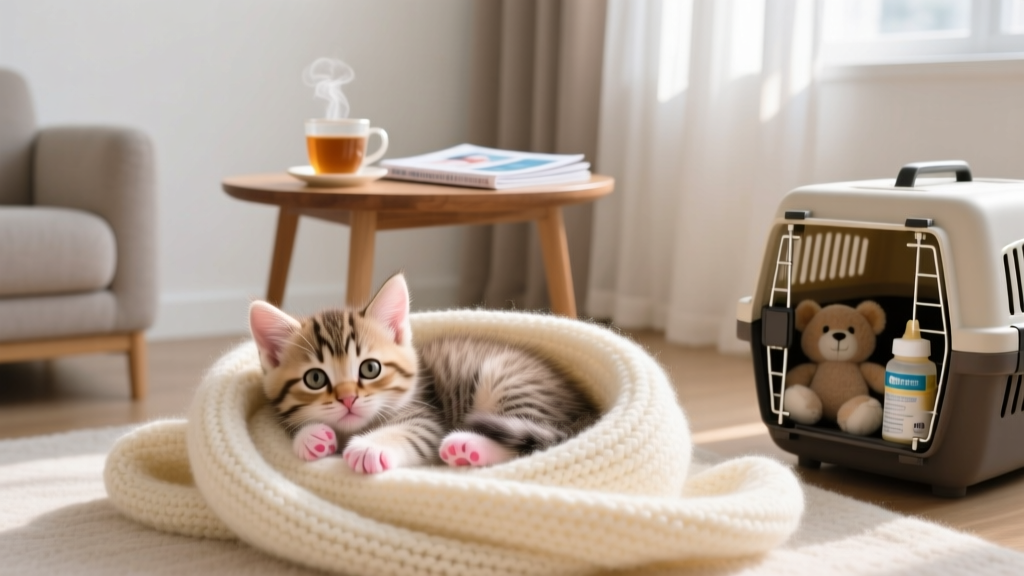
Not until they’re at least 4 months old and fully vaccinated. Human bedding poses suffocation hazards (deep comforters, gaps between mattress/headboard), and adult humans unknowingly roll onto small bodies during sleep. More critically, co-sleeping delays litter box independence — kittens learn elimination cues from substrate texture, not proximity to humans. Keep them in a confined, enriched space (crate with bed, litter, toys) for the first 3 months.
Should I adopt two kittens instead of one?
Yes — especially if you work full-time. Kittens under 6 months need 3–4 hours of interactive play daily to develop motor skills and bite inhibition. A singleton kitten often redirects frustration onto furniture, hands, or your ankles. Two kittens provide reciprocal social learning: they tire each other out, practice hunting sequences safely, and reduce separation anxiety. Studies show bonded pairs have 47% lower incidence of destructive scratching and inappropriate urination (Journal of Veterinary Behavior, 2021).
What human foods are absolutely toxic to kittens?
Never feed: onions/garlic/chives (cause hemolytic anemia), grapes/raisins (acute kidney failure), chocolate (theobromine toxicity), xylitol (rapid insulin release → hypoglycemia), alcohol, caffeine, or cooked bones (splinter and perforate gut). Even ‘safe’ foods like dairy cause diarrhea due to lactase deficiency. Stick to veterinarian-approved kitten food — no substitutions until 6+ months.
Debunking Common Kitten Care Myths
- Myth #1: “Kittens don’t need vaccines if they stay indoors.” — False. Indoor kittens still risk exposure via contaminated shoes, clothing, or air vents. Feline herpesvirus and calicivirus survive 1–2 days on surfaces — and cause 90% of upper respiratory cases in unvaccinated kittens. WSAVA mandates indoor-only cats receive core vaccines.
- Myth #2: “I’ll wait until my kitten is ‘older’ to spay — they need to mature first.” — Dangerous. Early-age spay/neuter (8–16 weeks) is endorsed by ASPCA, AAHA, and AVMA. Delaying increases surgical complication risk (larger incisions, longer recovery) and exposes them to accidental pregnancy — 1 in 5 shelter kittens is born to an adolescent mom.
Related Topics (Internal Link Suggestions)
- Kitten Vaccination Schedule — suggested anchor text: "kitten vaccination timeline"
- Best Kitten Food Brands (Vet-Reviewed) — suggested anchor text: "what to feed a kitten"
- How to Litter Train a Kitten in 7 Days — suggested anchor text: "kitten litter training guide"
- Signs of Illness in Kittens — suggested anchor text: "kitten sickness symptoms"
- Kitten vs Adult Cat Care Differences — suggested anchor text: "kitten care vs adult cat"
Take Action Today — Your Kitten’s Lifespan Starts Now
You’ve just absorbed evidence-based, veterinarian-vetted a kitten care essentials — from thermoregulation tactics to neurological socialization science. But knowledge alone doesn’t protect your kitten. Your next step? Print the Care Timeline Table above, circle today’s date, and highlight the next action due — then set a phone reminder 48 hours before it’s due. Better yet: book a ‘Kitten Wellness Check’ with your vet *this week* — not just for vaccines, but for a weight curve analysis, fecal exam, and personalized parasite prevention plan. Because in kitten care, the smallest delay isn’t just inconvenient — it’s potentially irreversible. You’ve got this. And your kitten? They’re already counting on you.