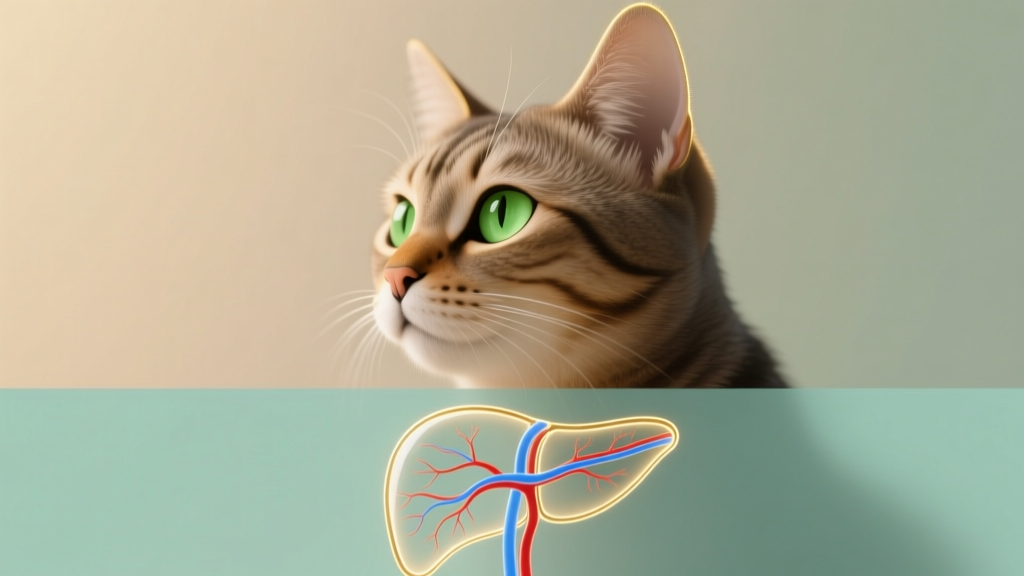
Cat Hepatic Arteriovenous Malformation Guide
1) Why this topic matters to cat owners
Your cat’s liver works quietly in the background every day—filtering toxins, processing nutrients, helping with digestion, and supporting immune function. When blood flow through the liver isn’t normal, the effects can show up in many different ways: poor appetite, vomiting, unusual tiredness, behavior changes, or even neurologic signs. One uncommon but serious cause of abnormal liver blood flow is a hepatic arteriovenous malformation (AVM).
Hepatic AVMs are rare in cats, which can make them confusing and scary when they’re mentioned. The good news is that with prompt veterinary evaluation, the right diagnostics, and supportive care, many cats can feel better—and you can make informed choices about treatment and quality of life.
2) Overview: what a hepatic arteriovenous malformation is (plain-language explanation)
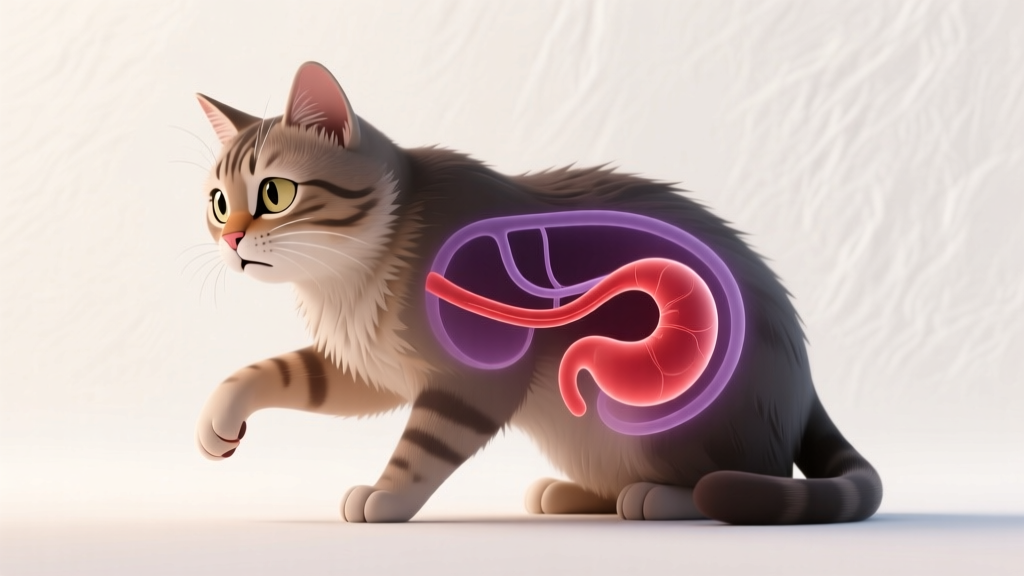
A hepatic arteriovenous malformation is an abnormal connection between an artery (a blood vessel carrying blood under higher pressure from the heart) and a vein (a vessel returning blood under lower pressure). In a healthy liver, blood from arteries and veins flows through tiny capillaries and specialized liver channels so the liver can “process” it before it returns to the heart.
With a hepatic AVM, blood takes an abnormal shortcut. This can cause two major problems:
- Reduced liver “filtering” and metabolism: Blood may bypass the liver’s normal processing areas, allowing toxins (like ammonia) to circulate and potentially affect the brain and other organs.
- Abnormal pressure and blood flow changes: High-pressure arterial blood entering veins can strain the liver’s vessels and contribute to portal hypertension (increased pressure in the portal vein system). This may lead to fluid buildup in the abdomen (ascites), poor appetite, and other complications.
Some hepatic AVMs are thought to be congenital (present from birth), though they may not be recognized until a cat is older. Others can be acquired, but congenital malformations are more commonly discussed with this type of abnormal vessel connection.
Hepatic AVM is different from (but can look similar to) a portosystemic shunt (PSS). Both involve abnormal blood flow and can cause toxin buildup, but the vessel pattern and blood pressure dynamics can differ—one reason advanced imaging is often needed.
3) Symptoms and warning signs to watch for
Signs can vary depending on how large the malformation is and how much it affects liver function and blood pressure. Some cats show subtle changes at first.
Common symptoms cat owners may notice
- Poor appetite or becoming “picky” with food
- Weight loss or muscle wasting
- Vomiting and/or diarrhea
- Lethargy (less playful, sleeping more, hiding)
- Increased thirst and urination in some cases
- Pot-bellied appearance or abdominal swelling (possible ascites)
- Stunted growth in younger cats (less common, but possible with congenital problems)
Neurologic/behavior changes (possible “hepatic encephalopathy”)
- Seeming spaced out, confused, or less responsive
- Unsteady walking, stumbling, weakness
- Head pressing or staring at walls
- Drooling or unusual vocalizing
- Seizures (an emergency)
Signs that warrant a prompt veterinary visit
- Vomiting more than once in 24 hours, especially with poor appetite
- Noticeable belly swelling
- Any neurologic signs (wobbliness, disorientation, seizures)
- Yellow tint to gums, eyes, or skin (jaundice)
4) Causes and risk factors
Hepatic AVMs in cats are uncommon, and the exact cause isn’t always identified. Possible contributors include:
- Congenital vascular malformation: Abnormal vessel development before birth.
- Associated vascular anomalies: Some cats may have more than one abnormal vessel pattern in the liver.
- Age at presentation: Congenital issues may show up in kittens or young cats, but mild cases can be missed until adulthood.
Unlike many routine cat health issues, hepatic AVMs are not usually tied to lifestyle factors. That said, early recognition of symptoms and timely testing can make a major difference in outcomes and comfort.
5) Diagnosis: what to expect at the vet
Because the symptoms can resemble other liver and gastrointestinal problems, diagnosis usually happens in steps. Your veterinarian’s goal is to confirm whether liver blood flow is abnormal, identify the vessel pattern, and check how the rest of the body is coping.
History and physical exam
- Questions about appetite, vomiting/diarrhea, behavior changes, and growth history
- Body condition and muscle assessment
- Abdominal palpation (checking for fluid, pain, organ enlargement)
- Neurologic screening if behavior changes are present
Lab work (common tests)
- CBC (complete blood count): Looks for anemia, inflammation, infection signals.
- Serum chemistry panel: Evaluates liver enzymes, bilirubin, protein levels, glucose, kidney values, electrolytes.
- Bile acids test: Helps assess liver function and blood flow patterns (often used when shunts or vascular anomalies are suspected).
- Ammonia level: May be measured if hepatic encephalopathy is suspected.
- Urinalysis: Can reveal crystals or urinary changes sometimes associated with liver blood flow disorders.
Imaging and specialized diagnostics
- Abdominal ultrasound: Often the first imaging step; may show abnormal vessels, liver changes, and fluid.
- Doppler ultrasound: Evaluates direction and speed of blood flow—very helpful for vascular problems.
- CT angiography: One of the best ways to map abnormal liver vessels and distinguish an AVM from other shunts; may require referral.
- Blood pressure and clotting tests: Used when portal hypertension or bleeding risk is a concern.
If your cat is stressed or painful, sedation may be recommended for imaging. Your veterinary team should talk you through risks and benefits, especially if liver function is reduced.
6) Treatment options (medical, surgical, home care)
Treatment depends on the AVM’s size and location, whether portal hypertension is present, and how sick your cat is at diagnosis. Many cats benefit from a combination of stabilization, long-term medical management, and—when possible—procedures to correct abnormal blood flow.
Medical management
Medical care is often used to control symptoms and reduce toxin buildup, especially if neurologic signs are present.
- Diet therapy: A veterinarian-guided liver-support diet may be recommended. The goal is adequate nutrition while managing protein type/amount for cats prone to hepatic encephalopathy. Never restrict protein in a cat without veterinary guidance—cats can develop dangerous muscle loss quickly.
- Lactulose: A medication that helps trap ammonia in the gut and move it out through stool; commonly used for hepatic encephalopathy.
- Antibiotics (as prescribed): Sometimes used to reduce ammonia-producing gut bacteria (choice depends on your vet’s preference and your cat’s health).
- Anti-nausea and appetite support: Medications like antiemetics or appetite stimulants may be used short-term.
- Supportive fluids: If dehydrated, cats may need subcutaneous fluids or IV fluids.
- Management of ascites: If abdominal fluid is present, your vet may use diuretics, carefully adjust diet, or in some cases remove fluid (abdominocentesis) for comfort and testing.
Surgical or interventional options
Because AVMs involve abnormal vessels, definitive treatment may require advanced procedures. Options vary by case and local specialty availability.
- Interventional radiology techniques: In some patients, specialists can close or reduce abnormal flow using catheter-based methods (such as embolization). These procedures require careful planning because changing liver blood flow too quickly can be risky.
- Surgical approaches: Surgery may be considered in select cases depending on anatomy. Your veterinarian may refer you to a board-certified surgeon for evaluation.
Not every cat is a candidate for procedures. If the AVM is extensive or portal hypertension is severe, the safest plan may be long-term medical management and quality-of-life support.
Home care: practical steps you can start right away
- Track symptoms daily: appetite, water intake, vomiting, stool quality, energy level, and any “odd” behavior. Bring notes (or a phone log) to appointments.
- Give medications consistently: Lactulose and other meds work best on a schedule. Ask your vet what stool consistency to aim for if lactulose is prescribed.
- Prevent missed meals: Offer small, frequent meals. Warming food slightly and offering a quiet feeding location can help.
- Reduce stress: Keep routine stable, provide hiding spots, and avoid sudden environmental changes.
- Avoid toxins: Keep lilies, rodent poisons, human medications, essential oils, and alcohol completely out of reach.
Always consult your veterinarian before changing diet, adding supplements, or stopping medications. Many “liver supplements” marketed online are not cat-specific and may be unsafe.
7) Prevention strategies and early detection tips
You can’t prevent a congenital AVM, but you can improve the odds of early detection and reduce complications.
- Schedule routine wellness exams: Even for indoor cats. Subtle weight loss and early disease changes are easier for a vet to spot over time.
- Consider baseline lab work: Annual or semiannual bloodwork (especially for adult and senior cats) can catch liver-related abnormalities earlier.
- Take vomiting seriously: “Occasional hairballs” shouldn’t include frequent vomiting, weight loss, or lethargy. If patterns change, book an exam.
- Monitor body weight monthly: A baby scale works well. Unexplained loss of 0.5–1 lb can be significant in cats.
- Ask about bile acids testing: If your cat has unexplained GI signs, neurologic episodes, or poor growth, your vet may recommend this screening tool.
8) Prognosis and quality of life considerations
Prognosis depends on:
- The AVM’s size and location
- Presence and severity of portal hypertension or ascites
- How much liver function is affected
- Response to medical management
- Whether a corrective procedure is feasible
Some cats do well for extended periods with medical management, especially when neurologic signs are controlled and nutrition is maintained. Other cases are more complex and may require specialty care. A realistic, caring goal is to keep your cat comfortable, eating, and engaged with normal daily activities.
Quality of life tends to improve when:
- Nausea is controlled and appetite returns
- Episodes of disorientation or wobbliness decrease
- Abdominal fluid (if present) is managed
- You have a clear plan for monitoring and follow-up
Ask your veterinarian for a recheck schedule and what “trend changes” should prompt earlier evaluation.
9) When to seek emergency veterinary care
Contact an emergency clinic or your veterinarian immediately if you notice:
- Seizures, collapse, or loss of consciousness
- Severe disorientation, continuous pacing, or sudden extreme behavior change
- Repeated vomiting with inability to keep water down
- Rapidly enlarging abdomen or labored breathing
- Very pale gums, weakness, or signs of shock
- Suspected toxin exposure (human meds, lilies, poisons)
For cats with known liver blood flow issues, it’s also reasonable to treat any sudden neurologic change as urgent—better to be reassured than to wait too long.
10) FAQ: common questions from cat owners
Can a hepatic AVM be cured?
Some cats may be candidates for procedures that reduce or close abnormal blood flow, which can significantly improve signs. In other cases, the safest approach is long-term medical management. Your vet (often with a specialist) can explain what is realistic based on imaging results.
Is this the same as a portosystemic shunt (PSS)?
They’re related in the sense that both affect how blood moves through or around the liver, and both can lead to toxin buildup. A hepatic AVM is an abnormal artery-to-vein connection; a PSS is typically an abnormal vessel that bypasses the liver. Differentiating them usually requires Doppler ultrasound and/or CT angiography.
What does hepatic encephalopathy look like at home?
You might see “drunk” walking, staring off, unusual vocalizing, drooling, sudden hiding, or episodes where your cat seems confused. If you notice these signs, contact your veterinarian promptly—medications like lactulose can be very effective, but dosing needs to be tailored.
What should I feed my cat if a liver blood flow issue is suspected?
Don’t change diets abruptly without guidance. Call your veterinarian for a nutrition plan, especially if your cat is not eating well. Cats are at risk of hepatic lipidosis (fatty liver) if they stop eating, so maintaining calorie intake is a top priority while diagnostics are underway.
Will my cat need a specialist?
Many cats benefit from referral to an internal medicine specialist or a hospital with advanced imaging (CT angiography) and interventional options. Even if you can’t pursue specialty procedures, a specialist can help optimize medical management and monitoring.
How can I support my cat between vet visits?
Focus on consistent medication schedules, tracking appetite and behavior, preventing missed meals, and minimizing stress. If anything changes suddenly—especially neurologic signs, vomiting, or abdominal swelling—contact your veterinarian right away.
If you’re worried your cat may have a liver blood flow issue, schedule a veterinary exam as soon as possible. Early testing can prevent complications and give you clearer options.
For more cat health articles, symptom guides, and caring owner tips, visit catloversbase.com.