Feline Coronavirus Mutation: From Mild to FIP
1. Why this topic matters to cat owners
Hearing “coronavirus” and “FIP” (feline infectious peritonitis) in the same conversation can feel scary, especially if you share your home with multiple cats or you’ve adopted a kitten from a shelter. The good news is that most cats exposed to feline coronavirus (FCoV) never become seriously ill. Many have no signs at all, or they may have a brief bout of mild diarrhea and then recover.
FIP is different. It happens when a common, usually mild intestinal coronavirus mutates inside an individual cat and triggers a severe inflammatory disease. Understanding how this mutation occurs, which cats are at higher risk, and what early warning signs look like can help you act quickly and work closely with your veterinarian. Early care can make a real difference in comfort, quality of life, and—thanks to newer treatments—outcomes.
2. Overview: Feline coronavirus vs. FIP (plain-language medical explanation)
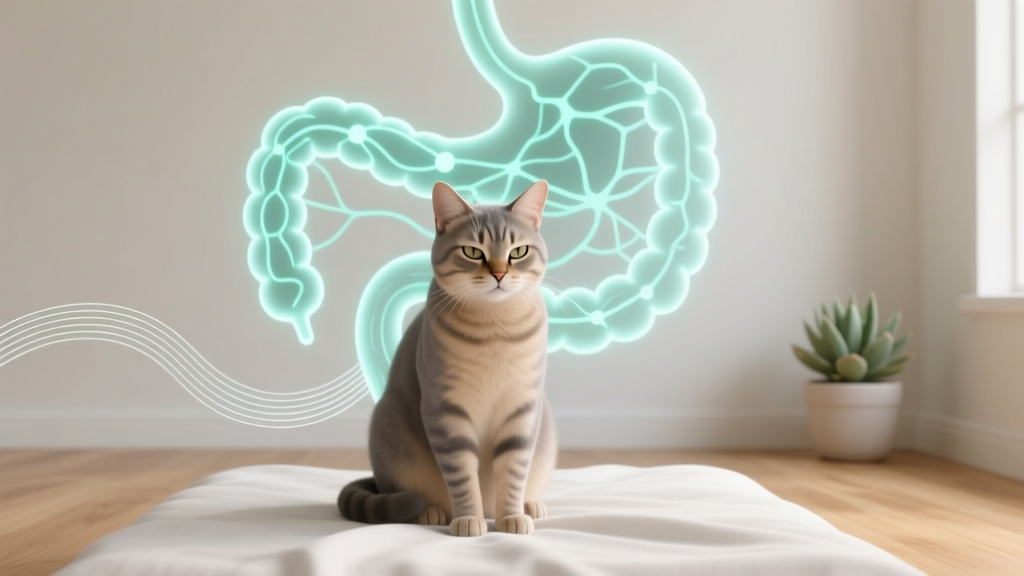
Feline coronavirus (FCoV) is very common, especially in environments where many cats share litter boxes (multi-cat homes, shelters, catteries). In most cats, FCoV stays in the intestinal tract and may cause:
- No symptoms
- Mild, self-limiting diarrhea
- Occasional vomiting or soft stool in kittens
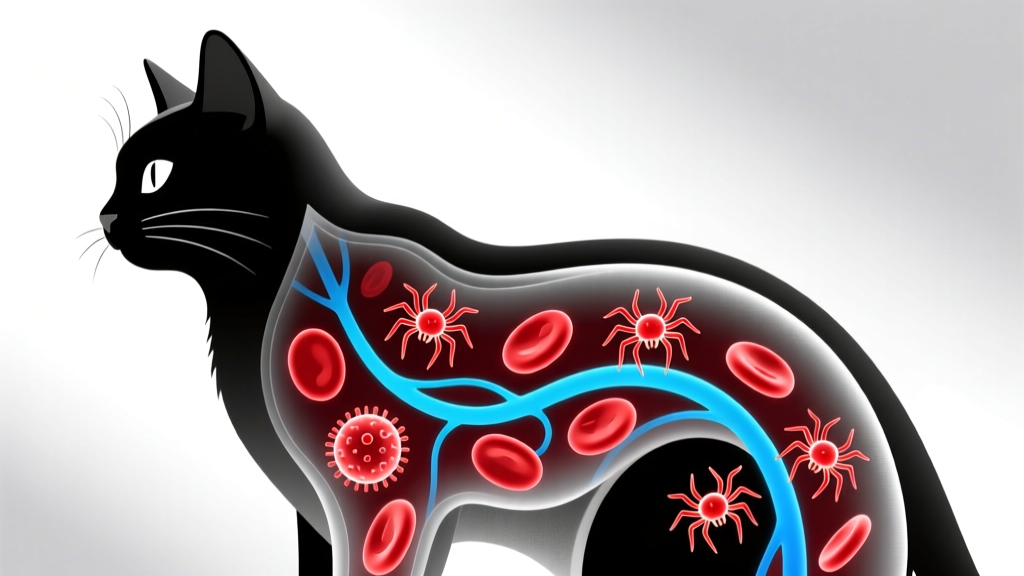
Feline infectious peritonitis (FIP) is not simply “catching a worse strain” from another cat in most cases. Instead, FIP usually develops when the virus mutates inside a cat’s body. That mutation changes how the virus behaves: it gains the ability to replicate in certain immune cells (especially macrophages). Once that happens, it can spread beyond the intestines and trigger an intense inflammatory response throughout the body.
There are two classic forms of FIP, though many cats show a mix:
- Effusive (“wet”) FIP: Inflammation causes fluid to leak into body cavities, often the abdomen (ascites) or chest (pleural effusion).
- Non-effusive (“dry”) FIP: Instead of large fluid buildup, inflammation forms lesions (granulomas) in organs such as the kidneys, liver, lymph nodes, eyes, or brain.
FIP can also affect the eyes (ocular FIP) and nervous system (neurologic FIP). These can occur with wet or dry forms and may be subtle early on.
3. Symptoms and warning signs to watch for
Because FIP can look like many other illnesses at first, the most helpful approach is to pay attention to patterns: symptoms that persist, worsen, or don’t match a simple “stomach bug.” Contact your veterinarian if you notice any of the following, especially in kittens or young cats.
General signs (often early)
- Low energy, hiding more than usual
- Reduced appetite or picky eating that persists
- Weight loss or failure to gain weight in a growing kitten
- Recurring fever that doesn’t respond well to antibiotics
- Dull coat, decreased grooming
Signs more suggestive of wet (effusive) FIP
- Swollen or “pot-bellied” abdomen from fluid buildup
- Difficulty breathing, rapid breathing, or open-mouth breathing (fluid in chest)
- Decreased activity and appetite that worsens quickly
Signs more suggestive of dry (non-effusive) FIP
- Gradual weight loss and chronic lethargy
- Persistent fever
- Enlarged lymph nodes
- Jaundice (yellow tint to gums, eyes, or skin)
- Vomiting or diarrhea that doesn’t resolve
Eye and neurologic warning signs (urgent to evaluate)
- Changes in eye color, cloudy eye, redness, visible inflammation
- Unequal pupils or vision changes
- Wobbliness, stumbling, head tilt, tremors
- Seizures or sudden behavior changes
If your cat shows any combination of these signs, schedule a veterinary visit promptly. Many treatable conditions look similar, and the only way to sort them out is with an exam and testing.
4. Causes and risk factors
Cause: FIP usually begins with exposure to feline coronavirus (FCoV). The virus is primarily shed in feces and spread through the fecal-oral route—often via shared litter boxes, contaminated paws, or grooming. After infection, some cats eliminate the virus, while others become intermittent or persistent shedders.
Key point: FIP develops when FCoV mutates inside an individual cat. This mutation is not something you can predict with certainty, but certain factors raise risk.
Common risk factors
- Age: Kittens and young cats (often under 2 years) are at higher risk. Older cats can also develop FIP, especially if immune-compromised.
- Multi-cat living: Higher exposure to FCoV due to shared litter boxes and close contact.
- Stress: Adoption, rehoming, boarding, surgery, introduction of new pets, or overcrowding can affect immune function.
- Underlying immune compromise: Chronic illness or medications that suppress the immune system.
- Genetics: Some bloodlines and populations appear more susceptible, likely due to inherited immune response traits.
Does FIP “spread” from cat to cat?
Typical FIP is generally considered not highly contagious in the way feline coronavirus is. Cats mainly spread FCoV (the common intestinal virus), not “FIP itself.” That said, in rare situations, certain viral variants and high-shedding environments may increase risk in a group setting. If you have a cat diagnosed with FIP, work with your veterinarian on household management and risk reduction.
5. Diagnosis methods and what to expect at the vet
Diagnosing FIP can be challenging because there is no single simple screening test that definitively says “yes” in every case. Veterinarians usually build a diagnosis using a combination of history, clinical signs, lab work, imaging, and sometimes analysis of fluid or tissue.
What your veterinarian may do
- Physical exam: Checking hydration, weight, abdominal size, lymph nodes, temperature, heart and lung sounds, and overall comfort.
- Bloodwork (CBC and chemistry panel): Looking for anemia, high globulins, low albumin, elevated liver enzymes, bilirubin changes, and inflammation markers.
- Albumin-to-globulin (A:G) ratio: A low ratio can support suspicion (not diagnostic by itself).
- Imaging: Ultrasound or X-rays to look for fluid, enlarged organs, intestinal changes, and lymph node enlargement.
- Fluid sampling (if present): If there is abdominal or chest fluid, your vet may collect a sample to evaluate protein level, cell types, and appearance. Some fluid characteristics are strongly suggestive of FIP.
- Coronavirus testing: Antibody titers or PCR tests can indicate exposure to FCoV, but exposure is common, so results must be interpreted carefully. PCR on fluid or tissue can be more informative than a simple blood antibody test.
- Additional tests: Tests to rule out other diseases (toxoplasmosis, lymphoma, bacterial infections, pancreatitis, heart disease, kidney/liver disease).
Plan for your vet to discuss probabilities rather than instant certainty, especially early on. If FIP is strongly suspected, your veterinarian may recommend referral to an internal medicine specialist for ultrasound-guided sampling or advanced diagnostics.
6. Treatment options (medical, surgical, home care)
FIP treatment has changed rapidly in recent years. Supportive care remains important, and antiviral therapy has become a major discussion point in many regions. Because regulations and availability vary by location, your veterinarian is the best guide for what is appropriate and legal where you live.
Medical treatment
- Antiviral therapy: Your veterinarian may discuss antiviral medications that target coronavirus replication. In many areas, these treatments have shown high success rates when started promptly and managed carefully, but dosing, monitoring, and product sourcing must be handled responsibly under veterinary guidance.
- Anti-inflammatory support: Some cats may receive medications to reduce inflammation and improve comfort. Steroids were historically used for symptom relief; your veterinarian will weigh pros/cons, especially if antiviral therapy is being pursued.
- Appetite and nausea control: Anti-nausea meds, appetite stimulants, and stomach protectants can help cats maintain nutrition.
- Antibiotics: Not a treatment for FIP itself, but may be used if secondary bacterial infection is suspected or while diagnostics are ongoing.
Procedures and “surgical” style interventions
- Fluid drainage: If chest fluid is impairing breathing, your vet may remove fluid (thoracocentesis). Abdominal fluid is less commonly drained unless it’s causing significant discomfort or affecting breathing, because it can re-accumulate and repeated drainage can stress the cat.
- Feeding tube placement: For cats that won’t eat enough, a temporary feeding tube can be a lifesaving supportive measure and can reduce stress around syringe-feeding.
Home care you can do right away (with vet guidance)
- Track daily basics: Appetite, water intake, litter box habits, energy level, breathing rate at rest, and weight (a baby scale works well).
- Support nutrition: Offer highly palatable, calorie-dense canned food; warm it slightly to enhance aroma. Feed small, frequent meals.
- Reduce stress: Provide a quiet recovery space, predictable routines, and easy access to food, water, and litter.
- Make hydration easier: Multiple water stations, a fountain, and adding water to wet food (if your cat accepts it).
- Medication routines: Use a written schedule and ask your vet about compounding options if pilling is difficult.
Never start or change FIP-related medications without a veterinarian’s involvement. Cats with similar symptoms can have very different diseases, and the wrong approach can delay correct treatment.
7. Prevention strategies and early detection tips
You can’t fully “vaccinate away” or guarantee prevention of FIP in every cat, but you can lower coronavirus exposure and reduce stress-related risk.
Practical prevention for multi-cat homes
- Litter box management: Provide at least one box per cat, plus one extra. Scoop daily and clean boxes regularly with soap and water.
- Reduce crowding: Create vertical space (cat trees, shelves) and separate resources (food bowls, resting spots) to reduce stress.
- Stable routines: Keep feeding times, play, and quiet time consistent, especially for kittens and newly adopted cats.
- Careful introductions: Slow introductions for new cats can reduce stress and limit exposure spikes.
- Hygiene basics: Wash hands between handling litters in foster situations; avoid sharing litter scoops between groups without cleaning.
Early detection tips
- Weigh kittens weekly: Poor growth is an early red flag worth a vet visit.
- Know your cat’s normal: Appetite, energy, playfulness, and stool consistency. Subtle changes for more than a few days warrant a check-up.
- Don’t “wait out” persistent fever: If your cat seems unwell and fever keeps returning, ask your vet about further diagnostics.
Ask your veterinarian whether coronavirus testing is useful for your situation. In many households, a positive coronavirus antibody test mainly confirms common exposure and doesn’t predict FIP by itself.
8. Prognosis and quality of life considerations
Prognosis depends on the form of disease, which organs are affected, how early it’s recognized, and what treatment options are available. Historically, FIP was often fatal, and supportive care focused on comfort. With newer antiviral approaches, many cats can achieve remission and return to normal life, though careful monitoring is still needed.
Quality of life: what to prioritize
- Comfort: Breathing ease, pain control, ability to rest.
- Nutrition and hydration: Preventing muscle loss and supporting recovery.
- Stress reduction: Calm environment, gentle handling, predictable routine.
- Monitoring: Regular rechecks and bloodwork as recommended to track response and detect complications early.
If you’re facing an FIP diagnosis, ask your veterinarian for clear goals: what improvement should you see in 3–7 days, what changes require an urgent update, and what recheck schedule is recommended.
9. When to seek emergency veterinary care
Seek emergency care right away if you notice:
- Trouble breathing (rapid breathing at rest, open-mouth breathing, significant effort)
- Collapse, extreme weakness, or unresponsiveness
- Seizures or sudden inability to walk normally
- Severe dehydration (sunken eyes, tacky gums, not drinking, profound lethargy)
- Very distended abdomen with discomfort, vomiting, or inability to rest
- Yellow gums/eyes plus lethargy or poor appetite
If you’re unsure, call your vet or an emergency clinic and describe exactly what you’re seeing, including breathing rate (count breaths per minute while resting) and whether your cat is eating and drinking.
10. FAQ: Common questions cat owners ask
1) If my cat has feline coronavirus, will they definitely get FIP?
No. Most cats exposed to feline coronavirus never develop FIP. FIP is an uncommon outcome that typically requires a viral mutation inside the cat plus factors related to immune response and stress. A positive coronavirus test does not mean FIP is inevitable.
2) Can my other cats catch FIP from my sick cat?
Other cats are more likely to be exposed to feline coronavirus than to “FIP” directly. Risk management focuses on reducing fecal-oral exposure (litter box hygiene) and lowering stress in the household. Talk with your veterinarian about the best plan for your specific home, especially if you have kittens.
3) What’s the difference between wet and dry FIP?
Wet (effusive) FIP causes fluid buildup in the abdomen and/or chest, which can lead to a swollen belly or breathing difficulty. Dry (non-effusive) FIP causes inflammatory lesions in organs and may present with weight loss, fever, and organ-related signs. Many cats show overlapping features.
4) How is FIP confirmed?
Confirmation can involve a combination of exam findings, bloodwork patterns, imaging, and analysis of fluid (if present). In some cases, specialized testing (PCR on fluid/tissue or biopsies) is used. Your veterinarian often works with probabilities while ruling out other conditions that mimic FIP.
5) Is there a cure for FIP?
Treatment options have improved significantly, and many cats can achieve remission with appropriate antiviral therapy and supportive care. Outcomes vary by case, and the safest approach is to work closely with a veterinarian for diagnosis, treatment planning, and monitoring.
6) What can I do today to protect my cat?
- Scoop litter boxes daily and reduce sharing when possible.
- Support low-stress routines and slow introductions for new cats.
- Weigh kittens weekly and schedule a vet visit for poor growth, lingering diarrhea, or persistent lethargy.
- If your cat seems unwell for more than 24–48 hours, especially a kitten, book an appointment rather than waiting.
If you’re worried your cat may have FIP—or any ongoing illness—schedule a veterinary exam as soon as possible. Early evaluation is the best way to get answers and start the right care.
For more cat health guides, symptom check tips, and supportive care articles written for cat owners, visit catloversbase.com.