Cat Urethral Obstruction: Tomcat Blockage Emergency Protocol
1. Why this topic matters to cat owners
A urethral obstruction (often called a “blocked cat” or “tomcat blockage”) is one of the most urgent emergencies in feline medicine. It happens when a cat cannot pass urine because the urethra (the tube that carries urine out of the body) is partially or fully blocked. When urine can’t leave, toxins build up quickly, the bladder becomes dangerously stretched and painful, and life-threatening electrolyte imbalances can develop.
The reassuring part: with fast veterinary care, many cats recover well and go back to normal life. Knowing the early warning signs and having an emergency protocol in mind can make the difference between a close call and a crisis.
2. Overview: what a urethral obstruction is (plain-language medical explanation)
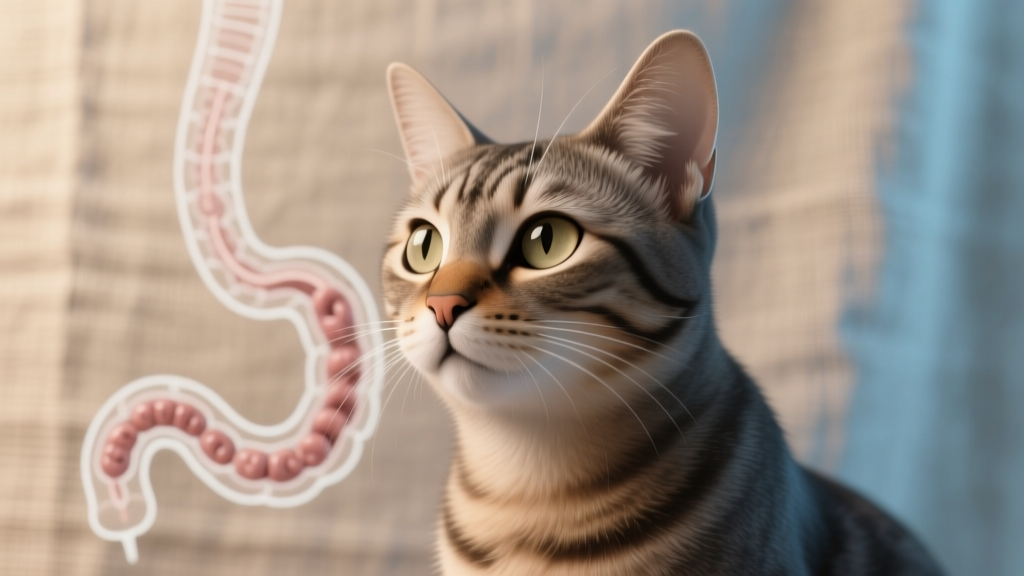
Urine is produced by the kidneys, stored in the bladder, and leaves the body through the urethra. In many cats—especially male cats—the urethra is narrow. That narrow passage can become blocked by:
- Mucus and inflammatory debris (common in feline lower urinary tract disease, or FLUTD)
- Crystals or small stones that clump together
- Urethral plugs (a mix of mucus, crystals, cells)
- Swelling and muscle spasm of the urethra
When a blockage occurs, the bladder fills but can’t empty. Pressure backs up toward the kidneys, and waste products that should be excreted remain in the bloodstream. Over 24–72 hours (sometimes sooner), cats can develop severe dehydration, dangerous potassium elevations (hyperkalemia), abnormal heart rhythms, shock, and death without treatment.
Male cats are at the highest risk because their urethra is longer and narrower—especially near the penis, where the tube is smallest. Female cats can have urinary issues too, but true “blockage” is far less common.
3. Symptoms and warning signs to watch for
The earliest signs can look like “constipation” or “a cat being picky about the litter box.” If you remember one rule, make it this: straining in the litter box is a same-day veterinary problem until proven otherwise.
Common warning signs
- Frequent trips to the litter box, staying in position a long time
- Straining to urinate (may look like trying to poop)
- Passing only a few drops of urine, or no urine at all
- Crying, yowling, or signs of pain during litter box attempts
- Blood-tinged urine
- Urinating outside the box (often due to pain or urgency)
- Excessive licking of the penis or genital area
Signs that suggest a true emergency (possible full obstruction)
- No urine produced (especially over 6–12 hours with repeated straining)
- Vomiting
- Hiding, collapse, extreme lethargy
- Refusing food
- Hard, painful abdomen or a firm “balloon-like” bladder if gently felt (do not press hard)
If you’re unsure whether your cat is constipated or blocked, treat it like a urinary emergency and contact a veterinarian immediately. Cats that are blocked often squat repeatedly and produce little to nothing—while constipated cats tend to strain and may pass small, dry stool or none at all, but they are not usually visiting the box dozens of times to urinate.
4. Causes and risk factors
Urethral obstruction is usually related to inflammation in the bladder and urethra, combined with physical material that clogs the narrow tube.
Common causes
- Feline idiopathic cystitis (FIC): stress-associated bladder inflammation; a major contributor in many blocked cats
- Crystals (often struvite; sometimes calcium oxalate) that form in urine
- Bladder stones that irritate the bladder and/or lodge near the urethra
- Urethral plugs (mucus + crystals + cells)
- Less common: urethral scarring/stricture, tumors, trauma
Risk factors (cats most at risk)
- Male cats, especially neutered males
- Indoor lifestyle with low activity
- Overweight/obesity
- Low water intake (dry-food-only diets may contribute for some cats)
- Stress (new pets, moving, schedule changes, conflict with other cats)
- History of urinary issues or prior blockage (high risk of recurrence)
- Infrequent litter box cleaning or limited box access
5. Diagnosis: what to expect at the vet
If a urethral obstruction is suspected, the veterinary team will treat it as urgent. Their first priorities are pain relief, stabilizing your cat, and determining whether urine flow is blocked.
Typical steps in a veterinary workup
- Physical exam: checking hydration, heart rate, abdominal pain; feeling the bladder size and firmness
- Bloodwork:
- Kidney values (BUN/creatinine)
- Electrolytes, especially potassium (hyperkalemia can be life-threatening)
- Acid-base status and dehydration indicators
- Urinalysis: checks urine concentration, blood, crystals, inflammation; often collected once the blockage is relieved
- Imaging:
- X-rays to look for bladder stones (some stones are visible)
- Ultrasound to assess bladder contents, stones, and bladder wall changes
- Urine culture (selected cases): bacterial infections are less common in young/middle-aged male cats, but may be checked depending on history and findings
Many owners are surprised by how quickly things move. That speed is appropriate—blocked cats can deteriorate rapidly, and prompt treatment improves outcomes.
6. Treatment options (medical, surgical, home care)
Treatment depends on whether the cat is partially blocked, fully blocked, and whether this is a first-time event or a recurrence. A veterinarian should guide every step—this is not a condition to manage at home without professional care.
Emergency stabilization (first hours)
- Pain control (blocked cats are very painful)
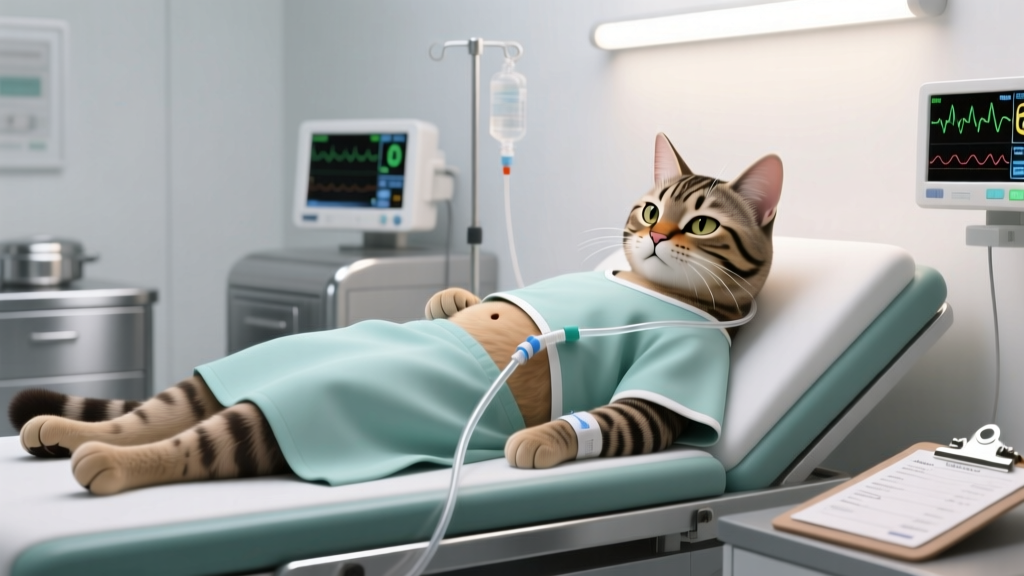
- IV fluids to correct dehydration, support kidney function, and help normalize electrolytes
- Medications to address nausea, urethral spasm, and inflammation as appropriate
- Monitoring of heart rhythm if potassium is high
Relieving the blockage
- Urinary catheterization: Under sedation or anesthesia, the veterinarian passes a sterile catheter to flush out the obstruction and restore urine flow.
- Temporary indwelling catheter: Often left in place for 12–72 hours to allow the urethra to “rest,” keep urine flowing, and enable monitoring.
- Bladder decompression: In select cases, the bladder may be gently emptied with a needle (cystocentesis) to relieve pressure, usually as a short-term stabilization step.
Hospital care after unblocking
- Continued IV fluids and monitoring of urine output
- Repeat bloodwork to confirm potassium and kidney values are improving
- Medications:
- Pain relief (often for several days)
- Urethral relaxants (commonly prescribed for male cats)
- Anti-nausea meds if needed
- Antibiotics only if there’s evidence of infection (not automatically required)
Surgical options
- Bladder stone removal (cystotomy) if stones are causing obstruction or repeated irritation
- Perineal urethrostomy (PU surgery): Creates a wider urinary opening by removing the narrowest portion of the male urethra. This is typically considered for:
- Repeated obstructions despite appropriate medical management
- Urethral strictures/scarring
- Some severe, recurrent cases where quality of life is affected
Home care after discharge (what owners can do immediately)
Your veterinarian will tailor instructions, but these steps are commonly recommended:
- Track urine output:
- Count litter box visits and look for normal-sized clumps
- If possible, use a non-clumping litter temporarily so you can see urine volume more clearly
- Give medications exactly as prescribed; don’t stop early unless your vet instructs you
- Encourage water intake:
- Offer multiple water bowls
- Try a pet water fountain
- Flavor water with a small amount of tuna water (no onions/garlic; ask your vet if your cat has dietary restrictions)
- Feed the recommended diet (often a urinary prescription diet); avoid switching foods without veterinary guidance
- Reduce stress:
- Keep routine predictable
- Provide quiet resting spaces
- Use pheromone diffusers if advised
- Litter box management:
- Provide enough boxes (aim for number of cats + 1)
- Scoop daily, wash regularly, place boxes in low-traffic areas
7. Prevention strategies and early detection tips
Prevention focuses on keeping urine dilute, minimizing bladder irritation, and reducing stress—especially for cats with a prior urinary event.
Practical prevention checklist
- Increase moisture intake:
- Consider transitioning to canned food or a mixed diet if appropriate
- Add water to wet food (gradually)
- Use veterinary-recommended urinary diets when indicated:
- These can help manage struvite crystals and reduce recurrence risk in some cats
- Your vet will choose based on crystal type, urine pH, and history
- Weight management and play: daily interactive play and portion control can help reduce risk
- Stress reduction:
- Provide vertical space and hiding spots
- Separate resources in multi-cat homes (food, water, boxes)
- Address inter-cat conflict early
- Routine veterinary checks: especially if your cat has had urinary issues before
Early detection tips
- Know your cat’s “normal”: how often they urinate and typical clump size
- Watch for subtle behavior changes: licking, hiding, irritability, litter box hesitation
- Consider monitoring tools:
- Clump-counting and a simple daily log
- Pet health apps or notes on your phone
- In multi-cat homes, occasional “solo time” access to a box can help you identify who is having trouble
8. Prognosis and quality of life considerations
Most cats that receive prompt treatment recover, especially after a first-time obstruction. The main concerns are:
- Recurrence: Many cats are at risk of re-blocking, particularly in the days to weeks after an event.
- Underlying bladder inflammation: Some cats have recurring FLUTD episodes even without full obstruction.
- Long-term management: Diet, hydration, and stress control can significantly improve quality of life.
Cats who undergo PU surgery often have a good quality of life and may avoid future life-threatening blockages, though they can still develop urinary tract infections or irritation and will need ongoing monitoring.
9. When to seek emergency veterinary care (Tomcat Blockage Emergency Protocol)
If you suspect your cat may be blocked, err on the side of safety. A phone call to your veterinarian or the nearest emergency hospital is appropriate immediately.
Go to an emergency vet now if you notice:
- Repeated straining with little to no urine produced
- Crying in the litter box or obvious pain
- Vomiting, severe lethargy, collapse, or weakness
- A cat who seems unable to get comfortable, keeps squatting, or is going in and out of the box constantly
- A history of prior obstruction and any return of urinary straining
What you can do while preparing to leave (safe, practical steps)
- Do not attempt to express the bladder at home. This can rupture the bladder or worsen injury.
- Do not give human pain medications (many are toxic to cats).
- Keep your cat calm and warm; stress can worsen urethral spasm.
- Transport in a carrier with a towel or pee pad.
- Call ahead so the clinic is ready for an emergency arrival.
10. FAQ: Common questions cat owners ask
Can a cat be blocked and still pass a little urine?
Yes. Some cats have a partial obstruction where a few drops leak out, but the bladder still can’t empty normally. Repeated straining with only small amounts is still urgent and should be evaluated by a veterinarian the same day.
How fast does urethral obstruction become dangerous?
It can become life-threatening within 24–72 hours, sometimes sooner depending on how complete the blockage is and how quickly potassium rises. If your cat is producing no urine and appears unwell, treat it as an immediate emergency.
Is this the same as a urinary tract infection (UTI)?
Not exactly. UTIs are caused by bacteria, while many blocked male cats have inflammation (often stress-related) with crystals or plugs rather than infection. Your veterinarian may test for infection, but antibiotics aren’t always needed.
Will my cat get blocked again?
Recurrence is possible, especially within the first few weeks after an obstruction. Following your vet’s diet, hydration, medication, and stress-reduction plan greatly lowers risk. Contact your vet promptly if you see any return of straining or frequent litter box trips.
Should I switch to wet food to prevent another blockage?
Increasing moisture often helps by diluting urine and encouraging more frequent urination. Many cats benefit from wet food or a mixed diet, but the best choice depends on your cat’s history and crystal type. Ask your veterinarian about an appropriate urinary diet plan.
What’s the difference between treating medically and PU surgery?
Medical treatment aims to relieve the blockage and manage the underlying cause with diet, hydration, and medications. PU surgery is usually reserved for cats with repeated obstructions or urethral damage; it widens the urinary outflow so future life-threatening blockages are less likely. Your veterinarian will discuss risks, benefits, and whether your cat is a candidate.
If your cat is showing any urinary straining, pain, or repeated litter box visits, contact a veterinarian right away. Prompt, professional care is the safest path—and the best way to protect your cat’s comfort and long-term health.
For more caring, practical cat health guidance, visit catloversbase.com and explore our growing library of feline wellness resources.