Feline Macracanthorhynchus: Pig Acanthocephalan
1. Why this topic matters to cat owners
If your cat enjoys hunting, exploring outdoors, or has a habit of catching insects, you may wonder what unusual parasites they could be exposed to. Macracanthorhynchus hirudinaceus, sometimes called the pig acanthocephalan or “thorny-headed worm,” is primarily a parasite of pigs and wild boars. Cats are not a typical host, but they can become infected in certain situations—usually after eating an infected insect or small prey animal.
This topic matters because infections can irritate or injure the digestive tract, cause vague gastrointestinal signs, and in rare cases lead to serious complications such as intestinal blockage or perforation. The reassuring news: with prompt veterinary care and practical prevention steps, most cats can be protected, and cases can be managed effectively.
2. Overview: What is Macracanthorhynchus in cats?
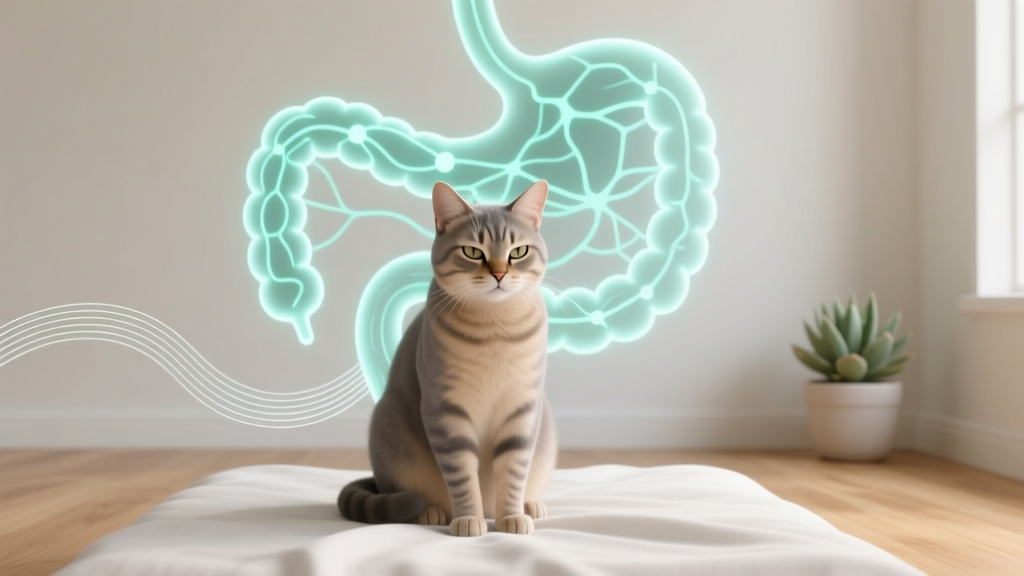
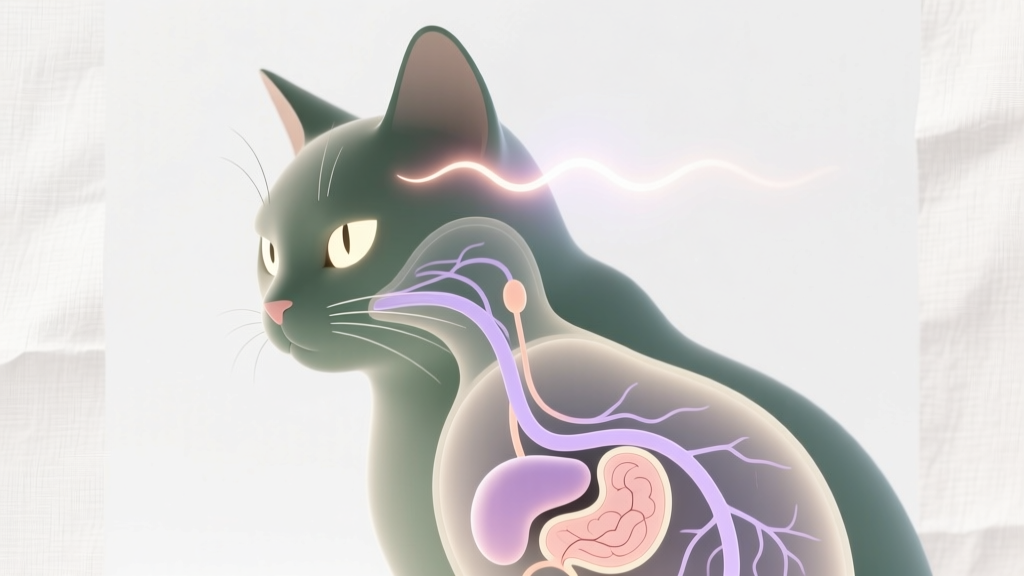
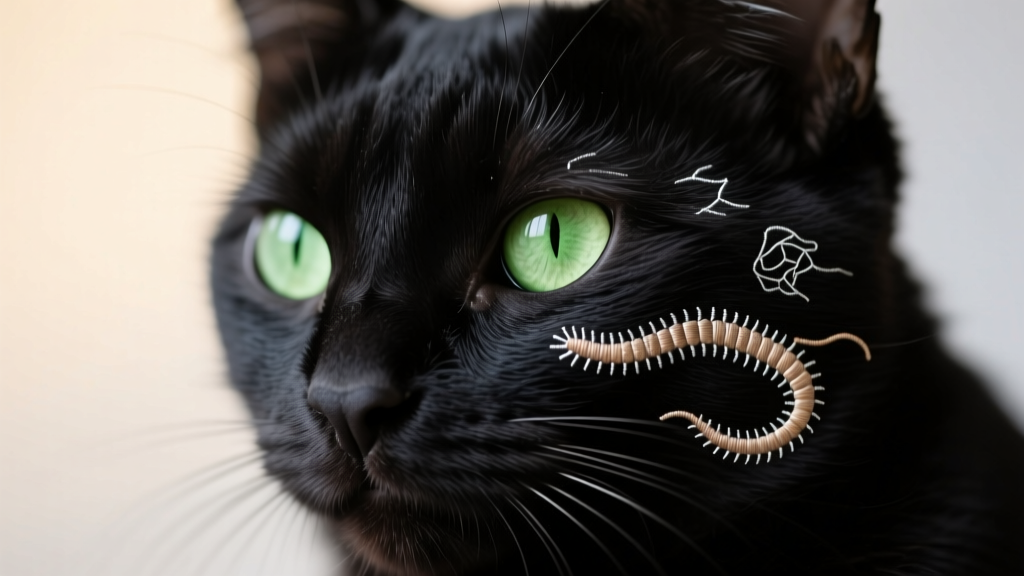
Macracanthorhynchus is an acanthocephalan, a group of parasites known as “thorny-headed worms.” Unlike roundworms or tapeworms, acanthocephalans attach to the intestinal wall using a spiny, retractable structure called a proboscis. This “anchor” can cause inflammation and tissue damage where it embeds.
Key points in plain language:
- Primary host: pigs and wild boars (where adult worms live in the intestines).
- Intermediate host: typically beetles or other insects; larvae develop inside them.
- How cats fit in: cats can become accidental hosts if they eat infected insects (like certain beetles) or prey that ate those insects.
- Where it lives: the small intestine is most common.
- Why it can be harmful: the spiny attachment can injure the intestinal lining, potentially leading to pain, bleeding, infection, or rarely a hole in the intestine.
Because it’s uncommon in cats, it’s not always the first parasite a veterinarian suspects. Still, it’s worth understanding if your cat has risk factors or unexplained digestive issues—especially if they roam outdoors.
3. Symptoms and warning signs to watch for
Some cats show mild or nonspecific signs at first, and symptoms can resemble many other gastrointestinal conditions. Contact your veterinarian if you notice any of the following, especially if they persist longer than 24–48 hours or worsen.
- Vomiting (intermittent or frequent)
- Diarrhea or softer stools
- Decreased appetite or picky eating that’s out of character
- Weight loss or poor body condition
- Abdominal discomfort (hunched posture, reluctance to be picked up, hiding)
- Lethargy or reduced interest in play
- Blood in stool (bright red streaks or darker, tar-like stool)
- Signs of intestinal blockage: repeated vomiting, swollen belly, not passing stool, sudden decline
Some owners ask if they might see the parasite in vomit or stool. It’s possible with some intestinal worms, but with acanthocephalans, it’s not reliable. Even if you do see something unusual, a vet needs to identify it properly.
4. Causes and risk factors
A cat typically becomes infected by ingesting a life stage of the parasite inside an intermediate host.
Common routes of exposure:
- Eating infected beetles or other insects (particularly scarab-type beetles in some regions)
- Eating prey (small mammals, reptiles, amphibians) that consumed infected insects
- Outdoor access in areas with pigs, wild boar, or abundant beetles
Risk factors that increase the odds:
- Outdoor roaming, barn cats, farm-adjacent living
- Strong hunting drive; frequent insect-catching
- Living in regions with wild boar populations
- Limited parasite prevention routines (fecal checks, deworming plans)
Macracanthorhynchus does not spread directly from cat to cat in typical household settings. The insect intermediate host is the key link in the life cycle.
5. Diagnosis methods and what to expect at the vet
If your veterinarian suspects an intestinal parasite or unexplained gastrointestinal disease, they’ll start with a thorough history and exam. Be ready to answer questions about outdoor access, hunting, exposure to insects, and any vomiting/diarrhea patterns.
Common diagnostic steps:
- Physical exam: checking hydration, abdominal pain, body weight, and overall condition
- Fecal testing: a fecal flotation or other lab-based fecal tests may detect eggs, but detection can be inconsistent depending on shedding and test method
- Fecal PCR or advanced testing: may be considered in complex or persistent cases (availability varies)
- Bloodwork: helps assess dehydration, inflammation, anemia, and organ function; also helps rule out other causes
- Imaging: abdominal X-rays or ultrasound can evaluate thickened intestines, obstruction, intestinal motility, and complications
- Endoscopy or surgery: in rare cases, a parasite may be visualized or removed, and tissue samples may be taken if the intestinal wall is damaged
What to bring to the appointment:
- A fresh stool sample (if possible, within a few hours; refrigerate if needed)
- Notes on vomiting/diarrhea frequency, appetite, and weight changes
- Information on any dewormers or medications given recently
Because this parasite is unusual in cats, your veterinarian may consult a reference lab or parasitologist if identification is uncertain. That’s normal and helps ensure correct treatment.
6. Treatment options (medical, surgical, home care)
Treatment depends on how sick your cat is, whether there are complications, and what your veterinarian identifies. Never give over-the-counter dewormers without veterinary guidance—some products don’t cover uncommon parasites, and incorrect dosing can be risky.
Medical treatment
- Antiparasitic medications: There is no single “one-size-fits-all” dewormer for every rare parasite. Your veterinarian will choose a medication plan based on suspected or confirmed species and your cat’s condition. Follow dosing instructions exactly and complete the full course.
- Supportive care: anti-nausea medication, probiotics or gut-protectants, and fluids may be recommended if vomiting/diarrhea has caused dehydration or stomach upset.
- Pain control: if abdominal discomfort is present. Only use pain medications prescribed for cats—human NSAIDs can be dangerous.
- Antibiotics: may be used if intestinal injury raises concern for bacterial translocation or secondary infection (your vet will decide if needed).
Surgical treatment
Surgery is not common, but it may be necessary if there is:
- Intestinal obstruction
- Suspected perforation (a hole in the intestine)
- Severe localized damage where removal of the affected segment is the safest option
Your veterinarian will discuss imaging results, risks, expected recovery time, and costs before proceeding when possible.
Home care (what you can do right away)
- Follow medication directions precisely; do not stop early even if your cat improves.
- Offer a bland, vet-approved diet if recommended (your vet may suggest gastrointestinal prescription food for a short period).
- Encourage hydration: provide fresh water, consider a cat water fountain, and ask your vet if wet food is appropriate during recovery.
- Monitor the litter box: track stool frequency, consistency, and any blood or straining.
- Keep your cat indoors during recovery to reduce reinfection risk and allow close monitoring.
7. Prevention strategies and early detection tips
Prevention focuses on breaking the life cycle by limiting exposure to intermediate hosts and maintaining routine veterinary screening.
Practical prevention steps:
- Limit hunting and insect-eating: keep cats indoors or use supervised outdoor time (catio, leash-and-harness).
- Reduce access to beetles and prey: seal garbage, remove outdoor food sources, and keep barns/garages tidy where insects gather.
- Routine fecal exams: ask your vet how often (commonly 1–2 times per year for many cats, more for outdoor cats).
- Parasite prevention plan: use veterinarian-recommended parasite control appropriate for your cat’s lifestyle and region.
- Prompt vet visit for GI signs: early evaluation helps prevent dehydration and catches complications sooner.
Early detection tips for owners:
- Weigh your cat monthly at home (a baby scale works well) to catch subtle weight loss.
- Keep a simple log of vomiting/diarrhea episodes.
- Take a photo of unusual stool or vomit (and bring a sample if safe) to help your vet.
8. Prognosis and quality of life considerations
When identified early and treated appropriately, many cats recover well and return to normal routines. Prognosis depends on:
- Parasite burden (how many and how long they’ve been present)
- Degree of intestinal injury
- Whether complications occur (obstruction, perforation, peritonitis)
- Your cat’s age and overall health
Quality of life during recovery is usually good with supportive care, a calm environment, and close monitoring. If surgery is required, recovery may take longer, but many cats still do very well with good postoperative care and follow-up visits.
9. When to seek emergency veterinary care
Contact an emergency veterinarian right away if your cat has any of these signs:
- Repeated vomiting (especially unable to keep water down)
- Severe lethargy, collapse, or sudden weakness
- Swollen, painful abdomen or crying when picked up
- Suspected intestinal blockage: vomiting plus no stool, or straining with little output
- Blood in vomit or black, tarry stool
- Signs of dehydration: tacky gums, sunken eyes, very low energy
- Fever or rapid breathing (may indicate systemic illness)
If you’re unsure whether it’s an emergency, call a veterinary clinic for guidance. It’s always better to ask early than to wait while a cat becomes dehydrated or painful.
10. FAQ: Common questions cat owners ask
Can indoor cats get Macracanthorhynchus?
It’s uncommon, but possible if an indoor cat eats an infected insect that got inside the home or eats a lizard/rodent brought in. The risk is much higher for cats with outdoor access or hunting opportunities.
Is this parasite contagious to other pets or humans?
Direct cat-to-cat spread is not typical because an insect intermediate host is required. Human infection is considered rare but has been reported with acanthocephalans in general. Good hygiene is still smart: wash hands after litter box cleaning, keep litter boxes clean, and prevent pets from hunting insects and wildlife.
Will regular dewormers prevent it?
Not always. Many routine dewormers are designed for common parasites (roundworms, hookworms, some tapeworms). Your veterinarian can recommend the right approach based on your cat’s risk factors and local parasite patterns.
What should I do if I see something worm-like in my cat’s stool or vomit?
Save the sample if you can (in a sealed container or bag), take a photo, and call your veterinarian. Don’t start random dewormers at home—accurate identification matters, especially for less common parasites.
How can I reduce my cat’s risk quickly starting today?
- Keep your cat indoors or supervised outdoors.
- Schedule a fecal test if your cat is an outdoor hunter or has GI signs.
- Ask your vet for a personalized parasite prevention plan.
- Reduce insect entry by fixing screens and minimizing outdoor lighting that attracts beetles near doors/windows.
Could my cat’s vomiting be caused by something else?
Yes. Vomiting and diarrhea can come from dietary intolerance, hairballs, inflammatory bowel disease, pancreatitis, foreign bodies (string/toys), other parasites, or infections. That’s why a veterinary exam and testing are so valuable—treatment depends on the cause.
If you suspect your cat may have been exposed to unusual parasites or is showing persistent stomach or intestinal signs, schedule a veterinary appointment. Professional diagnosis and treatment are the safest way to protect your cat’s comfort and long-term health.
For more practical cat health guides, symptom checklists, and prevention tips, visit catloversbase.com.