Feline Schistosoma: Blood Fluke Vascular Disease
1. Why this topic matters to cat owners
Most cat parents never expect to hear the words “blood fluke” at the vet’s office. Schistosoma species are parasites (flatworms) best known for causing disease in people and some animals in parts of the world where freshwater exposure is common. Cats can be affected too—rarely, but potentially seriously—because these parasites live in blood vessels and can trigger inflammation, scarring, and organ stress.
This matters for cat owners because the signs can look like more common issues (urinary tract disease, intestinal upset, weight loss, coughing), and early veterinary attention can make a big difference. The goal of this article is to help you recognize possible warning signs, understand how infection happens, and learn practical steps to reduce risk—without panic. If you’re worried your cat may have been exposed, your veterinarian is the best partner for testing and treatment.
2. Overview: What is feline Schistosoma (blood fluke vascular disease)?
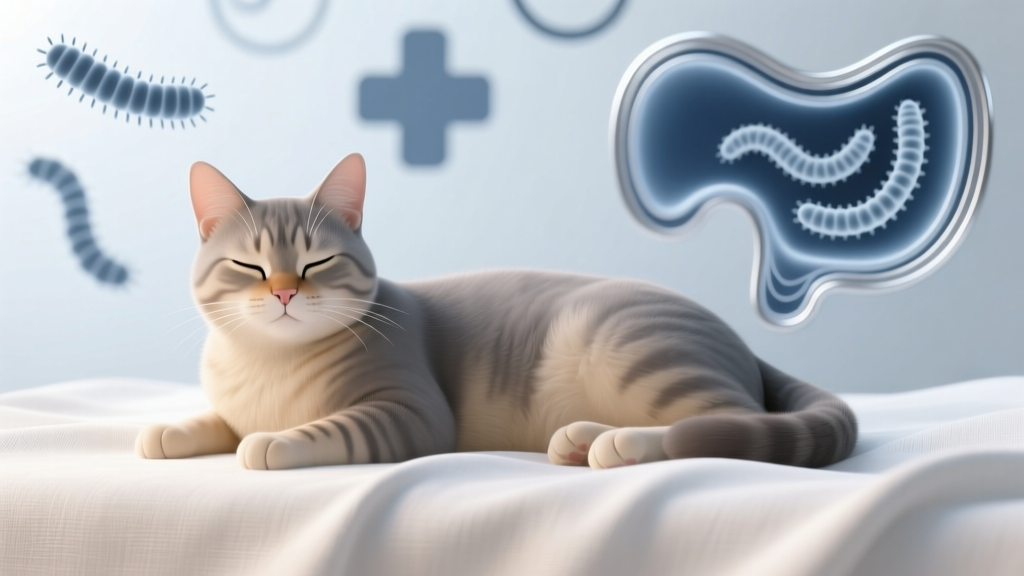
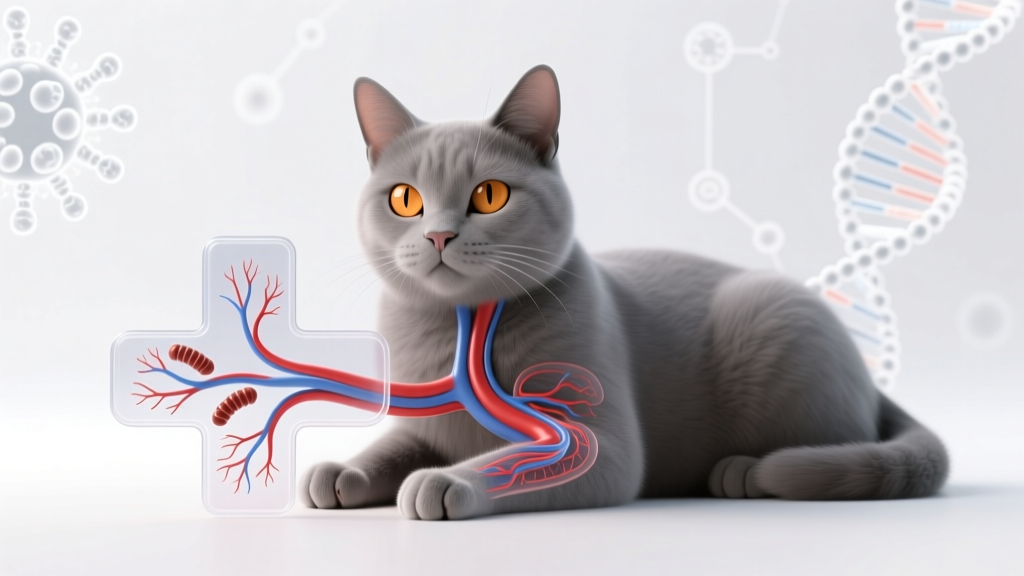
Schistosomiasis is disease caused by Schistosoma parasites, often called blood flukes. Unlike many intestinal worms that live in the gut, Schistosoma adults live in blood vessels. Depending on the species, they may favor vessels around the intestines, liver, urinary tract, or other organs.
The life cycle involves freshwater snails in many regions. Infected snails release microscopic larval forms that can penetrate skin or mucous membranes. Once inside the body, the parasite migrates through tissues, matures, and can produce eggs. Many of the clinical problems are caused by the body’s immune response to eggs that become lodged in tissues, leading to:
- Inflammation (irritation and immune reaction)
- Granulomas (small inflammatory nodules around eggs)
- Fibrosis (scar tissue over time)
- Vascular changes that may affect blood flow and organ function
In cats, documented Schistosoma infections are uncommon and may be underdiagnosed because signs are nonspecific and testing is specialized. Your vet will consider this condition more strongly if your cat has a compatible history (freshwater exposure, travel, living in an endemic region) plus unexplained urinary, gastrointestinal, or respiratory signs.
3. Symptoms and warning signs to watch for
Symptoms vary depending on which blood vessels and organs are most affected and how strongly your cat’s immune system reacts. Some cats may show mild signs at first that gradually worsen.
Common signs that can occur
- Weight loss or poor body condition despite normal eating
- Lethargy, reduced activity, “not themselves” behavior
- Decreased appetite
- Vomiting or intermittent nausea
- Diarrhea or soft stool; sometimes mucus
Urinary tract–type signs (a common reason cats see the vet)
- Straining to urinate (dysuria)
- Frequent trips to the litter box with small amounts produced
- Blood in urine (pink/red urine or blood-tinged clumps)
- Accidents outside the litter box
Respiratory or cardiovascular-related signs (possible if vessels/lungs are involved)
- Coughing or increased respiratory effort
- Fast breathing at rest
- Exercise intolerance (tires quickly during play)
Signs linked to liver or intestinal blood flow issues
- Pot-bellied appearance or abdominal discomfort
- Jaundice (yellow tint to gums/whites of eyes) in severe cases
If your cat has any of these signs, especially combined with outdoor access or freshwater exposure, schedule a veterinary appointment. These signs overlap with many conditions, and a veterinarian will help narrow down the cause safely.
4. Causes and risk factors
Cats acquire Schistosoma infection through exposure to contaminated freshwater in areas where the parasite’s life cycle is established. Not every region has Schistosoma risk, and the specific species and transmission patterns vary by geography.
How exposure can happen
- Drinking from ponds, ditches, or slow-moving streams
- Hunting near wetlands or roaming in marshy areas
- Walking through shallow water (larvae can penetrate skin)
- Travel with owners to endemic regions (including temporary stays)
Risk factors that increase likelihood
- Outdoor lifestyle (especially unsupervised roaming)
- Living near freshwater with snail populations
- Warm climates where snail hosts thrive
- Households with dogs that swim frequently (may indicate shared environmental exposure; cats and dogs don’t directly “give” Schistosoma to each other the way fleas do, but they can share exposure sites)
Indoor-only cats with no freshwater exposure are at much lower risk. That said, any cat with unexplained signs deserves a proper veterinary workup regardless of lifestyle.
5. Diagnosis: methods and what to expect at the vet
Diagnosing feline schistosomiasis can be challenging because signs are nonspecific and egg shedding may be intermittent. Your veterinarian will start with the basics and then add targeted tests based on findings and exposure history.
History and physical exam
- Questions about outdoor access, freshwater exposure, travel, and hunting
- Physical exam focusing on hydration, weight, abdominal comfort, heart/lung sounds, and gum color
Common baseline tests
- Complete blood count (CBC): may show inflammation or certain white blood cell changes
- Blood chemistry panel: evaluates liver and kidney values, protein levels
- Urinalysis: checks for blood, protein, inflammation, crystals, infection
- Fecal testing: looks for parasites and other intestinal causes
More specific testing your vet may recommend
- Specialized fecal techniques (concentration methods) to look for Schistosoma eggs
- Urine sediment exam if urinary tract involvement is suspected
- Ultrasound of the abdomen to assess bladder wall, intestines, liver, and abdominal vessels
- Chest X-rays if coughing or breathing changes are present
- Advanced lab tests (depending on region and availability), which may include PCR or other specialized parasite diagnostics
Because false negatives can occur, your veterinarian may interpret results in the context of exposure history and response to treatment. If your cat is sick, your vet’s first priority will be stabilizing them and ruling out urgent issues (especially urinary obstruction in male cats).
6. Treatment options (medical, surgical, home care)
Treatment is guided by your veterinarian and tailored to your cat’s condition, organ involvement, and overall stability. Never treat suspected parasite infections with leftover medications or internet dosing—cats are sensitive to many drugs, and the wrong dose can cause serious harm.
Medical treatment
- Antiparasitic medication: Your vet will choose an appropriate drug protocol to target flukes based on the most likely species and current veterinary guidelines.
- Anti-inflammatory support: In some cases, reducing inflammation triggered by eggs may be part of the plan (only under veterinary supervision, since steroids and similar medications can have risks).
- Antibiotics: Not for the parasite itself, but may be used if there’s a secondary bacterial infection or urinary tract infection.
- Supportive care: fluids for dehydration, anti-nausea medications, appetite support, and pain relief when indicated.
Surgical or procedural care
Surgery is not a routine “fluke treatment,” but procedures may be necessary if complications occur. Examples include:
- Urinary tract procedures if there is severe bladder inflammation, obstruction concerns, or to collect samples
- Biopsy in complex cases when a definitive diagnosis is needed and other tests are inconclusive
Home care and monitoring (what you can do right away)
- Give medications exactly as prescribed and finish the course unless your vet tells you otherwise.
- Track litter box habits daily: urine amount, frequency, straining, blood.
- Monitor appetite and weight: weigh weekly if possible; note vomiting/diarrhea frequency.
- Encourage hydration:
- Provide multiple water bowls or a cat water fountain
- Offer wet food if your vet agrees
- Reduce stress, especially if urinary signs are present: quiet resting spots, predictable routines, clean litter boxes.
If your cat seems worse after starting treatment (vomiting, refusal to eat, weakness), call your veterinarian promptly for guidance.
7. Prevention strategies and early detection tips
Prevention focuses on minimizing exposure to potential freshwater sources that may harbor the parasite.
Practical prevention steps
- Keep cats indoors or use supervised outdoor time (catio, harness/leash).
- Block access to ponds, drainage areas, irrigation ditches, and standing water in your yard.
- Provide appealing water sources at home so your cat is less tempted to drink outside.
- Rinse paws and belly after supervised outdoor adventures in wet areas (and avoid those areas if possible).
- Talk to your vet about parasite risk in your region, especially if you travel with your cat or recently moved.
Early detection habits
- Annual or twice-yearly wellness visits (more often for seniors or cats with chronic disease)
- Routine fecal testing as recommended by your veterinarian
- Prompt evaluation of urinary changes—don’t wait “to see if it passes”
8. Prognosis and quality of life considerations
The outlook depends on how early the condition is detected, which organs are affected, and whether there has been long-term scarring. Many cats can do well with timely treatment and appropriate follow-up. Cats with more advanced organ involvement may need longer-term monitoring and supportive care.
Quality of life tips during recovery
- Prioritize comfort: pain control and nausea control can dramatically improve appetite and energy.
- Keep routines steady to reduce stress-related urinary flares.
- Follow recheck schedules: your vet may want repeat urine/fecal tests, bloodwork, or imaging.
- Manage comorbidities: kidney disease, bladder inflammation, or intestinal sensitivity may need ongoing diet and medication adjustments.
If your cat has chronic signs, ask your vet for a practical home monitoring plan (what to track, how often, and which changes should trigger a call).
9. When to seek emergency veterinary care
Some signs require urgent evaluation, regardless of the cause. Go to an emergency clinic or contact your veterinarian immediately if you notice:
- Straining to urinate with little or no urine produced (especially in male cats—this can be life-threatening)
- Open-mouth breathing, severe panting, or obvious breathing distress
- Collapse, extreme weakness, or unresponsiveness
- Repeated vomiting or inability to keep water down
- Very pale gums or blue-tinged gums/tongue
- Severe abdominal swelling or signs of intense pain (hiding, crying out, rigid posture)
10. FAQ: Common questions from cat owners
Can my cat catch Schistosoma from another pet or from me?
Direct transmission from pet-to-pet or human-to-pet is not the typical route. Infection is usually tied to environmental exposure involving freshwater and snail hosts. If you have concerns about your household’s risk (especially with travel), speak with your veterinarian and your own healthcare provider for personalized guidance.
My cat is indoors—should I still worry?
For strictly indoor cats with no freshwater exposure, Schistosoma is unlikely. Still, urinary or gastrointestinal symptoms should be checked by a veterinarian because many common conditions can cause similar signs.
Is Schistosoma the same as heartworm?
No. Heartworm is caused by a different parasite (a nematode) and is spread by mosquitoes. Schistosoma are flukes associated with freshwater exposure and live in blood vessels, but the life cycle and prevention are different.
What should I do today if I think my cat was exposed to risky freshwater?
- Prevent repeat exposure (keep your cat indoors/supervised).
- Watch for symptoms over the next days to weeks: urinary changes, diarrhea, vomiting, reduced appetite, coughing.
- Schedule a vet visit if any signs appear, or sooner if your cat is high-risk or has a complicated medical history.
Will routine dewormers prevent Schistosoma?
Not always. Many routine dewormers target roundworms and hookworms and may not cover flukes. Your veterinarian can recommend the right parasite prevention plan based on your region and your cat’s lifestyle.
How long does treatment take?
It varies. Some cats respond quickly, while others need repeat treatments or longer supportive care if organs are inflamed. Your vet will likely recommend rechecks to confirm improvement and monitor for recurrence or complications.
If you suspect your cat may have been exposed or you’re seeing worrying symptoms, schedule a veterinary appointment—professional evaluation is the safest way to get answers and protect your cat’s health.
For more practical, vet-guided cat wellness and health resources, visit catloversbase.com.